The stadium lights gleam, a roar erupts as the ball finds the back of the net, and the collective pulse of thousands pounds with exultation. You’ve just witnessed a defining moment in World Cup history, a memory etched forever. But as the final whistle blows, a new challenge emerges: navigating the post-match exodus. With millions of fans descending upon North American cities for the FIFA World Cup 2026, getting to and from the stadiums smoothly will be as crucial as securing match tickets. Forget the chaos of last-minute scrambles; this comprehensive guide unlocks the secrets to seamless rideshare experiences, ensuring your World Cup journey is memorable both on and off the pitch.
How Rideshare Works at World Cup Venues
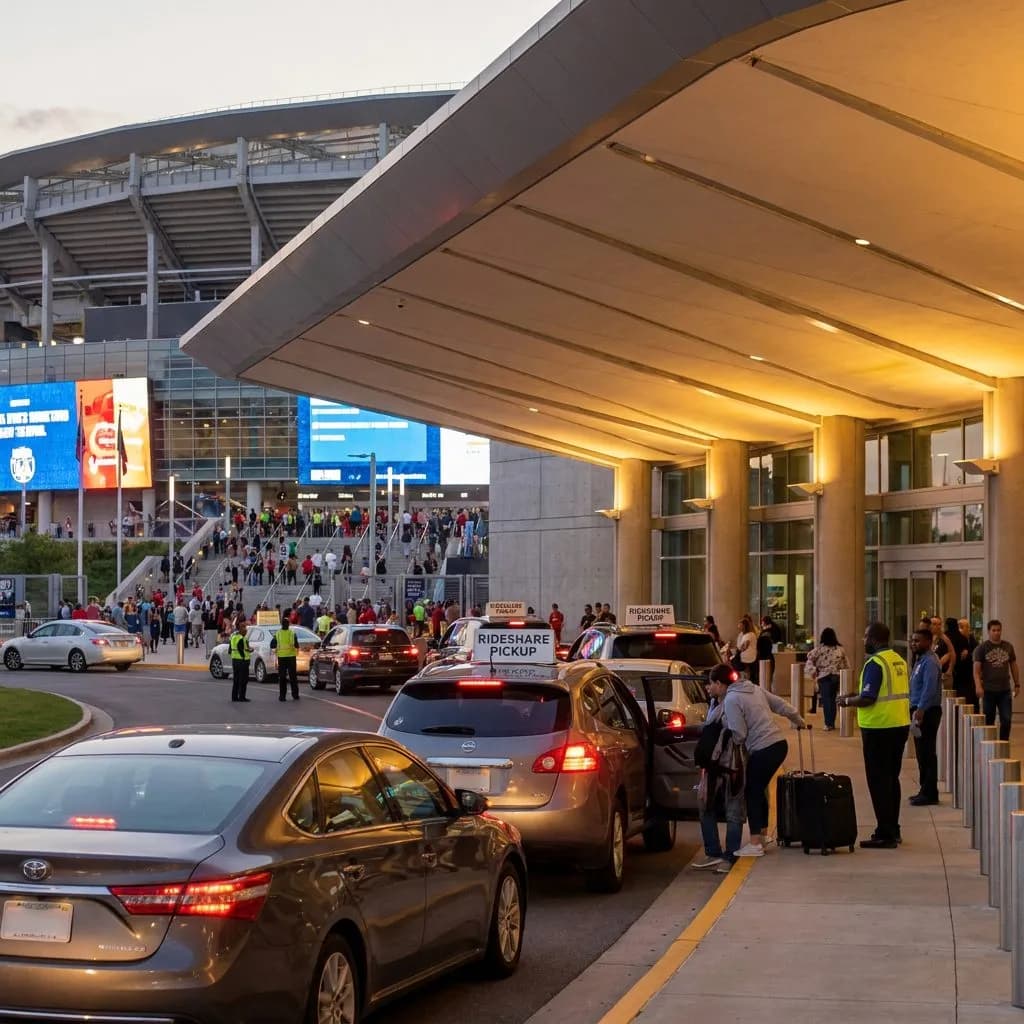
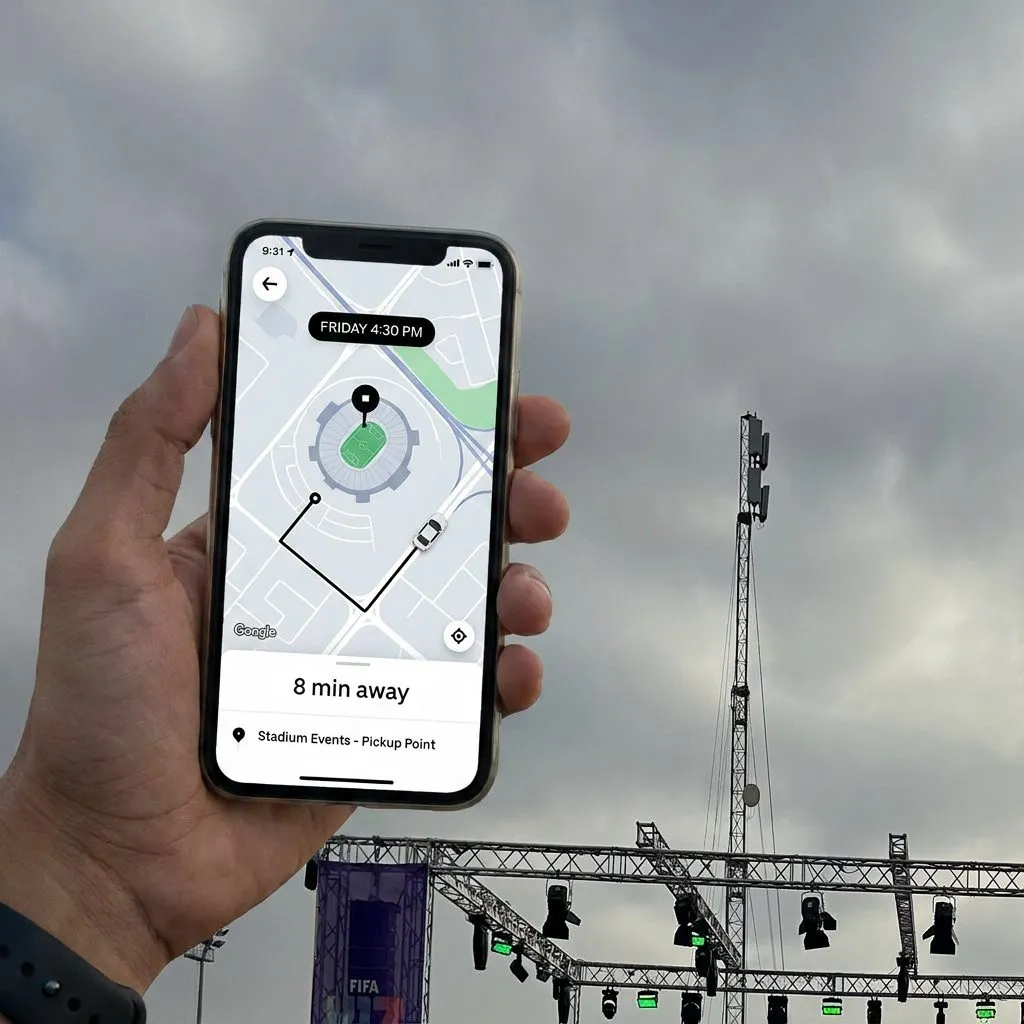
Rideshare services like Uber and Lyft offer convenience. However, major sporting events bring challenges. Venues implement strict traffic control, road closures, and designated zones. For fans, this means a straightforward street-side pickup is often unrealistic. Expect to walk to official "rideshare hubs" or "mobility zones." These zones keep passenger wait times manageable and ensure driver access. Familiarizing yourself with these zones before game day is vital. Many stadiums will also pre-load specific pick-up instructions within the apps, so keeping your app updated is essential.
Designated Pickup and Drop-Off Zones by Stadium
Each of the 16 World Cup 2026 host stadiums will have its own rideshare strategy. Expect dedicated areas, often within a 5-15 minute walk of stadium exits, clearly marked and sometimes staffed. These zones are typically in large parking lots, controlled-access streets, or off-site facilities linked by shuttle.
USA Stadiums (Partial List & General Expectations):
MetLife Stadium (East Rutherford, NJ): Expect multiple, well-defined zones in specific lots.
AT&T Stadium (Arlington, TX): Zones will likely be concentrated on the periphery, utilizing surrounding parking areas.
SoFi Stadium (Inglewood, CA): Anticipate a multi-level pick-up structure, potentially within or adjacent to parking garages.
Mercedes-Benz Stadium (Atlanta, GA): Rideshare zones might be a few blocks away, leveraging larger intersections or repurposed parking lots.
Lumen Field (Seattle, WA): Designated pickup spots will likely be on accessible perimeter streets or specific parking garages.
Arrowhead Stadium (Kansas City, MO): Allows for dedicated areas, possibly distinct from main stadium parking.
Canada Stadiums:
BMO Field (Toronto, ON): Rideshare areas will likely be on adjacent main thoroughfares, potentially with temporary road closures.
BC Place (Vancouver, BC): Expect zones on major streets within walking distance.
Mexico Stadiums:
Estadio Azteca (Mexico City): Anticipate multi-block walk-zones to reach designated pick-up points on major traffic arteries.
Estadio BBVA (Guadalupe, MEX): This newer stadium in Monterrey will likely have structured rideshare access, perhaps using purpose-built loading zones.
Estadio Akron (Zapopan, MEX): Expect planned zones that manage traffic flow effectively on its outskirts.
*Insider Tip:* Check official stadium websites for "event day transportation guides" or "fan zone maps" a few weeks before your match. These often contain precise rideshare pickup zone locations and pedestrian routes.
Surge Pricing Strategies: When to Request
Surge pricing is an algorithm's response to high demand and limited supply, and at World Cup matches, it will be in full effect immediately after the final whistle. Prices can easily soar.
To proactively combat this:
The Early Exit: Consider leaving 5-10 minutes before the final whistle. This can make a massive difference in price and wait time.
The Post-Game Hangout: Stay for an hour or two after the match. Surge pricing usually peaks within 30-60 minutes and then subsides.
Walk Away: A 15-20 minute walk away from the immediate vicinity of the stadium and official rideshare zones can drop you into an area with significantly lower surge pricing. Moving a mile or two can shift you into a lower-demand pricing grid. This strategy is also useful for reaching areas less affected by designated event traffic routes.
Pre-Booking vs On-Demand After the Match
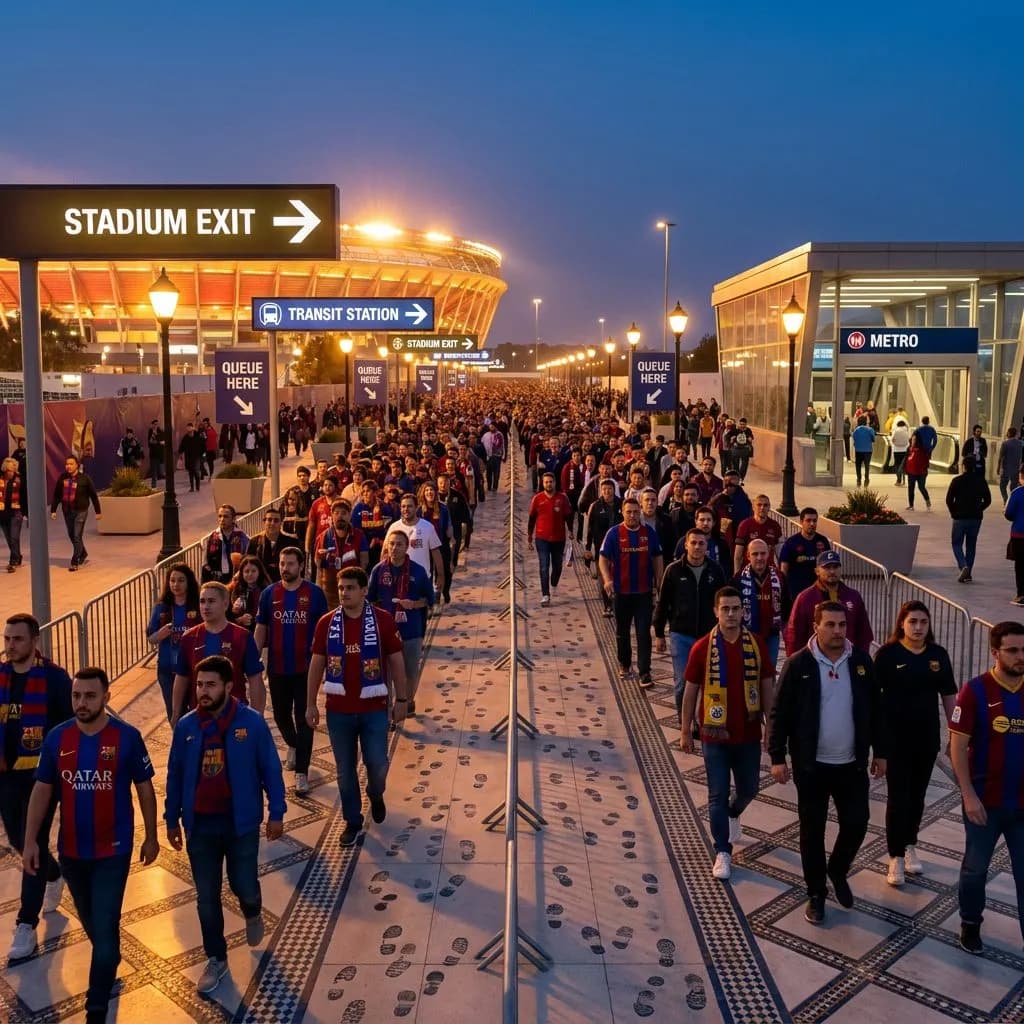
For World Cup matches, pre-booking a ride is generally *not recommended* for departures directly after the game. Pre-booked rides are subject to dynamic pricing, and drivers may struggle to reach designated pickup points due to traffic, leading to cancellations.
On-demand requests, while subject to surge, offer more flexibility. You can walk further, wait out the surge, and then request when you're in a better position. However, for *arrivals at the stadium*, pre-booking can be a viable option, ensuring a specific arrival time.
Alternatives to Rideshare: Transit and Walking Routes
Smart World Cup fans will build a multi-modal transportation plan. Rideshare is great, but it shouldn't be your only option.
Public Transit: Most World Cup stadiums are near robust public transit networks.
USA: Cities like Seattle, Atlanta, and Boston have excellent light rail, subway, or bus systems with direct stadium access. New York/New Jersey's MetLife Stadium is accessible via NJ Transit.
Canada: Toronto's TTC and Vancouver's SkyTrain provide efficient routes to BMO Field and BC Place.
Mexico: Mexico City's Metro and Monterrey's Metrorrey will be crucial.
*Insider Tip: Purchase multi-day transit passes in advance or load funds onto relevant transit apps to avoid long ticket lines. Familiarize yourself with the closest transit stations and routes before* you arrive. Many venues will run extended service hours on match days.
Walking: For many downtown stadiums, walking might be the fastest, most economical, and most enjoyable option. Use mapping apps to plot walking routes that avoid major traffic arteries. This is especially effective if you’ve followed the "walk away from the stadium" surge pricing strategy.
Hotel Shuttles/Taxis: Some hotels offer dedicated shuttles. While traditional taxis can be difficult to hail in severe congestion, official taxi stands are sometimes set up at venues and might offer a regulated fare option.
Practical Notes
Charge Your Phone: Bring a portable power bank. Your phone is your ticket, map, communication, and rideshare lifeline.
Know Your World Cup 2026 Stadium Entrances/Exits: This helps consolidate your decision-making on where to walk for a pickup or transit.
Communication is Key: Use the in-app chat or call feature. Be specific about your location, referencing landmarks.
Safety First: Always confirm your driver's name, car make/model, and license plate match the app before getting into a vehicle. Travel in groups when possible.
Be Patient: Delays, surge pricing, and crowded transit are inevitable. A good attitude and a well-thought-out plan will make all the difference.
Tags: #WorldCup2026 #FIFAWorldCup #FootballTravel #RideshareGuide #UberLyft #StadiumGuide #SportsTravel #MatchDayTips #TravelSmart #NorthAmerica2026 #FanExperience #TransportTips #WorldCupCities #SoccerFans
Sources consulted: fifa.com · metlifestadium.com
All trademarks are the property of their respective owners.
Ask Karpo First
Not sure where the Uber pickup zone is at your stadium, how to avoid surge pricing after the match, or whether walking to a nearby intersection gets you a faster ride? Ask Karpo for stadium-specific rideshare maps, surge timing tips, and alternative transport routes.