The Culture Shock Nobody Expected
The 2026 World Cup has brought approximately 3.5 million international visitors to the United States, many of them experiencing American culture for the first time. The matches, the stadiums, and the host cities have all generated content. But nothing has gone more viral than foreign fans' encounters with American fast food. Videos of Japanese fans staring in disbelief at a Chipotle burrito the size of their forearm. Brazilian fans trying to comprehend the concept of unlimited soda refills. German fans photographing a Costco hot dog and discovering it costs $1.50 — the same price as in 1985. The content has become the unofficial cultural documentary of the 2026 World Cup.
Visiting for the World Cup? Ask Karpo what to eat (and skip) while you're here.
The Portion Size Videos
The most-viewed category of World Cup tourist content involves portion sizes. A group of Senegalese fans filmed themselves attempting to share a single Cheesecake Factory appetizer — the "loaded nachos" platter that weighs approximately two kilograms — and discovering it was too much food for four people. The video has 340 million views on TikTok. A Japanese fan account documented a week of American meals, with each restaurant visit producing visible shock: the pancake stacks at IHOP, the 32-ounce steaks at Texas Roadhouse, the "small" popcorn at a movie theater that would qualify as "family size" in Tokyo. The running commentary, subtitled in English, has made the account one of the fastest-growing TikTok pages of the summer.
The Unlimited Refills Phenomenon
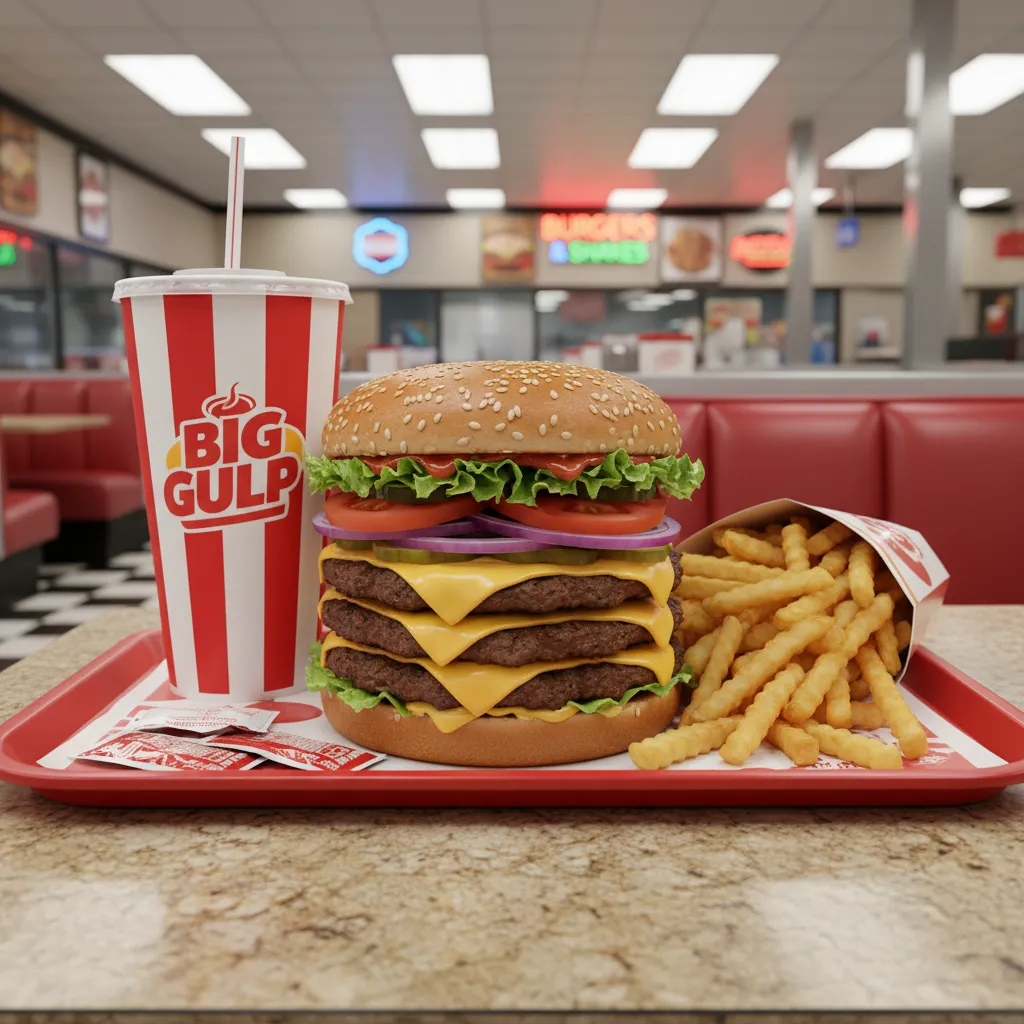
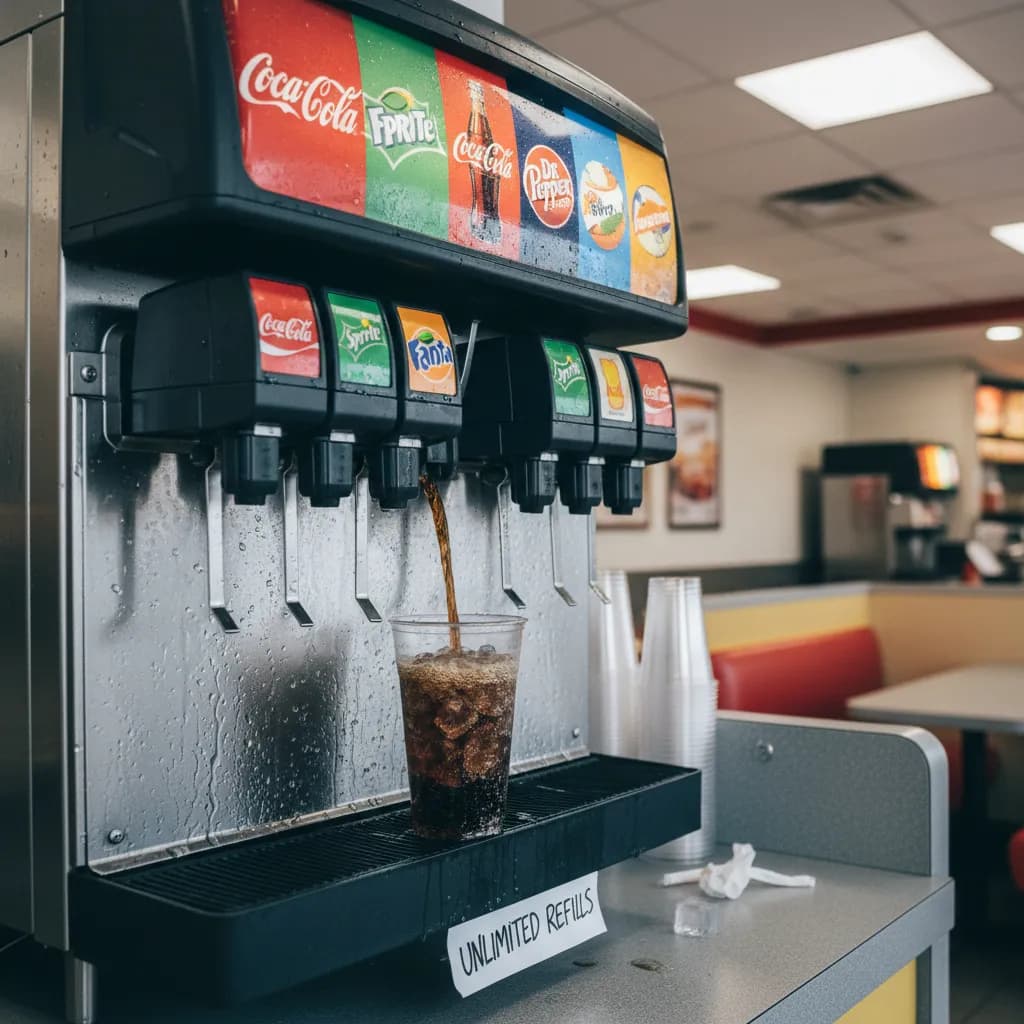
For fans from countries where a single soft drink costs three to five dollars and refills are unheard of, the American concept of unlimited refills has been genuinely baffling. A French supporter created a viral TikTok series in which he visits a different fast food chain each day and documents the moment when he discovers, again, that refills are free. His catchphrase — delivered in heavily accented English — "Wait, again free? Again?" has been turned into a sound effect used in over 50,000 TikTok videos. The concept has become a metaphor for American abundance that resonates far beyond food: World Cup tourists have applied the "again free?" format to free hotel breakfast buffets, free Wi-Fi, and the free condiment stations at fast food restaurants.
Drive-Through Culture: The Discovery
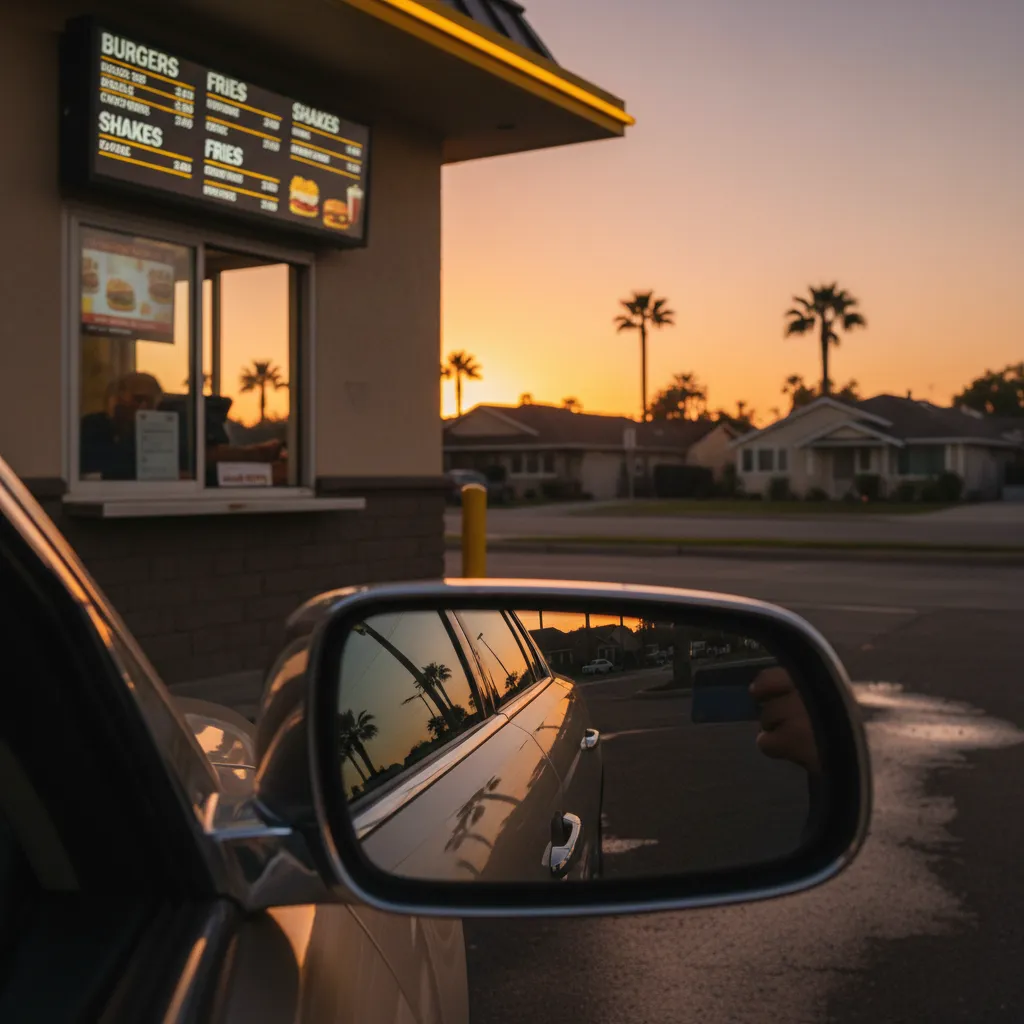
Perhaps the most culturally revealing content involves fans from countries without significant drive-through culture discovering the American drive-through for the first time. A group of Egyptian fans rented a car specifically to experience a Chick-fil-A drive-through, filming the entire process with the reverence of a nature documentary. A Korean fan account described the drive-through as "a restaurant that comes to your car window — Americans have solved every problem." The discovery that some pharmacies, banks, and even wedding chapels have drive-through windows in the United States has produced a sub-genre of "Americans are different" content that positions the World Cup as less a sporting event and more an anthropological expedition.
The Economic Impact
The viral food content has had measurable economic effects. Fast food chains near World Cup venues have reported revenue increases of 30 to 60 percent during match weeks, driven partially by international tourists seeking out the specific restaurants featured in viral videos. Chipotle's stock price rose 4.2 percent during the group stage, which analysts partially attributed to World Cup-related social media exposure. In-N-Out Burger, which operates exclusively on the West Coast and has no presence near East Coast World Cup venues, experienced a surge in searches from international visitors who had seen the chain featured in tourist content and were willing to travel to try it.
What It Says About America
The World Cup fast food phenomenon has become a mirror through which the world views American culture — and through which Americans see their own culture reflected back. The reactions are never simply about food. They are about abundance, waste, convenience, generosity, and the uniquely American relationship between consumption and identity. For many international visitors, the fast food experience is the most memorable part of their World Cup trip, not because the food is necessarily better than what they eat at home, but because it is so unambiguously, unapologetically American. In a tournament defined by controversy and conflict, the fast food videos have been a rare source of universal joy.
Tags: World Cup 2026, tourists, fast food, culture shock, portion sizes, unlimited refills, drive-through, TikTok, American culture, viral
Sources consulted: ESPN · Yahoo Sports · FIFA · CBS Sports
All trademarks, team names, league names, and player likenesses mentioned in this article are the property of their respective owners and are used here for informational and editorial purposes only.
Ask Karpo First
Want to find the best food near World Cup venues or plan your American dining adventure? Ask Karpo for the top-rated restaurants near every stadium, the best regional specialties in each host city, and the most viral tourist food experiences.