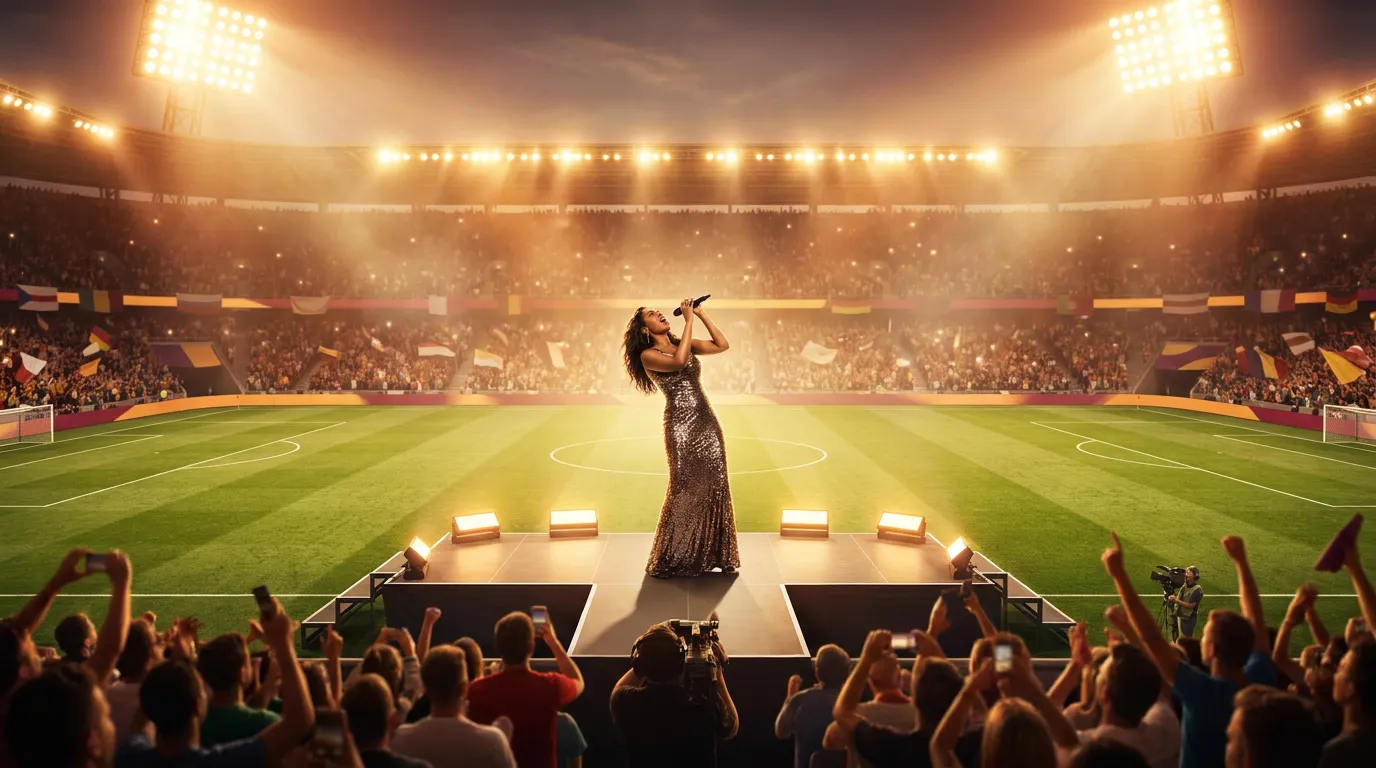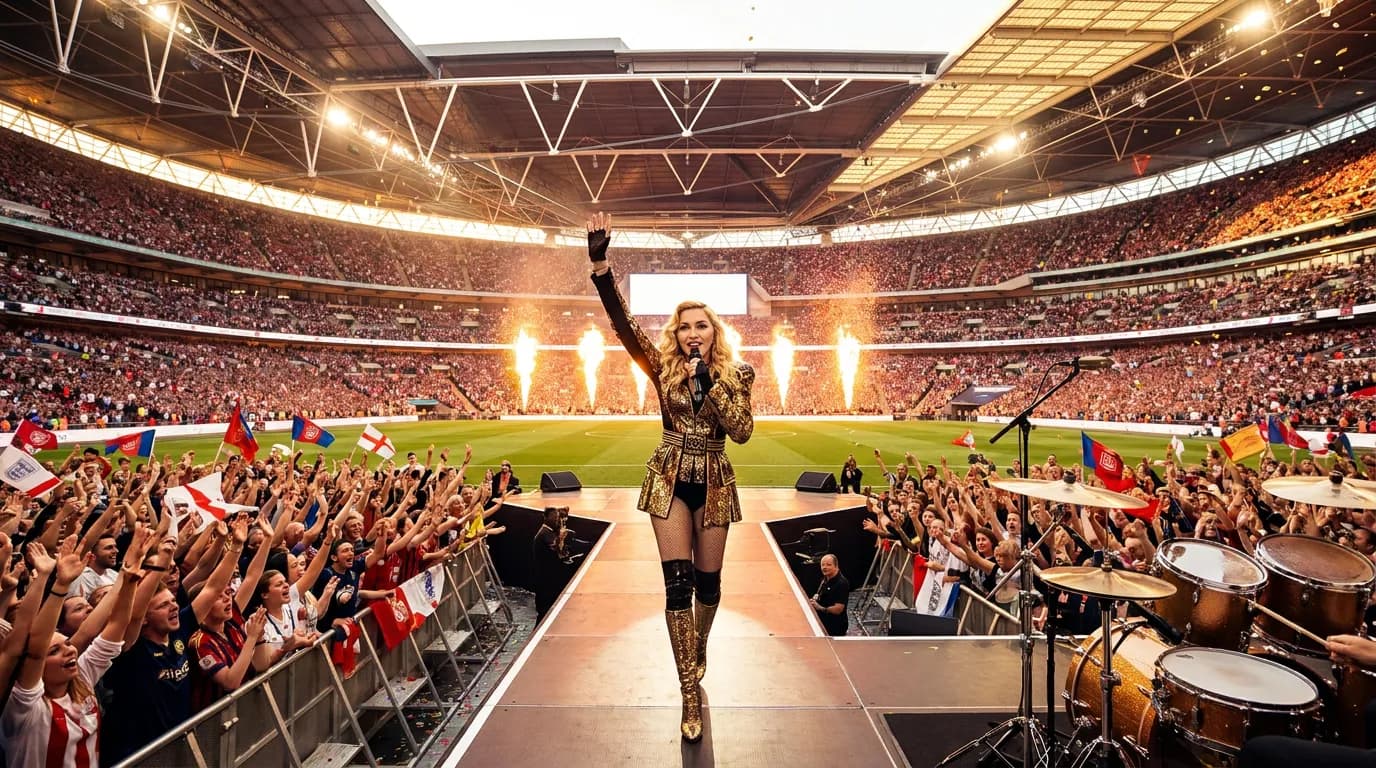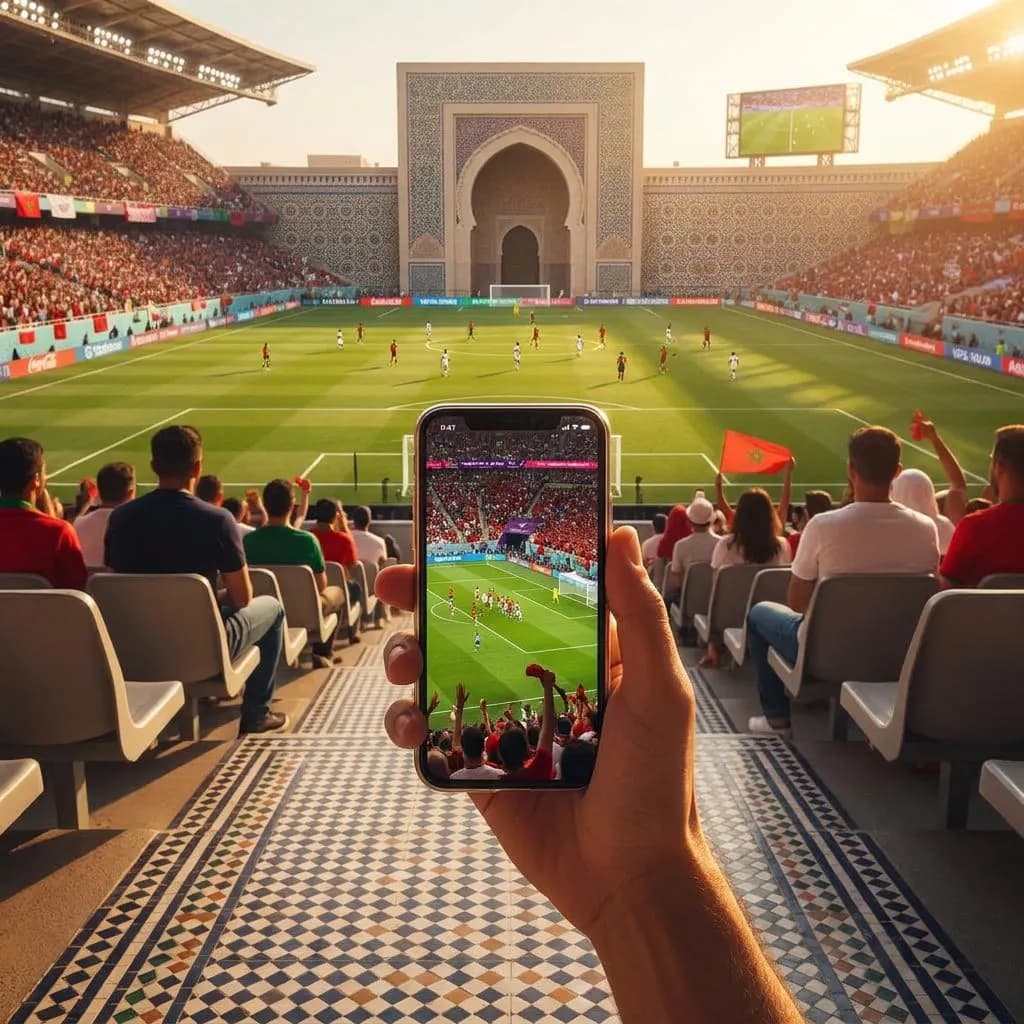
The roar of the crowd is a crescendo that vibrates through your chest, a rhythmic pounding that matches the blood thrumming in your ears. The emerald pitch stretches out before you, a pristine canvas awaiting the ballet of athletic prowess. Lights ablaze, the stadium is a cathedral of sport, and you, with your camera or smartphone firmly in hand, are ready to capture the magic. World Cup 2026 is rapidly approaching, promising unforgettable moments across North America. For photographers, whether professional or passionate amateur, understanding how to best capture the action – and what rules you need to follow – is paramount. This guide is your ultimate playbook for documenting the beautiful game, from epic goals to the electric atmosphere, ensuring your memories are as vivid as the match itself.
FIFA Camera and Lens Policy Explained
Navigating stadium camera policies can be as complex as an offside trap, especially for an event as globally significant as the World Cup. FIFA and host stadium regulations are designed to ensure fan safety and prevent obstruction of views, while also protecting the rights of official broadcasters and photographers. Generally, for spectators, FIFA permits small, non-professional cameras and smartphones. The key phrase here is "non-professional." This typically means lenses with a fixed focal length (prime lenses) under 3 inches (approximately 75mm) or zoom lenses with a maximum length of 6 inches (around 150mm) when fully extended. Tripods, monopods, and professional-grade camera equipment (e.g., DSLRs and mirrorless cameras with detachable lenses exceeding the specified length, or those with battery grips) are almost universally prohibited for general admission ticket holders. *Insider detail:* While some venues might have a slightly more lenient interpretation, the safest bet is to assume a 6-inch maximum lens length. If you believe your lens falls on the edge of this, consider a smaller alternative or be prepared to store it in your car if denied entry. For telephoto zoom lenses, the concern isn't just focal length, but the physical size of the lens barrel itself, which can impede visibility for those around you. Always check the official FIFA Fan Guide closer to the event for the most up-to-date and specific regulations for each venue mentioned on your ticket.
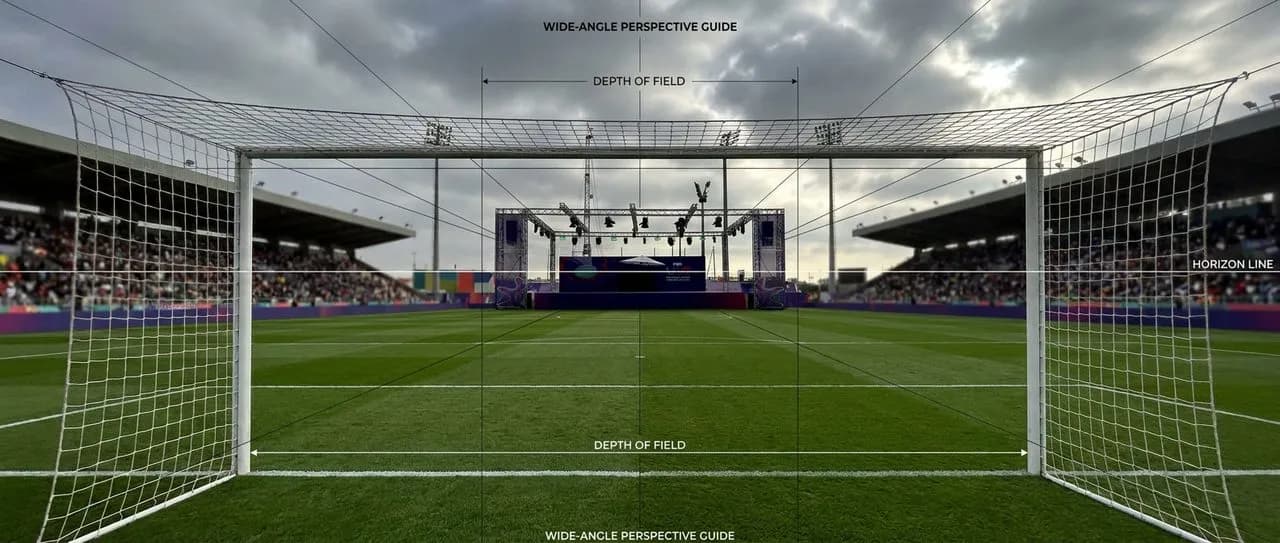
Best Seats for Photography by Stadium
Choosing the right seat can elevate your photography from good to genuinely spectacular. While every stadium offers a unique vantage point, some sections are inherently better for capturing the action.
AT&T Stadium (Arlington, USA): Known for its massive video board, seats in the lower bowl, particularly those between the 20-yard lines, offer excellent views of the pitch. For atmosphere shots combining the field and the screen, consider upper-deck corners.
Mercedes-Benz Stadium (Atlanta, USA): The retractable roof and "mega column" window provide dynamic lighting. Sections directly behind the goals, lower rows, are fantastic for capturing celebrations and close-up action as players approach. The upper deck offers sweeping panoramic views of the entire stadium layout, great for wide-angle shots.
MetLife Stadium (East Rutherford, USA): Its open-air design means lighting can be a factor. For action shots, aim for the lower bowl, midfield. The upper tiers, especially the corners, provide a grand perspective of the scale of the game and the surrounding cityscape – a stunning backdrop for sunset shots.
SoFi Stadium (Inglewood, USA): The iconic Infinity Screen is a must-capture. Lower bowl seats offer excellent pitch views, but for a unique perspective that integrates the screen, consider the mid-tier sections on the side opposite the major entrance. Insider detail: The "patio club" areas, while pricy, offer unique lower-level angles often less obstructed by fence lines than standard lower-bowl seating.
BC Place (Vancouver, Canada): Its translucent retractable roof means softer, more diffused light – great for consistent exposures. Mid-level seating between the 18-yard boxes provides an optimal balance of field-level detail and overall view.
Estadio Azteca (Mexico City, Mexico): This historic venue offers incredible atmosphere. Lower bowl seats near midfield are ideal for capturing both the intensity of the game and the vibrant, passionate crowd. Due to the stadium's age and design, some upper-tier views can be quite distant, so prioritize lower sections if possible. Insider detail: Getting into the stadium early to capture the warm-ups from lower seats before the crowds swell can yield some truly intimate player shots.
Smartphone Tips: Getting Sharp Action Shots
Your smartphone is a surprisingly powerful photography tool, capable of capturing stunning World Cup moments. The key to sharp action shots lies in technique and understanding your phone's capabilities.
1. *Burst Mode is Your Best Friend:* Hold down the shutter button to take a rapid sequence of photos. This dramatically increases your chances of catching the decisive moment. You can then review and select the sharpest image.
2. *Focus Manually:* Tap on your screen to focus on the player you want to track. Many phones allow you to lock focus by long-pressing an area. This prevents your phone from continually refocusing, especially in a busy scene.
3. *Optimize Exposure:* Dragging your finger up or down after tapping to focus (or adjust the slider if available) will lighten or darken the image. This is crucial for balancing bright stadium lights with potentially darker action.
4. *Zoom Smartly:* Digital zoom on smartphones often results in pixelated images. Use optical zoom if your phone has it (e.g., 2x or 3x lens). If not, it's often better to shoot wider and crop later to maintain image quality.
5. *Steady Your Shot:* Lean against a railing or use your other hand as a brace. Even slight movements can blur fast-moving subjects.
6. *Shoot in Pro/Manual Mode:* If your phone offers these modes, experiment with increasing shutter speed (e.g., 1/500th of a second or faster) to freeze action. This might require increasing ISO, which can introduce noise but is a trade-off worth making for a sharp image.
Golden Hour and Lighting at Open-Roof Venues
For open-roof venues (MetLife, Estadio Azteca, some configurations of AT&T Stadium), the sun becomes a crucial photographic element. "Golden hour" – the period shortly after sunrise or before sunset – casts a warm, soft light that can transform stadium photography.
Before Sunset: If your match starts in the late afternoon/early evening, try to position yourself on the side of the stadium that will have the setting sun behind you. This will illuminate the pitch and the players beautifully.
Against the Sun (Silhouettes): If the sun is setting directly into your lens, consider going for dramatic silhouette shots of players or the crowd against the vibrant sky. Adjust your exposure to underexpose slightly to enhance the silhouette effect.
Shadows: Mid-day games often bring harsh overhead light and strong shadows. Look for opportunities to use these shadows creatively – perhaps to define a player's muscles or to add depth to the stadium architecture.
Artificial Light: Once night falls, the stadium lights take over. These can be incredibly bright, leading to overexposed areas if not managed. Use your phone's exposure compensation or manual settings to dial back the brightness where needed. Be mindful of potential lens flare from direct light sources.
Social Media Tips: Posting From the Stadium
Sharing your excitement in real-time is part of the World Cup experience. Here's how to make your posts pop.
1. *Curate, Don't Spam:* Select your absolute best 2-3 photos or a short, impactful video clip. Quality over quantity.
2. *Use Location Tags:* This helps others find your content and adds context.
3. *Relevant Hashtags:* Beyond the obvious #WorldCup2026, include team-specific hashtags (e.g., #USMNT, #ElTri), player names if you got a great shot, and venue-specific tags (e.g., #SoFiStadium).
4. *Live Stories/Reels:* These short, dynamic formats are perfect for capturing the raw energy of the crowd, a quick goal celebration, or a moment of tension. Add quick text overlays or stickers to enhance engagement.
5. *Engage with Comments:* Respond to fellow fans and share in the excitement.
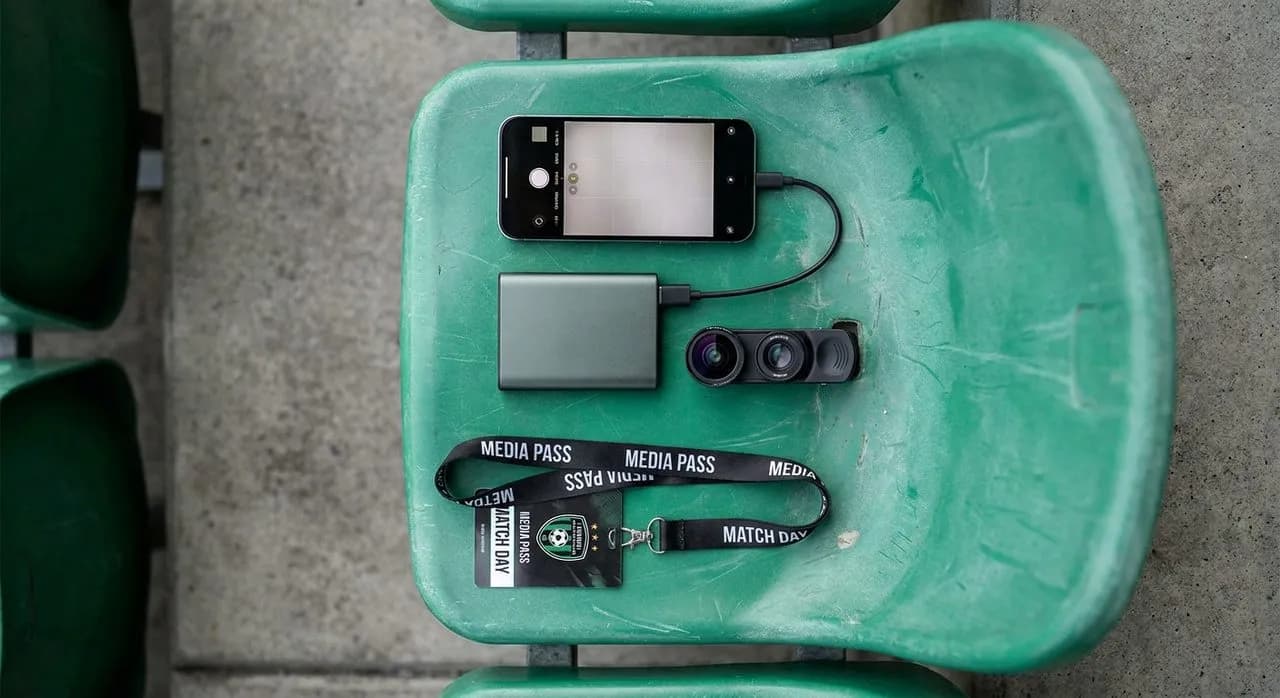
6. *Battery Life Matters:* Streaming, posting, and photography will drain your phone battery quickly. Bring a fully charged power bank!
Practical Notes
Arrive Early: This cannot be stressed enough. Early arrival allows you to scout good photo spots, capture the pre-game atmosphere, and navigate security checkpoints without rushing.
Research Stadium Layouts: Familiarize yourself with entrance points, concession stands, and restrooms relevant to your section.
Weather Preparedness: For open-air stadiums, bring appropriate gear – rain poncho, hat, sunscreen.
Ticket Security: Keep your mobile ticket easily accessible but secure.
Respect Others: Be mindful of blocking views with your phone or camera. A quick shot is fine, but don't hold your device up for extended periods during key moments.
Stay Hydrated: Stadiums are often large and can get hot, especially during day games.
Armed with these tips, you're not just a spectator; you're a storyteller, ready to immortalize the thrill, the passion, and the sheer spectacle of the FIFA World Cup 2026.
Tags: #WorldCup2026 #FIFAWorldCup #FootballPhotography #StadiumPhotography #SportsPhotography #TravelPhotography #LifestylePhotography #FIFA2026 #SoccerFan #WorldCupStadiums #CameraTips #SmartphonePhotography #SoFiStadium #EstadioAzteca #MetLifeStadium
Sources consulted: fifa.com · metlifestadium.com
All trademarks are the property of their respective owners.
Ask Karpo First
Want to know which section has the best sunset angle at SoFi, whether your DSLR lens is within FIFA's size limit, or how to get the classic tunnel shot on your phone? Ask Karpo for seat-by-seat photo guides, camera policy details, and smartphone settings for action shots.