The roar of the crowd, the electrifying tension of a penalty shootout, the global camaraderie as nations unite under the banner of football. The FIFA World Cup 2026 is poised to deliver an unprecedented spectacle, expanding across three vibrant North American host countries: the United States, Mexico, and Canada. As the world gears up for this monumental event, millions of international fans will embark on a journey stretching beyond the stadium walls, venturing into diverse cultures and landscapes. To ensure your unforgettable World Cup experience is seamless and safe, Karpo brings you this comprehensive guide, covering everything from the indispensable paperwork to the subtle nuances of local customs. Prepare to immerse yourself in the beautiful game, knowing you’re well-equipped for every step of the adventure.
Visa Requirements: US, Mexico, and Canada
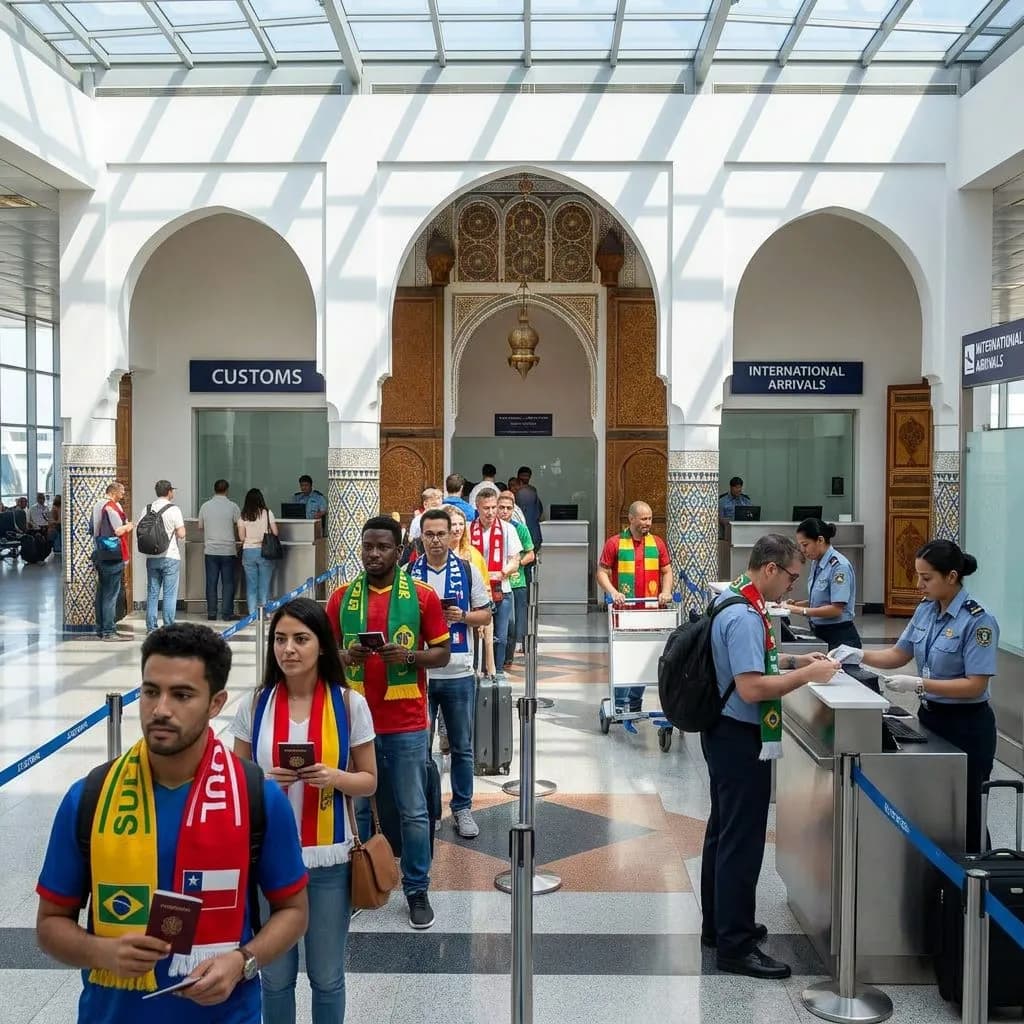
Navigating international travel begins with understanding entry requirements. While the World Cup offers a unique multi-country experience, each host nation maintains its independent visa policies. Planning ahead is crucial, as application processes can be lengthy.
For *United States entry, many nationalities are eligible for the Visa Waiver Program (VWP), requiring an approved Electronic System for Travel Authorization (ESTA) prior to departure. ESTA applications are typically straightforward but should be completed well in advance. Bear in mind that a denied ESTA necessitates a traditional B-2 tourist visa application at a US embassy or consulate, a process that can take weeks or even months. For those not eligible for the VWP, a B-2 visa is mandatory. Insider Tip: Even with an approved ESTA, customs officials at the port of entry have final discretion. Always be prepared to articulate your travel purpose and duration clearly.*
Entry into *Mexico* is generally more relaxed for many nationalities, often requiring only a valid passport for stays up to 180 days. A Forma Migratoria Múltiple (FMM) or tourist card is typically issued upon arrival, either electronically or on paper. While usually hassle-free, confirm specific requirements for your nationality via the Mexican Ministry of Foreign Affairs website.
*Canada* requires an Electronic Travel Authorization (eTA) for visa-exempt foreign nationals entering by air. This is a small fee and typically approved within minutes, but applying a few days before your flight is recommended to avoid any last-minute issues. If you are not eligible for an eTA, a temporary resident visa (TRV) will be required. Like the US, a TRV application involves more extensive documentation and processing times.
Always check the official government websites for the most up-to-date entry requirements specific to your nationality, as policies can change.
Travel Insurance: What to Cover
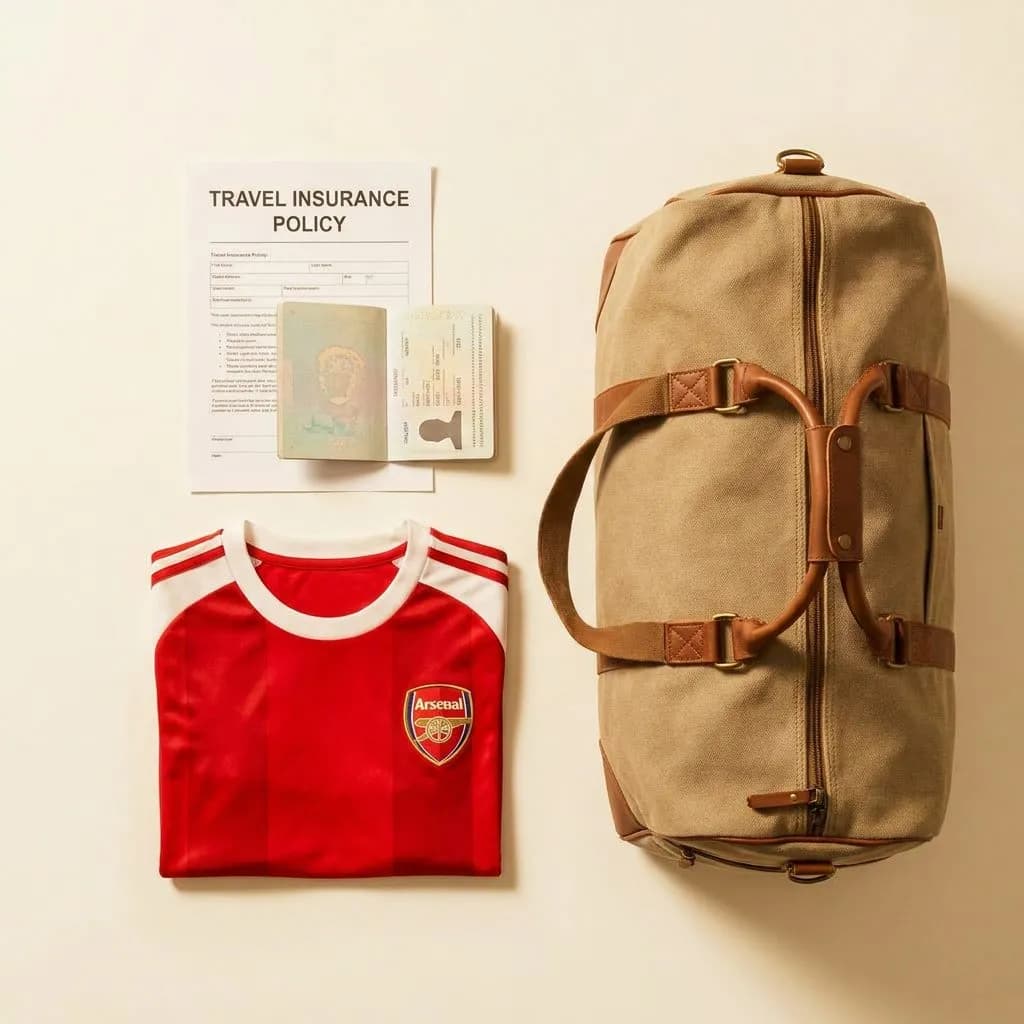
In the excitement of World Cup planning, travel insurance can often be an afterthought – but it shouldn't be. A robust travel insurance policy is not merely a recommendation; it's a critical safety net when traveling internationally, especially across multiple countries.
Your policy should, at a minimum, cover *medical emergencies. Healthcare costs in North America, particularly the US, can be astronomically high for non-residents. Ensure your coverage includes emergency medical treatment, hospitalization, ambulance services, and emergency medical evacuation*. The latter is vital should you require transfer to a more advanced medical facility or repatriation to your home country.
Beyond medical, consider coverage for *trip cancellation or interruption*. What if an unexpected illness prevents you from traveling, or a family emergency forces you to cut your trip short? This coverage can reimburse non-refundable expenses like flights and accommodation.
*Baggage loss or delay is another key consideration. While airlines strive for perfection, luggage can go astray, and having funds to purchase essential items until your bags arrive is invaluable. Personal liability* coverage protects you in case you accidentally cause injury to someone or damage property.
Finally, specific to a multi-city, multi-country event like the World Cup, look for policies that offer *multi-destination coverage and are clear about geographical limits. Some policies might exclude certain regions or activities. Insider Tip: Many credit cards offer some level of travel insurance as a perk, but these often have limitations on coverage amounts or types. Always check the fine print and consider supplementary traditional travel insurance for comprehensive protection.*
Emergency Numbers and Healthcare Access
Knowing how to react in an emergency is paramount. While largely similar, emergency services across the host nations have distinct nuances.
In the *United States and Canada, the universal emergency number for police, fire, and ambulance is 911*. It's a free call from any phone, including cell phones. When calling, state your precise location and the nature of the emergency clearly and calmly.
In *Mexico, the primary emergency number is 911* as well, having been adopted nationwide. However, older numbers like 066 (police) or 065 (medical) might still be encountered in some areas, though 911 is consistently reliable.
*Healthcare Access:*
United States: Healthcare is primarily private. Ensure your travel insurance covers a wide network of providers. If an emergency arises without insurance, you will be billed directly, and costs can be substantial. For non-emergencies, walk-in clinics or urgent care centers are options, often at a lower cost than hospital emergency rooms.
Canada: While Canada has a public healthcare system, it is for residents. Foreign visitors will typically pay out-of-pocket for services, making comprehensive travel insurance indispensable.
Mexico: Healthcare includes both public and private options. Private hospitals and clinics in major cities and tourist areas generally offer high-quality care, often at more affordable rates than the US. Your travel insurance should specify which hospitals or clinics are covered.
Always carry a copy of your travel insurance policy details, including emergency contact numbers and policy numbers, and share this information with a trusted travel companion or family member.
Cultural Tips and Local Etiquette
Understanding and respecting local customs enhances your experience and smooths interactions. While North America shares a broad cultural veneer, distinct differences exist.
*United States:* Americans generally value personal space. A firm handshake is common upon introduction. Tipping is customary and expected in service industries (restaurants, bars, taxis, hotel staff), typically 15-20% for good service. Punctuality is valued. When conversing, direct eye contact is common.
*Mexico:* Mexican culture is warm and communal. Politeness is highly valued; use "por favor" (please) and "gracias" (thank you) frequently. A light handshake is standard, and close friends and family may greet with a kiss on the cheek. Tipping, while less rigidly structured than the US, is still appreciated in service industries. Learning a few basic Spanish phrases will go a long way.
*Canada: Canadians are known for their politeness and multiculturalism. "Please" and "thank you" are central to interactions. Punctuality is appreciated. Tipping is similar to the US, around 15-20% for good service. Canadians tend to be more reserved initially than Americans, but are generally very friendly and welcoming. Insider Tip: In Canada, particularly in Quebec, French is the official language. Learning a few simple French greetings like "Bonjour" (hello) and "Merci" (thank you) can be a thoughtful gesture, though English is widely spoken in major cities.*
Across all three nations, refrain from discussing sensitive political topics with strangers. Be mindful of noise levels, particularly in residential areas late at night. Photography is generally welcome, but always ask permission before taking close-up photos of individuals.
Staying Safe in Crowds and at Venues
Large-scale events like the World Cup naturally attract massive crowds, presenting unique safety considerations.
*General Crowd Safety:*
Stay Aware: Be mindful of your surroundings. Avoid isolated areas, especially at night.
Keep Valuables Secure: Use anti-theft bags or money belts. Avoid displaying expensive electronics or excessive cash.
Plan Meeting Points: If traveling with a group, designate a clear meeting point in case you get separated.
Hydrate and Rest: Crowds can be overwhelming. Take breaks, drink plenty of water, and avoid over-exertion.
Follow Directions: Always adhere to instructions from venue staff, police, and security personnel.
*At Venues:*
Arrive Early: Allows for smoother entry and less rushing.
Know Your Exit: Familiarize yourself with emergency exits upon entering any venue.
Controlled Entry: Expect thorough security checks, including bag searches. Prohibited items will be confiscated. Check venue policies online before attending.
Designated Fan Zones: Embrace the energy of official fan zones, which are typically well-patrolled and provide a safe atmosphere for celebration.
*Transportation Safety:*
Official Taxis/Ride-Shares: Use reputable services. In Mexico, avoid unmarked taxis.
Public Transport: Research routes and schedules in advance. Be especially cautious during peak hours.
Personal Property on Public Transport: Keep bags close and remain alert, particularly in crowded carriages.
Practical Notes
Currency: US Dollar (USD), Mexican Peso (MXN), and Canadian Dollar (CAD). It's wise to have some local currency cash for smaller purchases or emergencies, but credit cards are widely accepted.
Power Adapters: US, Mexico, and Canada all use Type A/B sockets (two flat parallel pins or two flat parallel pins with a grounding pin) and operate on 120V/60Hz. If your devices use a different standard, you'll need an adapter or converter.
Communication: Consider purchasing a local SIM card or an international eSIM to ensure reliable data and communication access, especially for navigation and emergencies.
Documentation Backups: Keep digital copies of your passport, visas, flight tickets, and hotel reservations on your phone and in a cloud service. Also, carry physical photocopies separate from your originals.
Travel Light (Comparatively): If moving between cities and countries, consider the logistics of lugging heavy luggage. Prioritize essentials.
Stay Informed: Follow official World Cup and government travel advisories for any last-minute changes or important announcements regarding fan behavior or safety.
The FIFA World Cup 2026 is an opportunity for unparalleled sporting excitement and cultural exploration. By meticulously planning, understanding local customs, and prioritizing safety, you'll ensure your journey is as memorable and joyous as the beautiful game itself. Karpo wishes you a spectacular World Cup experience!
Tags: #WorldCup2026 #FIFAWorldCup #TravelSafety #VisaGuidelines #TravelInsurance #CulturalTips #NorthAmericaTravel #USATravel #MexicoTravel #CanadaTravel #FanGuide #SportsTravel #InternationalFans #SafeTravel #WorldCupExperience
Sources consulted: fifa.com · metlifestadium.com
All trademarks are the property of their respective owners.
Ask Karpo First
Not sure if you need a visa for the US, whether your travel insurance covers Mexico, or which emergency number to call in Canada? Ask Karpo for a country-by-country entry checklist, insurance recommendations, and safety tips personalized to your nationality and itinerary.