Tier 1: The Genuine Title Contenders
Brazil lead the power rankings heading into the knockout stage, and it is not particularly close. Dorival Junior's side scored 10 goals in three group games, conceded just one, and looked like a team that has finally figured out how to balance its extraordinary individual talent with collective tactical discipline. Vinicius Jr has four goals and looks unstoppable. France are second despite their defensive issues — when you have Mbappe, Dembele, and Griezmann, you are always dangerous. Argentina sit third, powered by Messi's record-breaking scoring streak and a defensive structure that Scaloni has perfected over four years.
Tier 2: Dark Horses With Real Knockout Credentials
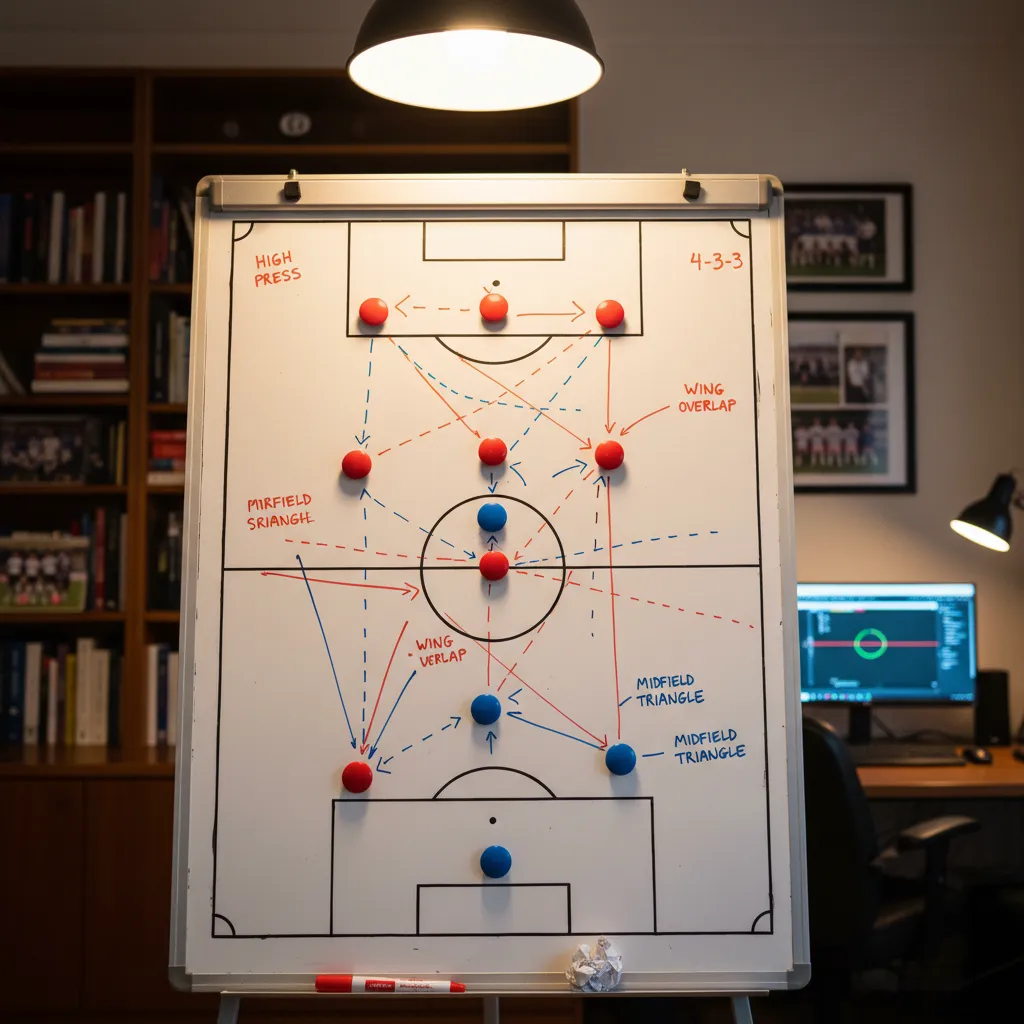
Spain's recovery from a shaky group stage — they lost their opener to Austria before winning their remaining two matches — puts them in the dark horse category. Their midfield of Pedri, Gavi, and Rodri remains the best in the tournament, even if the attack has lacked a consistent goal threat. Germany have been quietly efficient, winning all three group games without conceding more than once. Their counter-pressing under Nagelsmann is among the best at the tournament. Colombia, unbeaten and aggressive, are the South American team most likely to cause an upset in the knockout rounds.
Tier 3: The Surprise Packages
Japan are the story of the group stage. Three wins, eight goals scored, and a tactical flexibility that has bamboozled every opponent. Kamada and Ueda have formed the most effective partnership outside the traditional powerhouses. Cote d'Ivoire, AFCON champions, have brought their continental form to the World Cup — their physicality, pace, and set-piece threat make them dangerous against anyone. South Korea, driven by Son Heung-min's four assists, have been one of the most entertaining teams to watch.
Tier 4: The Disappointments
England's inclusion in the disappointment tier will anger their fans, but three goals in three games from a squad worth $1.5 billion is objectively underperforming. Tuchel's defensive approach has kept them in the tournament, but they look like a team waiting to be knocked out by the first genuinely top-tier opponent they face. Portugal have relied entirely on individual moments from Ronaldo and Bruno Fernandes — their collective play has been disjointed. The Netherlands have been the most puzzling underperformers, scraping through with two draws and a narrow win despite having one of the deepest squads in the tournament.
Tier 5: The Teams Playing With House Money
Every expanded World Cup produces teams who exceed expectations simply by being there. Cabo Verde, Iraq, and New Zealand qualified through the expanded 48-team format and were never expected to compete with the established powers. Cabo Verde have been the most impressive of this group, taking points off both Paraguay and Algeria with disciplined defensive performances. Their Round of 32 match against Argentina will be the biggest game in their nation's football history. Iraq's campaign was historic for the wrong reasons, but the experience of competing at the World Cup will fuel their development for years to come.
Key Statistical Trends Heading Into Knockout Rounds
The data tells a clear story: the 2026 World Cup has been more attacking than any previous edition. An average of 3.1 goals per match — up from 2.7 in 2022 — reflects both the expanded format, which has included more mismatches, and the impact of playing at altitude and in heat. Set pieces have accounted for 38% of goals, the highest proportion since 1990. Counter-pressing goals — scored within five seconds of winning the ball back — are up 45% compared to 2022, suggesting that the best teams have taken the lessons of modern club football and applied them to the international stage.
The Bracket Favors Brazil and France
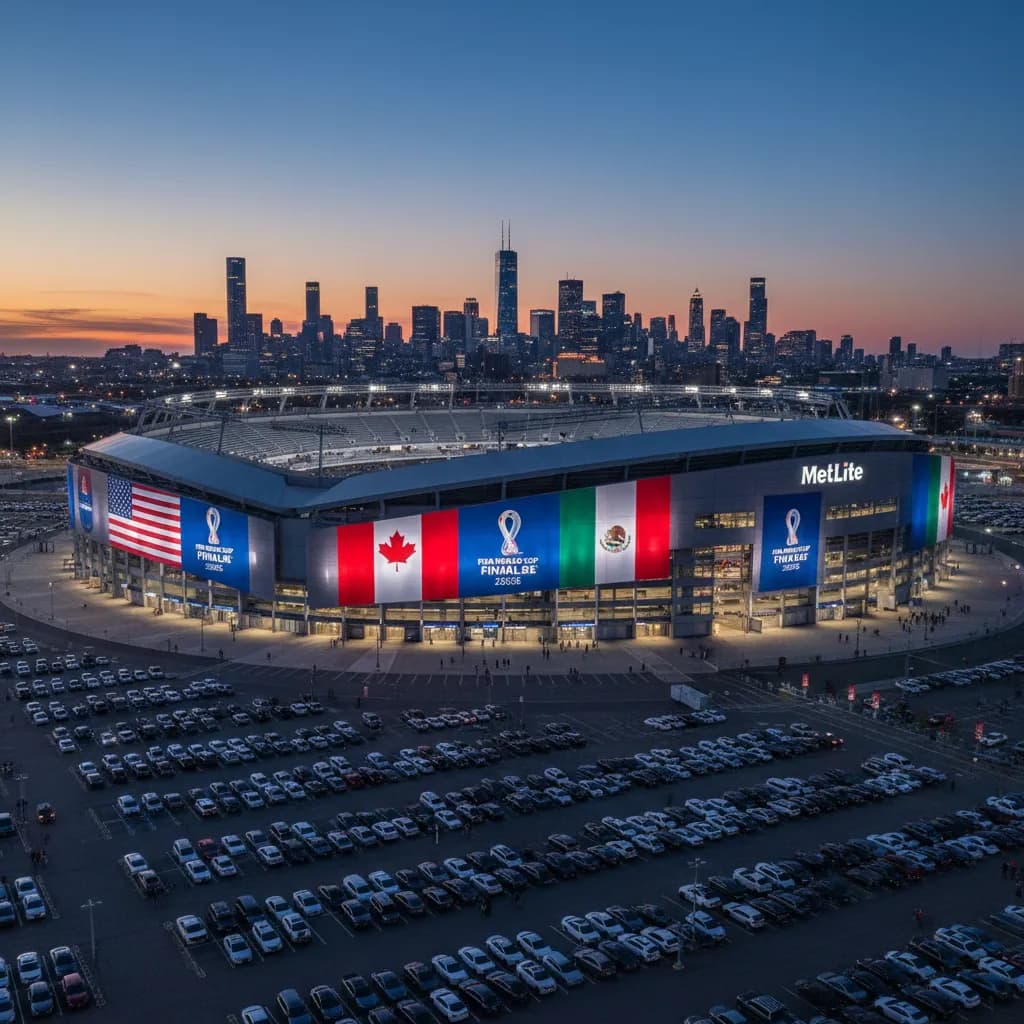
The knockout bracket — determined by group-stage finishing positions — has created a lopsided draw that favors Brazil and France. Brazil's path to the final could see them face Japan, Colombia, and Spain. France's route includes Sweden, Germany, and potentially Argentina. If the bracket plays out to seeding, the World Cup Final at MetLife Stadium on July 19 will be Brazil vs France — a heavyweight clash that would justify every dollar of the $33,000 ticket price. But this is the World Cup, and brackets rarely survive first contact with reality.
Tags: World Cup 2026, power rankings, knockout stage, Brazil, France, Argentina, Japan, England, Spain, Germany, favorites, dark horses, underdogs
Sources consulted: ESPN · FIFA · GiveMeSport
All trademarks, team names, league names, and player likenesses mentioned in this article are the property of their respective owners and are used here for informational and editorial purposes only.
Ask Karpo First
Want to follow every knockout round match and track your favorite team's path to the final? Ask Karpo for the complete World Cup bracket, match schedules, and team-by-team knockout round guides.