The stadium pulsed, ninety minutes dissolved, the scoreboard displayed a deadlock. A collective gasp swept through the stands as the referee’s whistle shrilled, not signaling the end, but the beginning of a new chapter. Lives hung in the balance, a nation’s hopes tethered to the outcome. With every pass, every tackle, tension ratcheted higher. This wasn't just a game; it was a test of endurance, skill, and sheer will. For those unfamiliar with the intricate ballet of a knockout stage match, understanding the *World Cup overtime rules* becomes paramount to savoring every agonizing, exhilarating moment.
Regular Time and Stoppage Time Basics
A standard football match consists of two 45-minute halves, totaling 90 minutes. The clock doesn't stop for delays like injuries or substitutions. To account for this, the referee adds "stoppage time" (injury time or added time) at the end of each half. This is played until the referee's whistle. In knockout matches, if the score remains tied after 90 minutes plus stoppage time, the game doesn't end. Instead, we move into the thrilling realm of *World Cup overtime rules*.
Extra Time: Two 15-Minute Halves
When a World Cup knockout match is tied after regular time and stoppage time, teams play two additional 15-minute periods, known as extra time. There's a short break (one or two minutes) between these periods. Like regular time, extra time includes stoppage time at the end of each half if needed. There's no "golden goal" or "silver goal" rule; play continues for the full duration of both 15-minute periods. The goal is to find a winner through regular gameplay, avoiding a penalty shootout.
Substitution Rules in Extra Time
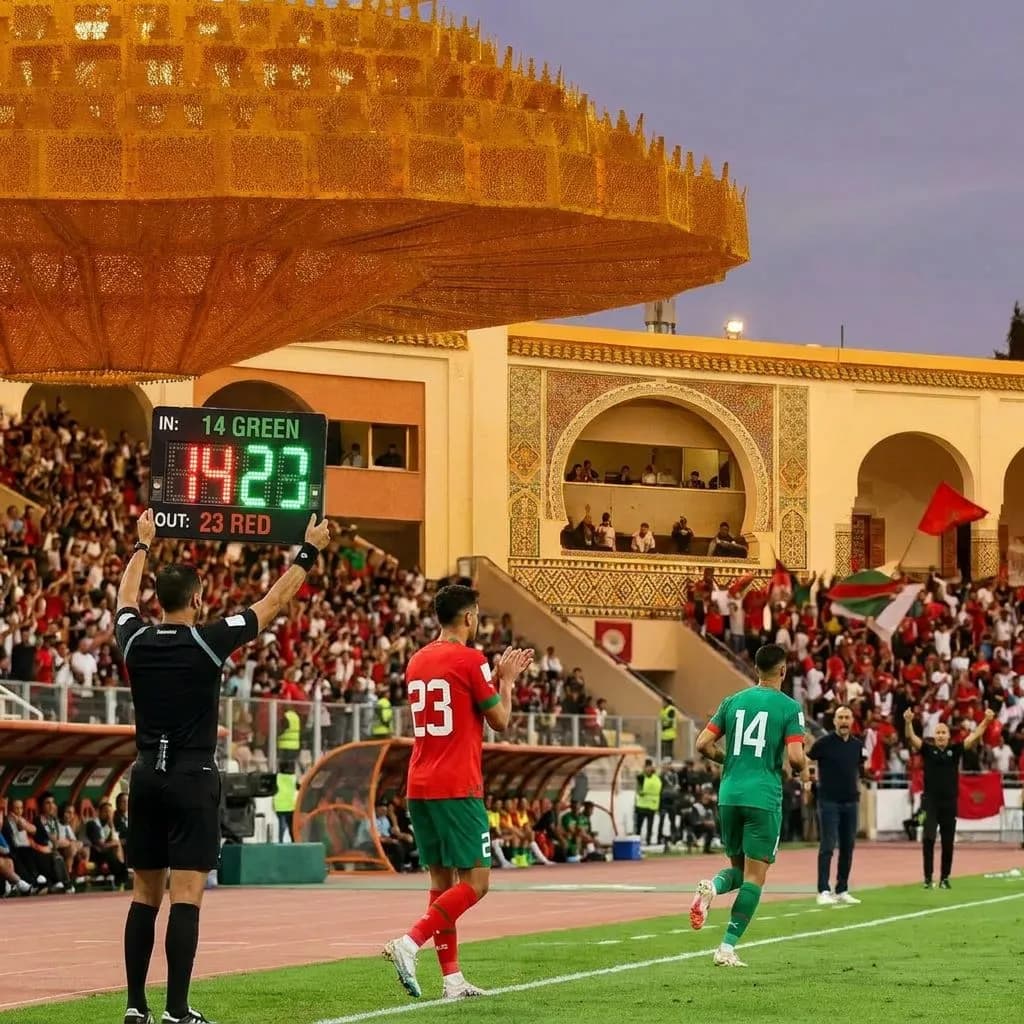
A critical aspect of *World Cup overtime rules concerns substitutions. During regular time, teams typically get five substitutions over three opportunities (plus a fourth at half-time). For extra time, an additional* sixth substitution is granted. This extra sub can be used at any point during either extra time period. This is a strategic lifeline for coaches, allowing fresh legs, addressing fatigue, or introducing a specialist without sacrificing earlier changes. If a team hasn't used all five regular substitutions by the end of normal time, any remaining opportunities carry over into extra time, still benefiting from that additional sixth slot.
The Penalty Shootout Format
If, after 120 minutes of grueling football (plus extra time stoppage), the score remains level, the match progresses to the penalty shootout. Each team selects five players to take a penalty kick, alternating turns (ABABA). The objective is to score more goals after five attempts. If one team has an insurmountable lead before all five kicks are taken, the shootout ends. If tied after five kicks each, the shootout enters "sudden death." Teams continue to take kicks one at a time, alternating, until one scores and the other misses. Players from a team do not repeat their kick until every eligible player on the team has taken one, including the goalkeeper.
VAR in Extra Time and Penalties
Video Assistant Referee (VAR) remains crucial in extra time and penalty shootouts. VAR reviews "clear and obvious errors" and "serious missed incidents" related to goals, penalty incidents, direct red cards, and mistaken identity. This means VAR can intervene to disallow a goal, award a penalty, or confirm a red card in extra time. During a penalty shootout, VAR focuses on technical infringements, such as a goalkeeper moving off their line early or an attacking player encroaching before a rebound. The referee makes the final decision, but VAR provides a safety net for fairness in these critical stages.
Practical Notes
Understanding these *World Cup overtime rules* enhances the viewing experience. Yellow cards accumulated in regular time do not reset for extra time. Red cards mean a team plays reduced throughout extra time. Goals scored during extra time count towards player and team statistics, unlike goals in a penalty shootout, which only decide the match. The penalty shootout is recorded as a win/loss, but the match is officially a "draw" in terms of regulation time results. Familiarity with these nuances allows for a deeper appreciation of the strategic decisions made by coaches and players, capturing the essence of World Cup competition.
Tags: #WorldCup2026 #FIFAWorldCup #FootballRules #ExtraTime #PenaltyShootout #SoccerRules #KnockoutStage #FootballTactics #VAR #WorldCupExplained #GameRegulations #SportingDrama #FIFA
Sources consulted: fifa.com · metlifestadium.com
All trademarks are the property of their respective owners.
Ask Karpo First
Not sure what happens after 90 minutes, how many subs are allowed in extra time, or whether away goals still count? Ask Karpo for a clear breakdown of World Cup overtime rules, real-time match alerts, and a guide to understanding every scenario from your seat or your couch.