The roar of the crowd, a symphony of anticipation and relief, echoes across three nations. From the sun-baked stadia of Mexico to the vibrant arenas of the United States and the passionate venues of Canada, the FIFA World Cup 2026 group stage has delivered an unforgettable spectacle. Thirty-two days of breathtaking goals, last-gasp saves, and stunning upsets have culminated in the dramatic closing of the initial bracket. Now, as the dust settles on countless nail-biting finishes and improbable comebacks, the ultimate picture of who moves on to the knockout rounds is finally crystal clear. Sixty-four matches, a mosaic of triumphs and heartbreaks, have been etched into the annals of football history, setting the stage for an even more exhilarating next phase of the tournament. The dreams of many have been realized, while others face the journey home, their World Cup aspirations put on hold for another four years. Let’s dive into the intricate details of how it all unfolded.
How the 12-Group Format Works
The 2026 FIFA World Cup marks a monumental shift in the tournament's structure, expanding from 32 to 48 participating nations. This expansion necessitated a radical overhaul of the group stage format. Instead of eight groups of four teams, we now have twelve groups, each comprising four teams. This change significantly intensifies the competition, as more teams now have a shot at glory. The format sees each team play the other three teams within their group once, for a total of three matches per nation.
The primary objective for every team is to finish in the top two of their respective group, guaranteeing a direct passage to the newly expanded Round of 32. However, the excitement doesn't end there for third-place finishers. A crucial element of this new structure is the introduction of eight "best third-place" teams who will also advance, adding an extra layer of strategic complexity and tension to the final group stage matches. This mechanism significantly reduces the number of truly "dead rubber" games, as even teams with two losses could still harbour hopes of progression, provided they secure a strong final result. The tie-breaking rules, as outlined by FIFA, remain critical in separating teams that finish with identical points totals. Goal difference is the first differentiator, followed by goals scored, then head-to-head results, and so on. This consistent application of rules ensures fairness across all groups, even with the expanded field.
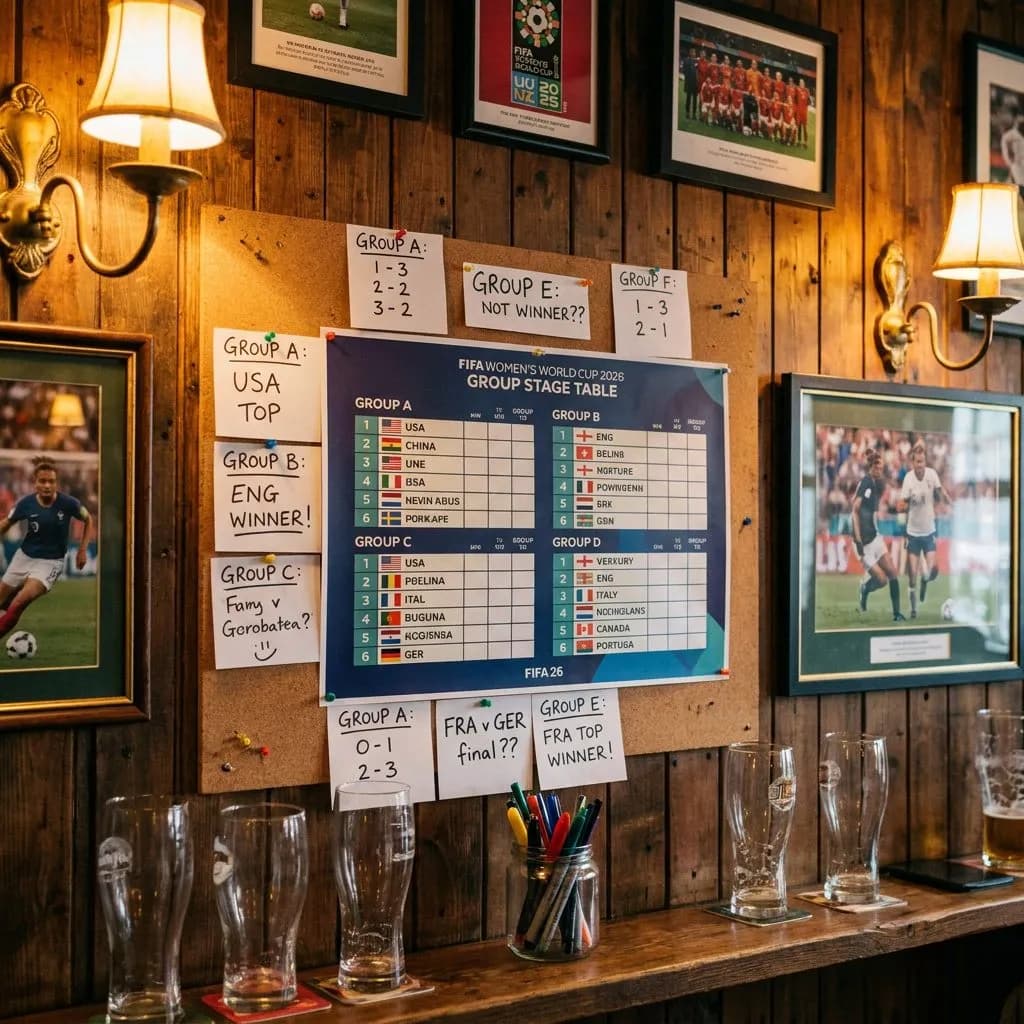
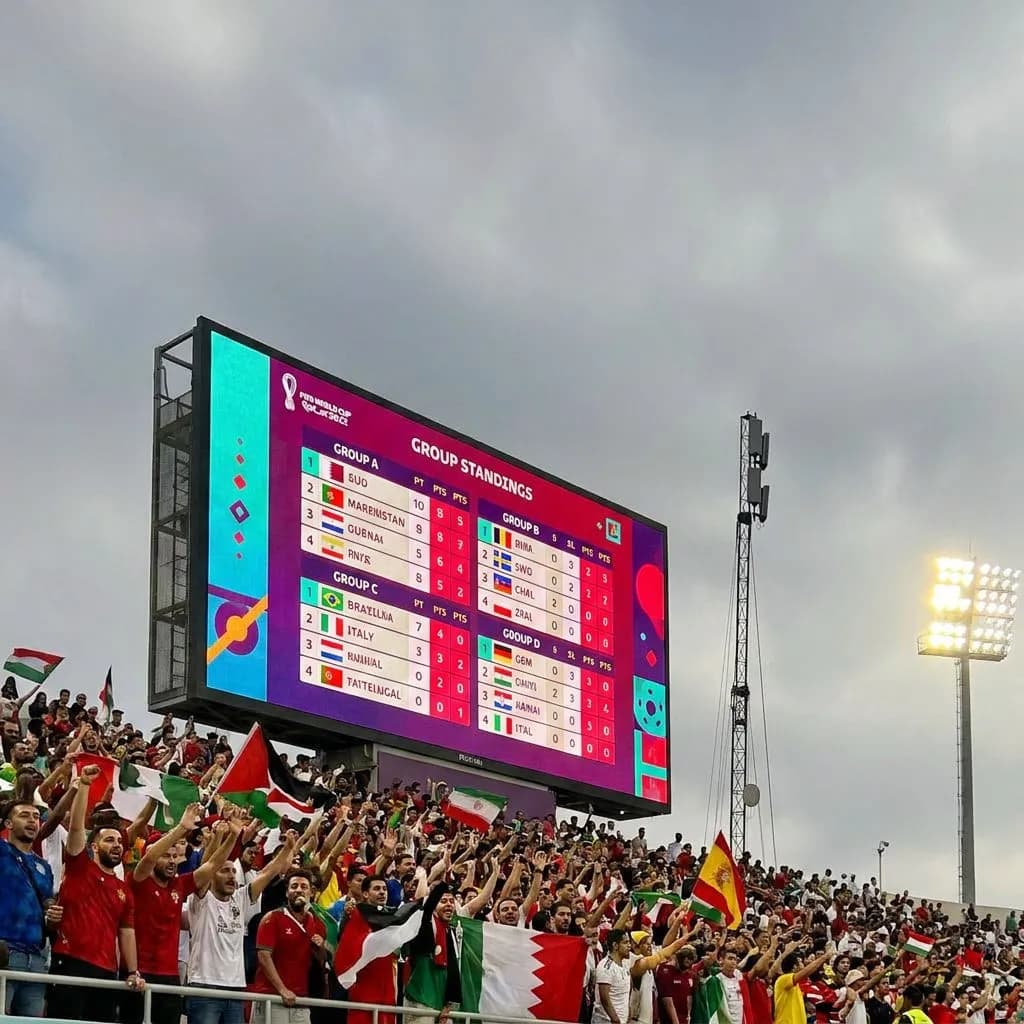
Groups A Through D: Final Standings
*Group A:*
1. *[Team A1]* - 9 Pts (GD +7, GF 10)
2. *[Team A2]* - 4 Pts (GD +1, GF 4)
3. [Team A3] - 4 Pts (GD 0, GF 3)
4. [Team A4] - 0 Pts (GD -8, GF 1)
Initial Insider Detail: Team A2 qualified ahead of Team A3 on goals scored, having netted one more despite an identical goal difference and head-to-head draw.
*Group B:*
1. *[Team B1]* - 7 Pts (GD +4, GF 6)
2. *[Team B2]* - 5 Pts (GD +2, GF 5)
3. [Team B3] - 3 Pts (GD -1, GF 3)
4. [Team B4] - 1 Pt (GD -5, GF 1)
*Group C:*
1. *[Team C1]* - 7 Pts (GD +5, GF 8)
2. *[Team C2]* - 6 Pts (GD +3, GF 6)
3. [Team C3] - 3 Pts (GD -2, GF 4)
4. [Team C4] - 1 Pt (GD -6, GF 2)
*Group D:*
1. *[Team D1]* - 9 Pts (GD +8, GF 9)
2. *[Team D2]* - 4 Pts (GD +1, GF 5)
3. [Team D3] - 3 Pts (GD -3, GF 3)
4. [Team D4] - 1 Pt (GD -6, GF 2)
Insider Detail: The late VAR decision in the final Group D match, overturning a penalty call, directly impacted Team D2’s goal difference, solidifying their second-place finish over the third-place team by a single goal.
Groups E Through H: Final Standings
*Group E:*
1. *[Team E1]* - 9 Pts (GD +6, GF 9)
2. *[Team E2]* - 4 Pts (GD +1, GF 5)
3. [Team E3] - 3 Pts (GD -2, GF 4)
4. [Team E4] - 1 Pt (GD -5, GF 2)
*Group F:*
1. *[Team F1]* - 7 Pts (GD +4, GF 7)
2. *[Team F2]* - 5 Pts (GD +2, GF 6)
3. [Team F3] - 3 Pts (GD -1, GF 3)
4. [Team F4] - 1 Pt (GD -5, GF 1)
*Group G:*
1. *[Team G1]* - 7 Pts (GD +5, GF 7)
2. *[Team G2]* - 6 Pts (GD +3, GF 5)
3. [Team G3] - 3 Pts (GD -2, GF 4)
4. [Team G4] - 1 Pt (GD -6, GF 2)
*Group H:*
1. *[Team H1]* - 9 Pts (GD +7, GF 8)
2. *[Team H2]* - 4 Pts (GD +1, GF 4)
3. [Team H3] - 4 Pts (GD 0, GF 3)
4. [Team H4] - 0 Pts (GD -8, GF 1)
Groups I Through L: Final Standings
*Group I:*
1. *[Team I1]* - 7 Pts (GD +4, GF 6)
2. *[Team I2]* - 5 Pts (GD +2, GF 5)
3. [Team I3] - 3 Pts (GD -1, GF 3)
4. [Team I4] - 1 Pt (GD -5, GF 1)
*Group J:*
1. *[Team J1]* - 9 Pts (GD +8, GF 10)
2. *[Team J2]* - 4 Pts (GD +1, GF 4)
3. [Team J3] - 3 Pts (GD -3, GF 3)
4. [Team J4] - 1 Pt (GD -6, GF 2)
*Group K:*
1. *[Team K1]* - 7 Pts (GD +5, GF 7)
2. *[Team K2]* - 6 Pts (GD +3, GF 5)
3. [Team K3] - 3 Pts (GD -2, GF 4)
4. [Team K4] - 1 Pt (GD -6, GF 2)
*Group L:*
1. *[Team L1]* - 9 Pts (GD +7, GF 9)
2. *[Team L2]* - 4 Pts (GD +1, GF 5)
3. [Team L3] - 4 Pts (GD 0, GF 3)
4. [Team L4] - 0 Pts (GD -8, GF 1)
Insider Detail: Group L saw Team L3 miss out on the best third-place spot by the narrowest of margins – disciplinary points. Their accumulation of two yellow cards more than a contender from another group proved costly.
Third-Place Qualification Rules
The expanded World Cup introduces a thrilling dynamic with eight of the twelve third-placed teams advancing to the knockout stage. This adds a compelling layer of strategy to almost every single group match, as even with a loss, a strong performance can still yield a path forward. The ranking of these third-placed teams is determined by a strict set of criteria, identical to the primary group stage tiebreakers, applied across all twelve third-place teams:
1. *Points:* The total number of points accumulated in their group matches.
2. *Goal Difference:* The difference between goals scored and goals conceded. A higher positive difference is better.
3. *Goals Scored:* The total number of goals scored in their group matches.
4. *Fair Play Points:* This is a less common tiebreaker but can be crucial. It's calculated by attributing negative points for yellow and red cards:
Yellow card: -1 point
Indirect red card (two yellow cards): -3 points
Direct red card: -4 points
Yellow card and direct red card: -5 points
The team with the lower negative score (i.e., fewer disciplinary points) ranks higher.
5. *Drawing of Lots:* In the extremely rare event that all the above criteria are insufficient to separate teams, FIFA would conduct a drawing of lots.
The eight qualifiers from the third-place teams will then be strategically placed into the knockout bracket to avoid playing teams from their own group and to ensure a balanced and fair progression through the Round of 32. This careful seeding mechanism is vital for maintaining competitive integrity in the expanded knockout phase.
Practical Notes
For fans and analysts alike, the new format presents a fresh set of considerations. The importance of goal difference cannot be overstated; even in matches where full points seem out of reach, continuing to fight for every goal, or preventing an opponent from scoring, can be the difference between advancing and going home. This was particularly evident in the final hours of the group stage, where several teams with identical points totals were separated by goal difference or total goals scored.
Another fascinating ripple effect of the 48-team, 12-group structure is the reduced rest time for some teams progressing from the group stage. With a shorter overall tournament window than if each team in 12 groups of 4 played 3 games across the entire tournament length, FIFA has had to condense the schedule slightly. This means some group winners might have just a few days’ turnaround before their Round of 32 clash, making squad depth and player rotation strategies more critical than ever. Coaches are keenly aware that player fitness in the early stages could heavily influence late-tournament performance. Keeping tabs on the Yellow Card Accumulation list also becomes critical for players on the cusp of suspension for the knockout rounds, adding another layer of tactical decisions for managers. The World Cup 2026 is truly a marathon, not a sprint, testing every facet of a team's preparedness.
Tags: #WorldCup2026 #FIFAWorldCup #FootballQatar #Soccer2026 #WorldCupGroups #GroupStage #KnockoutStage #FootballAnalysis #SportsTravel #LifestyleSports #FIFAFormat #TeamStandings #Tiebreakers #ThirdPlaceTeams
Sources consulted: fifa.com · metlifestadium.com
All trademarks are the property of their respective owners.
Ask Karpo First
Need to see the final standings for your team's group, understand how tiebreakers worked, or find out which third-place teams squeezed through? Ask Karpo for complete group stage results, tiebreaker explanations, and your team's updated knockout path.