The End of an Era, Visible in Every Match
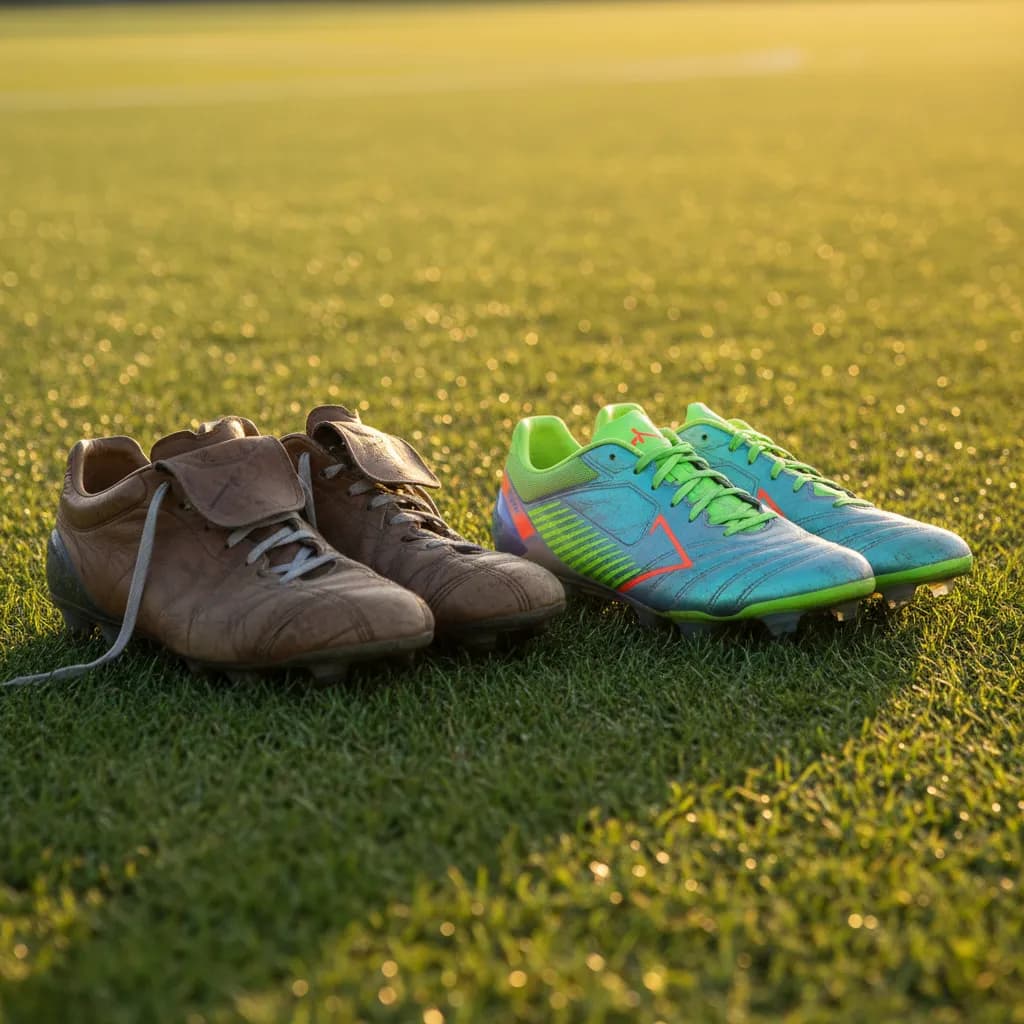
The 2026 World Cup is haunted by absence. Lionel Messi, who retired from international football after leading Argentina to the 2024 Copa America title, watches from a television studio in Miami where he serves as a pundit. Cristiano Ronaldo, at 41, is on the bench for Portugal more often than he starts, his body finally betraying the extraordinary will that has sustained a career spanning five World Cups. Neymar did not make Brazil's squad. The generation that defined football for two decades is either gone or fading. In their place, a new generation has emerged — younger, faster, less burdened by the weight of legacy, and playing with a freedom that makes this World Cup feel like the beginning of something entirely new.
Lamine Yamal: 17 and Already the Best Player in the Tournament
Spain's Lamine Yamal turned 17 during the group stage. Let that sentence settle. At an age when most teenagers are studying for exams, Yamal has scored two goals and provided three assists in four World Cup matches, playing with a composure and technical quality that belongs in a different age category. His performance against Argentina in the group stage — a match Spain won 2-1 — featured a goal that drew immediate comparisons to Messi's famous solo effort against Getafe. Yamal received the ball on the right wing, drifted inside past three defenders, and curled a left-footed shot into the far corner. The stadium in Dallas fell silent, then erupted. Even Argentine fans applauded. They recognized what they were watching: the arrival of the next transcendent talent.
Kobbie Mainoo: England's Youngest World Cup Midfielder Since 1958
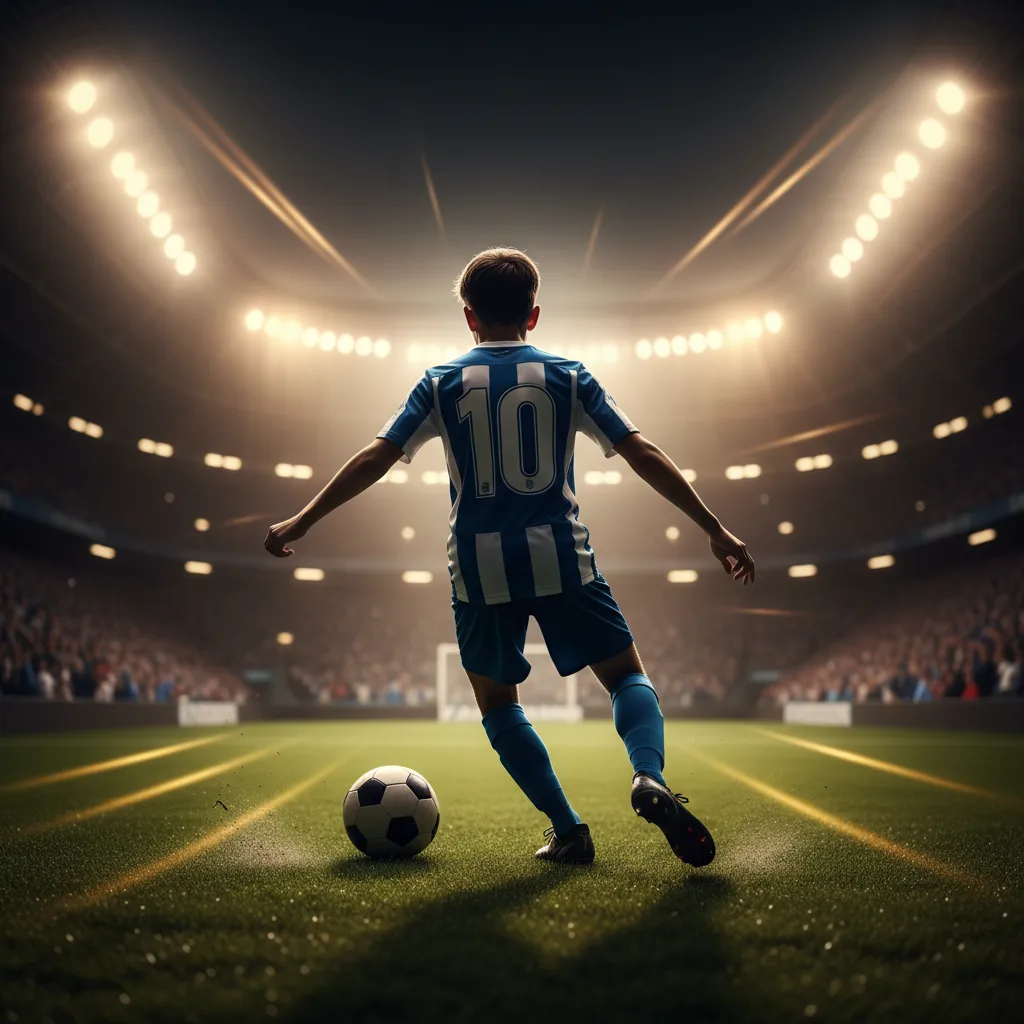
Kobbie Mainoo's inclusion in England's starting lineup was one of the most debated selection decisions of the tournament. At 21, the Manchester United midfielder was chosen ahead of Declan Rice and Jude Bellingham in England's midfield trio — a decision that raised eyebrows before the first ball was kicked. Four matches later, Mainoo has been England's best player. His ability to receive the ball under pressure, turn, and drive forward with purpose has given England a dynamism in midfield that they have lacked for a decade. His performance against Senegal in the group stage — 94% pass accuracy, three key passes, two tackles won — was described by Gary Neville as "the best individual midfield performance by an Englishman at a World Cup since Paul Gascoigne in 1990."
Endrick: The Weight of Expectation at 19
Not every member of the new generation has thrived. Endrick, the Real Madrid forward who was hailed as Brazil's future before the tournament, has struggled to make an impact. In four matches, he has played just 87 minutes as a substitute, with no goals and no assists. Ancelotti has preferred the experience of Vinicius Junior, Rodrygo, and Raphinha in his front three, leaving Endrick to watch from the bench. The contrast with Yamal — who is two years younger and has been decisive — has been stark. Brazilian media have been protective of Endrick, noting that his time will come, but the impatience of a footballing nation desperate for a new hero is palpable.
Ronaldo's Twilight: The World Cup as a Farewell Tour
Cristiano Ronaldo's presence at the 2026 World Cup is both inspiring and uncomfortable. At 41, he is the oldest outfield player in the tournament's history. He started Portugal's first group match against Ghana and was substituted at half-time after failing to register a single shot. Since then, he has appeared as a late substitute in two matches, contributing 47 combined minutes of football. His body language on the bench — restless, frustrated, occasionally coaching teammates from the sideline — tells the story of a champion who cannot accept that his time has passed. Portugal's coach Roberto Martinez has handled the situation with diplomatic skill, publicly praising Ronaldo's "leadership and experience" while clearly building his team around Rafael Leao and Bernardo Silva.
The Symbolic Handover
Football's generational transitions rarely happen cleanly. The 2006 World Cup was supposed to be Zinedine Zidane's last dance, and it ended with a headbutt. The 2014 tournament marked the beginning of Germany's new era while simultaneously witnessing Brazil's 7-1 humiliation. The 2026 World Cup's version of this transition is less dramatic but no less meaningful. Every match features a reminder that the game has moved on. The speed of Yamal, the composure of Mainoo, the raw power of players like Canada's Tajon Buchanan and Morocco's Ismael Saibari — these are not pale imitations of Messi and Ronaldo. They are something different. Something that belongs entirely to the present.
Tags: World Cup 2026, Lamine Yamal, Kobbie Mainoo, Cristiano Ronaldo, Lionel Messi, Endrick, generation gap, Spain, England, Portugal
Sources consulted: ESPN · CBS Sports · FIFA · Yahoo Sports
All trademarks, team names, league names, and player likenesses mentioned in this article are the property of their respective owners and are used here for informational and editorial purposes only.
Ask Karpo First
Want to compare the World Cup stats of the new generation against the legends? Ask Karpo for a side-by-side comparison of Yamal vs. Messi at 17, Mainoo's midfield metrics, and the complete list of youngest scorers in World Cup history.