The 2026 World Cup will span four time zones across three countries over 39 days, creating the most logistically complex tournament schedule in FIFA history. With 104 matches across 16 cities from Vancouver to Miami, fans will navigate everything from Pacific Standard Time to Eastern Time, with kick-offs ranging from 9 AM local starts to 10 PM night matches. The tournament opens June 11, 2026, with simultaneous matches in Mexico City, Toronto, and Los Angeles, while the final takes place July 19 at MetLife Stadium in New Jersey at 3 PM ET.
Group Stage Geography: West Coast to Atlantic
The 48-team group stage runs June 11-27 across all 16 venues, with each city hosting 4-6 matches. Pacific Time cities Vancouver, Seattle, San Francisco, and Los Angeles handle morning kick-offs at 9 AM, 12 PM, and 3 PM local time. These translate to primetime viewing in Europe and afternoon slots on the East Coast.
Central Time venues Kansas City, Dallas, Houston, Atlanta, and Monterrey operate on 10 AM, 1 PM, 4 PM, and 7 PM local windows. Mexico City sits one hour behind Central Time, creating unique scheduling considerations for Azteca Stadium matches.
Eastern Time cities Toronto, Boston, New York/New Jersey, Philadelphia, and Miami anchor evening programming with 11 AM, 2 PM, 5 PM, and 8 PM local starts. Guadalajara follows Mountain Time, two hours behind Eastern.
Round of 32 Through Quarterfinals: Stadium Elimination
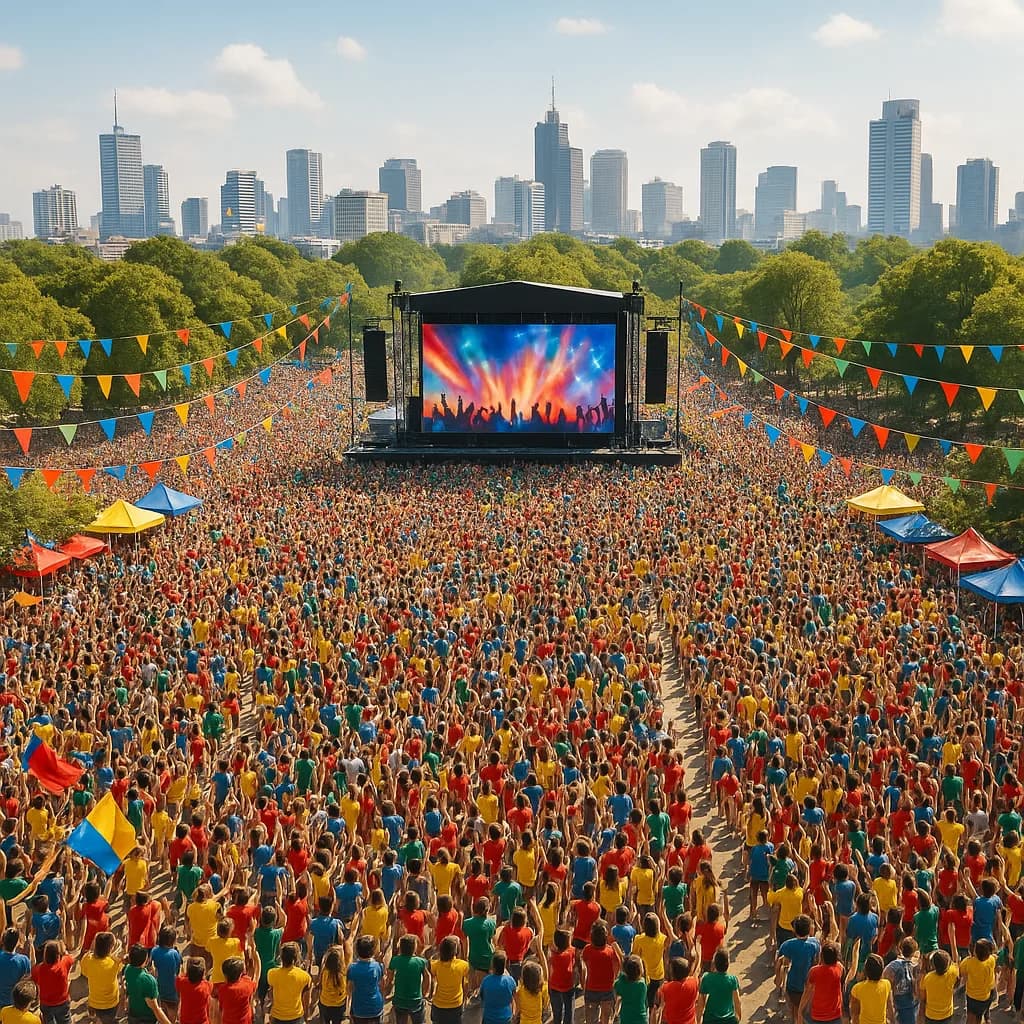
The Round of 32 (June 30-July 3) eliminates smaller venues, with matches concentrated in 12 cities. AT&T Stadium in Dallas, MetLife Stadium, and SoFi Stadium in Los Angeles host multiple knockout fixtures due to their 80,000+ capacities.
Round of 16 matches (July 6-9) further narrow to 8 venues: Vancouver, Seattle, Los Angeles, Kansas City, Dallas, Atlanta, Toronto, and Philadelphia. Each city hosts one match during this four-day window.
Quarterfinals (July 13-14) use four premium venues: SoFi Stadium, Arrowhead Stadium in Kansas City, Mercedes-Benz Stadium in Atlanta, and BMO Field in Toronto. These Saturday-Sunday matches all kick off at 3 PM and 7 PM ET to maximize global viewership.
Semifinal Weekend: Bicoastal Showdown
The semifinals take place July 16-17 at AT&T Stadium in Dallas and Mercedes-Benz Stadium in Atlanta, both in Central and Eastern time zones respectively for consistent North American primetime coverage. Tuesday's first semifinal kicks off at 8 PM ET in Atlanta, while Wednesday's second semifinal starts at 7 PM CT (8 PM ET) in Dallas.
This scheduling ensures both matches begin at 2 AM Central European Time, accommodating European broadcast partners while maintaining reasonable viewing windows across the Americas. The 24-hour gap between semifinals allows for maximum media coverage and travel logistics for advancing teams.
The Final Week: New York's Moment
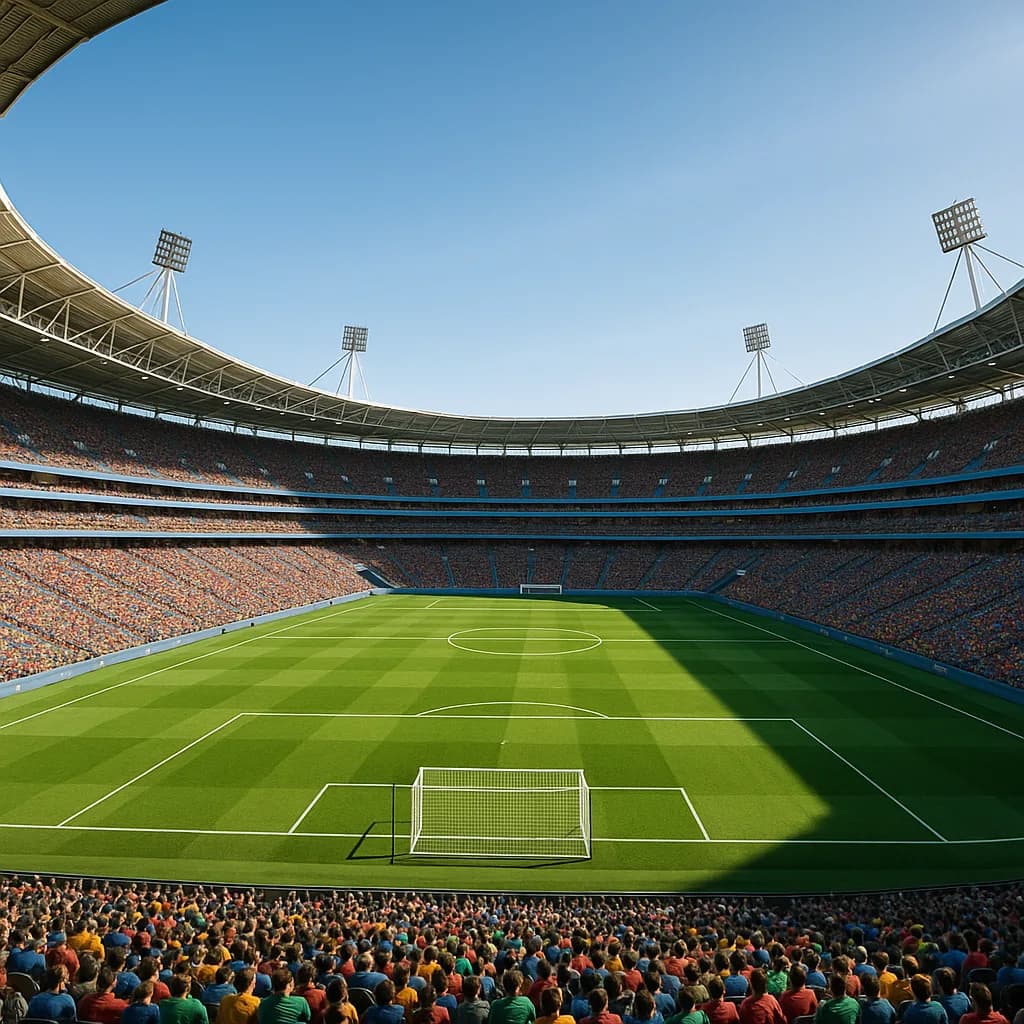
MetLife Stadium in East Rutherford, New Jersey hosts both the third-place playoff (July 18, 3 PM ET) and the final (July 19, 3 PM ET). This marks the first World Cup final in the New York metropolitan area and positions the climax during peak Sunday afternoon television viewing across North America.
The final's 3 PM Eastern start creates 12 PM Pacific coverage for West Coast viewers and 9 PM kicks off in Central Europe. FIFA selected this time slot over evening alternatives to maximize the global audience, particularly targeting the crucial 18-49 demographic across multiple continents.
July 19 represents exactly 39 days from the tournament opener, making 2026 the longest World Cup in history by duration, though still compact compared to the traditional 32-day calendar when accounting for the expanded format.
Time Zone Survival Guide
Four distinct time zones create unique challenges for traveling fans and broadcasters. Pacific venues run 3 hours behind Eastern cities, meaning a 9 AM Los Angeles kick-off equals noon in New York and 6 PM in Central Europe.
Mexico complicates calculations with Monterrey following Central Time, Mexico City on Central Time year-round (no daylight saving), and Guadalajara on Mountain Time. Canadian venues Vancouver and Toronto operate on Pacific and Eastern times respectively, identical to their US counterparts.
The most extreme scheduling gap occurs between Vancouver (Pacific) and Miami (Eastern): a 9 AM Vancouver start equals 12 PM in Miami. FIFA's master schedule accounts for these variations by staggering kick-offs to prevent direct conflicts between marquee group stage matches.
Practical Notes
Download FIFA's official fixture list with calendar integration for automatic time zone conversion to your local settings. Major sports apps including ESPN, Fox Sports, and Telemundo offer customizable alerts 30 minutes before kick-off with streaming links where available. Stadium-specific parking and public transit information becomes available 90 days before each venue's first match. International fans should note that June-July represents peak summer travel season across North America, requiring advance hotel bookings particularly in smaller markets like Kansas City and Atlanta. Mobile tickets become mandatory for all venues, with physical ticket options eliminated to streamline entry processes across the expanded tournament footprint.
Tags: #WorldCup2026 #FIFA2026 #WorldCupSchedule #Soccer2026 #FootballFixtures #WorldCupVenues #FIFA #MLS #CanadaMexicoUSA #WorldCupTickets #SoccerSchedule #Football2026 #WorldCupCalendar
Sources consulted: fifa.com · espn.com
All trademarks are the property of their respective owners.
Ask Karpo first
Want a personalized schedule synced to your time zone with kick-off alerts? Ask Karpo for your custom World Cup calendar and real-time fixture updates.