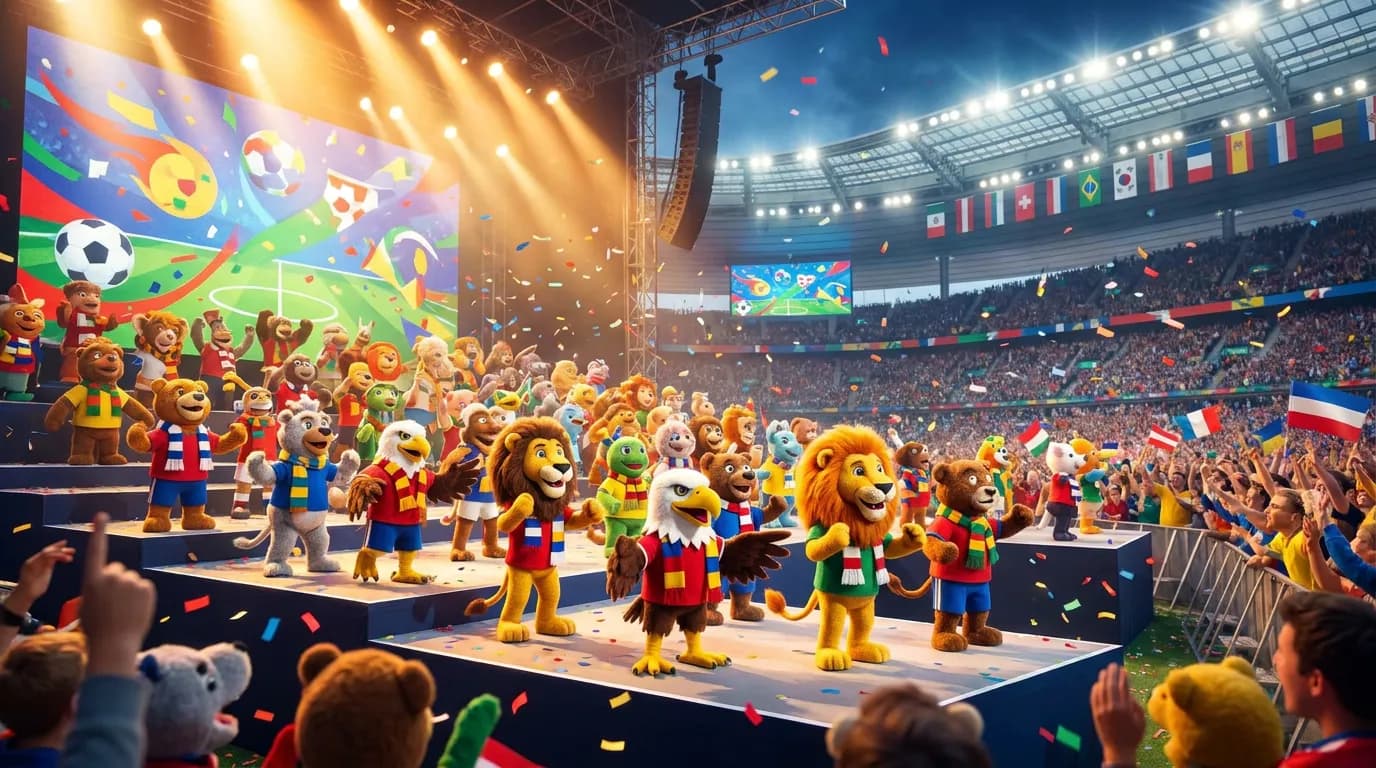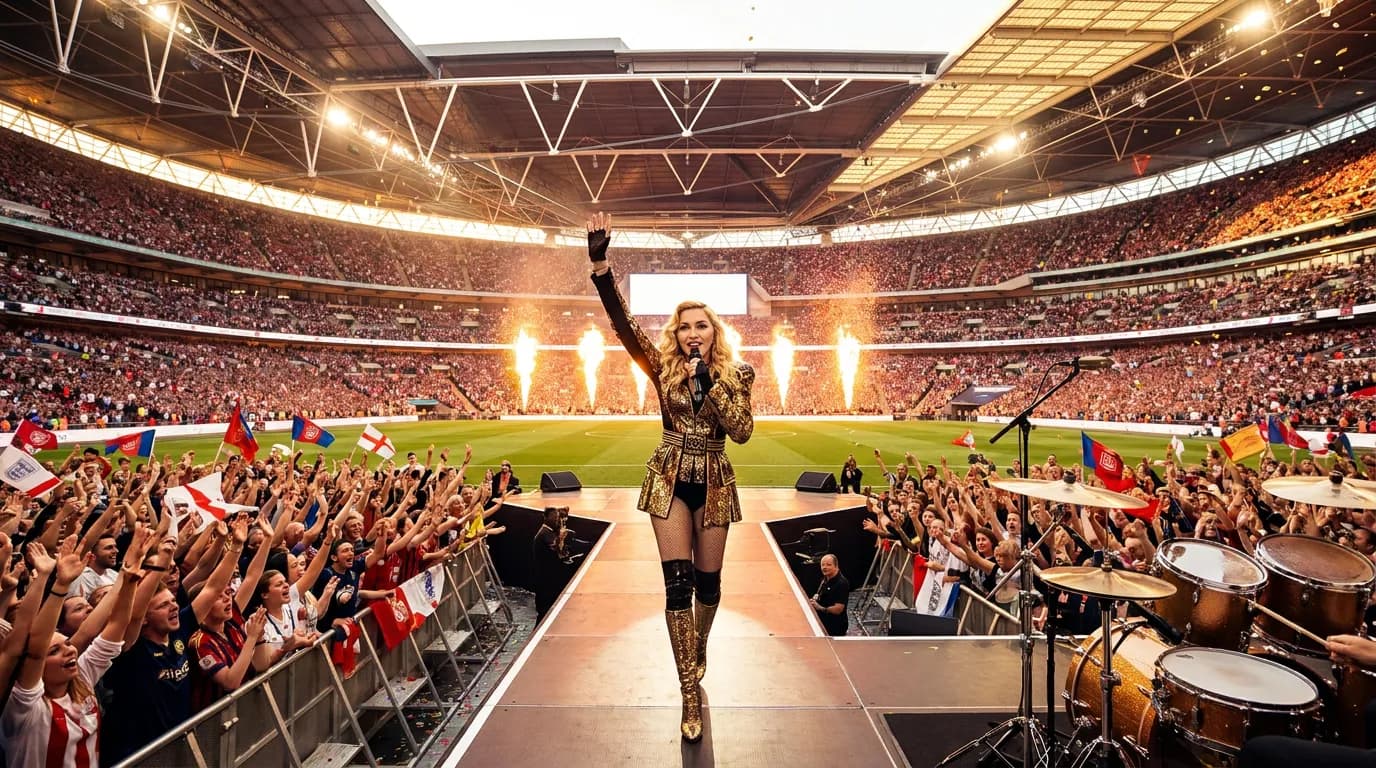
The roar of the crowd, the vibrant flags waving, the electrifying tension of a penalty shootout – these are the moments that forge lifelong memories. Imagine sharing that unparalleled thrill with your children, their eyes wide with wonder as their favorite team scores. The FIFA World Cup 2026 is set to be North America’s biggest sporting spectacle, a multi-city celebration spanning the US, Canada, and Mexico. For families, this presents a unique opportunity to combine the magic of world-class football with an unforgettable travel adventure. But navigating such a colossal event with little ones in tow requires planning and insider knowledge. This guide from Karpo provides an authoritative, yet accessible, roadmap for families, covering everything from ticketing nuances to sensory considerations, ensuring your World Cup experience is as seamless as it is spectacular.
Kids' Ticket Policies and Pricing
Understanding ticket policies for children is paramount. While FIFA has yet to finalize specific pricing tiers for the 2026 tournament, past World Cups offer a strong indication. Typically, children under the age of two at the time of the match do not require a ticket, provided they sit on an adult's lap. This "lap child" policy is standard across many major sporting events. However, it's crucial to verify the exact age cutoff closer to the ticket release dates, as this can vary slightly. For children aged two and above, a full-price ticket is almost always required, regardless of their size or whether they can occupy their own seat. There are generally no discounted children’s tickets for World Cup matches. Our advice? Plan to purchase a full-price ticket for any child who will be two years old or older on game day. Keep a close eye on official FIFA announcements and trusted ticketing partners for the definitive guidelines, expected to be released well in advance of the initial sales phases.
Accessibility and Wheelchair Seating at All Venues
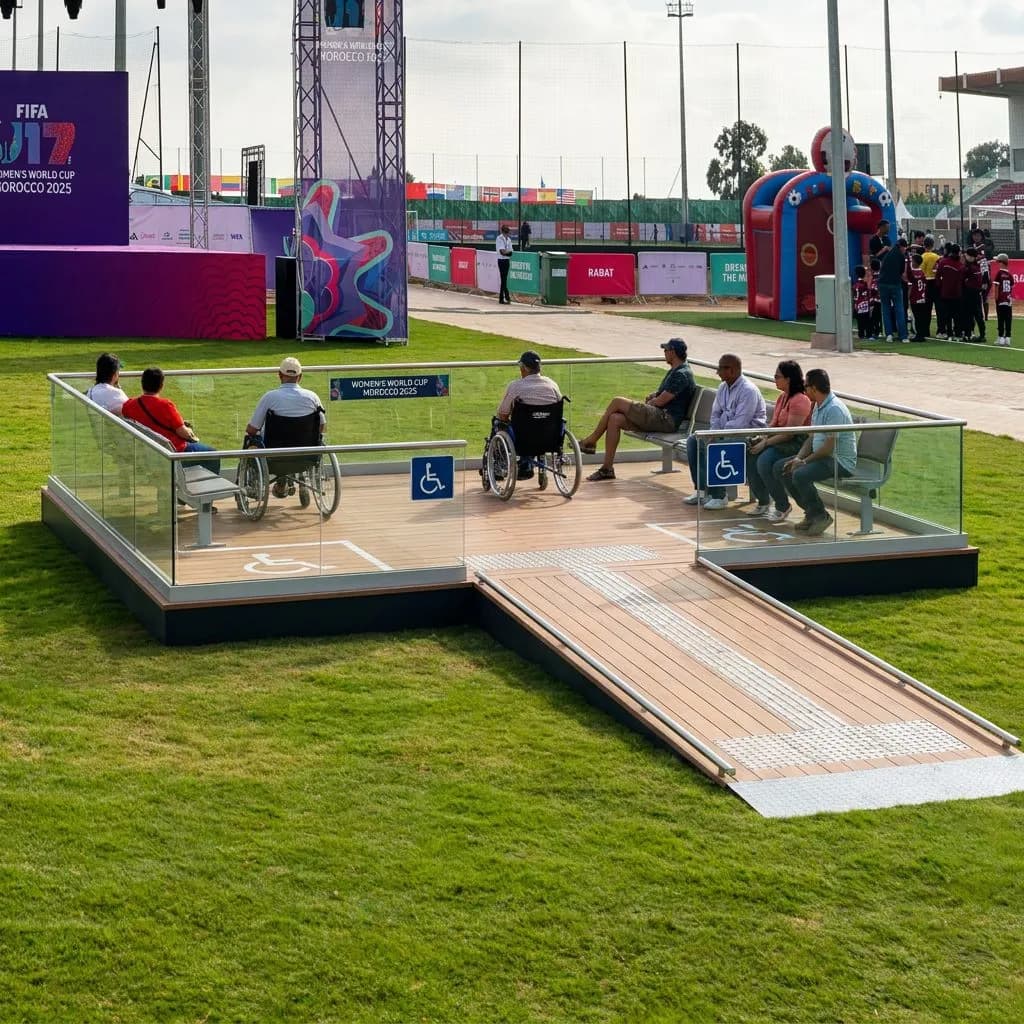
The 2026 World Cup promises to be the most inclusive tournament yet, with organizers making significant strides in ensuring accessibility for all fans. Each of the 16 host stadiums will feature dedicated wheelchair seating sections, strategically located to offer excellent sightlines. These sections are typically available through a specific ticketing category and often include an adjacent companion seat. Beyond wheelchair accessibility, stadiums are also enhancing general mobility access, with an emphasis on step-free routes, accessible restrooms, and clear directional signage. An insider tip: In many stadiums, particularly the newer builds like SoFi Stadium in Inglewood, California, "family restrooms" are often equipped with wider doors and more space, which can be invaluable for families coordinating a wheelchair or stroller. Check the individual stadium maps and accessibility guides, which Karpo can provide, once they become available. Early booking for accessible seats is highly recommended, as these highly sought-after tickets are often limited.
Sensory-Friendly Quiet Zones
Recognizing the diverse needs of fans, the World Cup 2026 organizing committee is committing to creating more inclusive environments, including sensory-friendly quiet zones. While not every stadium historically features these, the current trend in major sporting events points towards their inclusion. These designated spaces offer a calm, low-stimulation environment for individuals who may feel overwhelmed by the intense sensory input of a large crowd – the noise, lights, and constant movement. Think of them as a refuge with dim lighting, soft seating, and often ear defenders available. While specific locations and amenities for each venue are still being finalized, expect to find these zones strategically placed away from the main concourses. Look for them at significant stadiums like Arrowhead Stadium in Kansas City, known for its commitment to fan experience, or the state-of-the-art facilities like AT&T Stadium in Arlington, Texas. Families with children on the autism spectrum or those sensitive to loud noises will find these invaluable. Proactively search for "sensory room" or "quiet zone" information on the official stadium websites as the tournament approaches.
What to Pack for Kids on Match Day
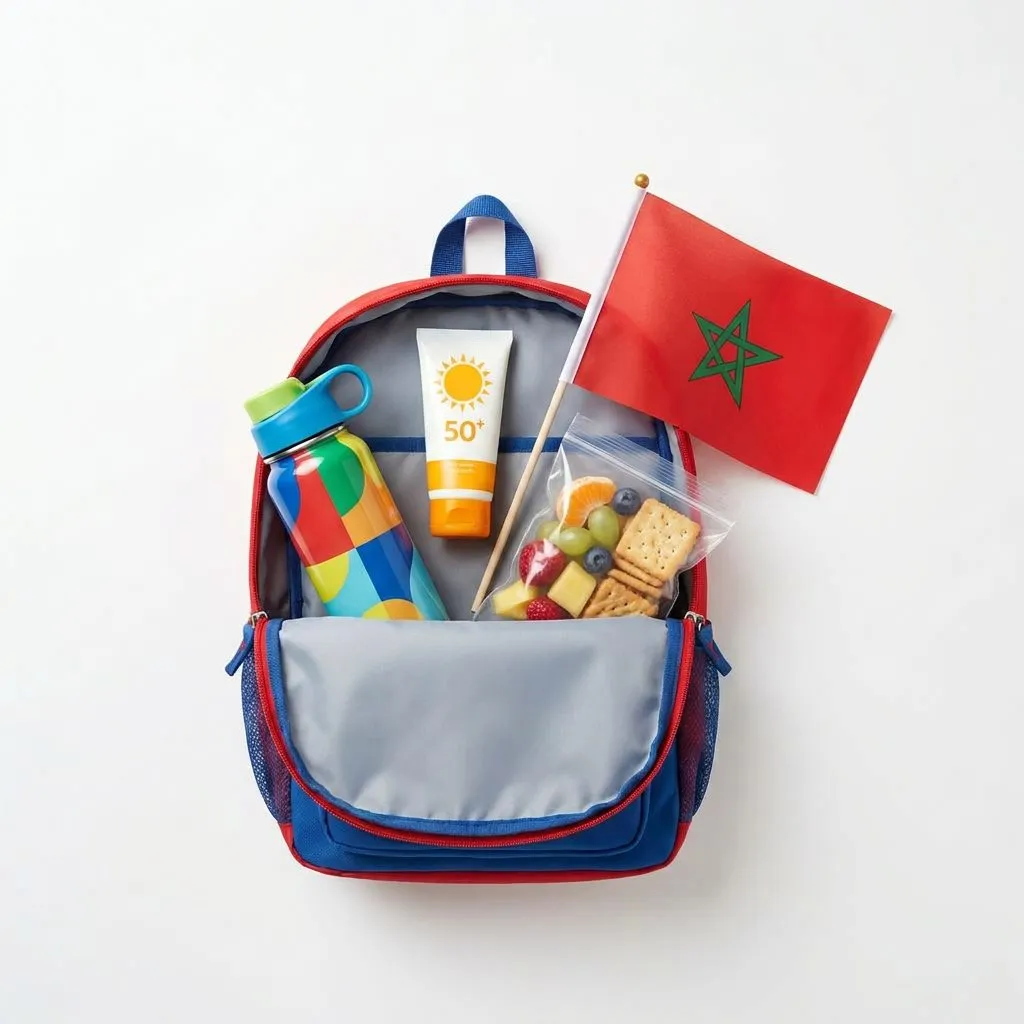
A well-packed bag is your secret weapon for a stress-free match day. Beyond the obvious tickets and identification, consider these essentials:
Ear Protection: Even adult fans benefit from earplugs, but for children, especially younger ones, noise-canceling headphones are a must. Stadium decibels can regularly exceed 100 dB.
Comfortable Clothing & Layers: Stadiums can have wildly different temperatures from outside, and games can span several hours. Pack layers, even if the forecast is warm. Sunscreen and hats are also non-negotiable for daytime matches.
Small Backpack: Allow your child to carry their own small backpack with a favorite soft toy, activity book, or small, non-perishable snack.
Portable Chargers: Your phone will be working overtime with photos, videos, and navigation. Keep it powered up.
Medication & First Aid: Pack any necessary prescription medication, along with basics like pain relievers, band-aids, and antiseptic wipes.
Water Bottles (Empty): Many stadiums allow empty, reusable water bottles, which can then be filled at water fountains inside.
Small, Non-Obtrusive Toys: Think fidget spinners, small puzzle books, or coloring pads. Avoid anything that makes noise or can become a projectile.
Family-Friendly Food Options Inside Stadiums
While traditional stadium fare like hot dogs and nachos will always be available, World Cup host cities are keenly aware of the need for diverse and family-friendly food options. Expect a broader array of choices beyond the standard. Many venues, particularly those in larger metropolitan areas such as New York/New Jersey's MetLife Stadium or Toronto's BMO Field, will likely feature food stands catering to dietary restrictions (gluten-free, vegetarian) and healthier alternatives like fruit cups, yogurt, and wraps. Some stadiums are also embracing local culinary trends, offering a taste of the host city. An insider detail to look for: dedicated "kid's combo" meals, which often include a smaller portion, a healthy side, and a drink, often at a slightly reduced price. These are usually advertised clearly near concession stands. Always check the individual stadium's bag policy regarding outside food and drink well before you arrive.
Practical Notes
Pram/Stroller Policy: Most stadiums have strict rules regarding strollers. While smaller, collapsible strollers might be allowed, larger prams are often prohibited. Consider a baby carrier for infants.
Bag Policy: Be intimately familiar with each stadium's bag policy. Typically, only clear bags (up to a certain size) and small clutches are permitted. This is a non-negotiable security measure.
Arrival Time: Arrive early! With security checks, navigating crowds, and finding your seats, you'll need ample time, especially with children. Aim for at least 90 minutes before kick-off.
Restroom Locations: Familiarize yourself with restroom locations near your seats.
Merchandise: Plan for souvenir purchases, but manage expectations. Official FIFA World Cup merchandise kiosks will be plentiful, but also crowded and often pricey. Consider setting a budget beforehand.
Mobile Ticketing: The World Cup 2026 will heavily rely on mobile ticketing. Ensure your phone is charged, and you have downloaded your tickets to your digital wallet *before* you arrive at the stadium, especially in areas with potentially spotty cell service.
Tags: #WorldCup2026 #FIFAWorldCup #FamilyTravel #KidsTravel #StadiumGuide #AccessibleTravel #SensoryFriendly #FootballFans #SoccerMom #WorldCupUSA #WorldCupCanada #WorldCupMexico #TravelWithKids #SportingEvents #FamilyVacation
Sources consulted: fifa.com · metlifestadium.com
All trademarks are the property of their respective owners.
Ask Karpo First
Wondering if your toddler needs a ticket, where the quiet zones are at MetLife Stadium, or which venue has the best family concessions? Ask Karpo for a family-friendly stadium guide, accessibility maps, and a packing checklist tailored to your kids' ages.