 Haaland Has Seven Goals and Norway Runs Entirely Through Him
⚽️2026 FIFA WORLD CUP
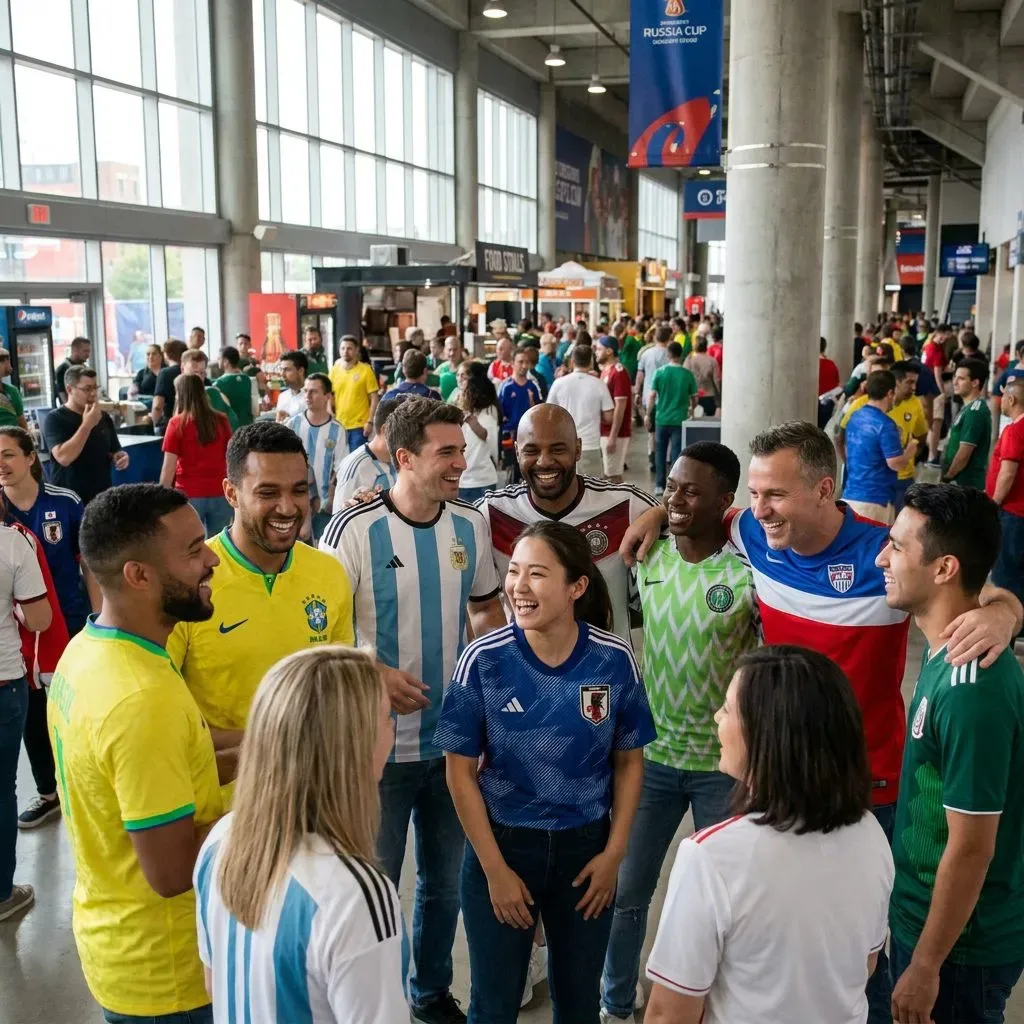
World Cup 2026 Bilingual Fan Guide: Spanish-English Stadium Tips for a Tri-Country Tournament
With matches in the US, Mexico, and Canada, speaking even basic Spanish or English unlocks better food, faster directions, and friendlier encounters at every venue.
The roar of the crowd, the electric anticipation, the vibrant colors of nations united—it's the universal language of football, about to descend upon North America in an unprecedented wave. In 2026, the FIFA World Cup will leap across three countries, bringing its dizzying spectacle to the United States, Canada, and Mexico. For the millions of fans gearing up for this monumental event, navigating language barriers will be part of the adventure. Whether you're a seasoned globetrotter or a first-time international traveler, understanding a few key phrases in Spanish and English will elevate your experience from merely watching the game to truly immersing yourself in the global celebration. This comprehensive bilingual fan guide is your essential companion, ensuring you're ready for every goal, every chant, and every unforgettable moment across the diverse host cities.
Updated August 2026: World Cup schedules, stadium policies, player statistics, broadcast details, and post-match records can change quickly. Check the linked FIFA, stadium, broadcaster, or tournament sources in the Sources section before using this guide for travel, tickets, viewing plans, or factual citation.
Key Spanish Phrases for US and Canadian Venues
Even within the primarily English-speaking terrains of the US and Canada, you'll encounter a significant Spanish-speaking presence, especially in stadium areas, hospitality zones, and amongst fellow fans. Knowing a few Spanish phrases can lead to warmer interactions and smoother experiences.
Greetings & Politeness:
*Hola:* Hello
*Buenos días/noches:* Good morning/night
*Por favor:* Please
*Gracias:* Thank you
*De nada:* You're welcome
*Disculpe:* Excuse me (to get attention or for apologies)
Navigation & Information:
*¿Dónde está...?*: Where is...?
*...el baño?*: ...the restroom?
*...la salida?*: ...the exit?
*...mi asiento?*: ...my seat?
*¿Habla inglés?*: Do you speak English?
*No entiendo*: I don't understand
*¿Cuánto cuesta?*: How much does it cost?
Fan Culture:
*¡Vamos [equipo]!*: Let's go [team]!
*¡Gol!*: Goal! (Pronounced "gol" as in "goal")
*¡Qué partidazo!*: What a great match!
Insider Tip: When asking for directions within stadiums, particularly in larger American venues, staff might use "concourse" or "section" numbers. Try combining your Spanish phrase with the English term if you're stuck, e.g., "¿Dónde está el Section 212?"
Key English Phrases for Mexico Venues
For fans traveling to Mexico, English will be useful for interacting with stadium staff, vendor, and tourists, though making an effort with Spanish is always appreciated. Many areas catering to international visitors will have English speakers, but proficiency can vary.
Greetings & Politeness:
*Hello:* Hola
*Good morning/evening:* Buenos días/noches
*Please:* Por favor
*Thank you:* Gracias
*You're welcome:* De nada
*Excuse me:* Disculpe
Navigation & Information:
*Where is...?*: ¿Dónde está...?
*...the restroom?*: ...el baño?
*...the exit?*: ...la salida?
*...my seat?*: ...mi asiento?
*Do you speak Spanish?*: ¿Habla español?
*I don't understand:* No entiendo
*How much is it?*: ¿Cuánto cuesta?
Fan Culture:
*Go [team]!*: ¡Vamos [equipo]!
*Goal!*: ¡Gol!
*What a game!*: ¡Qué partidazo!
Insider Tip: In Mexico, particularly outside of major tourist hubs, "Mande?" is a polite and common way to ask someone to repeat themselves or to acknowledge that you heard them, similar to "Pardon?" or "Yes?" in English, but it's more deferential.
Stadium Signage Language by City
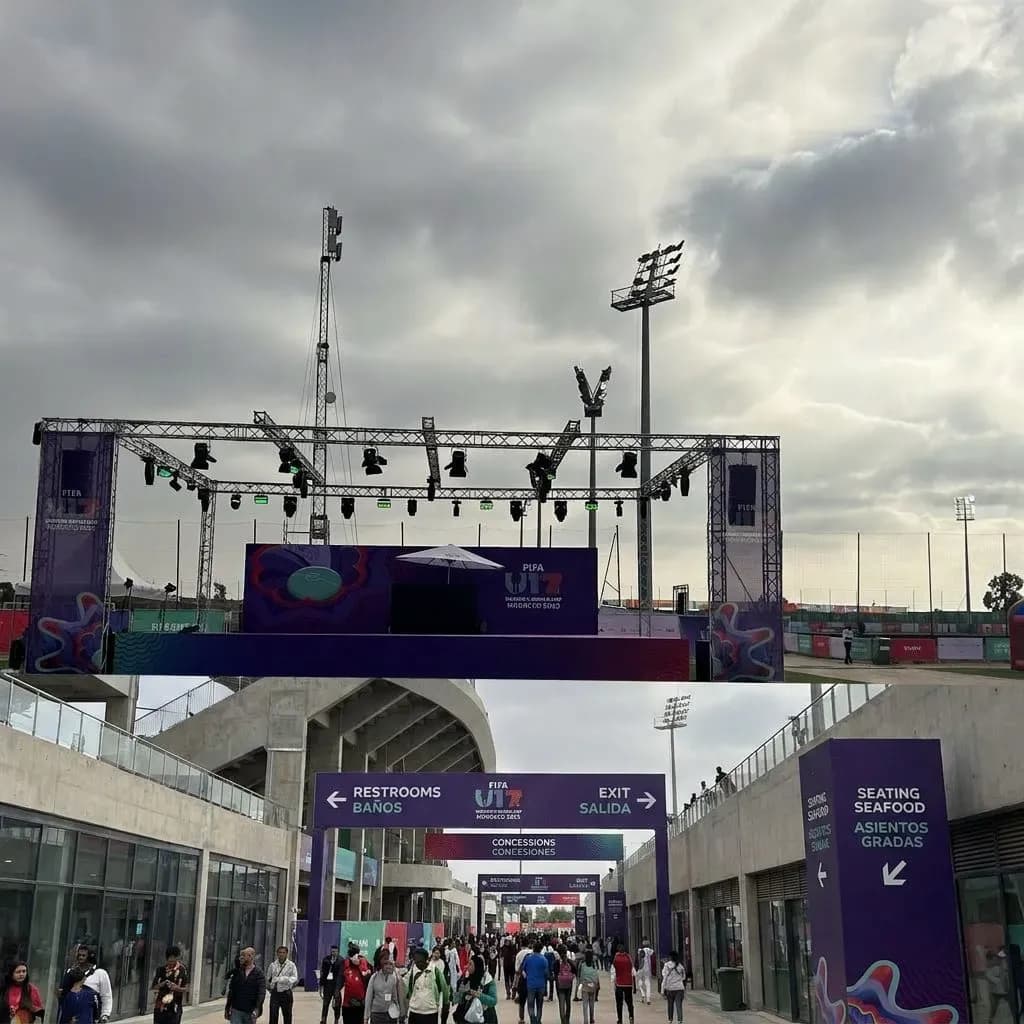
The linguistic landscape of stadium signage will be a mix across the three host countries, but with some predictable patterns.
US Venues: Signage will predominantly be in English. Expect some key areas (restrooms, exits, first aid) to also feature Spanish translations, particularly in cities with significant Hispanic populations like Miami, Dallas, Los Angeles, and Houston.
Canadian Venues: Toronto and Vancouver will primarily use English signage, with essential information often appearing in French as well, due to Canada's official bilingual status. Spanish translations are less common on permanent signage but might appear on temporary event-specific placards.
Mexican Venues: Estadio Azteca (Mexico City), Estadio Akron (Guadalajara), and Estadio BBVA (Monterrey) will feature Spanish as the primary language for all permanent signage. Expect important directional and safety information to also be in English, especially for the World Cup, to accommodate international visitors.
Insider Tip: Look for universal pictograms on signs. The international symbols for restrooms, food, and exits are consistent globally and will be your best friends regardless of the written text.
Food Ordering in Both Languages
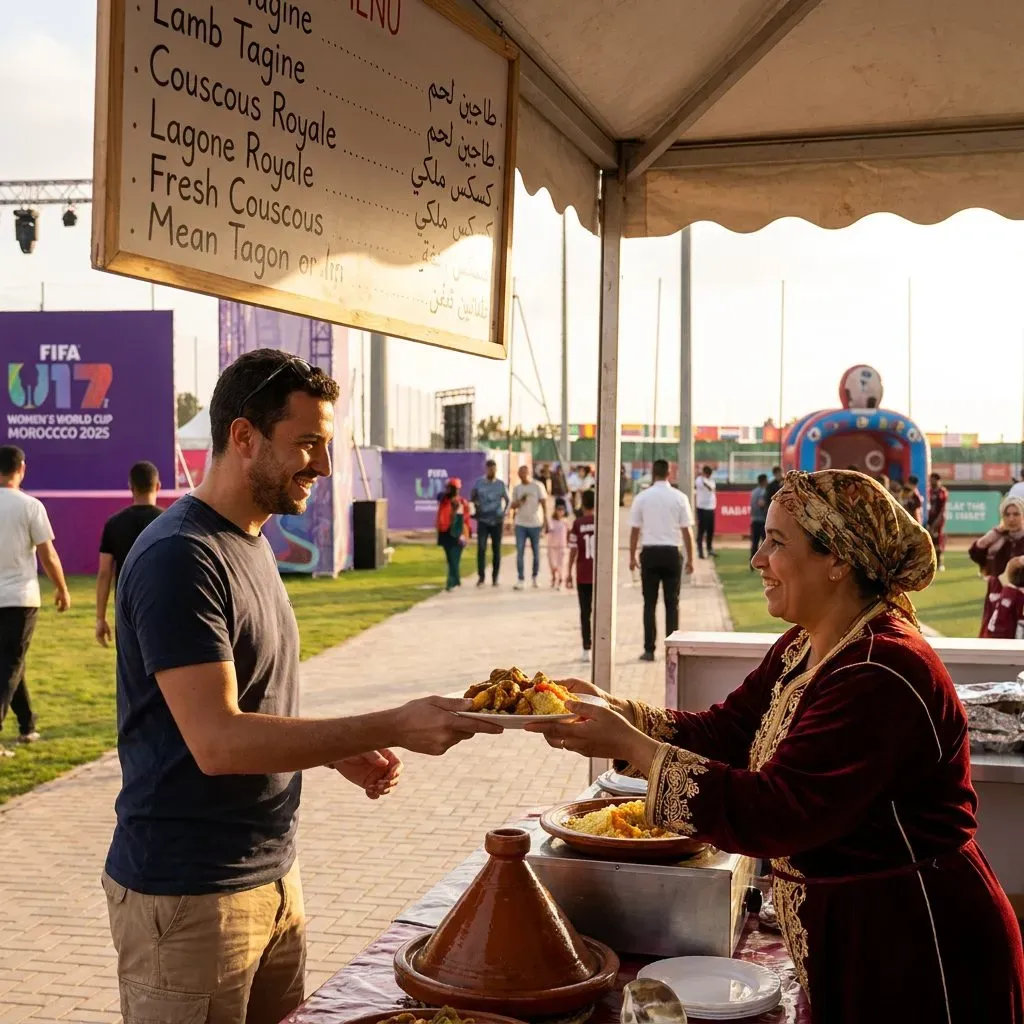
Savoring local flavors is a massive part of the World Cup experience. Knowing how to order your stadium snacks and drinks will be crucial.
Spanish for US/Canada (for Spanish-speaking vendors):
*Quiero un/una...*: I want a... (for male/female nouns)
*¿Tiene...?*: Do you have...?
*...agua*: water
*...cerveza*: beer
*...refresco*: soda/soft drink (or brand names like *Coca-Cola*)
*...hot dog*: hot dog (often understood)
*...nachos*: nachos (widely understood)
*...taco*: taco
*...para llevar*: to go/take away
*...para aquí*: for here
English for Mexico (for English menu users):
*I'd like a...*: Quiero un/una...
*Do you have...?*: ¿Tiene...?
*...water*: agua
*...beer*: cerveza
*...soda*: refresco
*...taco al pastor*: (local specialty - pork tacos with pineapple)
*...quesadilla*: quesadilla
*...churros*: churros (sweet fried dough)
*...for here/to go*: para aquí/para llevar
Emergency and Safety Vocabulary
While everyone hopes for a smooth trip, being prepared for emergencies is vital.
Spanish:
*Ayuda*: Help
*¡Socorro!*: Help! (More urgent call for help)
*Necesito un médico*: I need a doctor
*Llame al 911 (US/Canada)/911 (Mexico)*: Call 911 (Emergency number shared across North America)
*Estoy perdido/a*: I am lost (masculine/feminine)
*Cuidado*: Be careful/Watch out
*¿Dónde está la estación de policía?*: Where is the police station?
English:
*Help*: Ayuda
*I need a doctor*: Necesito un médico
*Call 911*: Llame al 911
*I am lost*: Estoy perdido/a
*Be careful*: Cuidado
*Where is the police station?*: ¿Dónde está la estación de policía?
Practical Notes
Translation Apps: Download an offline translation app (like Google Translate or DeepL) before you travel. They can be invaluable for more complex conversations.
Gestures: Don't underestimate the power of gestures. Pointing, miming, and smiling can bridge many linguistic gaps.
Slow Down: If someone is struggling to understand you, speak slowly and clearly, avoiding slang.
Local Etiquette: When visiting Mexico, a polite "Buenos días/tardes/noches" upon entering a shop or engaging with a vendor goes a long way. In all countries, a simple "please" and "thank you" are universally appreciated.
Currency: While this guide focuses on language, remember the different currencies: US Dollar (USD), Canadian Dollar (CAD), and Mexican Peso (MXN). Be aware of exchange rates and credit card acceptance. For Mexico, carrying some pesos for smaller vendors is advisable.
This tri-country World Cup is more than just a series of games; it's a magnificent cultural exchange. By learning a few key phrases, you're not just preparing for efficiency, but enriching your entire experience, connecting with fellow fans and locals, and building memories that truly span borders.
Tags: #WorldCup2026 #FIFAWorldCup #FootballIsLife #NorthAmerica2026 #BilingualFan #TravelTips #StadiumGuide #SpanishForTravel #EnglishForTravel #FIFAFanFest #SoccerCulture #InternationalTravel #GameDayReady #KarpoGuide
Sources consulted: fifa.com (https://www.fifa.com/fifaplus/en/tournaments/mens/worldcup/canadamexicousa2026) · estadioazteca.com.mx (https://www.estadioazteca.com.mx)
All trademarks are the property of their respective owners.
Ask Karpo First
Need help ordering in Spanish at Estadio Azteca, want to learn the key English phrases for navigating MetLife, or looking for a bilingual guide to stadium signage? Ask Karpo for instant translation tips, city-specific language guides, and cultural etiquette for each host country.
Ask Karpo for more information.
Keep reading
- Haaland Has Seven Goals and Norway Runs Entirely Through Him
 World Cup Trophy Ceremony Timing Medals and Postmatch Celebrations
 Olise and France's Attack: The Semifinal Tactical Question