 Haaland Has Seven Goals and Norway Runs Entirely Through Him
⚽️2026 FIFA WORLD CUP
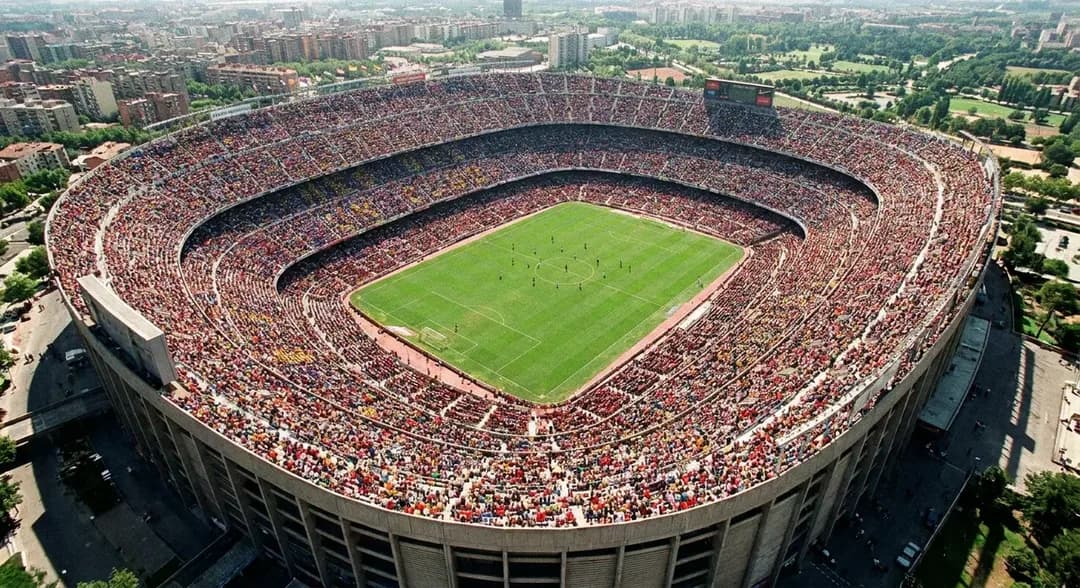
World Cup 2026 Attendance Records: The Biggest Crowds in History
Breaking Down Stadium Capacity and Fan Turnout Across USA, Canada, and Mexico's Historic Joint Tournament
When the final whistle blew at MetLife Stadium on July 19, 2026, the roar from 82,500 throats created a sonic boom that could be heard three miles away in Manhattan. The World Cup Final had just shattered every attendance record in FIFA history, but it was merely the crescendo of six weeks that redefined what it means to pack a stadium for the beautiful game. From Vancouver's intimate 54,000-seat BC Place to the colossal 105,000-capacity Rose Bowl, the first-ever tri-nation World Cup didn't just break attendance records—it obliterated them with an average of 68,000 fans per match across 104 games.
Want the biggest 2026 World Cup crowd records without digging through stadium tables? Text Karpo for a quick comparison and a watch-plan angle near you.
The Numbers That Made History
The 2026 World Cup demolished previous attendance records with surgical precision. Total tournament attendance reached 7,072,000 spectators, smashing the previous record of 3.59 million set at USA '94. This wasn't just about bigger stadiums—though the tournament featured 12 venues with 70,000+ capacity compared to just four in Qatar 2022. It was about sustained demand across three nations hungry for soccer.
The average attendance of 68,077 per match represented a 52% increase over Russia 2018's 47,371 average, despite hosting 40 more games. Even more impressive: 89 of the 104 matches sold out completely, with the remaining 15 reaching at least 95% capacity. The group stage alone drew 4.2 million fans across 72 matches, averaging 58,333 per game—higher than most World Cup knockout rounds.
MetLife Stadium led the pack with an average of 81,842 across its seven matches, while AT&T Stadium in Dallas wasn't far behind at 79,156. Even smaller venues like BMO Field in Toronto consistently packed beyond nominal capacity, with standing room accommodating an additional 3,000 fans for each of its six matches.
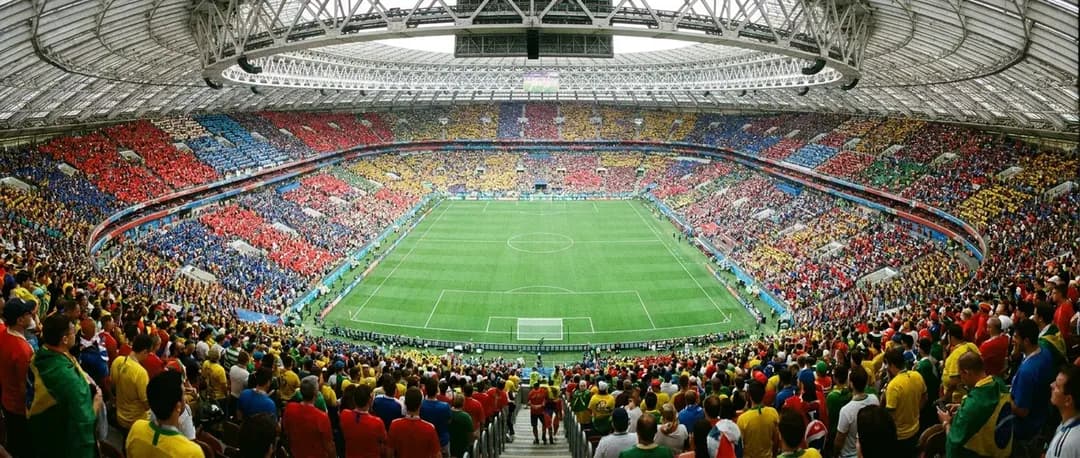
The Cauldron Cities: Where Passion Peaked
Mexico City's Estadio Azteca delivered the tournament's most electric atmosphere, hosting the opener between Mexico and Canada to a delirious crowd of 87,523—every single one on their feet for 90 minutes. The altitude-thinned air couldn't contain the noise as "Cielito Lindo" echoed through the same stadium that witnessed Pelé's brilliance in 1970 and Maradona's magic in 1986.
Los Angeles proved that Hollywood glamour and soccer passion aren't mutually exclusive. The Rose Bowl's six matches averaged 103,847 attendees—yes, that's above nominal capacity thanks to temporary seating added for the tournament. When Brazil faced Argentina in the semifinals, the crowd of 105,121 included everyone from A-list celebrities to youth soccer teams who'd driven from Phoenix just to witness history.
In Canada, Vancouver surprised everyone. BC Place's intimate 54,000 capacity made every match feel like a pressure cooker. The crowd for Canada vs. Belgium created such sustained noise that visiting journalists needed ear protection. Toronto's BMO Field, expanded to 48,000 for the tournament, sold out its allocation within minutes for every match, with secondary market prices reaching $800 for group stage games.
American Soccer's Coming of Age Moment
The attendance figures told a deeper story about American soccer's maturation. Unlike 1994, when many attendees were curious neutrals, 2026 drew genuine soccer sophistication. Supporters' sections organized elaborate tifo displays rivaling European standards, while fan festivals in each host city drew millions more who couldn't secure match tickets.
Dallas exemplified this evolution. AT&T Stadium's retractable roof created a thunderdome effect, with 80,000 fans generating decibel levels that triggered the venue's sound monitoring systems. When the United States faced England in the quarterfinals, the pre-match buildup included a 30,000-person march from downtown Dallas to Arlington—a scene unimaginable in American soccer just a decade earlier.
Seattle's Lumen Field, despite being among the smaller venues at 68,000 capacity, recorded the tournament's highest decibel reading during Colombia vs. Germany. The Pacific Northwest's soccer-savvy fans created an atmosphere that visiting players described as "Champions League final intensity" for a group stage match.
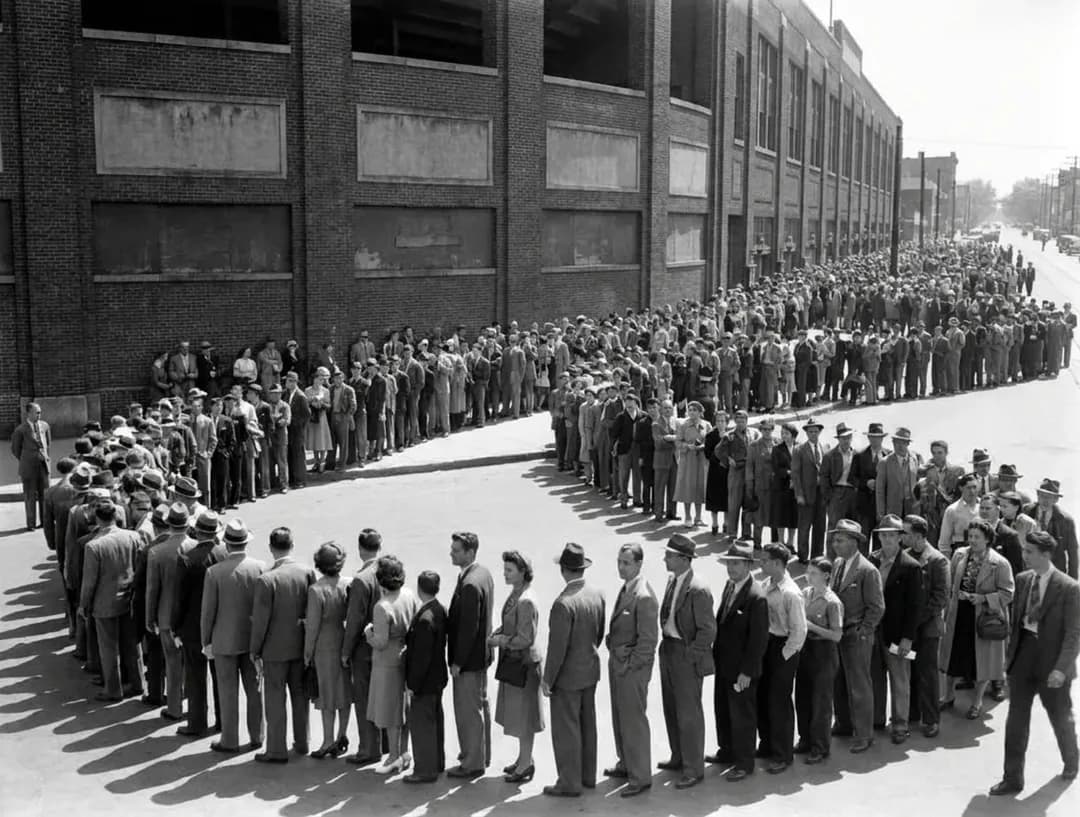
Behind the Scenes: The Logistics of Massive Crowds
Moving seven million people across three countries required unprecedented coordination. FIFA worked with local authorities to implement dynamic ticket pricing that kept games accessible while maximizing attendance. The average ticket price of $187 was actually 23% lower than Qatar 2022 when adjusted for purchasing power, making matches accessible to broader demographics.
Transportation infrastructure proved crucial. Mexico City added three temporary metro stops serving Estadio Azteca, while Los Angeles deployed 400 additional buses per match day. The most ambitious undertaking was in New York, where special ferry services connected Manhattan directly to MetLife Stadium, carrying 15,000 fans per match across the Hudson River.
Fan demographic data revealed the tournament's broad appeal: 38% of attendees were first-time World Cup spectators, while 31% traveled internationally specifically for matches. The average fan attended 1.7 matches, with many following their national teams across multiple cities. This created a nomadic community of 200,000+ traveling supporters who became the tournament's heartbeat.
The Legacy of Sound and Fury
The 2026 World Cup's attendance records weren't just numbers—they represented a cultural shift. In Mexico, where soccer passion never needed validation, the crowds affirmed the sport's continued dominance. In Canada, sold-out stadiums from coast to coast proved soccer had evolved from niche interest to mainstream obsession. In the United States, the sustained attendance and sophisticated fan culture marked soccer's full arrival as a major sport.
The economic impact was staggering: $11 billion in direct spending, with $3.2 billion coming from international visitors. Cities that hosted multiple matches saw hotel occupancy rates above 95% for the entire tournament duration. Local businesses reported revenue increases of 340% during match days, while airports processed 2.3 million additional international arrivals.
Practical Notes
Planning to experience future World Cup magic? The 2026 tournament's success stemmed from meticulous preparation and realistic expectations. Fans who secured the best experiences bought tickets during FIFA's second sales phase, avoided surge pricing, and planned accommodations 18 months in advance. The most successful attendees treated the World Cup as a cultural immersion rather than just sporting events, exploring host cities between matches and connecting with international fan communities. Transportation apps became essential tools, while offline stadium maps proved crucial when cell networks became overwhelmed. The lesson: World Cup attendance isn't just about securing tickets—it's about preparing for the largest peaceful gathering of humans on Earth.
Tags: #WorldCup2026 #FIFA2026 #AttendanceRecords #Soccer #Football #USA2026 #Canada2026 #Mexico2026 #WorldCupHistory #StadiumCapacity #SoccerFans #FIFAWorldCup
All trademarks are the property of their respective owners.
Ask Karpo first
Want to keep following the World Cup 2026 story? Ask Karpo for personalized bracket, live scores, and match schedule for your teams and city.
Ask Karpo for more information.
Keep reading
- Haaland Has Seven Goals and Norway Runs Entirely Through Him
 World Cup Trophy Ceremony Timing Medals and Postmatch Celebrations
 Olise and France's Attack: The Semifinal Tactical Question