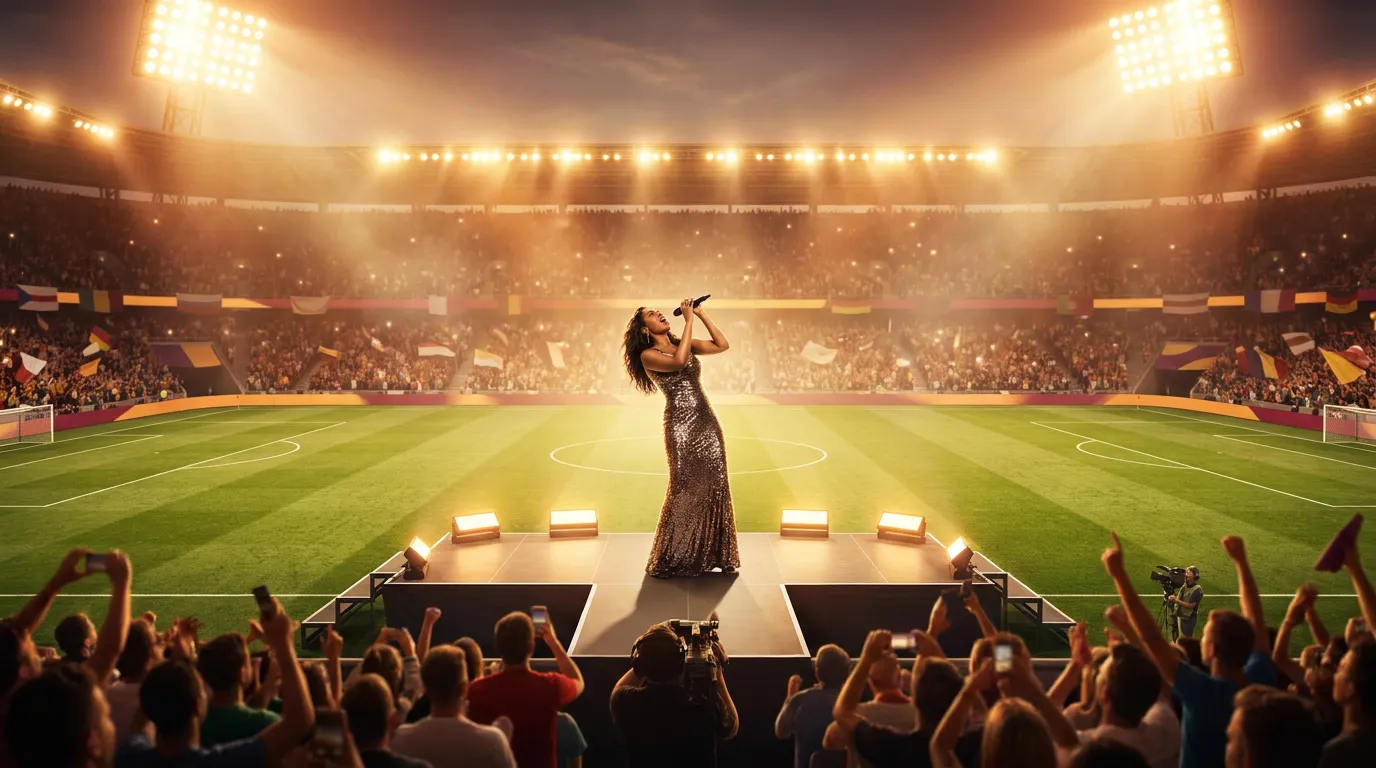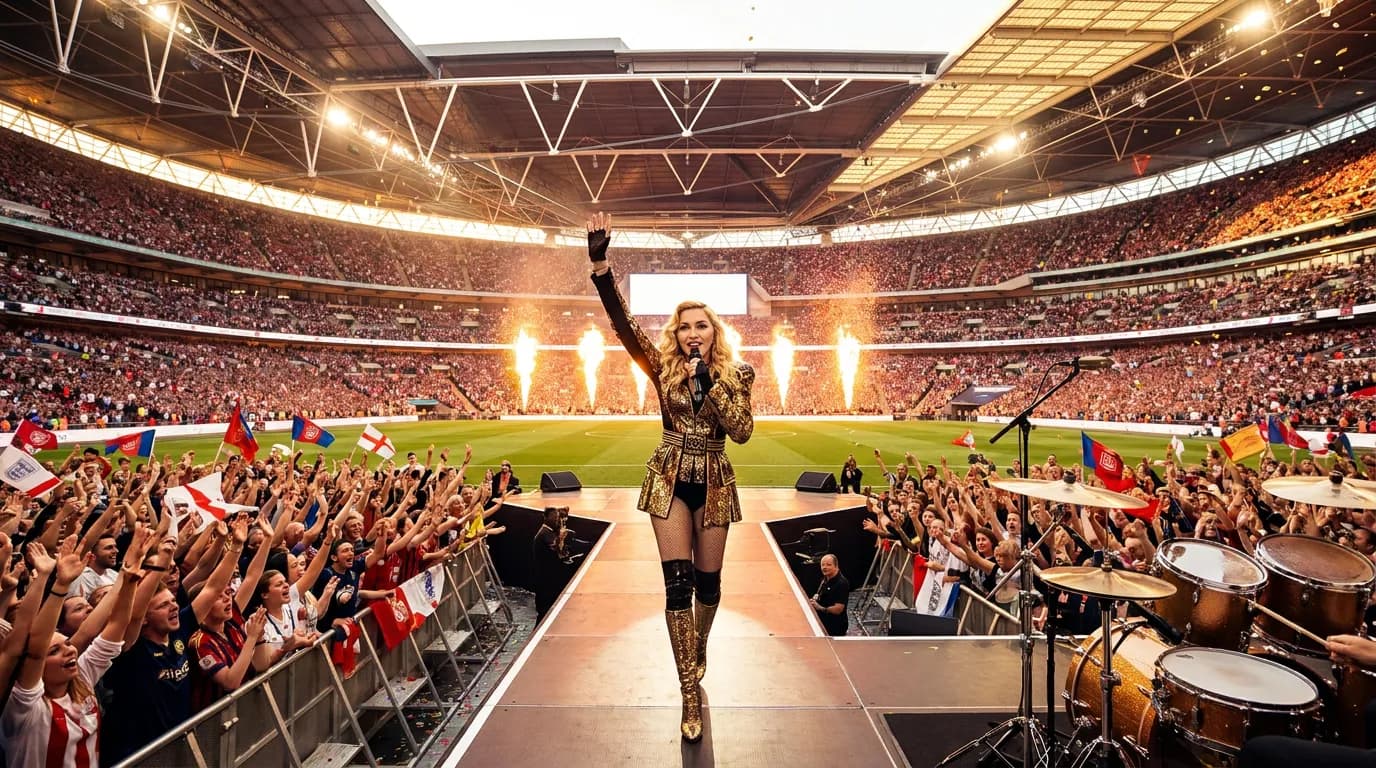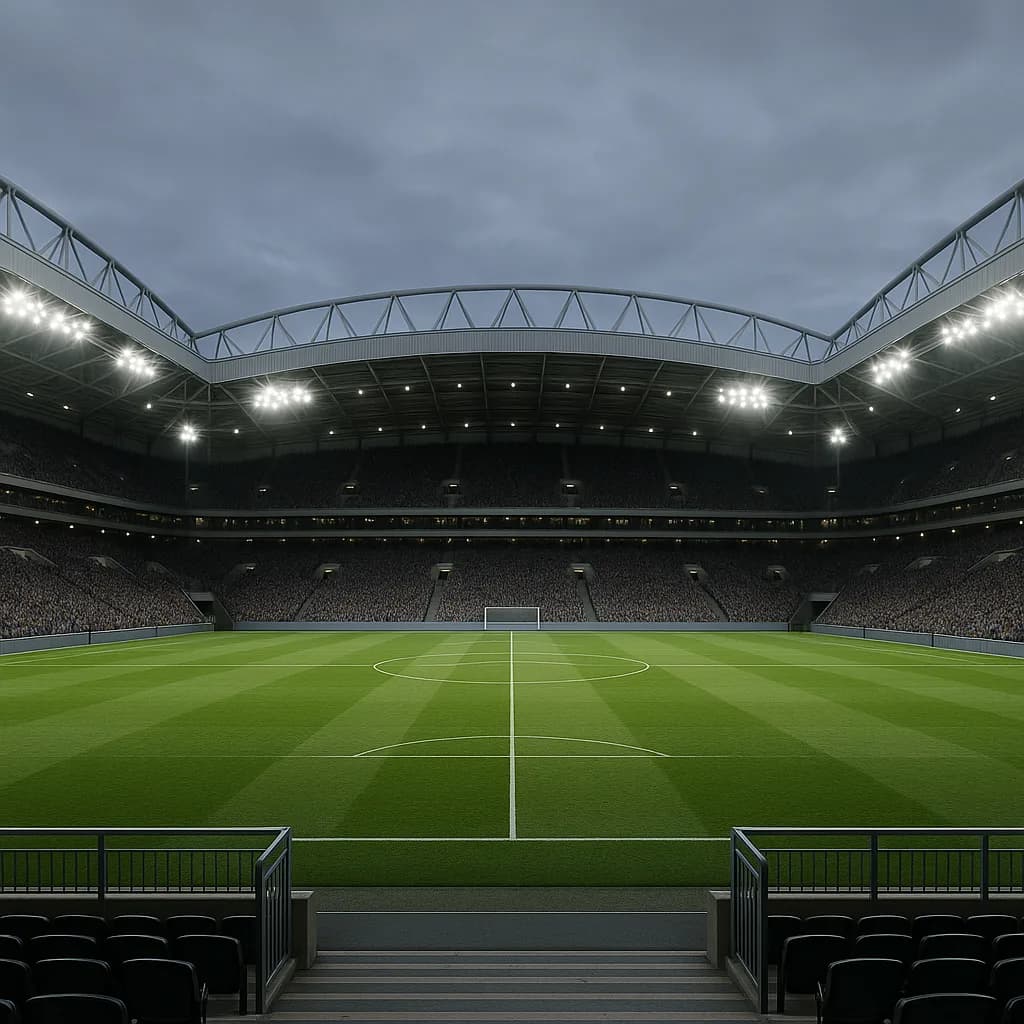
The first thing that hits you isn't the sight—it's the sound. A low rumble that builds from blocks away, growing into a thunderous roar as you approach the stadium gates. Then comes the scale: concrete and steel rising like cathedrals, some intimate and purpose-built, others massive multi-use colosseums. The 2026 World Cup will showcase America's most diverse collection of sporting venues, from Mexico City's legendary Azteca to intimate soccer-specific stadiums. Each creates its own acoustic signature, shaped by capacity, design, and the fervor of supporters packed within their walls.
The Thunderous Titans
Estadio Azteca leads this category with an overwhelming 87,523-capacity bowl that traps sound like a concrete amphitheater. The steep rake of seating creates a wall of noise that bounces off the upper deck, generating decibel levels that make conversations impossible during peak moments. Walking through the narrow concourses, you feel the vibrations in your chest before emerging into the blinding sunlight and cacophony above.
AT&T Stadium in Arlington follows with its 80,000 capacity, but the retractable roof and enormous video board create a different acoustic experience. The enclosed environment amplifies crowd noise, while the polished surfaces reflect sound in sharp, metallic echoes. MetLife Stadium's open-air design dissipates some of its 82,500-person roar into the New Jersey sky, though the horseshoe configuration still concentrates impressive volume toward the pitch.
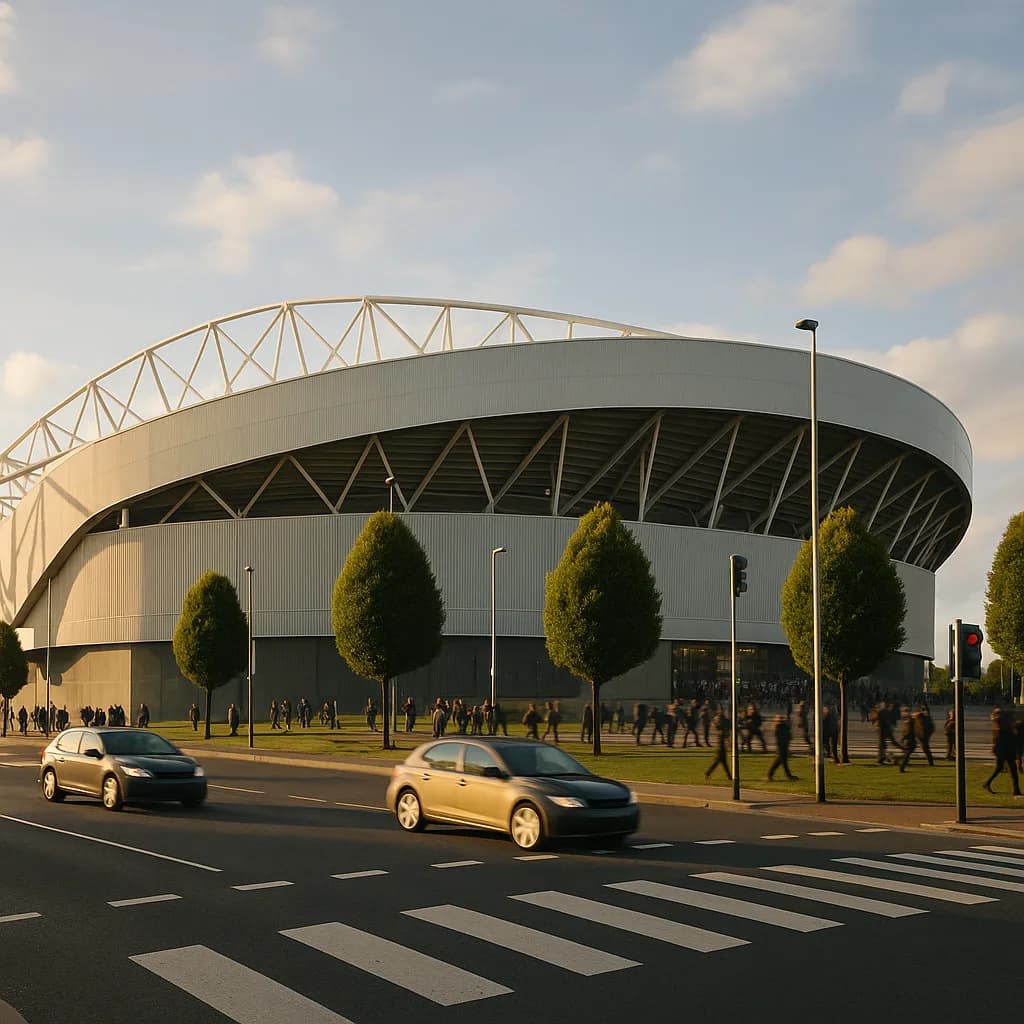
The Mid-Range Roar Makers
Lumen Field in Seattle represents the gold standard for engineered acoustics. Despite its modest 69,000 capacity, the cantilevered roof overhangs trap sound waves and redirect them downward, creating the infamous "12th Man" effect that has registered earthquake readings. The steep lower bowl puts supporters within touching distance of the action, their voices funneling into a focused cone of sound.
SoFi Stadium's architectural marvel in Los Angeles generates impressive volume through its curved canopy design, which acts like a massive sound reflector. The 70,240 capacity fills a translucent bowl that seems to breathe with crowd movement, while premium acoustics technology ensures every chant reaches maximum clarity and punch throughout the venue.
The Intimate Intensifiers
Soccer-specific venues like Audi Field in Washington DC and Red Bull Arena in Harrison create concentrated sound through proximity rather than pure numbers. Audi Field's 20,000 supporters sit in tight quarters with minimal foul territory, every voice combining into a focused wall of noise. The single-tier supporter sections eliminate acoustic gaps, creating sustained pressure waves that wash over players.
Mercedes-Benz Stadium in Atlanta bridges this category with its retractable roof petals that can trap or release sound depending on conditions. When closed, the 71,000-capacity venue becomes a thunderous echo chamber. When open, it transforms into a more dispersed but still formidable acoustic environment, with sound patterns shifting based on wind conditions and crowd positioning.

The Dispersed Decibel Zones
Larger multi-use venues like Lincoln Financial Field and Hard Rock Stadium sacrifice some acoustic intensity for versatility. Lincoln Financial's 69,176 capacity spreads across broader sightlines designed for multiple sports, creating pockets of intense noise separated by quieter zones. The Philadelphia crowd's passion compensates for architectural limitations, but conversations remain possible in upper sections during moderate crowd responses.
Hard Rock Stadium's recent renovations added a partial canopy that improves noise retention over the lower bowl while leaving upper sections exposed to Miami's ocean breezes. The 65,326 capacity creates respectable volume, but the open-air design and wide concourses provide acoustic relief valves that prevent the sustained pressure found in more enclosed venues.
The Architectural Wild Cards
Arrowhead Stadium and Lambeau Field represent football-first designs that create unique soccer atmospheres. Arrowhead's record-breaking 142.2-decibel measurement speaks to its acoustic potential, though the 76,416 capacity spreads across sightlines optimized for American football. The bowl design and metal bleacher sections create sharp, percussive crowd noise that differs markedly from soccer-specific venues.
BMO Field in Toronto and BC Place in Vancouver showcase how smaller venues can punch above their weight class through design intelligence. BMO's 30,000 capacity creates an intimate cauldron effect, while BC Place's inflatable dome roof acts like a massive drum skin, amplifying and sustaining crowd noise throughout its 54,500 seats.
Practical Notes
For maximum acoustic experience, target seats in lower bowls of enclosed or partially covered venues, particularly sections directly behind goals where supporter groups typically congregate. Avoid upper corners in open-air stadiums where sound dissipates quickly. Bring ear protection for venues like Azteca, Lumen Field, and SoFi Stadium where sustained noise levels can damage hearing. Consider weather conditions: hot days reduce air density and sound transmission, while cool, humid conditions amplify crowd noise. Stadium orientation matters too—prevailing winds can carry sound away from certain sections, particularly in coastal venues like Hard Rock Stadium and BMO Field.
Tags: #WorldCup2026 #FIFA2026 #StadiumGuide #SoccerVenues #FootballStadiums #WorldCupVenues #StadiumAtmosphere #SportsArchitecture #FIFA #MLS #NFLStadiums #StadiumAcoustics #WorldCupUSA #SoccerCulture #StadiumExperience
Sources consulted: fifa.com · espn.com
All trademarks are the property of their respective owners.
Ask Karpo first
Want to know which gate is closest to your seat and where concession lines are shortest? Ask Karpo for a personalized New York/East Rutherford stadium walkthrough, transit schedules, and a live route from your location.