The roar of the crowd, the electric hum of anticipation, the sea of jerseys – the 2026 FIFA World Cup is more than just a tournament; it's a global pilgrimage. From the vibrant streets of Vancouver to the sun-soaked avenues of Miami, North America is gearing up to host millions of passionate fans. One question often looms largest for travelers: where will I lay my head? Choosing between a hotel and an Airbnb isn't just about price; it's about proximity, experience, and strategy. Let’s dive into how to secure your perfect match.
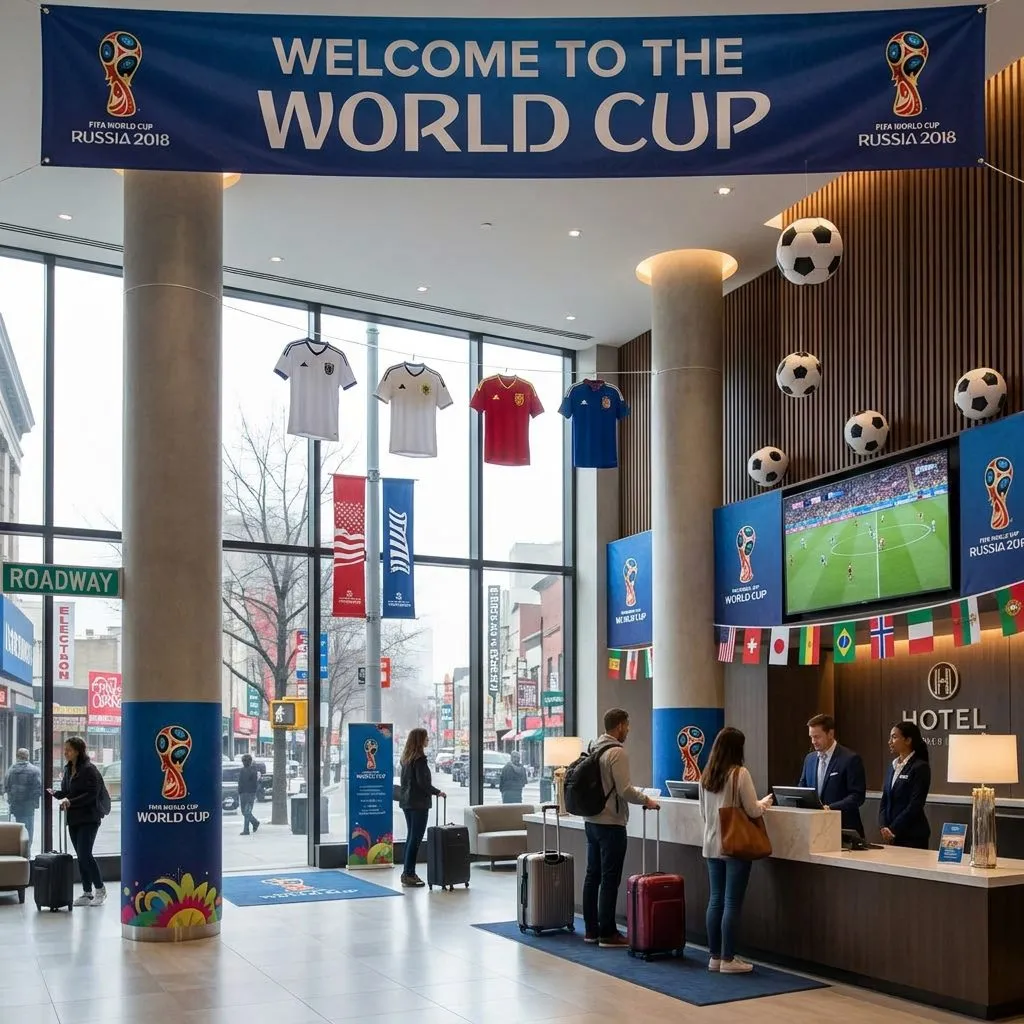
Hotel Price Surge Near World Cup Venues
Prepare for a significant upward swing in hotel prices. This isn't just a slight bump; it's "event-driven pricing." Cities like Vancouver, Seattle, and Toronto, already commanding higher rates, will likely see their average hotel costs double, if not triple, especially around match days. Boston, with its limited downtown hotel inventory, will be particularly impacted. Even Dallas and Houston will experience substantial surges. Insider detail: Many major hotel chains initiate dynamic pricing algorithms well in advance, often two years out for such large-scale events, so booking early usually locks in a lower rate. Last-minute bookings during the tournament will either be astronomically expensive or nonexistent.
Best Airbnb Neighborhoods by Stadium City
Airbnb offers a distinct advantage: access to residential areas that big hotels don’t inhabit, often providing a more authentic local experience and greater space. Strategic neighborhood selection will be key.
Vancouver (BC Place): Kitsilano or Mount Pleasant for a lively atmosphere with good transit.
Seattle (Lumen Field): Fremont or Ballard provide a quintessential Seattle experience with good bus access.
San Francisco Bay Area (Levi's Stadium): Stay in San Jose for better access and potentially lower prices than San Francisco. Downtown San Jose or Willow Glen are good.
Los Angeles (SoFi Stadium): Culver City or El Segundo offer excellent access to SoFi and LAX.
Kansas City (Arrowhead Stadium): Crossroads Arts District or Westport for vibrant options, accessible via car/rideshare.
Dallas (AT&T Stadium): Uptown or Deep Ellum for lively dining and nightlife, but plan for transportation to Arlington.
Houston (NRG Stadium): The Museum District or Montrose for culture and dining, with a short Metro ride or drive.
Atlanta (Mercedes-Benz Stadium): Sweet Auburn or Old Fourth Ward are close, offering a rich historical experience.
Miami (Hard Rock Stadium): Wynwood or Edgewater offer a trendy vibe and easier access to expressways than South Beach.
Philadelphia (Lincoln Financial Field): South Philly, near Passyunk Avenue, offers incredible food and easy transit.
Boston (Gillette Stadium): Foxborough is distant. Consider Norwood or Canton for better access and potentially more affordable Airbnbs than central Boston, or focus on North Attleboro.
Toronto (BMO Field): Liberty Village or Queen West for trendy shops, eateries, and good streetcar access.
Mexico City (Estadio Azteca): Coyoacán or Roma Norte for cultural richness, safety, and excellent food.
Guadalajara (Estadio Akron): Chapalita or Providencia offer upscale residential areas with easy access to the stadium.
Monterrey (Estadio BBVA): San Pedro Garza García is affluent, offering safety and services, a short drive to the stadium.
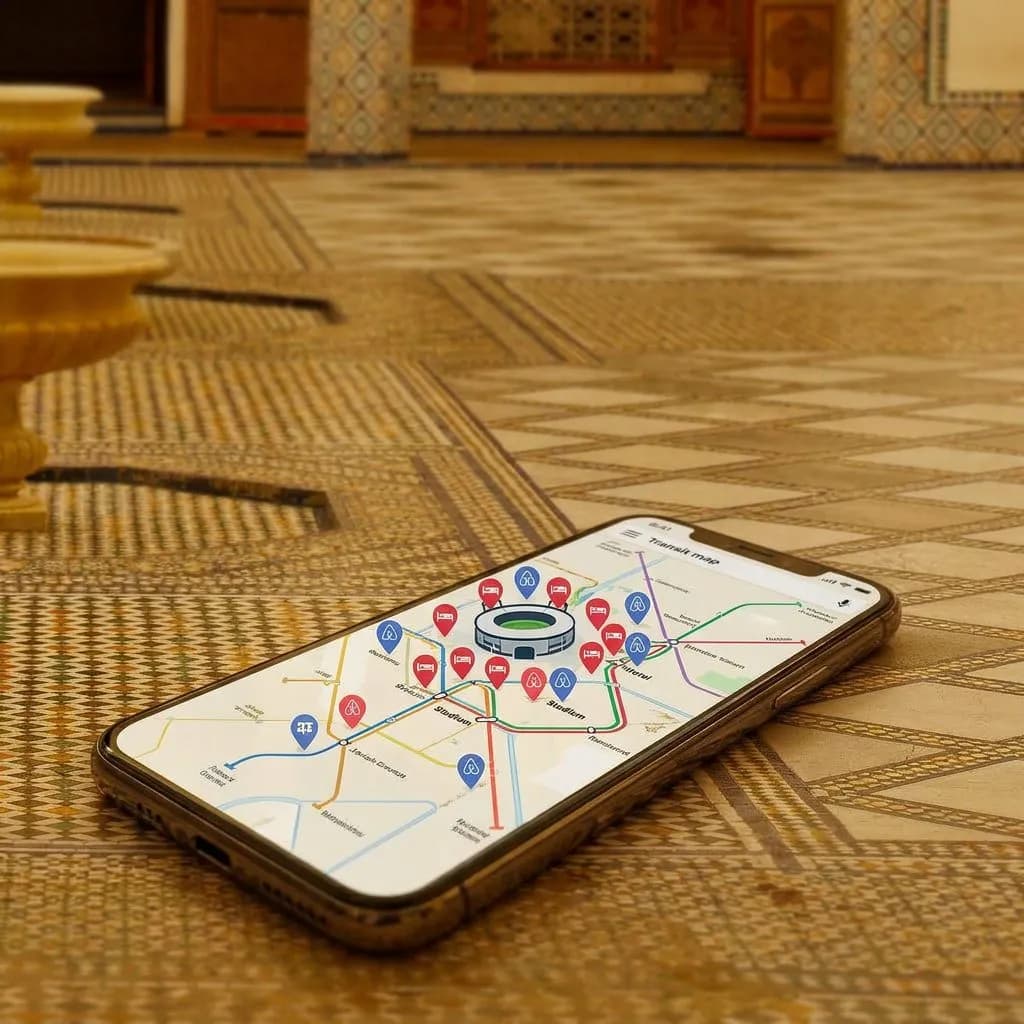
Transit-Connected Stays: Skip the Traffic
Traffic in major North American cities can be a World Cup buzzkill. Prioritize accommodations with direct routes to stadiums via public transportation. Insider detail: Many host cities are investing in significant public transit upgrades specifically for the World Cup. Keep an eye on local announcements in late 2024 and 2025.
Cities with strong public transit: Vancouver, Toronto, Atlanta, Philadelphia, Boston (for non-Gillette activities), Mexico City.
Cities where transit helps, but isn't dominant: Seattle, Houston, Miami. You might still need a rideshare for the "last mile."
Cities where rideshare/pre-booked shuttles will be crucial: Dallas, Kansas City, the San Francisco Bay Area (Levi's Stadium), Los Angeles (SoFi Stadium is well-serviced by specific event shuttles).
*Insider detail: If renting a car, verify parking availability and cost at your accommodation, and research stadium parking options. Many stadiums will have limited, expensive parking. Consider "park and ride" options.*
Budget Tips: Booking Windows and Cancellation Policies
The golden rule for World Cup accommodations is *book early, but smartly.*
Booking Window: Start your serious search and booking 18 months out for hotels. Airbnbs often become available 12-18 months out. By 6 months prior, good options will be scarce and expensive.
Cancellation Policies: Look for "free cancellation" options, even if they have a slightly higher upfront cost. The fluidity of the tournament schedule means your itinerary might shift. A flexible policy allows you to secure a rate early, then adjust. Airbnb's strict or moderate policies can be unforgiving, so pay close attention.
Multi-City Stay Strategy for Tournament Chasers
Many fans will follow their team or want to experience multiple World Cup cities.
Team-Specific Strategy: Once the group stage draw is announced (expected end of 2025), book core lodging for your team's three locations immediately.
Regional Grouping: Consider hubs. East Coast: Boston, Philadelphia, Toronto, New York. Midwest: Kansas City, Dallas, Houston. West Coast: Vancouver, Seattle, LA/SF Bay Area.
Travel Times: Factor in travel time between cities. A 2-hour flight still means 5-6 hours door-to-door. Overnight trains or buses can save an accommodation cost.
Logistics Light: Using a trusted platform like Karpo can streamline finding accommodations across multiple cities, factoring in transit, budget, and desired amenities.
Practical Notes
Group Size: Hotels are great for couples or solo travelers. Airbnbs offer better value and space for groups or families.
Amenities: Do you need a kitchen or laundry? Airbnb usually wins here. Hotels excel with daily housekeeping.
Local Experience: Airbnbs can offer a more immersive local feel in residential areas. Hotels in central locations might be near fan zones.
Security & Service: Hotels generally offer 24/7 security and concierge. With Airbnbs, you rely on host communication.
Hidden Costs: Hotel resort fees, parking, and in-room dining add up. Airbnb cleaning fees and service charges are additional. Factor these into your budget.
The 2026 World Cup promises an incredible experience. Thoughtfully planning your accommodation strategy will ensure your focus remains on the beautiful game.
Tags: #WorldCup2026 #FIFAWorldCup #FootballTravel #AccommodationGuide #AirbnbVsHotel #TravelTips #StadiumTravel #NorthAmerica2026 #SportsTravel #BookingStrategy #TransitTravel #FanExperience #USMexicoCanada
Sources consulted: fifa.com · metlifestadium.com
All trademarks are the property of their respective owners.
Ask Karpo First
Want to compare Airbnb vs hotel prices near your stadium, find a transit-connected neighborhood that saves money, or know when to book for the best rates? Ask Karpo for accommodation comparisons by venue, neighborhood guides, and booking window alerts.