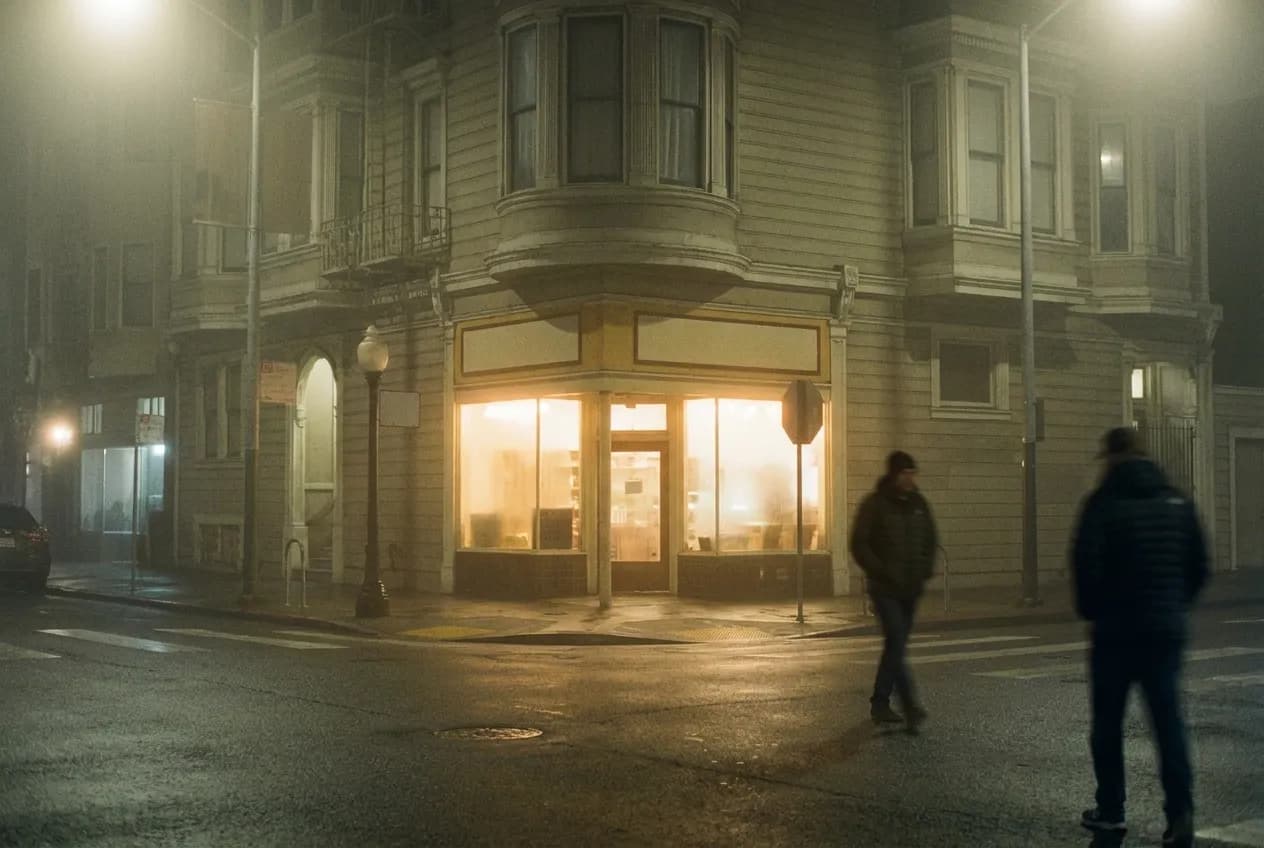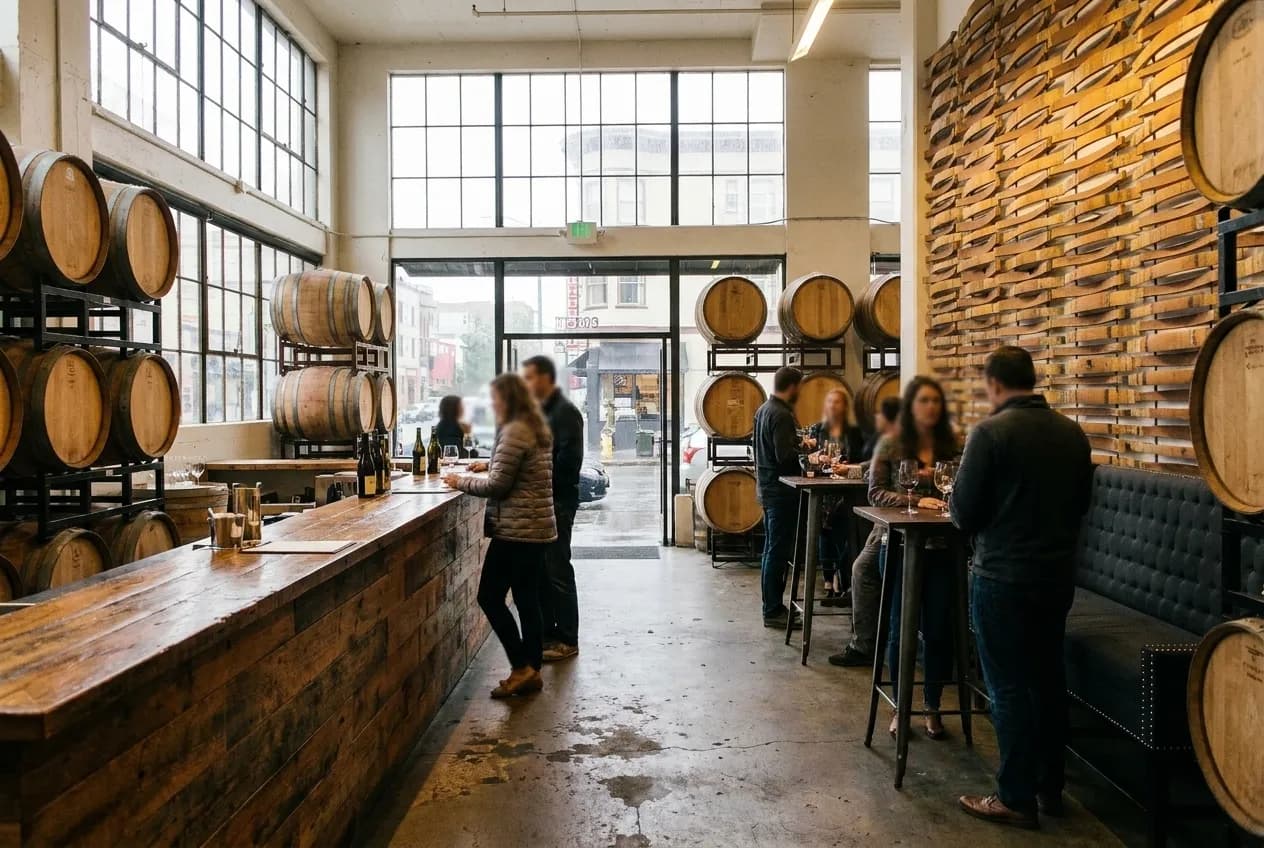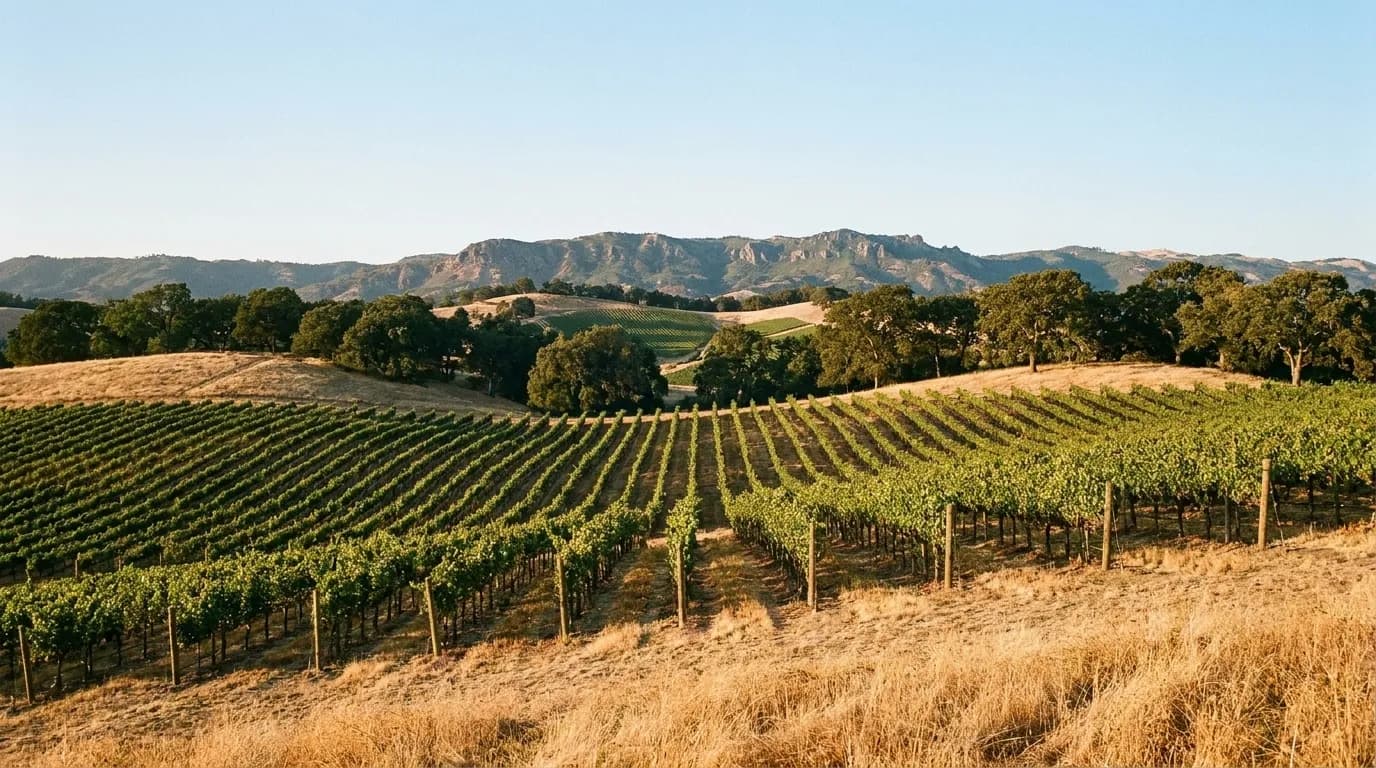
The single most useful thing to understand about tasting north of San Francisco is that the appointment requirement is not a fashion, it is a planning regulation. Napa County has written the number of daily visitors a winery may receive into its permits, which is why so many estates there are appointment-only while Sonoma runs largely on walk-ins. Once you know that, the choice between the two valleys stops being about prestige and becomes a question about how much structure you want in your day.
Napa's appointment rules come from county permits, not preference, while Sonoma still runs on walk-ins. Ask Karpo which rooms take walk-ins today and what the fees are.
Why Napa Books and Sonoma Does Not
In 1990 Napa County passed an ordinance regulating how wineries operate, covering how much they may produce and whether they may host tastings and events. Whether a specific estate can take walk-ins depends on the conditions attached to its own use permit, and many are appointment-only precisely in order to satisfy those conditions.
The county's planning department issues a use permit that specifies the number of permitted visitors per day, marketing event quotas and whether food service is authorised. That is a very concrete constraint: a winery is not turning you away because it is exclusive, it is turning you away because it has a daily headcount written into a document filed with the county.
Sonoma County has no equivalent regime at the same intensity, which is why far fewer wineries there require a reservation. The practical translation is simple. If you want to decide in the car where you are going next, go to Sonoma. If you want a specific estate in Napa, book it before you leave the city.
The Money Difference Is Larger Than People Expect
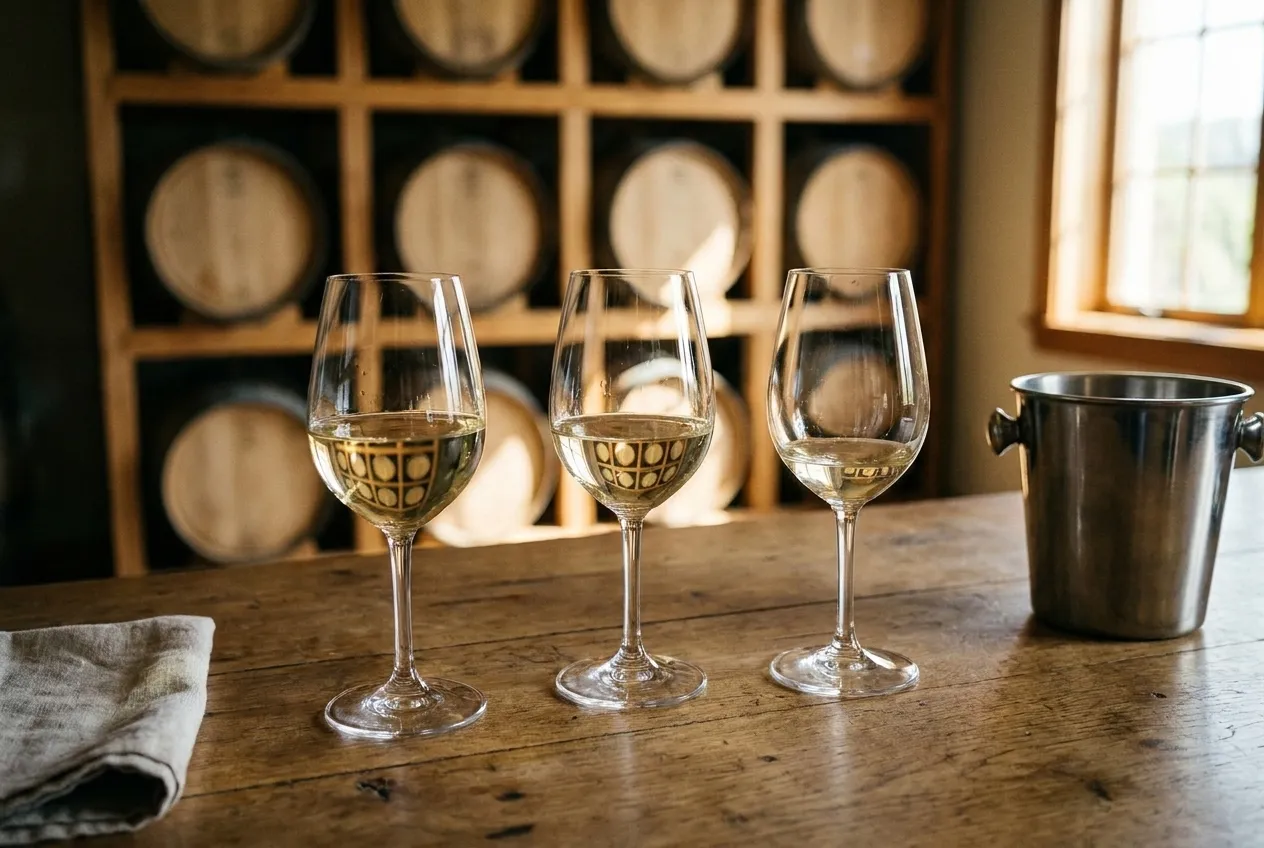
Tasting fees at Sonoma walk-in rooms typically run 25 to 75 dollars per person, and the fee is frequently waived on purchase. Napa's fees have run considerably higher, ranging roughly from 40 to 250 dollars per person, with ultra-premium and allocation-list experiences above that.
Do the arithmetic across a day and the gap becomes the deciding factor for most people. Three tastings for two people in Sonoma at the lower end is a very different bill from three tastings for two in Napa at the upper end, and the difference is not a rounding error. It is the cost of the entire trip several times over.
The fee-waived-on-purchase convention is worth using deliberately rather than treating as a bonus. If you intend to buy a bottle anyway, choosing rooms that waive on purchase effectively makes the tasting free, and it is a common enough policy in Sonoma that you can plan a whole day around it.
How to Build the Day
The structure that works for a first trip is two booked and one open. Book one appointment-only estate if there is a specific place you want to see, since that is the only way to guarantee it. Book a second as insurance against a wasted afternoon. Then leave the third slot completely open and fill it with a walk-in room, which is where the day usually becomes interesting.
Three tastings is the honest maximum for a day and two is often better. Tasting rooms are designed to slow you down, the driving between them takes longer than a map suggests, and the fourth appointment of a day is almost always the one where nobody remembers what they tried. Building in a proper lunch is not a luxury here, it is the thing that makes three stops survivable.
The other planning decision is transport, and it should be made first rather than last. Somebody has to drive, or nobody does and you book a car or a tour. Full-day organised trips from San Francisco typically run around nine hours and visit three wineries, crossing the Golden Gate Bridge with stops in both valleys, and some include all tasting fees while others add them per venue. That inclusion question is the one to ask before booking, because it moves the real price substantially.
What to Actually Ask in the Room
Two questions improve any tasting. First, ask what is only available here, because allocation-only and tasting-room-only bottlings are the genuine reason to be standing in the room rather than buying in a shop. Second, ask what the estate does not do well, or more politely, which of its wines it considers the least typical. A room that answers that honestly is a room worth buying from.
One last practical note specific to this trip. Both valleys are considerably hotter than San Francisco in the warm months, frequently by twenty degrees or more, and people leave the city dressed for coastal fog and arrive in inland heat. Bring less clothing than the San Francisco morning suggests, and bring more water than you think, because the tasting itself will not hydrate you.
Practical notes
Napa County passed an ordinance in 1990 regulating winery operations, including production levels and whether tastings and events may be hosted; the county's planning department issues use permits specifying permitted daily visitors, marketing event quotas and whether food service is authorised, which is why many Napa estates are appointment-only. Far fewer Sonoma County wineries require reservations. Sonoma walk-in tasting fees typically run 25 to 75 dollars per person and are often waived on purchase; Napa fees have ranged roughly 40 to 250 dollars per person, higher for ultra-premium and allocation experiences. Full-day tours from San Francisco run around nine hours and typically visit three wineries; confirm whether tasting fees are included. Inland temperatures are much higher than in the city.
Tags: #winetastingnearme #sonoma #napa #sanfrancisco #winecountry #daytrip #tastingroom #walkintasting #californiawine #northbay #weekendtrip #sfdaytrips #sfguide #vineyards
Please drink responsibly. Must be of legal drinking age.
All trademarks are the property of their respective owners.
Ask Karpo first
Whether a winery can take you without an appointment comes down to its county permit, and the fee structures differ sharply between the two valleys. Ask Karpo which tasting rooms are taking walk-ins today, what they charge, and how to build a three-stop day that does not need a designated driver.