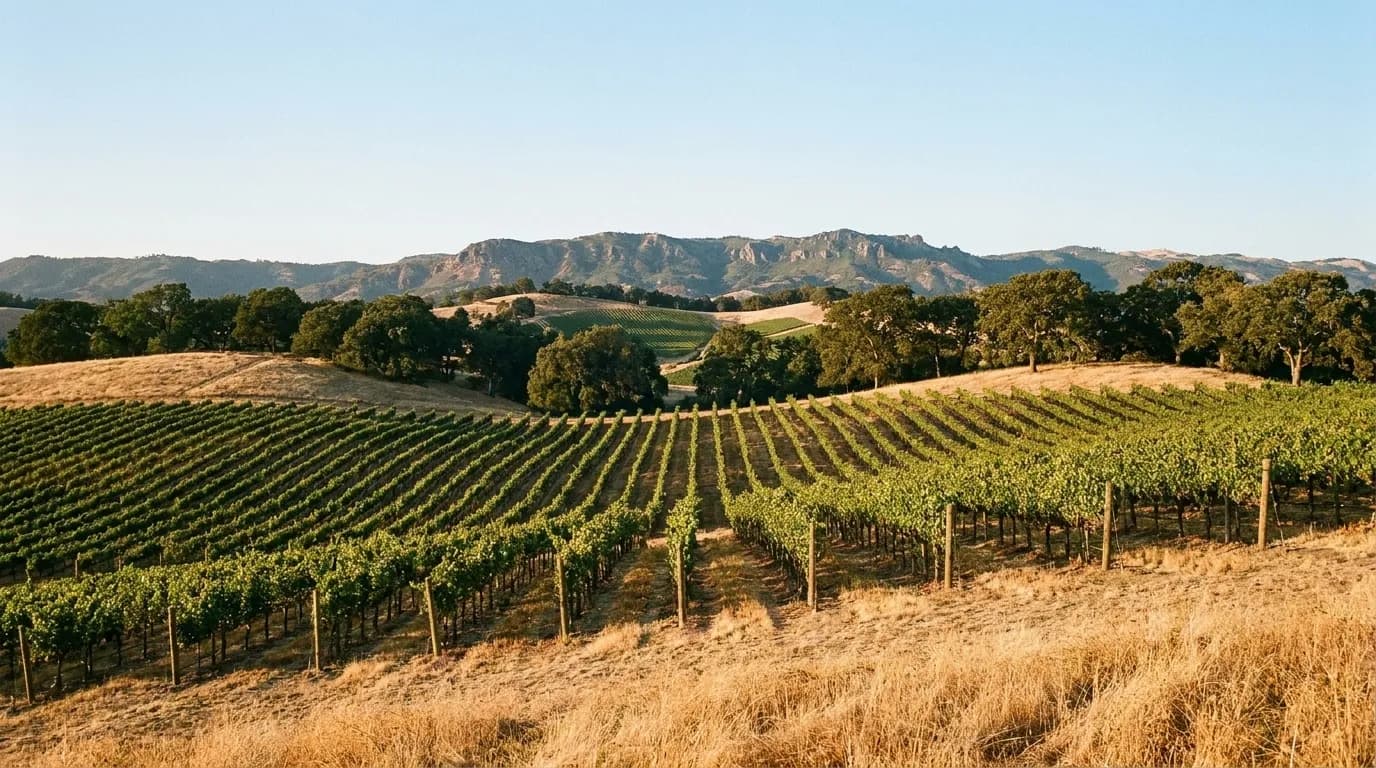
Every wine decision in San Francisco is made in the shadow of a geographic fact: Napa is about an hour and a quarter north, Sonoma slightly less, and between them they constitute the most famous wine region in the United States. That proximity shapes the city's own wine culture in two directions. It means the tasting rooms here have to justify themselves against a day trip, and it means the city has developed things the valleys cannot offer. Knowing which is which saves both a wasted afternoon and, quite possibly, a hire car.
A day north needs a driver and a plan; a city tasting needs neither but sells out. Tell Karpo which you are considering and when, and get the version that actually works.
What the city does better
Three things. Breadth: a San Francisco wine bar pours from everywhere - Jura, Sicily, Georgia, the Loire, South Africa - whereas a Napa tasting room pours what that estate makes. If you want to taste comparatively across regions, the city is the only option. Second, price: a glass in a city wine bar is fourteen to twenty-two dollars, while Napa tasting fees now routinely run forty to a hundred and are frequently by appointment only.
Third, and most practically, nobody has to drive. That single fact changes the shape of the day entirely. A city tasting is a walk or a short ride; a valley visit is a designated driver, a hired car and a long return in evening traffic. If the group wants to drink properly rather than sip and spit, the city is not a compromise, it is the correct answer.
The urban winery, which is a real category
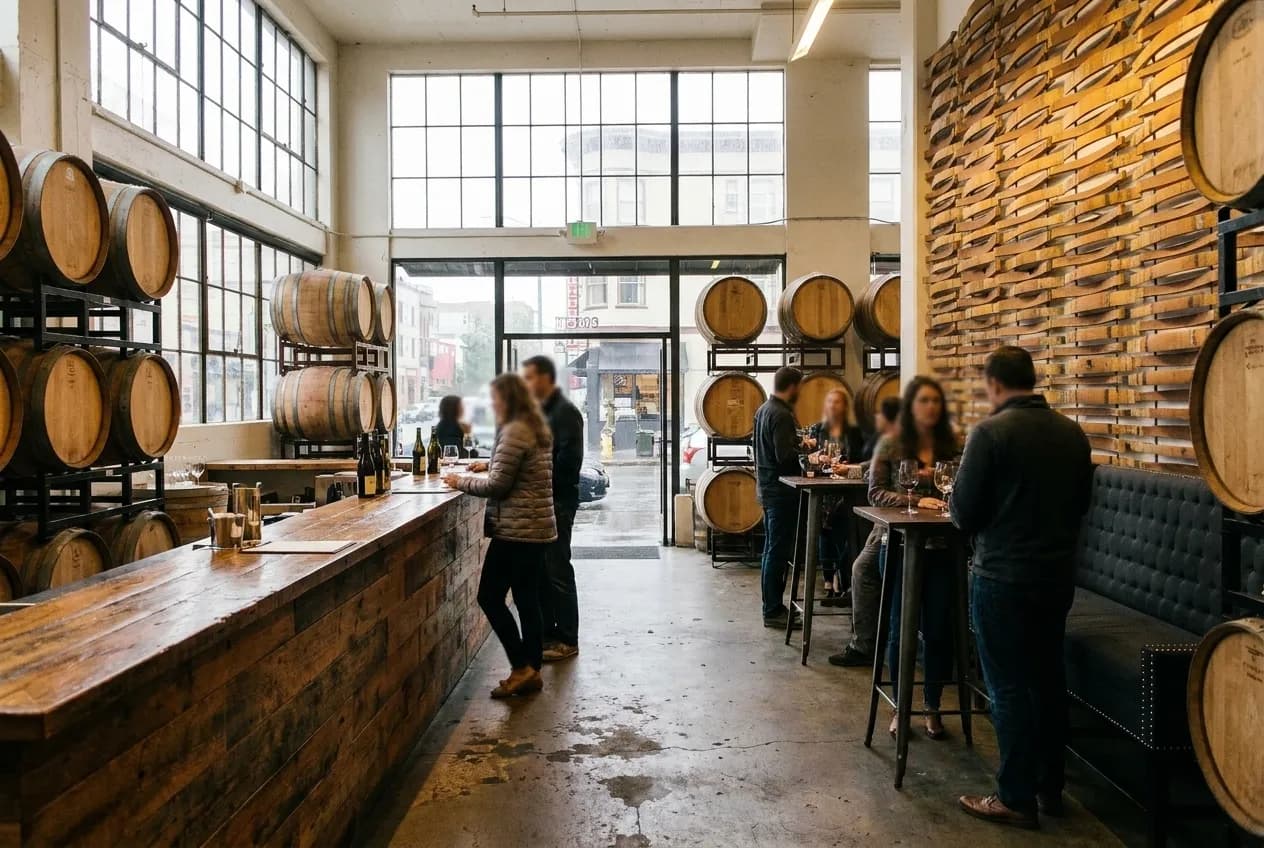
San Francisco has a genuine cluster of urban wineries - producers who truck fruit in from Napa, Sonoma, the Sierra Foothills or the Central Coast and then crush, ferment, age and bottle inside the city. Dogpatch and the Bayview hold most of them, in converted industrial space, and several have tasting rooms attached to working production floors.
This is the closest thing to a valley experience without leaving, and in one respect it is better: you are standing in the actual winery, with the tanks and barrels in view, talking to people who made the wine, rather than in a purpose-built hospitality room. Tasting fees are far lower than in the valleys. The trade-off is that the setting is a warehouse rather than a hillside, which for some people is most of the point of wine country.
The city wine bar
Beyond the urban wineries, San Francisco has a deep wine bar culture concentrated in Hayes Valley, the Mission, North Beach and along Divisadero. The format is a flight of three to five small pours, twenty to forty dollars, no booking required, with someone behind the bar who knows the list. This is the most useful and most under-used wine format in the city.
The way to get the most from it is to ask the person pouring to build the flight rather than taking the printed one. Name a wine you liked recently and one you did not, say whether you are eating, and a good bar will construct something around that on the spot. That conversation is worth more than any tasting note, and it is free.
If you do go north
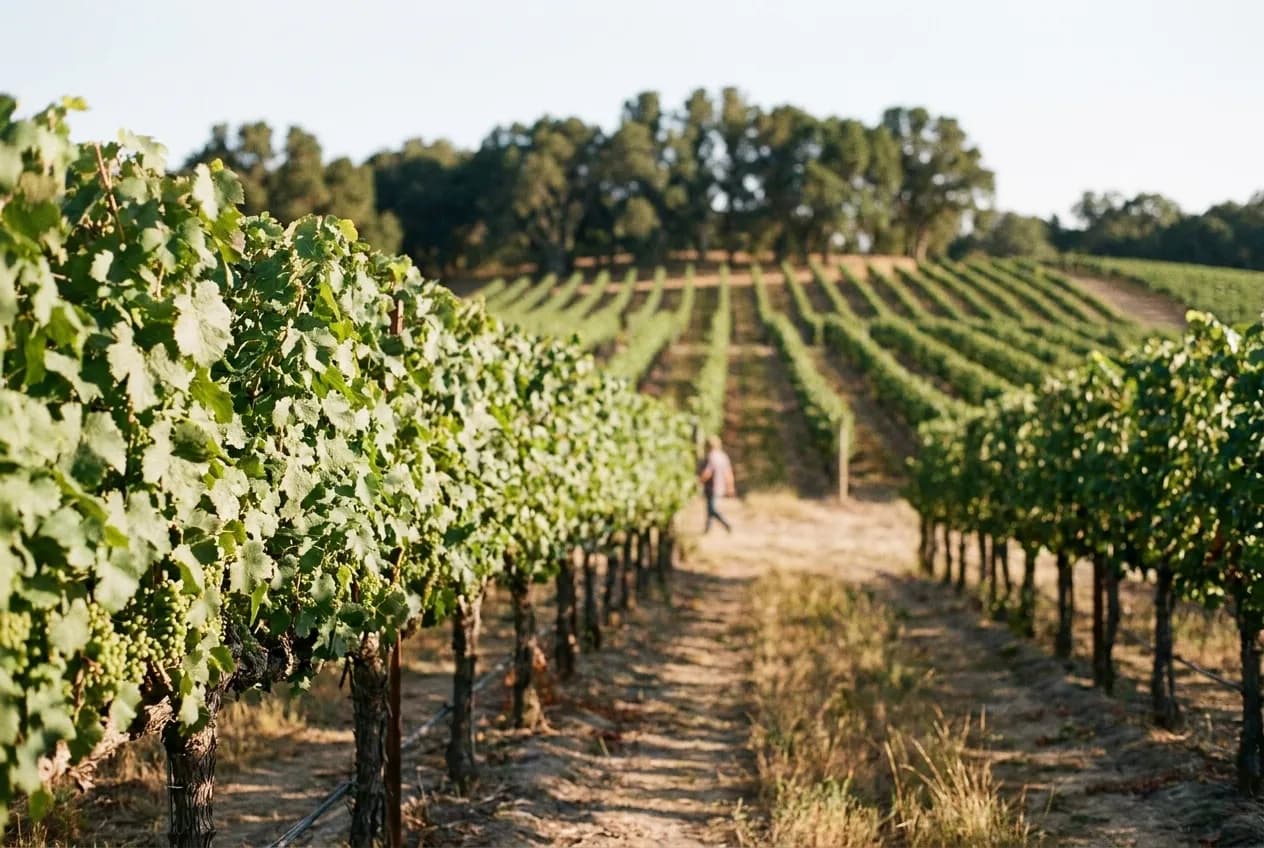
Two decisions matter more than which wineries you pick. First, Napa or Sonoma: Napa is more polished, more expensive, more cabernet, and more appointment-driven; Sonoma is larger, more varied, cheaper, more casual and better for anyone who wants to turn up somewhere without booking. For a first visit with no strong preference, Sonoma is generally the better day.
Second, transport. Almost every tasting room now charges a fee and requires an appointment, and drink-driving is both dangerous and vigorously enforced. The options are a designated driver, a car service, or a small-group tour. Three wineries in a day is the realistic maximum - four is a rush and five is a blur. Book ahead, leave the city by nine to beat the bridge traffic, and expect the return between four and seven to be slow.
The middle option
There is a version people forget. Several Napa and Sonoma producers maintain tasting rooms inside San Francisco, and the Ferry Building and the surrounding waterfront hold wine merchants that pour by the glass and run tastings. That gets you valley wine, poured by valley people, without the drive - which is a genuinely reasonable compromise if you have half a day rather than a whole one.
The other middle option is to go north but not far: the closer parts of Sonoma County are reachable in under an hour and are considerably less crowded than the Napa Valley floor. For anyone based in the northern half of the city, that turns a full-day expedition into a long afternoon, which is a much easier thing to organise.
Practical notes
City prices: glasses fourteen to twenty-two dollars, flights twenty to forty, urban winery tastings generally lower than valley fees. Valley prices: tasting fees commonly forty to a hundred, usually by appointment, often waived with a bottle purchase. Timing: leave the city by nine for a day north, plan three wineries maximum, and expect a slow return between four and seven. Never drive after tasting - use a driver, a car service or a tour. City wine bars need no booking; guided tastings and classes do and sell out days ahead. Urban wineries cluster in Dogpatch and the Bayview. And at any flight, ask the pourer to build it for you rather than taking the printed one.
Tags: #WineTastingNearMe #SanFrancisco #Napa #Sonoma #UrbanWinery #Dogpatch #HayesValley #MissionDistrict #WineBars #FerryBuilding #CreativeWorkshops #WineFlight #DayTrip #SFWine
All trademarks are the property of their respective owners.
Ask Karpo first
The city-or-valley decision depends on how much of the day you have and whether anyone is driving. Ask Karpo which urban wineries and wine bars near you are open, what a day north would actually look like on your dates, and whether anywhere in the city is pouring the region you wanted to taste.