Wine tasting in Queens does not look like wine tasting. There is no tasting room with a view of a vineyard, no flight of six with a printed card, and almost nothing that would call itself an experience. What there is instead is a network of bottle shops that open a few things on a Friday evening, small bars that will pour you three ounces of something to help you decide, and a handful of rooms in Astoria and Long Island City that run proper structured tastings for the price of two glasses in Manhattan. It is the least ceremonious version of this in the city and, for actually learning anything, one of the better ones.
A tasting is only useful if it is running the night you turn up, and these are small rooms with irregular schedules rather than a fixed calendar. Tell Karpo which evening you have free and where in Queens you are, and it will find what is actually pouring rather than what has a website.
The shop counter is the main format
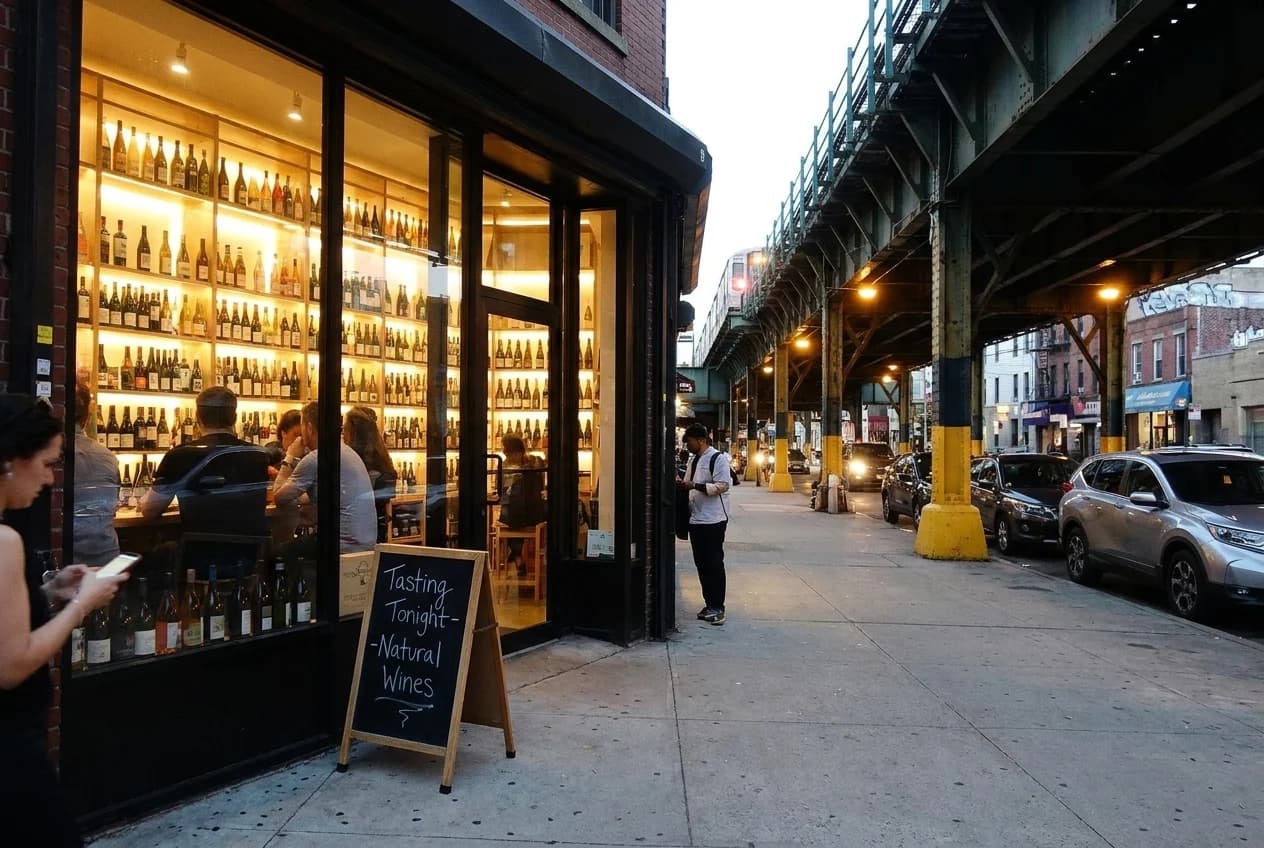
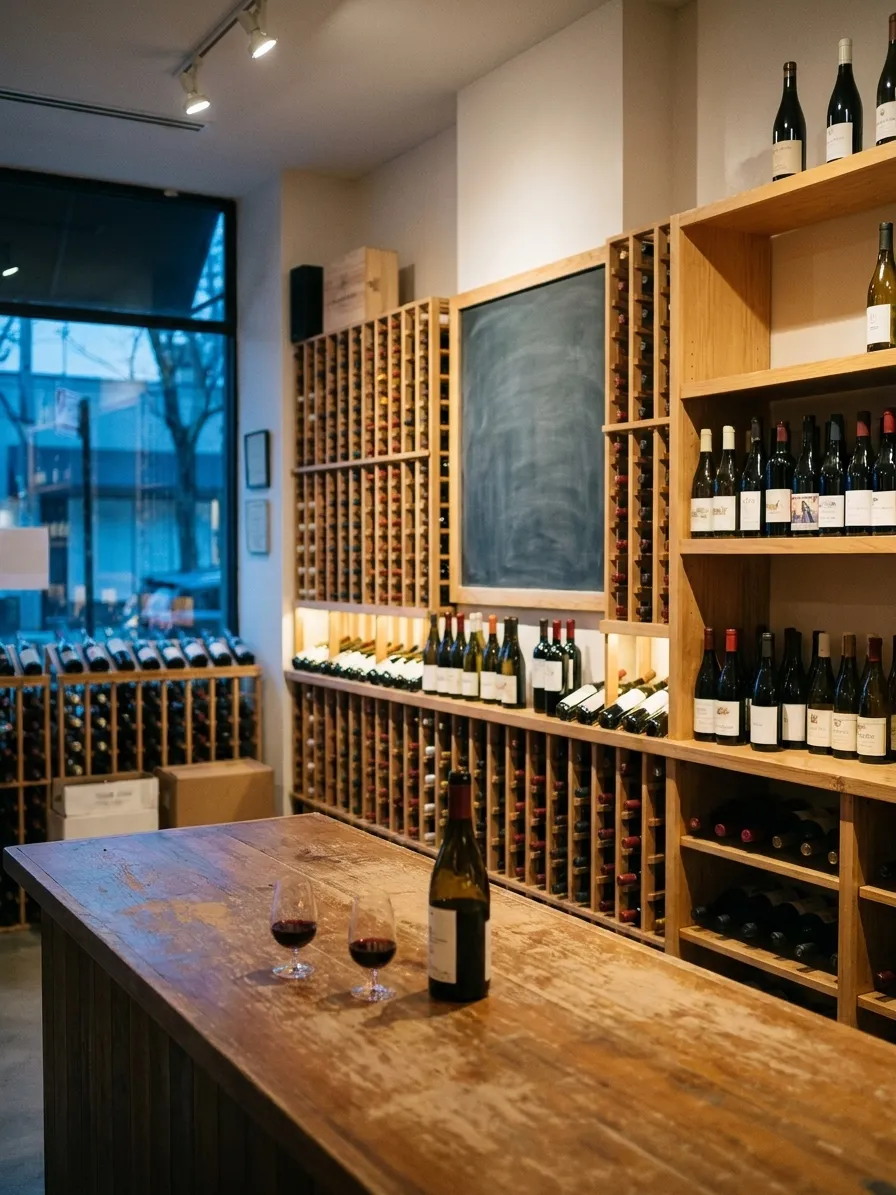
The dominant model in Queens is a retail shop with a counter and a few stools, where a handful of bottles are open at any time and a taste costs a few dollars or nothing at all. You are not paying for an event; you are being helped to buy a bottle, and the shop is absorbing the cost of the open bottles as a sales expense.
This is the best-value wine education available in New York, and the etiquette that makes it work is straightforward: taste, ask questions, and buy something. A shop that pours for twenty people who buy nothing stops pouring.
What Astoria does well
Astoria's wine culture sits on top of an unusually deep Mediterranean food scene, which shapes what the shops stock. Greek varieties turn up far more here than anywhere else in the city - assyrtiko, xinomavro, agiorgitiko - alongside southern Italian and increasingly a lot of Balkan and Georgian bottles.
That specificity is the reason to come. Tasting three Greek whites side by side in a shop where the person pouring has opinions about the islands is a genuinely different exercise from tasting three natural wines that could have come from anywhere, and it maps directly onto what you will eat two blocks away.
What Long Island City does differently
Long Island City is newer, denser and more bar-shaped. The rooms there are more likely to run an actual by-the-glass programme with flights on the menu, longer hours, and a food offering beyond a plate of cheese. It is the part of Queens that most resembles Manhattan wine drinking and it prices closer to it, though still below.
It is also the practical option if you are coming from Manhattan, because it is one stop out on several lines. A tasting in Long Island City is a shorter journey from midtown than most of Brooklyn.
What a flight should cost and what you get
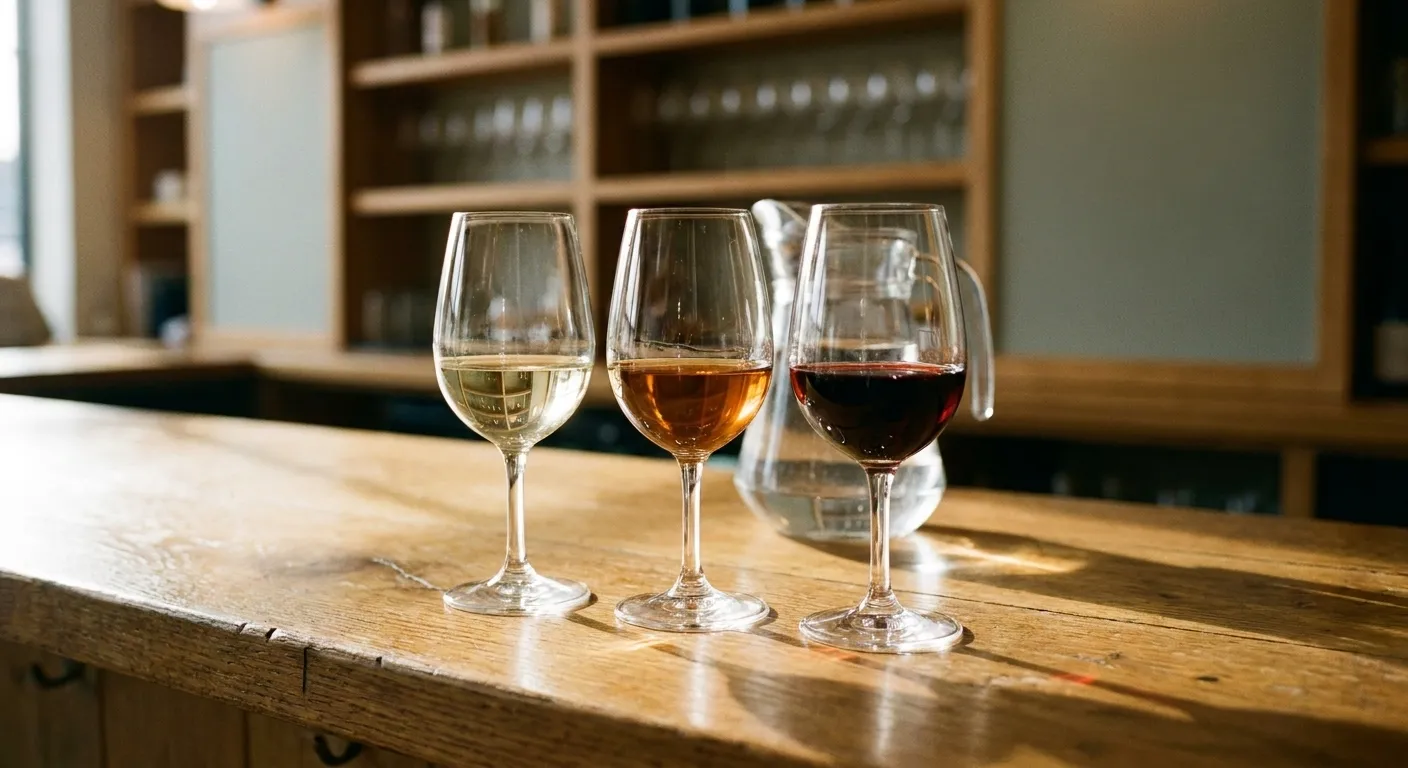
In Queens a three-pour flight typically lands somewhere between the price of one and two full glasses, and the pours are around two ounces each. Anything advertised as a flight that costs more than two glasses of the same wine is charging for the format rather than the contents.
The more informative thing to look at is whether the flight is themed. Three wines from one region, or three expressions of one grape, teach you something. Three unrelated wines that happened to be open teach you what you like, which is fine but is not a tasting.
Structured tastings and when they run
Both neighbourhoods host sit-down tastings - a set list, someone talking, usually six to eight people around a table - and these are almost always on a weeknight because the weekend is retail. They are advertised badly, frequently only on a chalkboard or an Instagram story, and they sell out in a room that holds twelve.
The reliable way in is to ask in person the week before. Shops keep informal lists and will text you, which is an antique mechanism that works considerably better than any booking platform for something this small.
September is a good month to be doing this
Early autumn is when importers move their new arrivals and when shops rotate away from the summer list, which means more open bottles and more staff willing to talk about them. It is also harvest season in the northern hemisphere, so there is a natural conversation available about vintage that is not available in February.
If you have been meaning to learn something rather than just drink, the next six weeks are the easiest time of year to walk into a shop counter and get an hour of someone's attention.
Turning it into an evening
The obvious sequence in Astoria is a tasting first and dinner second, because the shops close earlier than the kitchens and the food corridor is a short walk from most of them. In Long Island City it works in either order, and several rooms will feed you properly enough that you do not need a second stop.
Either way, buy the bottle you liked before you leave. It costs retail rather than restaurant price, it is the reason the pour was cheap, and it is the only part of the evening you get to repeat at home.
Tags: #WineTastingNearMe #Queens #Astoria #LongIslandCity #NYC #WineBars #NaturalWine #GreekWine #CreativeWorkshops #NYCWine
All trademarks are the property of their respective owners.
Ask Karpo first
Queens teaches wine over a shop counter rather than in a tasting room, and it is cheaper for it. Ask Karpo who is pouring near you this week and what is on the counter.