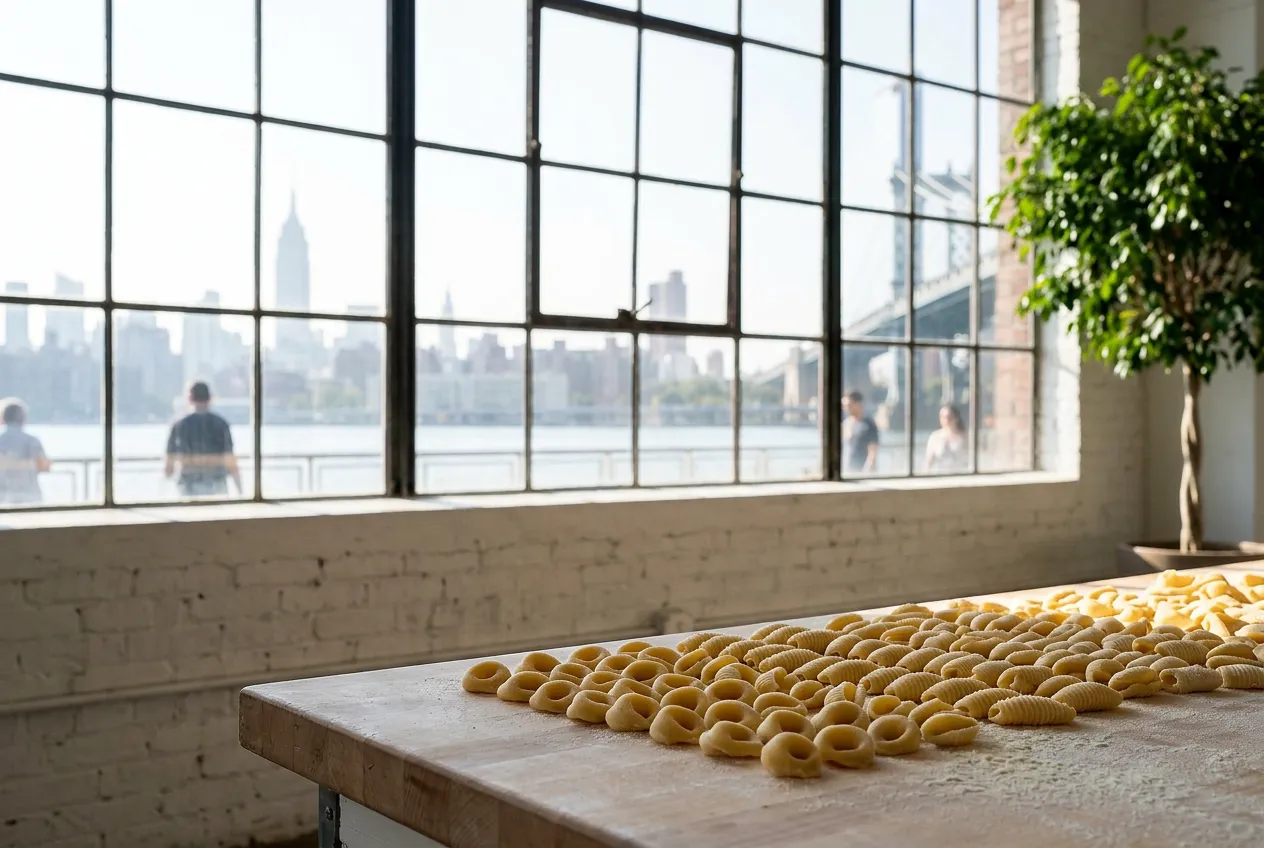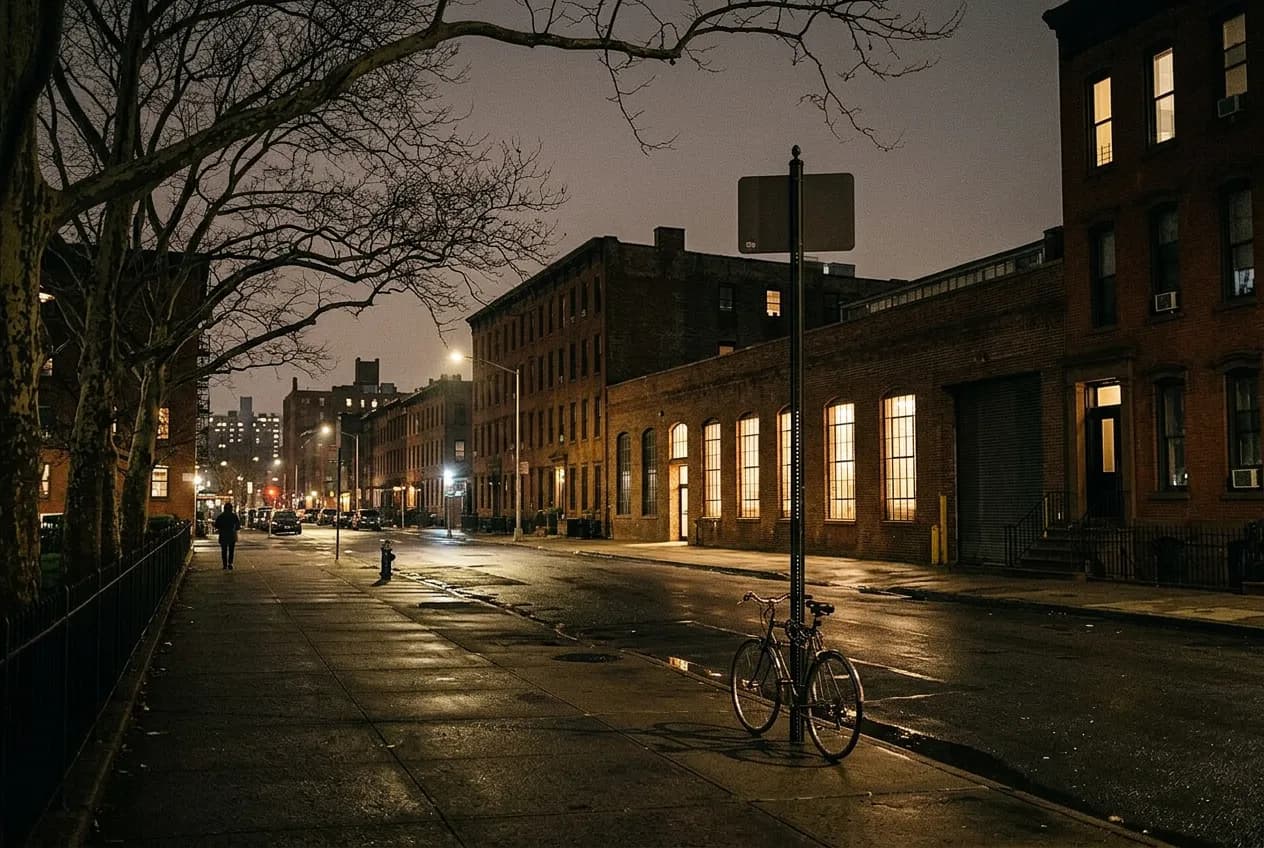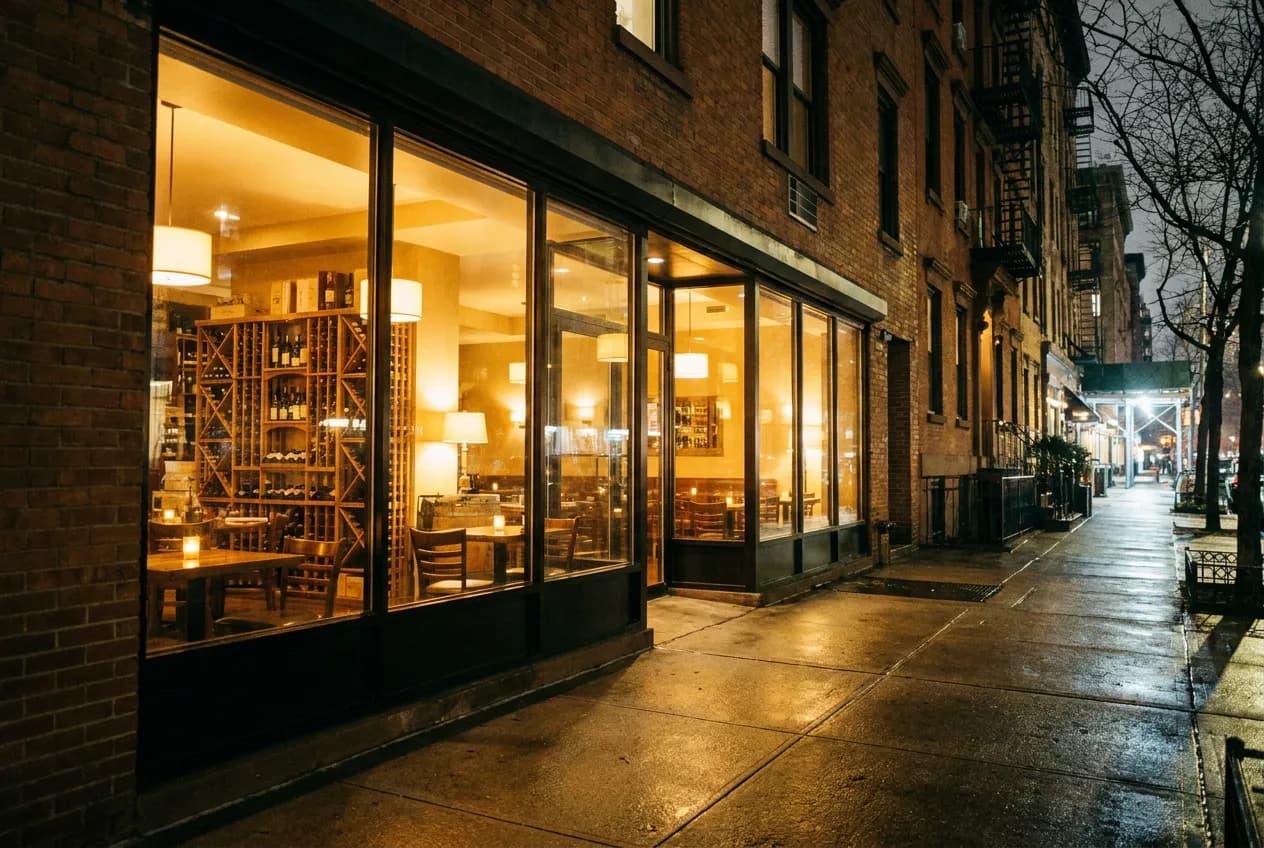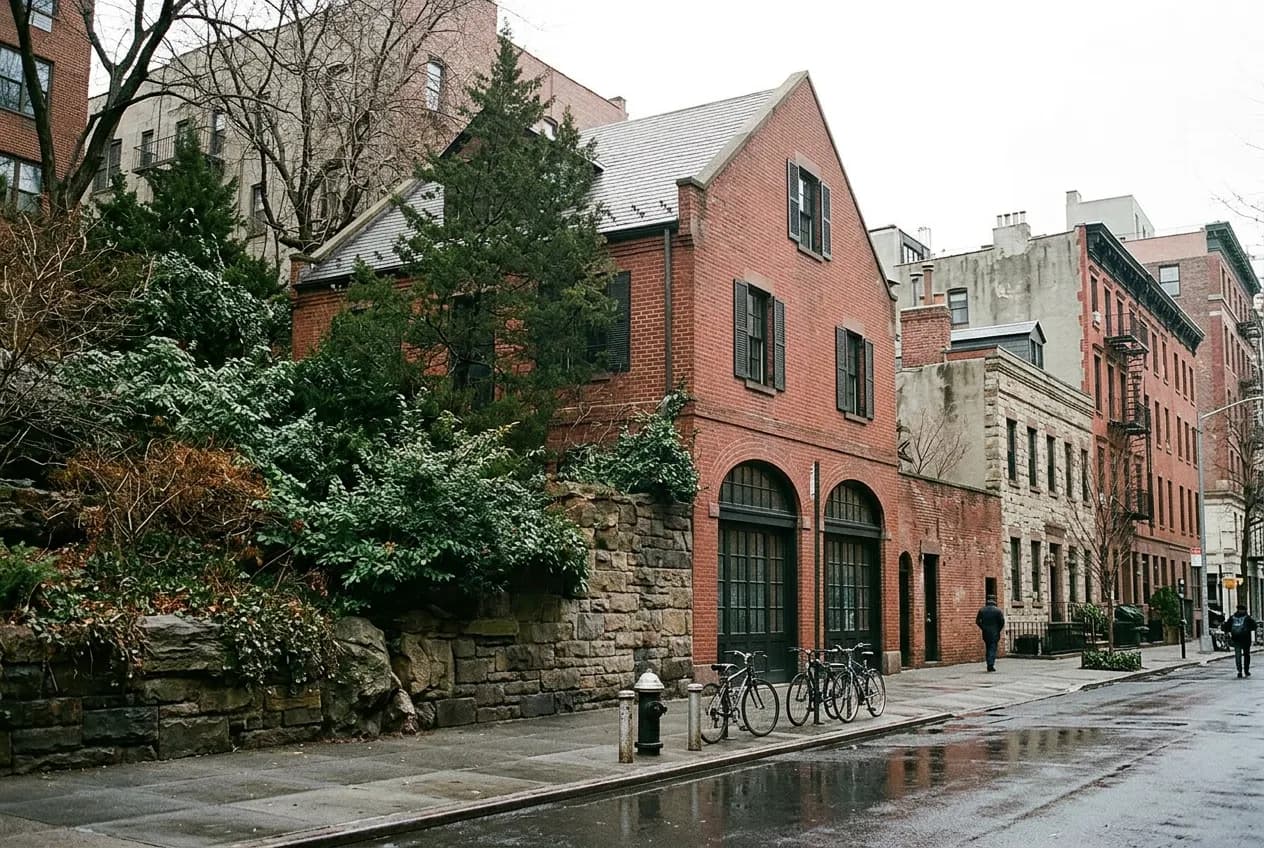
Search results for cooking classes in Chelsea still surface an address on West 17th Street, between Sixth and Seventh Avenues, for a business that no longer runs the class it built its reputation on. Haven's Kitchen opened there in 2012 as a specialty food shop and cooking school inside a converted carriage house, and for years it made 'cooking class near me' searches feel oddly specific: nose-to-tail butchering one weeknight, jam-making the next, taught in a back room behind a shop selling Bellocq teas and local eggs. The pandemic changed that. Founder Alison Cayne closed the physical business and did not reopen it, even as the brand's sauces and some virtual classes carried on elsewhere. What is left in Chelsea is the building and the record of how the format worked there, which is worth understanding before assuming any current listing means a bookable seat.
Karpo checks whether a Chelsea cooking-class listing is still taking bookings before you plan a weeknight around it.
A carriage house built for a different trade
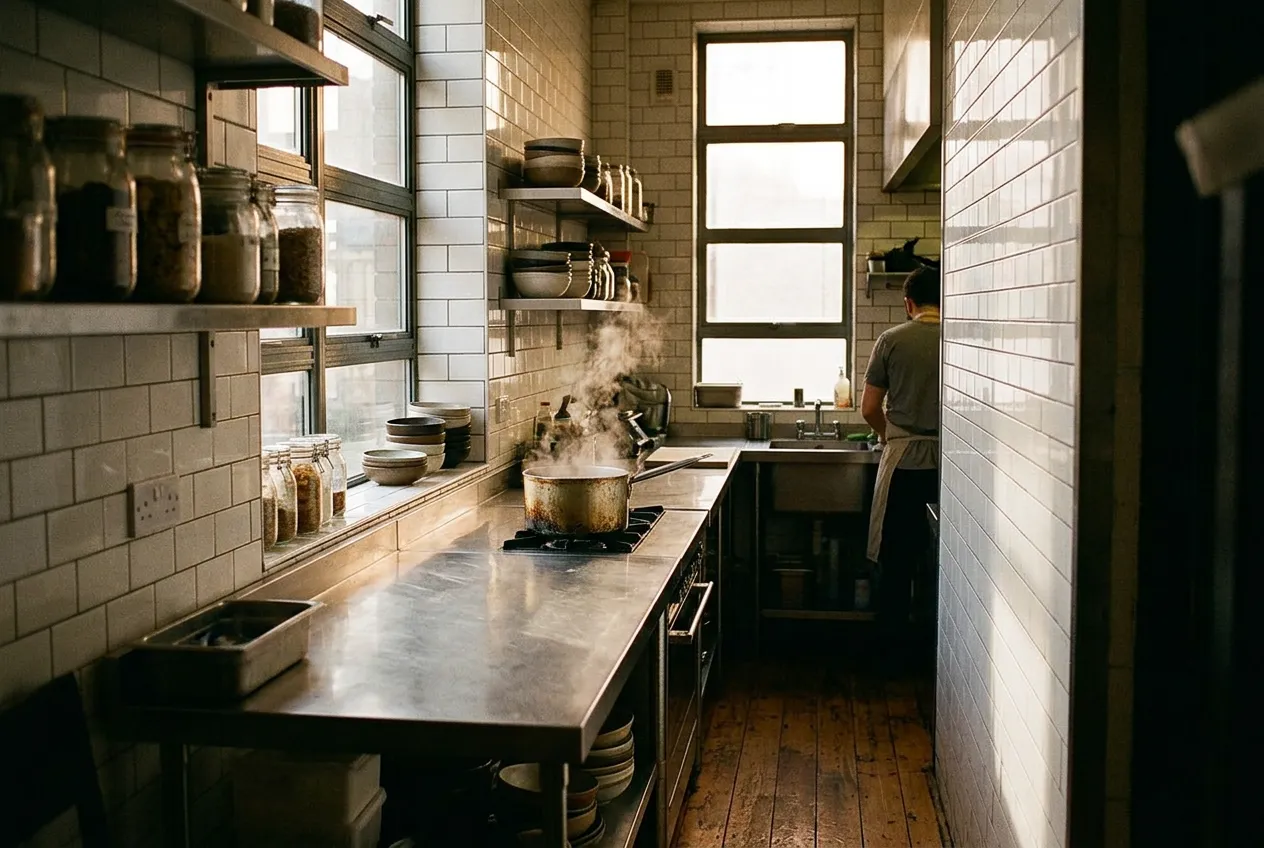
The building at 109 W 17th St was a carriage house before it was anything else, and that history shaped the layout more than any restaurant designer would have chosen from scratch. It ran bi-level, with some accounts describing three usable stories, and classes were taught in a back room rather than a purpose-built demonstration kitchen out front. White subway tiles and wood floors carried through, materials that read as practical rather than decorative, closer to a working kitchen than a showroom.
A narrow, stacked footprint like that naturally caps group size in a way a converted warehouse or a hotel ballroom kitchen never would. Whatever the exact seating count, the physical constraint of a carriage house argues for small, contained sessions rather than the stadium-style demonstration classes some culinary schools run, and the surviving descriptions of the space back that reading.
Butchering and jam, not a beginner buffet
The classes documented at Haven's Kitchen were not generic knife-skills sessions. Nose-to-tail butchering and jam-making are both specific enough to suggest a curriculum built around what the front-of-house shop was already selling — local eggs, granola, house staples — rather than a rotating menu of crowd-pleasers designed to fill seats.
That distinction matters for anyone comparing Chelsea cooking-class listings today. A shop-driven class, tied to ingredients the business actually stocks and sells, tends to run smaller and more specific than a class built purely as an events product. It is a useful filter even where the original example is no longer bookable.
A shop that doubled as a school
Haven's Kitchen was never only a classroom. It operated as a specialty food shop, a cooking school, and, in later coverage, an event space and coffee shop as well — a hybrid that let one storefront do several jobs across a single day. Time Out priced it at 2 of 4, a modest band, and documented hours ran Monday through Saturday, 8am to 7pm, consistent with a retail operation that also happened to teach classes in its back room.
That layering is part of why the address still turns up in searches years after the classes stopped: shop listings and school listings both point to the same door, and neither update automatically when the business behind them changes shape.
The closing that didn't reopen
The brick-and-mortar business closed during the pandemic, and Alison Cayne made the decision not to reopen it as a physical storefront. The classes and the retail counter that had defined the West 17th Street address for eight years did not resume in that building; the brand's condiment line and some virtual classes continued in other forms, but the carriage house itself stopped functioning as a cooking school.
That is a plainer outcome than most closures get, since it was reported directly rather than inferred from a quiet listing. It also means anyone searching Chelsea cooking classes today and landing on this address is looking at a closed chapter, not a slow-to-update page.
What a Chelsea search still turns up
Aggregator listings for restaurants and classes lag real-world changes by design — they are built to be comprehensive, not current — and a business that closed cleanly, with a public statement from its founder, is exactly the kind of result that lingers. The fix is not to distrust every Chelsea listing but to treat the search results as a starting point rather than a booking confirmation.
A short list of checks handles most of the risk before you commit a weeknight to it:
- Confirm whether a listed class is in-person or has moved fully virtual
- Check if the address still operates as a shop or event space, not just a school
- Cross-reference the cross streets, not just the ZIP code, against the nearest subway stop
- Ask about group size before booking — carriage-house-style spaces tend to run small
- Verify payment options directly if the venue is a small, independent storefront
Reading the format before you book
The lesson from West 17th Street is less about one closed address and more about how small, specific cooking schools tend to be built: around a physical space that predates the business, a retail counter that funds the classroom, and a curriculum tied to what the shop already sells. Those are the traits worth scanning for in any current Chelsea listing — a class described in specific terms, taught in a room that sounds lived-in rather than staged.
None of that guarantees a class is still running, but it is a better filter than a search-result ranking, which has no mechanism for knowing that a founder decided, quietly and for good reason, not to reopen a door.
Practical notes
When Haven's Kitchen operated as a brick-and-mortar business, its address was 109 W 17th St, between Sixth and Seventh Avenues in Chelsea, reachable on the 1 train to 18th Street. Documented hours ran Monday through Saturday, 8am to 7pm, and the business accepted AmEx, MasterCard, and Visa. There was no dedicated parking area attached to the location, which is typical for this stretch of Chelsea. The founder, Alison Cayne, closed the physical shop and school after the pandemic and did not reopen it; the brand's sauces and some virtual classes have continued elsewhere. None of these operating details should be read as current — they describe a business that no longer runs at that address in the form this piece describes.
Tags: #ChelseaNYC #CookingClassNearMe #HavensKitchen #CarriageHouseNYC #WestChelsea #NYCFoodSchool #WeeknightClasses #ManhattanCookingSchool #ChelseaFood #NoseToTailCooking #JamMakingClass #NYCCreativeWorkshops #ChelseaHistory
All trademarks are the property of their respective owners.
Ask Karpo first
Before building a Chelsea evening around any cooking-class listing, ask Karpo whether the specific address is still operating as a school and whether the session is in-person or virtual. It is also worth asking whether a nearby, currently open alternative runs a similar small-group format, so a closed storefront does not derail the plan.