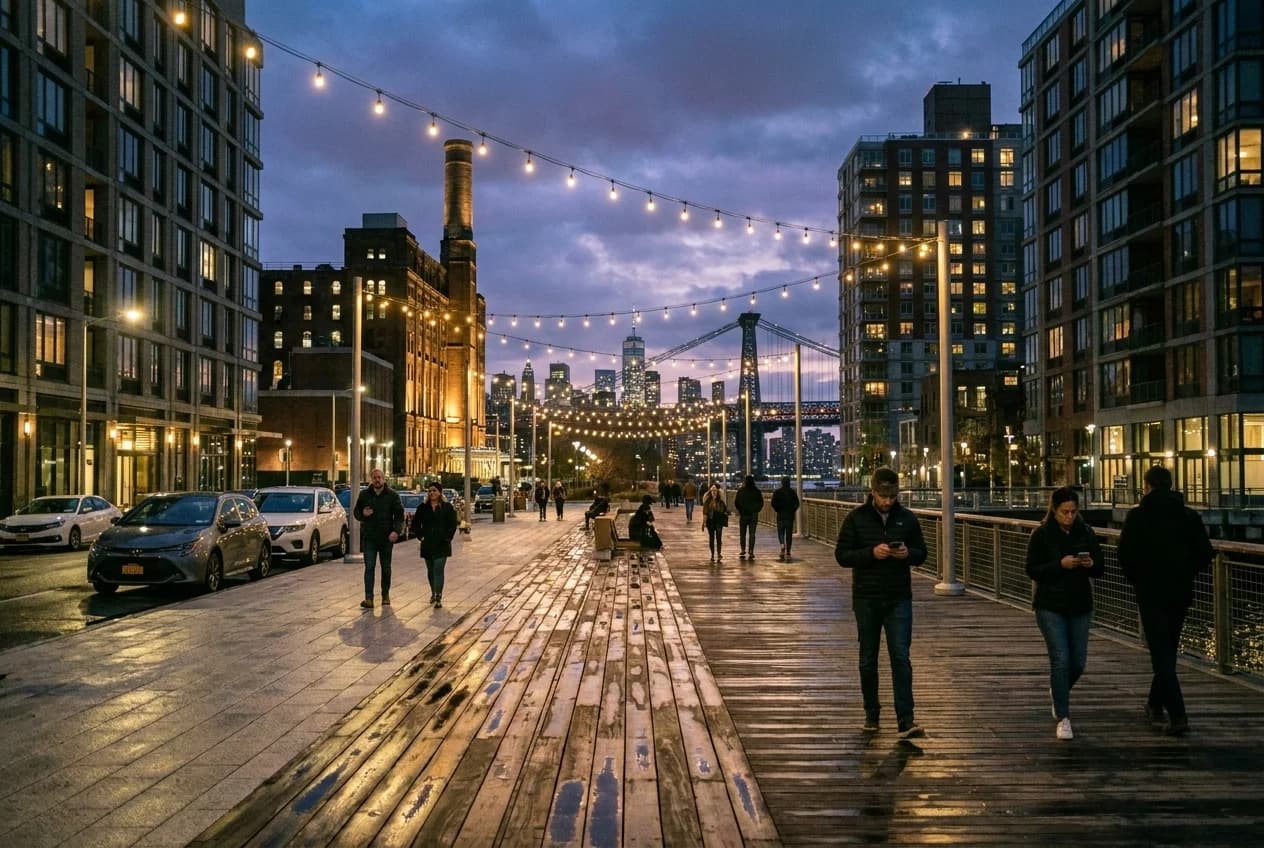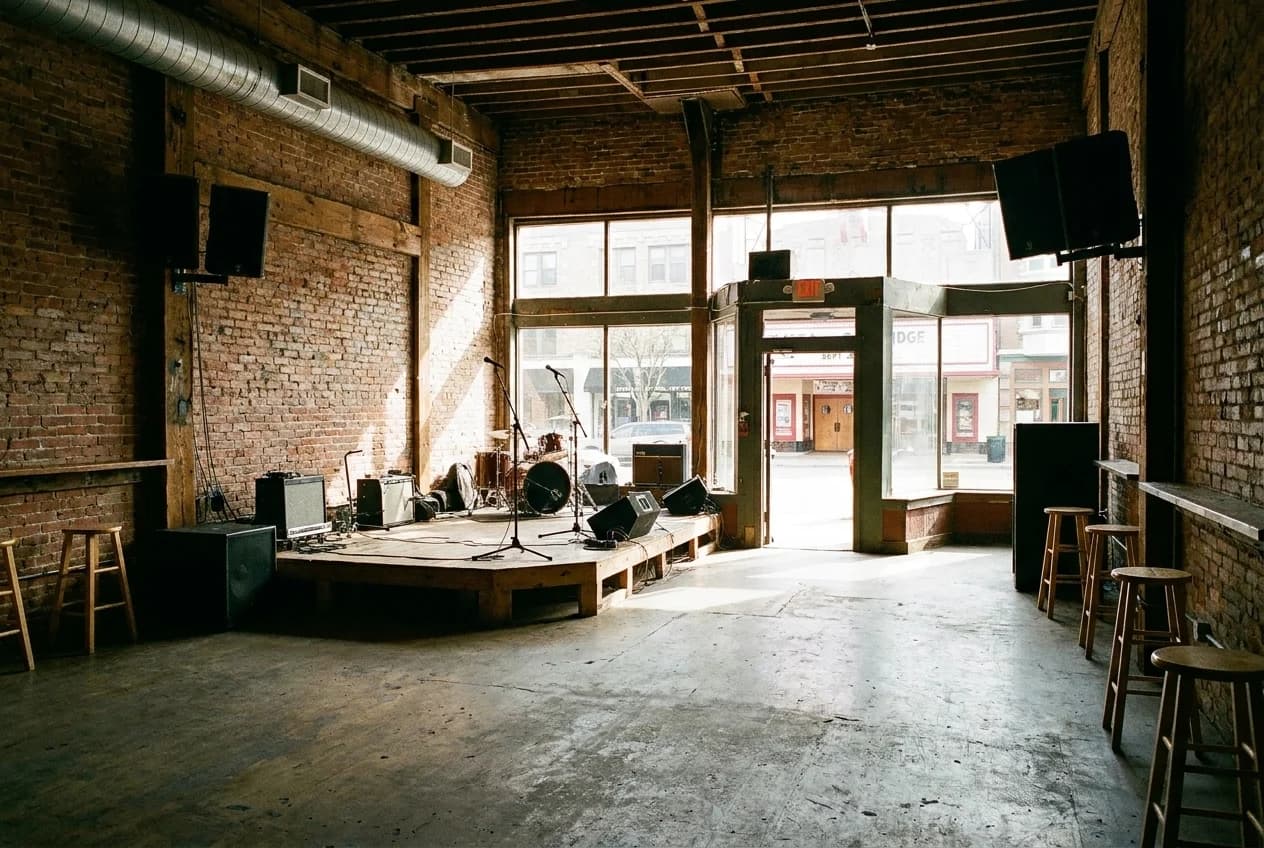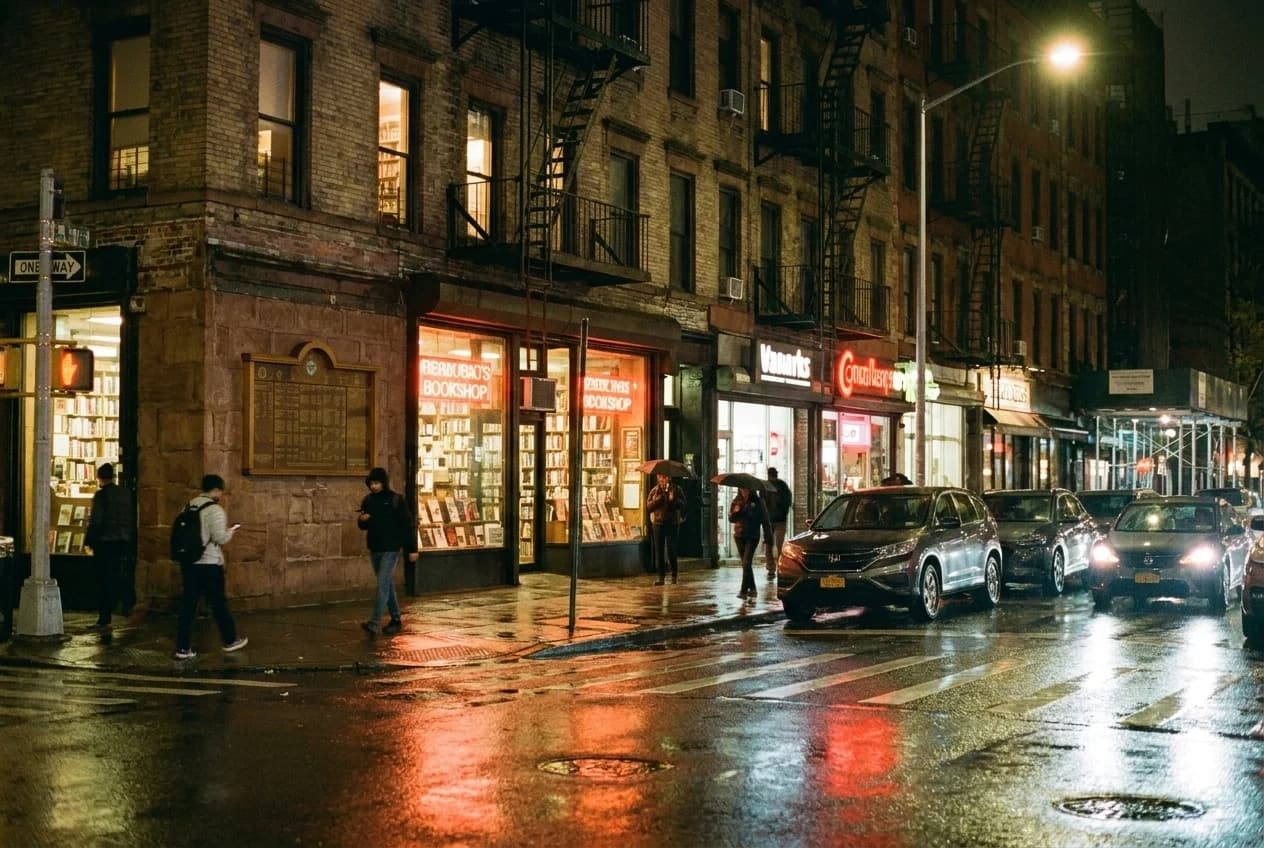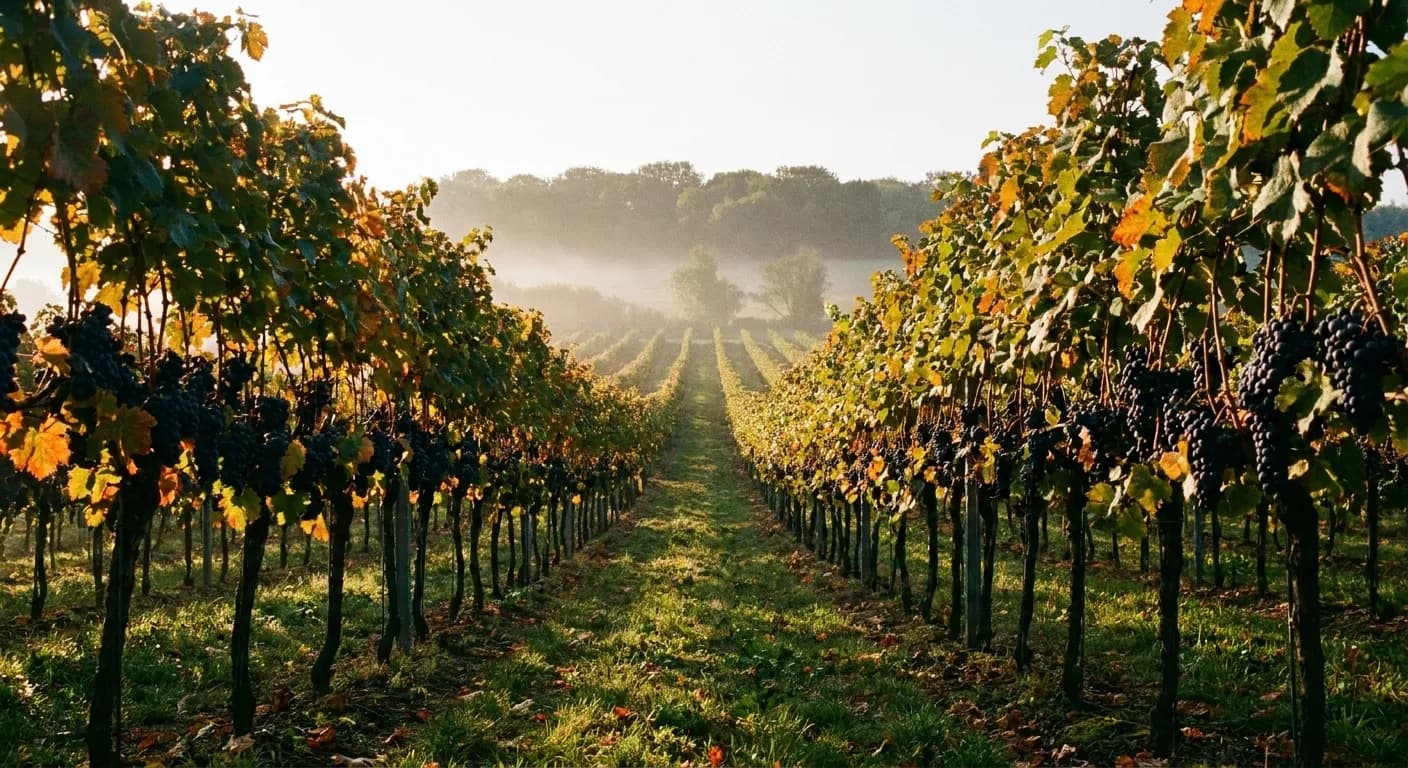
For most of the year a wine tasting in New York is a wine tasting - a flight of four, a card with tasting notes, and the same bottles that were open last month. From about the first week of September through the middle of October it stops being that, because harvest is on. Long Island is picking, the Finger Lakes are picking, and the wine rooms in the city respond with new-vintage pours, producer visits and a general change in what is open. It is the only genuinely seasonal window in the New York wine calendar and it is short.
Harvest programming is announced days rather than weeks ahead, because it depends on when the fruit actually comes in. Tell Karpo which part of the city you are in and it will find what is pouring this week rather than what was on last month.
Why the timing matters at all
Harvest is not a marketing season, it is a logistics one. Fruit comes off the vine over roughly six weeks depending on variety and weather, and everything downstream - which producers are in the city, which wines get opened, what is released - follows it.
The practical consequence for a drinker is that this is when the previous vintage's whites and rosés get poured off to clear space, when producers who never leave their vineyards actually turn up at tastings, and when the rooms that care about this stuff programme around it. Six weeks later none of that is true.
What is actually being harvested nearby
The North Fork of Long Island is the closest wine region to the city - about two hours east - and picks through September and into October, mostly Bordeaux varieties, plus a good deal of chardonnay and increasingly interesting cabernet franc. The Finger Lakes, five hours north, are picking riesling, which is what that region does better than anywhere else in the country.
The Hudson Valley is closer than either, about ninety minutes north, and is the least known of the three. Its harvest runs slightly earlier and its output is smaller and more experimental. All three send wine into the city and all three have producers who come down during and just after harvest.
What to ask for in a wine room right now
Ask what has just been released rather than what is popular. Late September is when the previous year's whites and rosés from these regions arrive in the city, and a bottle that landed last week is a genuinely different proposition from one that has been on the list since spring.
The other question worth asking is whether anyone from a local producer is coming in. Small importers and wine bars run informal producer tastings through this window and they are frequently free or close to it, and almost never advertised further than a chalkboard.
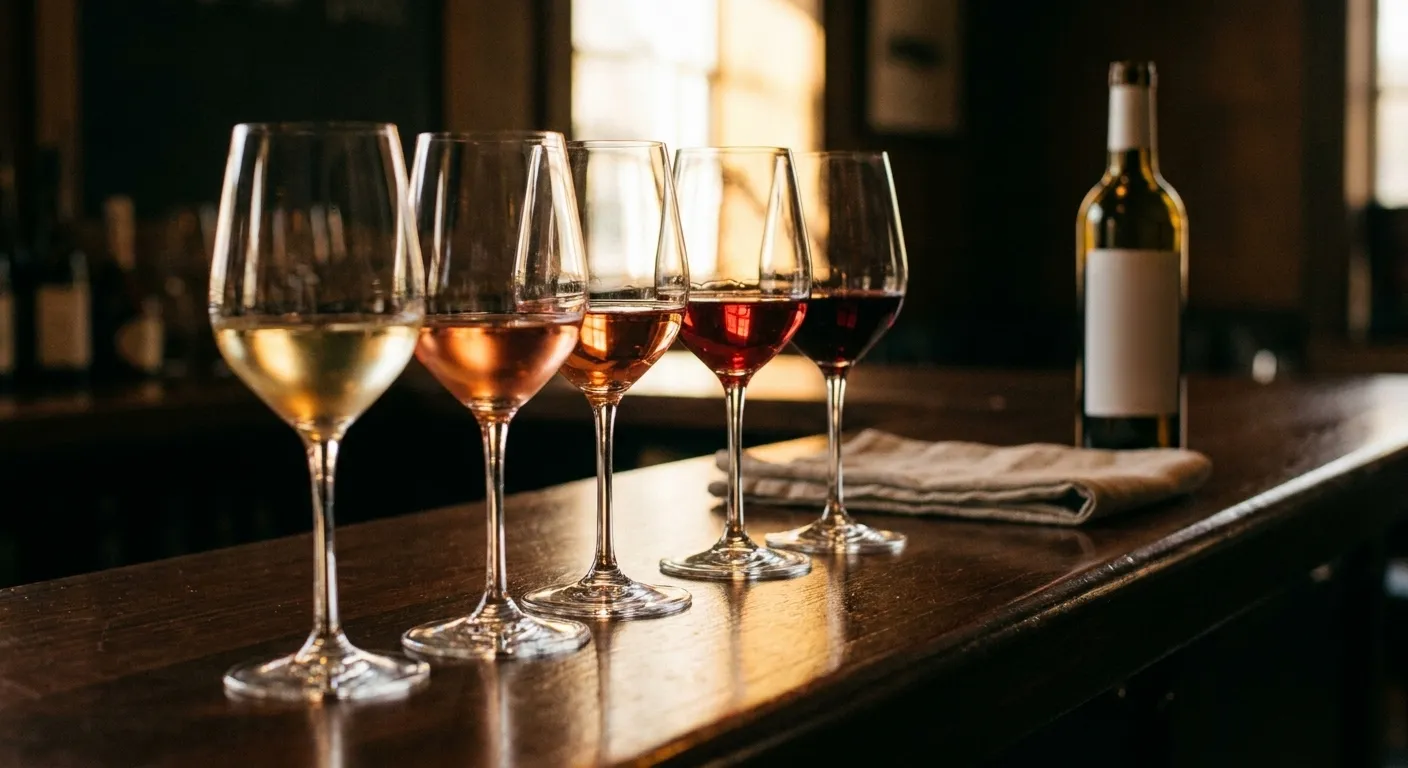
The city rooms worth using this season
The distinction is between a wine bar with a list and a wine shop that pours. The shops that run a bar licence and open bottles at the counter are the better value by a wide margin - you are paying retail plus a small corkage rather than a restaurant mark-up, and the person pouring usually chose the bottle themselves.
These are scattered across the East Village, Brooklyn and the Lower East Side rather than clustered, and the good ones tend to be small, have twenty seats and no reservations. Autumn is when their lists change most, which makes now the right time to walk into one you have not tried.
Going out to the vineyards, honestly assessed
The North Fork is a genuinely good day trip and harvest weekends are the busiest of its year. That cuts both ways: the tasting rooms are lively, there is often something being pressed you can see, and it is also the one time you will queue at a tasting bar.
The realistic version is the Long Island Rail Road to Ronkonkoma and a car from there, or a bus service that runs out east at weekends. Driving yourself to a wine region and then tasting at four producers is a plan with an obvious flaw, and the North Fork's roads are not forgiving.
What to actually drink
For Long Island, cabernet franc is the variety that has quietly become the region's strongest case - lighter than a Bordeaux red, herbal, and suited to the climate in a way merlot has not always been. For the Finger Lakes, dry riesling, and specifically the drier end rather than the off-dry versions that region is better known for.
New-vintage rosé is the harvest-season pour and it is also the most perishable thing on the list. If a room has just opened one, drink it now rather than making a note to come back - it will not be the same bottle in November.
Practical notes on the window
It closes around the middle of October. After that the tasting rooms revert to the year-round programme, the producers go back to their cellars, and the seasonal reason to go disappears until spring releases.
Weekday evenings in the city rooms are the calm version and weekend afternoons are the social one. If you want to actually talk to whoever is pouring, go on a Tuesday - during harvest they will have something to tell you that they will not have in January.
What harvest does not change
One honest caveat: harvest affects what is newly available and who is in town, and it does not make every bottle in the city better. A wine bar that was pouring an uninteresting list in July is pouring the same list in October with two new arrivals on it.
The seasonal argument applies to the rooms that actually buy from these regions and pay attention to release dates. It is worth asking directly whether anything on the list came in this month - the answer sorts the two kinds of room in about five seconds.
Tags: #WineTastingNearMe #NewYorkCity #HarvestSeason #LongIslandWine #FingerLakes #NYCWineBars #Autumn #NYCWeekend #WineTasting #NorthFork
All trademarks are the property of their respective owners.
Ask Karpo first
The harvest window is six weeks and then the wine calendar goes flat until spring. Ask Karpo which rooms near you have new-vintage bottles open right now and whether anyone is pouring for a producer this week.