When people in Los Angeles search for wine tasting, most are bracing for a two-hour drive and a booked-out weekend in Paso Robles or Malibu. The assumption is that serious tasting requires a vineyard, a reservation and a designated driver. That version exists and costs accordingly. The better everyday version happens in the city on Tuesday nights, costs half as much, and teaches you more about what you actually like because you can repeat it weekly instead of twice a year.
The Karpo app tracks which bottle shops in your neighborhood are pouring tonight and which importer tasting events are open to walk-ins. It also knows which wine bars run flights versus single pours.
The structural difference is this: wine country tasting rooms charge you to try the wines they make, which means you are tasting one producer's range in one style. In-city wine tasting happens at bottle shops that pour what they sell and at wine bars running flights from different importers. You taste across regions, across price points, and across the preferences of whoever is curating the selection that week. You leave with a better sense of what a Rhône blend costs versus a Piedmont red, and you can buy the bottle you just liked for thirty dollars instead of joining a club.
The Day-Trip Model Versus the Neighborhood Pour
A Saturday drive to wine country in Southern California means Temecula, Paso Robles or the Santa Ynez Valley. Tasting fees run fifteen to thirty-five dollars per person at most rooms, waived if you buy bottles. You will visit three or four producers in an afternoon, taste four to six wines at each stop, and spend sixty to one hundred and twenty dollars per person before you buy anything. The experience is pleasant and the settings are often beautiful, but you are learning about those specific wineries, not about wine generally.
The time cost is the bigger issue. A round trip to Paso Robles from central Los Angeles is four and a half to five hours of driving. Add three hours of tasting and a meal, and the day is gone. Temecula is closer but still requires two and a half hours of driving round trip. If you are going with a group and treating it as a weekend outing, that trade makes sense. If you are trying to figure out whether you prefer Old World structure or New World fruit, it does not.
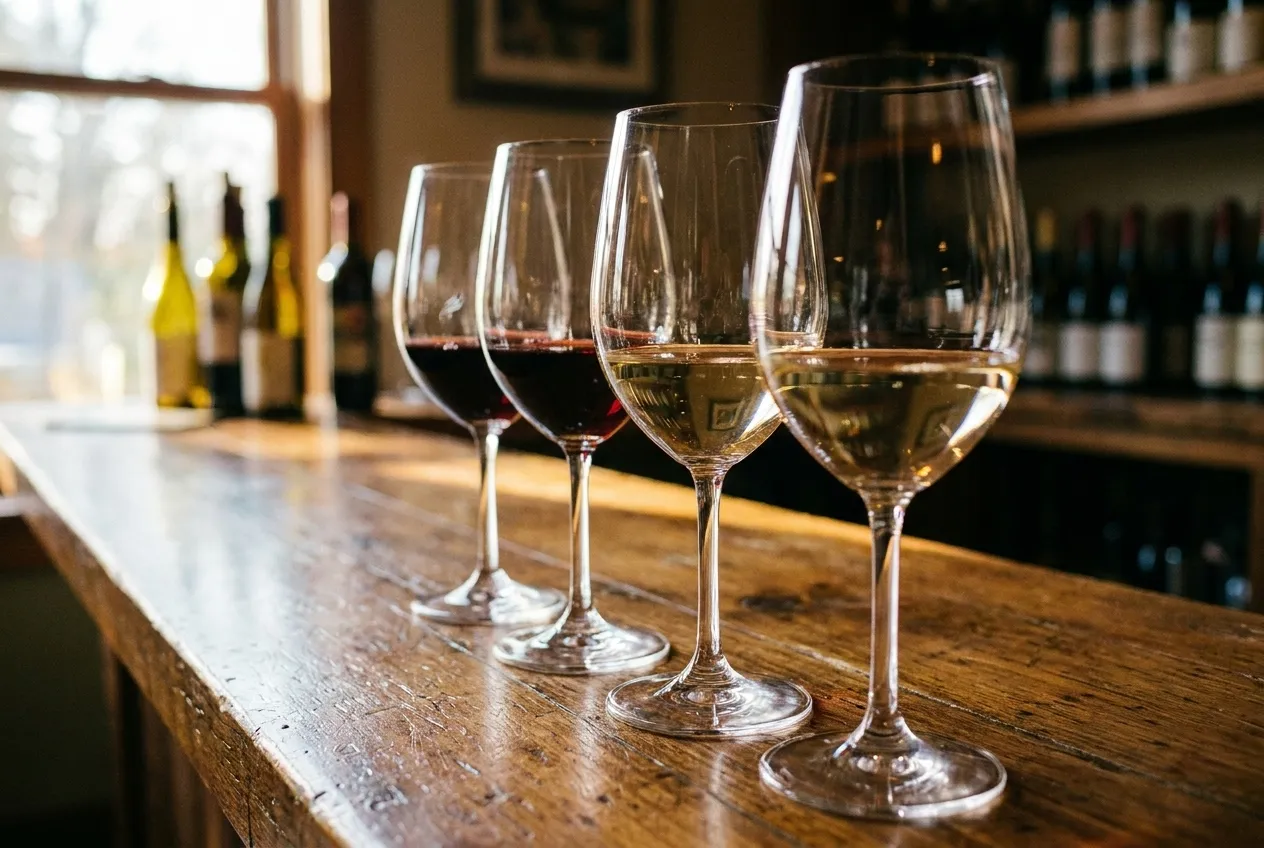
The in-city version costs less and repeats better. Bottle shops in Los Angeles that pour on-site typically charge eight to fifteen dollars for a flight of three or four wines. Wine bars running structured flights charge twelve to twenty dollars. You are in and out in ninety minutes, you can walk or take a short ride, and you can do it on a Wednesday after work. Over a month, you can taste wines from four different importers or four different regions for the same money you would spend on one Saturday in Paso.
Where the Clusters Are and How They Work
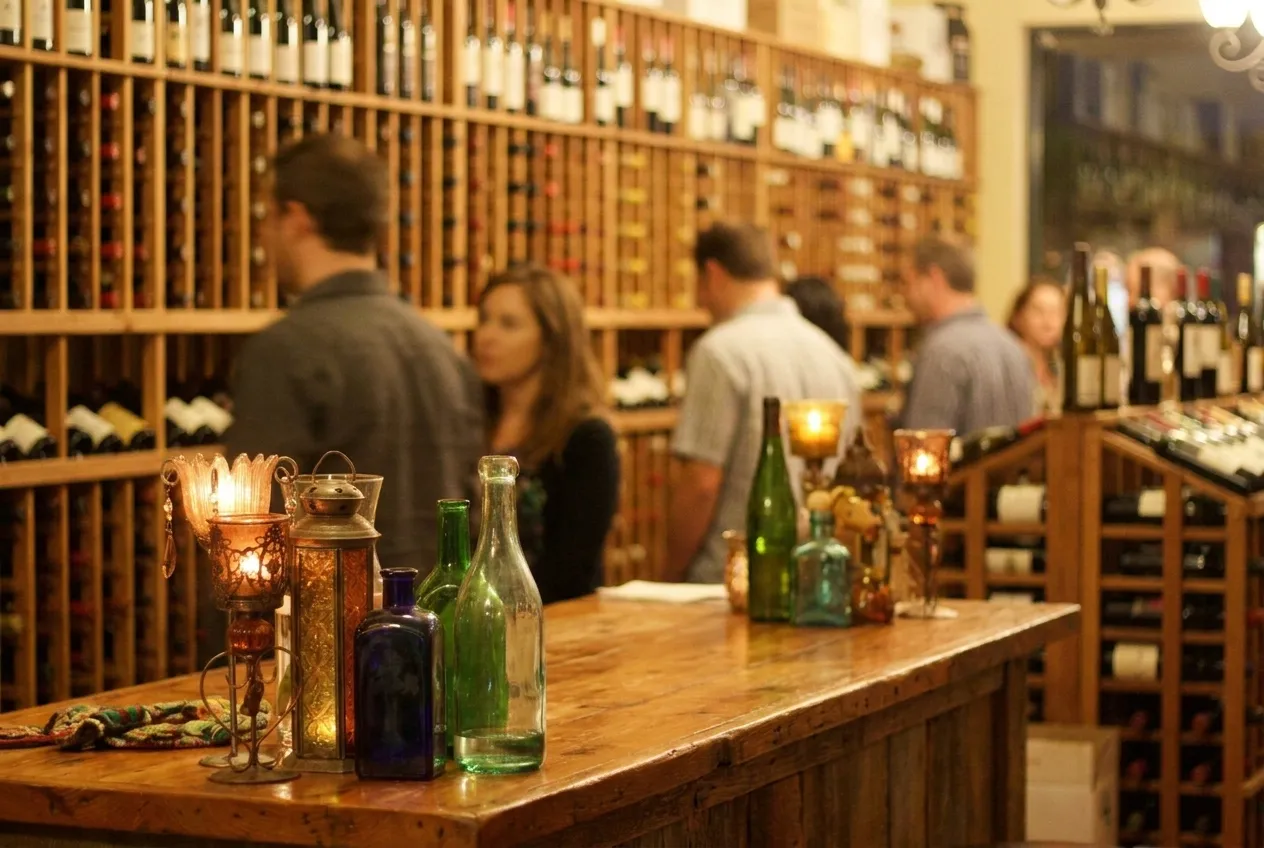
The densest cluster of bottle shops pouring wine is in Silver Lake, Los Feliz and Echo Park. These shops stock natural and low-intervention wines, and most pour Thursday through Saturday evenings. The format is casual: you walk in, the staff pours you a glass or builds you a flight, and you sit at a small bar or take it outside. The selection rotates weekly based on what the buyer is excited about, so you taste different producers every time. Expect to pay ten to eighteen dollars for a glass, slightly less for a flight.
Downtown Los Angeles has a second cluster, concentrated in the Arts District and near Grand Central Market. These tend to be wine bars with deeper lists and more formal flights. The focus is often on European wines, particularly French and Italian, and the flights are structured by region or style. A flight of three Burgundies or three southern Italian reds will run fifteen to twenty-five dollars. The advantage here is comparison: you taste three expressions of the same grape or region side by side, which is how you learn what the differences actually cost.
West Hollywood and Beverly Grove have wine bars aimed at a slightly higher price band. Flights here are twenty to thirty dollars, and the wines skew toward allocated bottles and smaller producers. The rooms are quieter and the pours are more generous. If you are trying to decide whether a sixty-dollar bottle is worth it before you commit, this is the place to do it. The trade-off is that the selection is narrower and the rotation is slower.
Santa Monica and Venice have bottle shops that pour, but they are more spread out. The advantage is proximity to the beach and a slightly more relaxed pace. The disadvantage is that the selection tends toward approachable, easy-drinking wines rather than challenging or unfamiliar bottles. If you are meeting friends and want a glass without much decision-making, it works. If you are trying to expand your range, head east.
Importer tasting events are the other format worth knowing. Several importers in Los Angeles host standing tastings once or twice a month, usually at a wine bar or bottle shop. These are walk-in events where you pay a flat fee—typically twenty to thirty dollars—and taste through a portfolio of ten to fifteen wines. The importer or a representative is there to explain what you are drinking, and the goal is to expose you to producers you would not find on a standard retail shelf. The schedule is irregular, but the value is high if you catch one.
Which to Choose Depending on What You Want
If you are drinking to relax and the wine is secondary to the setting, the day trip wins. Vineyards are prettier than bottle shops, and the ritual of driving somewhere and spending the afternoon is part of the appeal. You are paying for the experience as much as the wine, and that is fine if that is what you want. Go with friends, book a driver or a tour, and treat it as an outing rather than an education.
If you are drinking to figure out what you like—to learn the difference between a Bandol and a Barolo, or to understand why one natural wine tastes like a barnyard and another tastes like strawberries—the in-city pour is better. You will taste more variety, spend less money, and be able to repeat the exercise often enough that the lessons stick. The format is less romantic, but the learning curve is steeper because you are comparing across producers and styles instead of tasting one winery's range.
The hybrid approach is to do the day trip once or twice a year and do the neighborhood pour once or twice a month. Use the vineyard visits to understand how a specific producer thinks about their wines, and use the in-city tastings to build a mental map of what exists and what it costs. Over six months, the in-city habit will teach you more than three Saturdays in wine country, and you will spend less money doing it.
The Habit That Transfers
The single transferable habit is this: when you taste a wine you like, write down the importer or distributor, not just the producer. The importer is listed on the back label in small print, and it tells you who is choosing and bringing in that wine. If you liked one bottle from a particular importer, you will probably like others in their portfolio because importers have a point of view. Most bottle shops and wine bars organize their selection by importer, so once you know which importers match your taste, you can navigate any shop faster.
This works in every city and at every price point. It turns wine buying from a guessing game into a filtering system. You stop reading back labels for tasting notes and start looking for the importer name you recognize. Over time, you build a short list of three or four importers whose selections you trust, and that list makes you faster and more confident every time you walk into a shop or scan a wine list.
Tags: #WineTastingNearMe #LosAngelesWine #WineBarsLA #BottleShops #WineFlights #SilverLakeWine #DowntownLAWine #NaturalWine #WineEducation #LosAngelesBars #WeeknightWine #WineImporters #LANightlife #WineLovers
Please drink responsibly. Must be of legal drinking age.
All trademarks are the property of their respective owners.
Ask Karpo first
The Karpo app knows which bottle shops in your neighborhood are pouring tonight and which wine bars are running flights right now. It also tracks importer tasting events and standing pours that do not require reservations. Open the Karpo app, ask what is open for wine tasting within a ten-minute ride, and it will route you to the closest option with space.