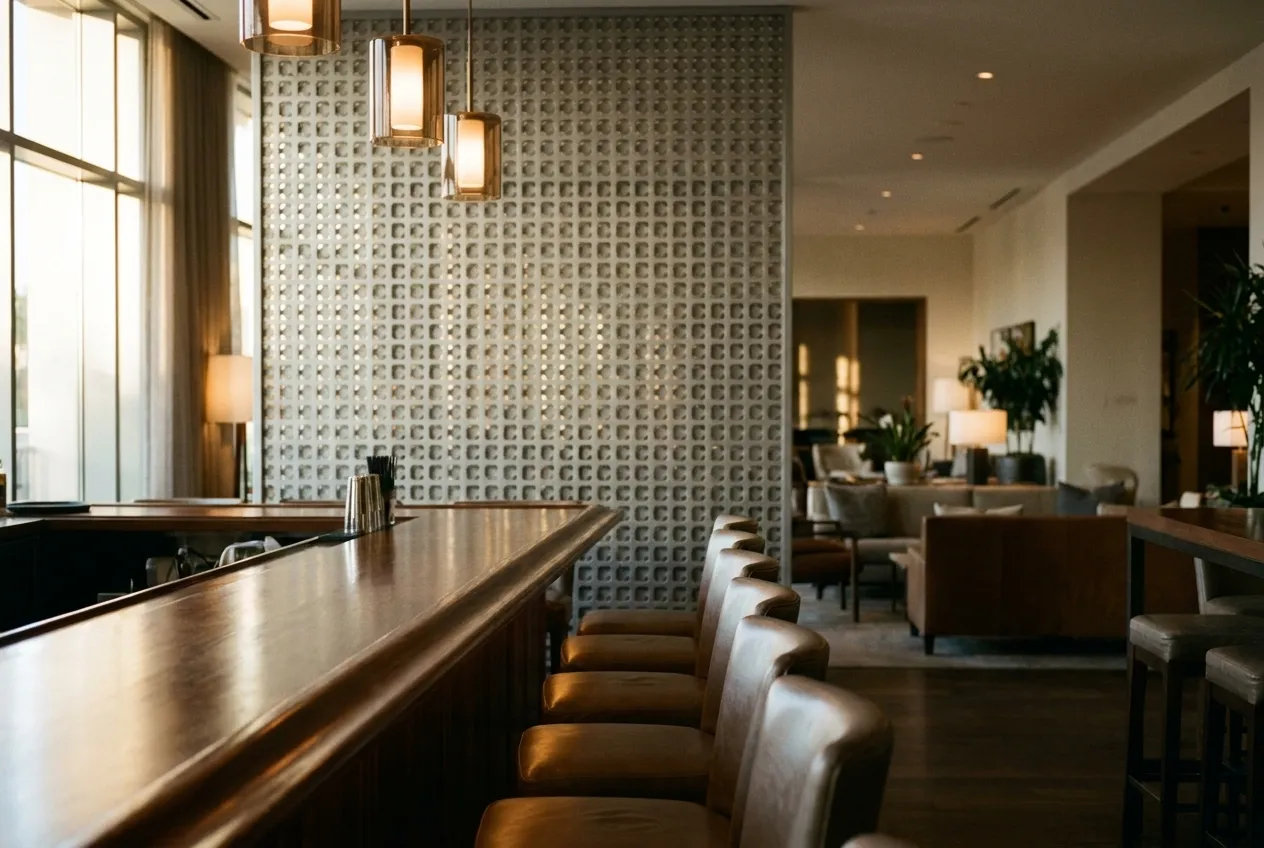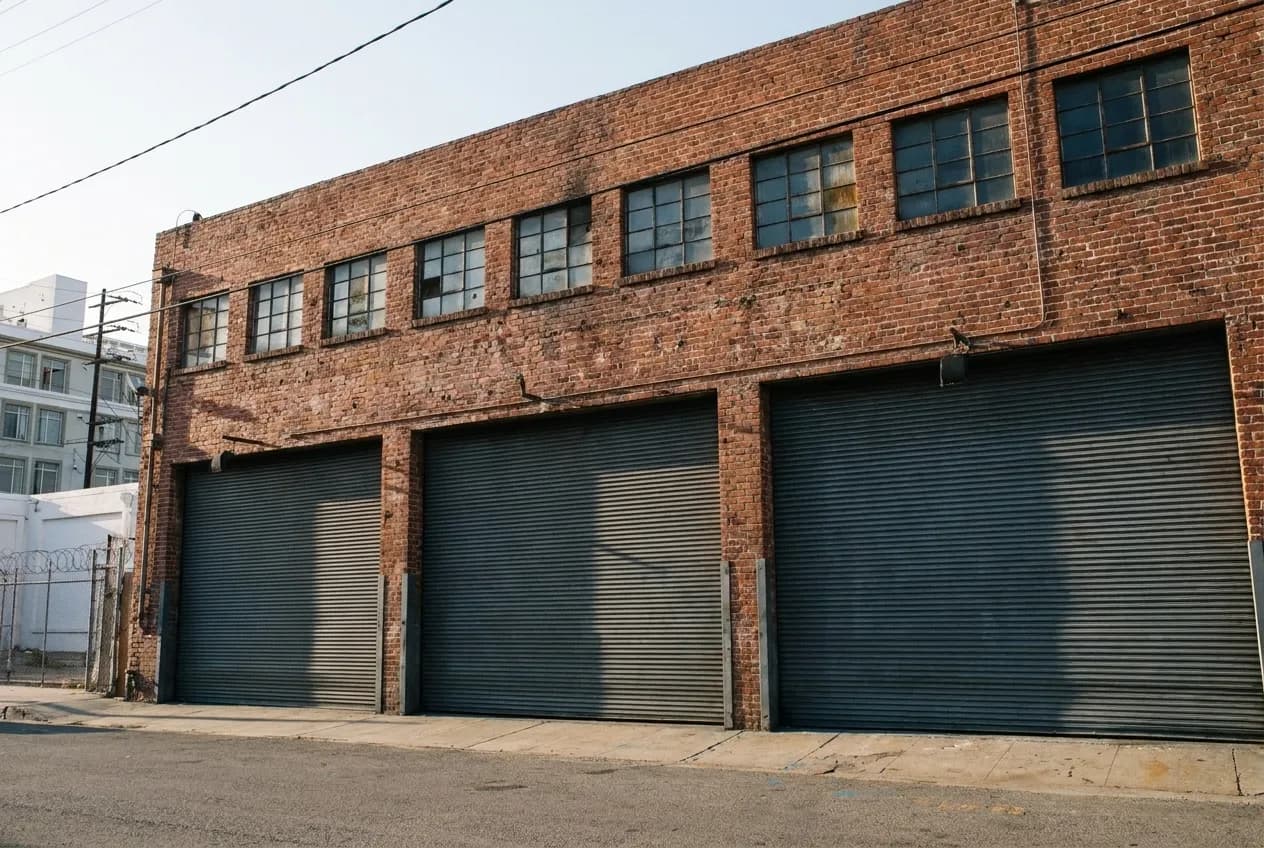
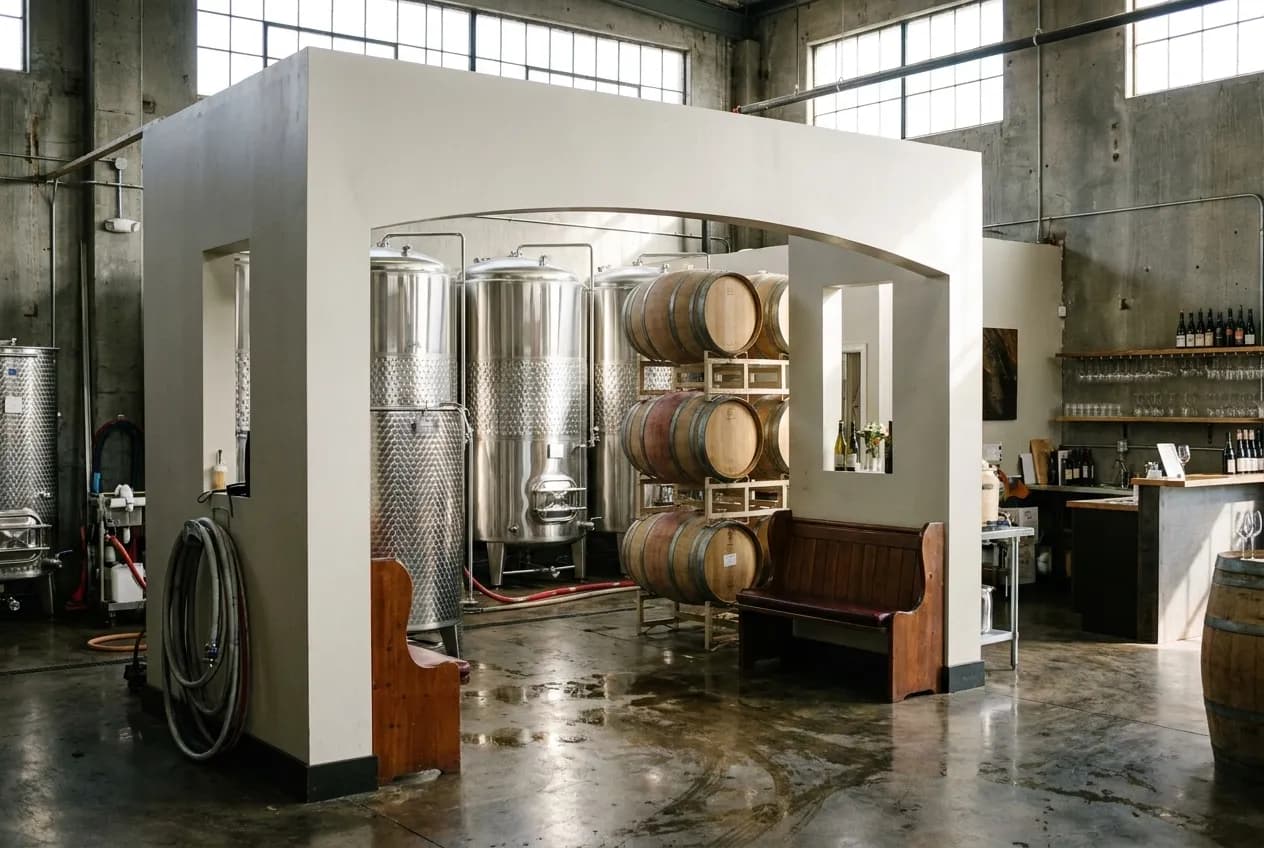
The urban winery clusters sit in the industrial blocks where rent is low enough to store barrels and where loading docks can handle grape deliveries from the Central Valley and Santa Barbara County. Downtown LA has the densest concentration, in the Arts District east of Alameda and south of the LA River, where production facilities double as tasting rooms Thursday through Sunday. A second cluster runs through Culver City and the western edge of the Arts District, and a smaller one operates in San Pedro near the port. These are not retail shops with a few open bottles. You are tasting on the production floor, often within sight of the fermenting tanks and the bottling line, and the person pouring knows what went into the press because they were there when it happened.
Open the Karpo app right now to see which urban wineries are pouring tonight, what the last seating time is, and whether you need a reservation or can walk in.
Why the Production Floor Matters
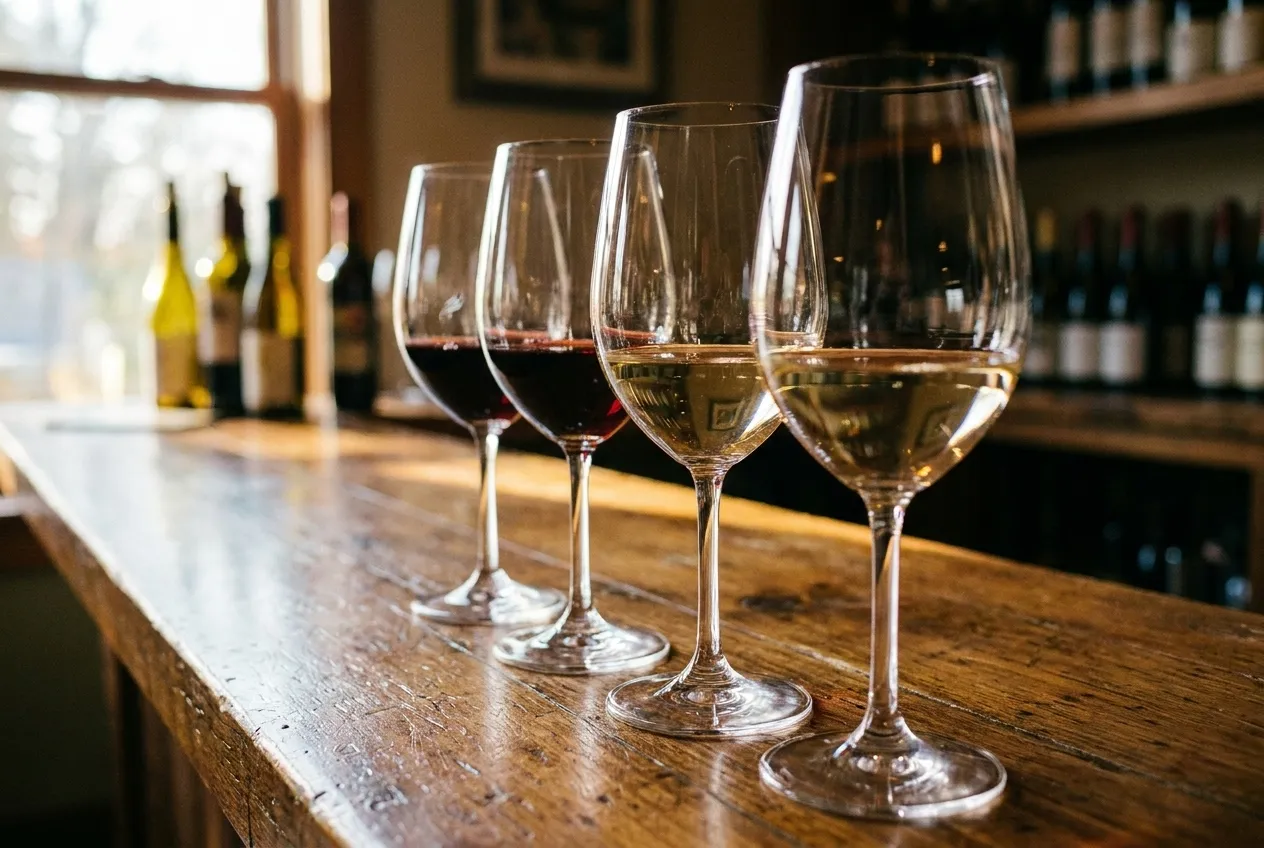
A bottle shop pour gives you access to finished inventory and a salesperson who may or may not have met the winemaker. A production-floor tasting room gives you access to the winemaker's current decisions, often including barrel samples and wines that will not be bottled for months. The person pouring can tell you which vineyard block the fruit came from, what the harvest date was, and why they chose neutral oak over new French. You taste vertically through a single varietal across three vintages, or horizontally across three different vineyard sources in the same year, because the winery controls the comparisons and the context.
The tasting fees run ten to twenty-five dollars per person, typically waived with a bottle purchase. Most urban wineries pour four to six wines in a flight, and the flights are built around the winery's production focus rather than a regional survey. If the winery specializes in natural-process wines with minimal intervention, the flight reflects that. If they source only from organic or biodynamic vineyards, every pour comes from that pipeline. The tasting notes are specific to the winemaker's choices, not to a distributor's catalog, and the recommendations are about which wine suits your palate rather than which one has the highest margin.
Weekend Tasting Room Hours Versus Weeknight Pours
Saturday and Sunday tasting hours in the Arts District typically run from noon to six or eight in the evening, and most wineries take walk-ins until an hour before close. The weekend crowd is larger, the pours are faster, and the winemaker may not be on the floor because they are managing production in the back. You get a competent tasting from trained staff, but the depth of the conversation depends on how busy the room is and whether the person pouring has time to talk through the vineyard decisions.
Weeknight hours are shorter and less predictable. Thursday and Friday evenings often run from five to nine, but some wineries open only on Fridays and only by reservation. The weeknight crowd is smaller, the pours are slower, and the winemaker is more likely to be pouring their own wine and answering questions about the blend ratios or the decision to go with ambient yeast. If you want to talk through the winemaking process rather than just taste the results, the weeknight session is worth the narrower window. Reservations are not always required, but they guarantee a spot during the limited hours, and some wineries will not pour without one after six in the evening.
The Ride Home Before the First Pour
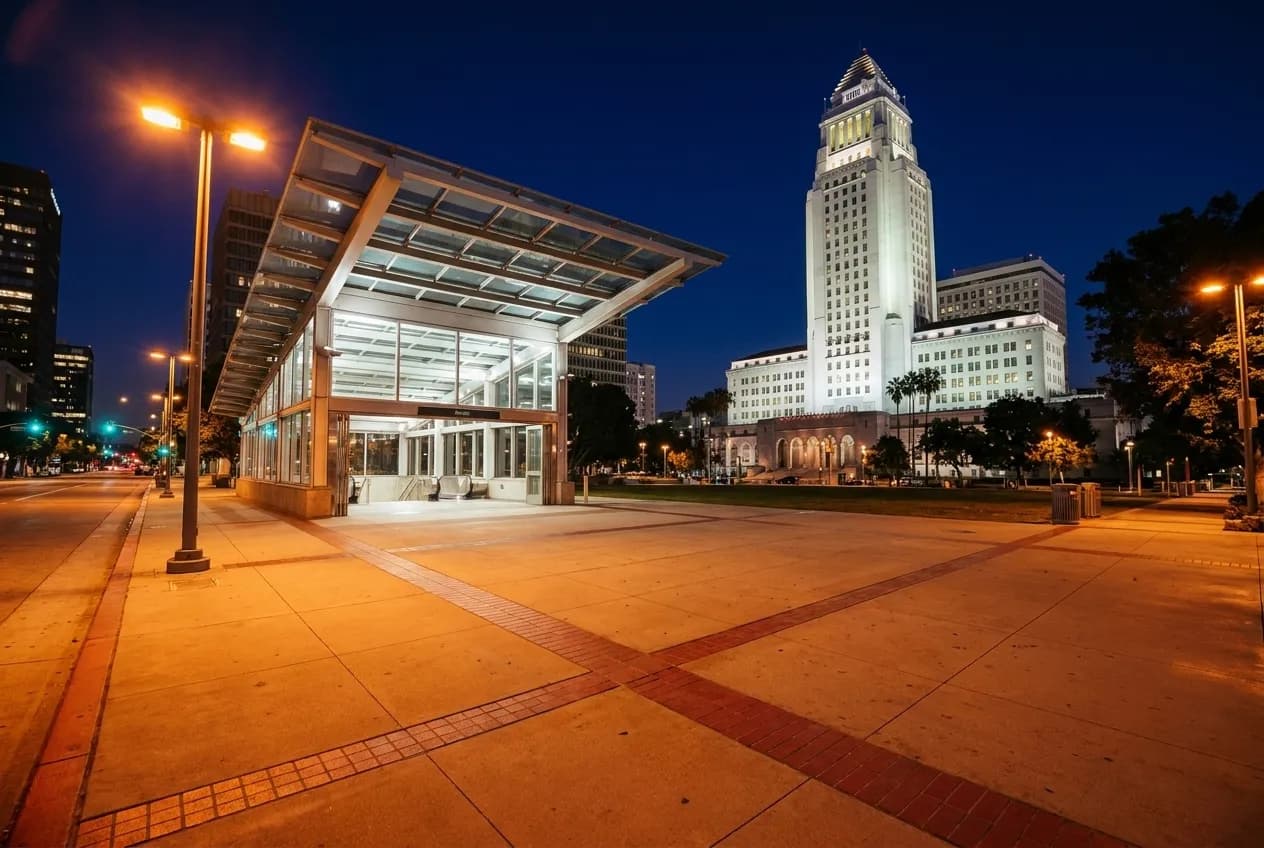
The industrial blocks where urban wineries cluster are not dense with rideshare drivers, and the wait time for a pickup can stretch to fifteen or twenty minutes after eight in the evening. Plan the ride home before you start tasting, which means confirming that rideshare service is available in the area at the time you expect to finish, or identifying the nearest transit line and checking the schedule. The Arts District is walkable to the Metro L Line at Pico Station, but that is a twelve-minute walk east from most of the wineries, and the evening frequency is every twelve to twenty minutes depending on the day. Culver City wineries sit closer to the Expo Line, with stations at Culver City and Palms within a ten-minute walk of the production blocks.
If you are tasting with a group, designating a driver before you arrive is the simpler option, but it only works if that person is committed to not tasting or is tasting at a level that keeps them under the legal limit. Most urban wineries do not have food service beyond crackers and cheese, so the tasting happens on an empty stomach unless you eat before you arrive. The alcohol hits faster, and the impairment builds across multiple pours even when each pour is small. The assumption that you can taste six wines and still drive safely is the assumption that gets tested by a checkpoint, and the checkpoints in the Arts District run on Friday and Saturday nights when the tasting rooms are busiest.
Some wineries will call a rideshare for you, but that is a courtesy, not a service they advertise, and it depends on whether the staff has time and whether you ask before you are visibly impaired. The better approach is to open the rideshare app before the first pour, confirm that drivers are active in the area, and save the pickup location so you are not fumbling with the address after the tasting. If the wait time is longer than ten minutes, consider moving to a winery closer to a transit line for the next stop, or ending the tasting earlier than planned so you leave before the evening rush empties the area of available drivers.
When the Tasting Room Is Fully Booked
The most popular urban wineries in the Arts District book out on Saturday afternoons, especially during harvest season in the fall when the production activity is visible and the new vintage is coming in. When the tasting room you planned to visit is fully booked or closed for a private event, walk two blocks in any direction and you will find another production facility pouring on the same schedule. The Arts District alone has more than a dozen urban wineries within a half-mile radius, and most of them do not require reservations for walk-ins before five in the evening. The smaller operations often have more time to talk through their process, and the wines are just as serious even when the branding is less polished.
If every tasting room in the immediate cluster is full, the fallback is not to drive to Malibu or wait until next weekend. The fallback is to shift to a wine bar in the same neighborhood that pours by the glass from a curated list of California producers, many of whom operate urban wineries you can visit on a different day. The wine bars in the Arts District and Culver City are open later than the tasting rooms, they serve food, and they often feature the same small-production wines you would taste on the production floor. You lose the barrel samples and the winemaker conversation, but you gain a longer tasting window and a menu that pairs with the pours. The ride home is easier because wine bars sit on the main commercial blocks where rideshare drivers circulate, and the transit lines are closer.
Tags: #WineTastingNearMe #LosAngelesWine #UrbanWinery #ArtsDistrictLA #CulverCityWine #ProductionFloorTasting #LAWineries #CaliforniaWine #WineTastingLA #DowntownLAWine #LosAngelesBars #LANightsOut #WineCountryLA #SmallProductionWine #LACraftWine
Please drink responsibly. Must be of legal drinking age.
All trademarks are the property of their respective owners.
Ask Karpo first
Open the Karpo app to see which Arts District and Culver City wineries are pouring right now, whether they take walk-ins or require reservations tonight, and how long the rideshare wait is from each location. Karpo maps the route to the nearest Metro line if you are taking transit home.