Wine tasting near me in San Francisco usually gets read as a question about day trips — Napa, Sonoma, an hour each way and a designated driver. But the city itself has a dense tasting culture that costs a fraction of that, and the economics are worth understanding because the sticker price on a flight tells you almost nothing about the value. Here is how tasting in the city actually works under about thirty dollars.
Tasting fees, waivers and pour sizes vary wildly between rooms, and the cheapest listed flight is often not the best value. Tell Karpo what you want to drink and what you want to spend, and it will find the pour near you that is genuinely worth it.
Four formats, four very different value propositions
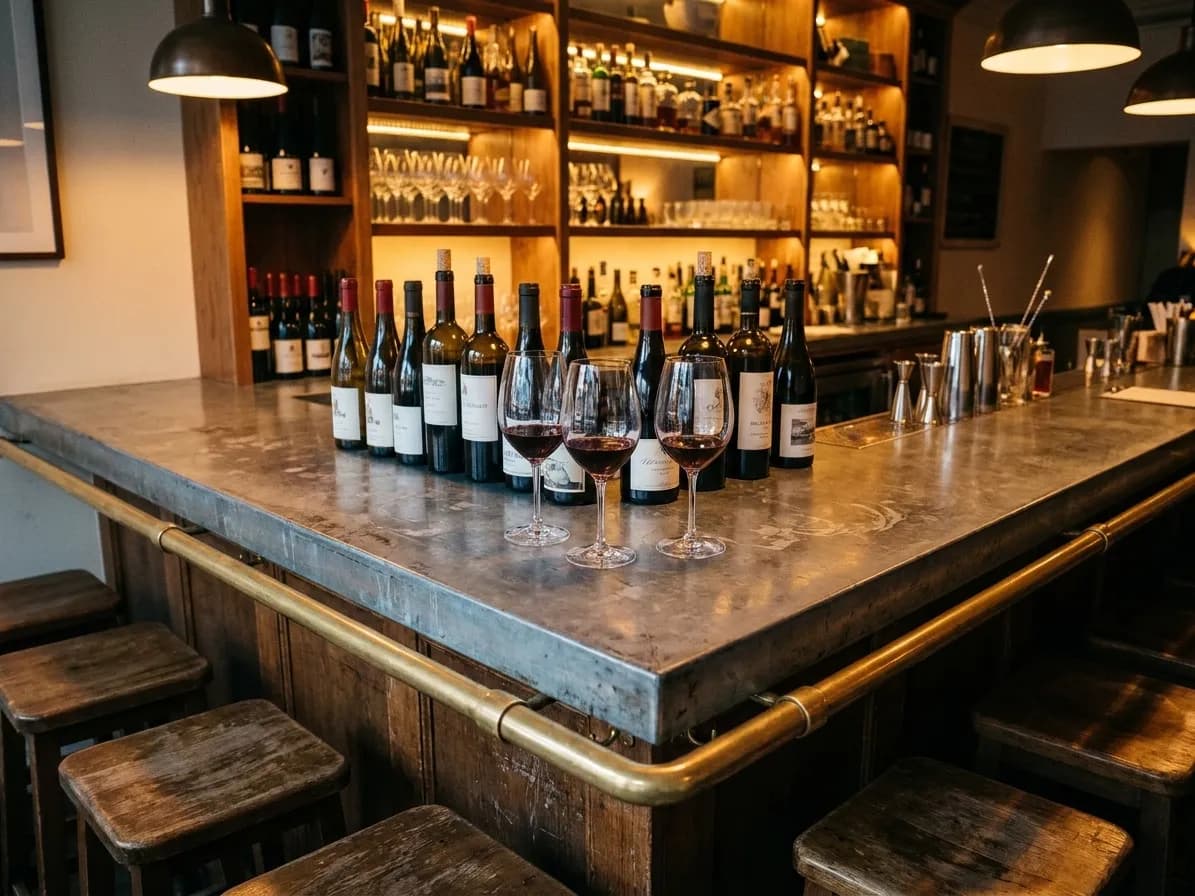
The first is the urban winery tasting room. San Francisco has a real cluster of producers who crush and age fruit inside the city, mostly in the industrial pockets south and east of downtown, and their tasting rooms charge a set fee for a flight of four or five pours. The second is the wine bar, which sells by the glass and usually offers a three-glass flight assembled by theme.
The third is the bottle shop with a tasting licence — a retail store that pours a small number of open bottles at a counter, generally the cheapest way to taste anything in the city. The fourth is the restaurant flight, offered alongside a menu, which is the most expensive per millilitre and the one where you are really paying for the room.
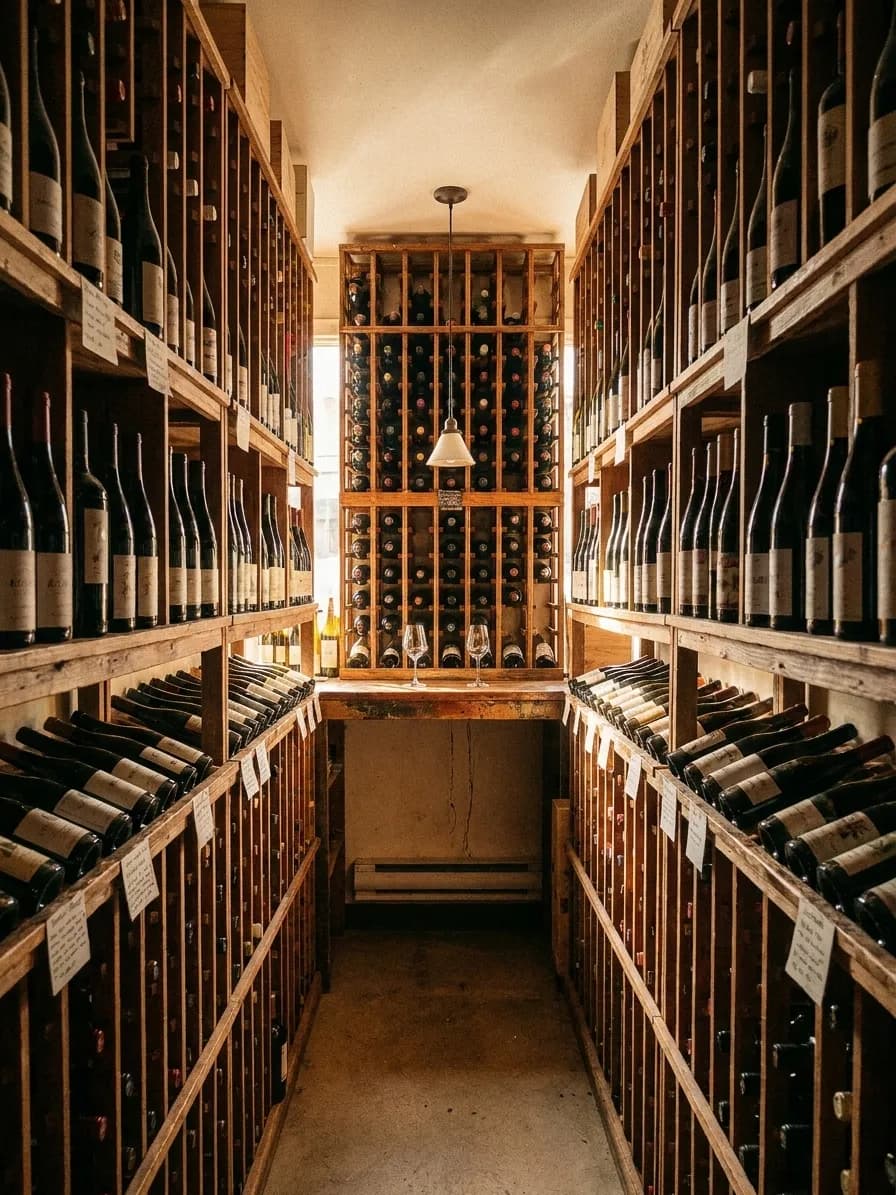
The waiver is the number that matters
Most urban tasting rooms will waive or credit the tasting fee against a bottle purchase, and this single policy changes the maths completely. A twenty-five-dollar flight that is fully credited toward a thirty-five-dollar bottle means you tasted five wines and paid ten dollars more than retail for one of them. Ask about the waiver before you sit down, because it is rarely printed and almost always available.
The corollary is that the cheapest flight in the city is not the best value if the room does not sell bottles. A fifteen-dollar flight with no waiver costs fifteen dollars. A thirty-dollar flight with a full waiver and a shop you would have bought from anyway costs nothing.
Pour size, and the trick of reading a flight
Flights are usually two-ounce pours, which means a five-glass flight is roughly two standard glasses of wine spread across five wines. That is the right amount for tasting and not enough for an evening, and it is why the by-the-glass route often beats a flight if what you actually want is a drink rather than a comparison.
The flights worth paying for are the ones built to teach you something — the same grape from three sites, the same site across three vintages, an unfamiliar region shown properly. A flight of five unrelated wines is just five small glasses, and you will learn more and spend less by asking the person pouring for two glasses that argue with each other.
When to go, and the fees that disappear
Weekday afternoons and early evenings are when this city's tasting culture is at its best and cheapest. Tasting rooms are quiet enough that whoever is pouring will actually talk to you, several run reduced or waived fees midweek, and the wine bars run happy hours with flights and by-the-glass prices well below the evening list.
Weekend afternoons are the opposite — reservations at the urban wineries, a queue at the bottle shops, and no chance of a conversation. If your only option is Saturday, book the earliest slot of the day rather than the middle of the afternoon.
The neighbourhoods to walk, rather than the rooms to book
Because these places are clustered, the best value in San Francisco tasting is a walk rather than a destination. The Dogpatch and the surrounding industrial blocks hold a run of urban wineries within a few minutes of each other. North Beach, Hayes Valley and the Mission each have a dense line of wine bars and shops where you can do a small pour in three rooms for the price of one restaurant flight.
That structure also solves the transport question, which in a tasting context is not a small one. All three of those areas are reachable on Muni and walkable end to end, which means nobody has to be the designated driver and the day costs a transit fare rather than a parking garage.
What to ask the person pouring
The single biggest upgrade to a cheap tasting costs nothing: talk to whoever is behind the counter. Urban tasting rooms are usually staffed by someone who works the harvest, and wine bars in this city hire people who care. Telling them one honest thing about what you like — a wine you enjoyed, a style you find too heavy — gets you a better flight than any list, and frequently an extra pour of something open.
The two questions that consistently pay off are what has just been opened and what is about to be replaced on the list. Both point at wines the room wants to move, which means a generous pour and often a discount on the bottle. Neither question requires you to know anything about wine, which is the point.
Tags: #SanFrancisco #WineTasting #SFWine #UrbanWinery #Dogpatch #WineBar #SFEats #BayArea #CheapEats #NorthBeach #HayesValley #WineFlight #SFNightOut #NaturalWine
Sources consulted: sf.eater.com · sftravel.com · abc.ca.gov
Please drink responsibly. Must be of legal drinking age.
All trademarks are the property of their respective owners.
Ask Karpo first
Tasting fees, waiver policies and happy-hour windows change constantly and are almost never on the website. Ask Karpo what a flight actually costs at the rooms near you right now, whether the fee is credited against a bottle, and which ones are open when you want to go.