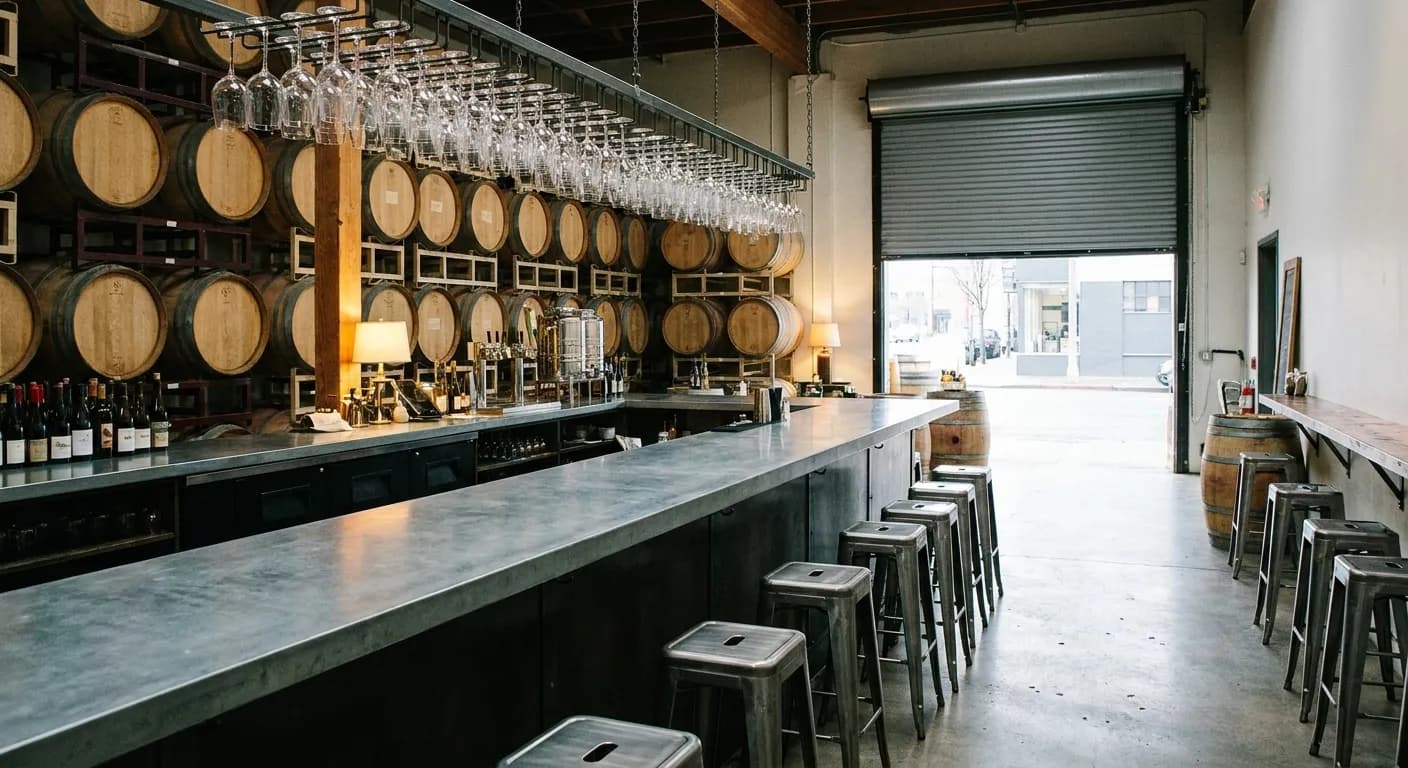
The default answer to wine tasting near me in San Francisco is to get on a bus to Napa, spend two hours in traffic each way, pay for three tastings and come home tired. It is a fine day out once. It is a poor default, because there is a genuine urban wine industry inside the city — bonded wineries fermenting fruit trucked down from Sonoma, Mendocino and the Sierra foothills, pouring in the same room where the barrels sit. You can walk between several of them.
An afternoon of tasting inside the city is one of the few plans that works in any weather and needs no car. Tell Karpo which neighbourhood you are starting in and how many stops you want, and it will lay them out in a walkable order with the pours in between.
Where the tasting rooms actually are
The concentration is in the eastern industrial belt: Dogpatch, the Bayview edge, and the light-industrial blocks south of the ballpark, where warehouse space is big enough for tanks and barrels and the rent has historically been survivable. Treasure Island is the other cluster, with several producers sharing old naval buildings and a view back at the skyline that no Napa tasting room can match.
The city's other model is the tasting bar attached to an importer or a bottle shop, which is dense through Hayes Valley, the Mission and North Beach. That is a different experience — a wider range, no production on site, and usually a better food menu. Both are worth doing, and a good afternoon frequently mixes them.
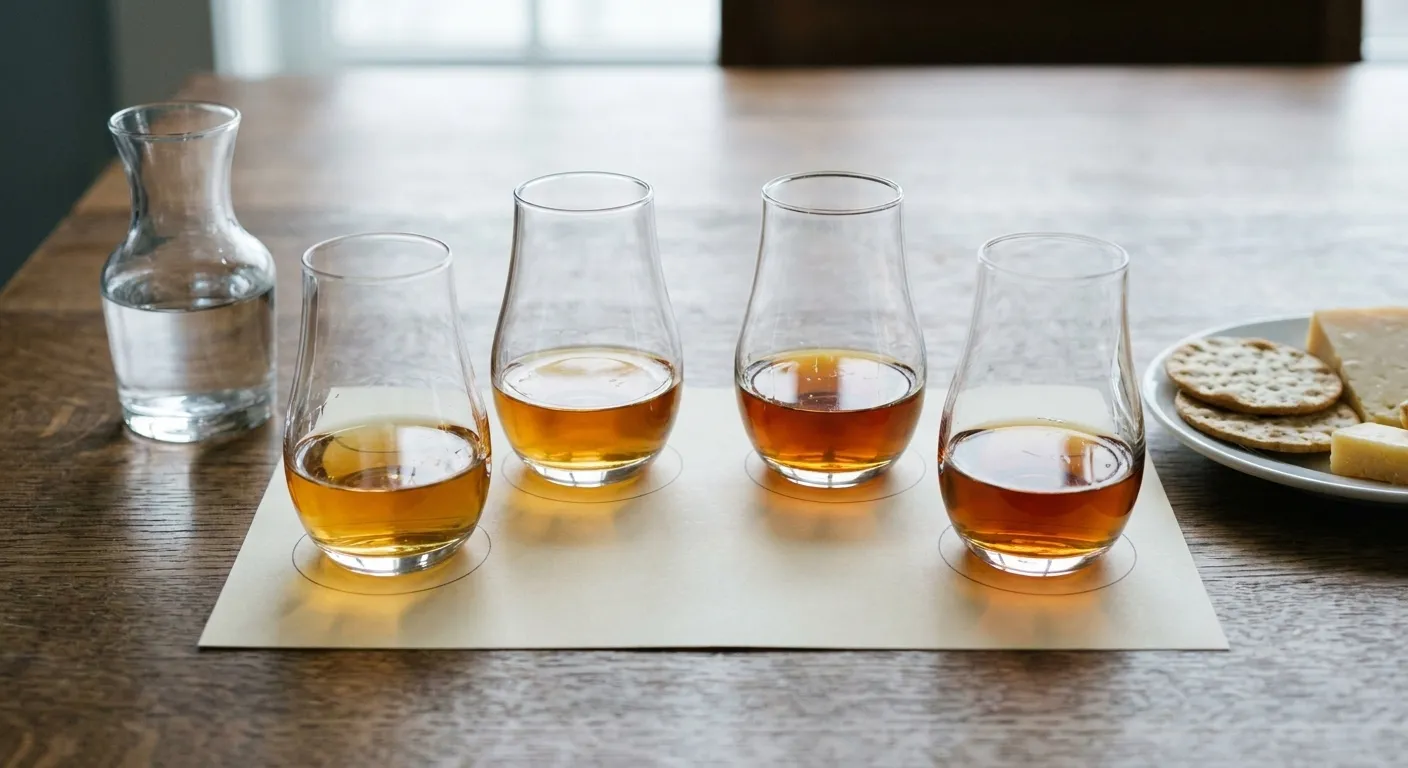
What an urban winery is actually doing
Urban wineries buy fruit rather than farm it, which is the interesting part rather than a compromise. A producer in the Dogpatch can take Grenache from one appellation, Riesling from another two hundred miles away and old-vine Zinfandel from a third, and make all three in the same building. That means the tasting flight in front of you often spans a wider geography than anything you would taste standing in a single vineyard's estate room.
It also means the conversation is different. The person pouring is frequently the person who made it, which is much rarer in the valley than visitors expect, and asking where the fruit came from and why they chose that vineyard gets you a real answer rather than a script.
How to structure the afternoon
Two or three stops is the right number. A flight is typically four to six pours of an ounce or two, which adds up faster than people plan for, and the third tasting is where enjoyment tends to peak. Book the first stop if it is a weekend — the rooms are small, and Saturday afternoons fill — and leave the second and third loose.
Eat first and eat again in the middle. The industrial blocks are not dense with food, so the sensible shape is lunch in the Dogpatch or the Mission before you start, something substantial between stops, and dinner nearby afterwards. Building the afternoon around walking distance rather than around a specific producer is what makes it work as a plan.
Getting there and getting home
This is one of the few San Francisco plans that is genuinely better without a car. The T Third line runs directly through the Dogpatch, Caltrain drops you at the north end of it, and the ferry to Treasure Island is a short crossing with a good view. Nobody should be driving between tasting rooms, and the transit here is unusually well aligned with where the wineries are.
Plan the return before the last pour. Service on the eastern lines thins out in the evening, and the walk from the Dogpatch back toward the Mission is longer and windier than it looks on a map. If you end at Treasure Island, know the ferry and bus times before you settle in, because the options after them are limited and expensive.
What to buy and what to skip
Most tasting rooms in the city waive the flight fee with a bottle purchase, which makes the economics straightforward: if you liked two of the six pours, buying one bottle usually costs less than paying for the tasting outright. Producers at this scale make small volumes, so the wine you liked may genuinely not exist next year — that is an argument for buying it now rather than a sales line.
Skip the branded merchandise and skip the club unless you are certain, since the shipping cost on quarterly allocations outweighs the discount for most people who live within walking distance anyway. The one thing worth asking about is whether they hold pick-up parties or barrel days, which are usually free, usually more interesting than the standard tasting, and rarely advertised anywhere except a mailing list.
Tags: #SanFrancisco #WineTasting #UrbanWinery #Dogpatch #TreasureIsland #SFWine #TastingRoom #WeekendPlans #SFThingsToDo #NaturalWine #BayAreaWine #DateIdea #SFEats #NoCarNeeded
Sources consulted: sftravel.com · ttb.gov · sfmta.com
Please drink responsibly. Must be of legal drinking age.
All trademarks are the property of their respective owners.
Ask Karpo first
Tasting rooms in the city keep short and shifting hours — several open only Thursday through Sunday, and a few close for harvest entirely. Ask Karpo which rooms near you are pouring this afternoon, which take walk-ins, and how to string two or three together on foot — it answers in iMessage while you are deciding whether to leave the house.