Wine tasting near me in Los Angeles returns two kinds of business that look similar and price completely differently. A wine bar sells you access to an opened bottle at a restaurant mark-up. A bottle shop sells you the bottle at retail and charges a fee to drink it there. Those two models produce wildly different bills for the same wine, and which one suits you depends entirely on how many glasses you are actually going to drink. Nobody explains this, and it is the whole game.
Whether a night of wine costs thirty dollars or ninety usually comes down to which pricing model you walked into, not which wine you drank. Tell Karpo your budget and your neighbourhood and it will point you at the right model for the evening.
The wine bar model: paying per glass for range
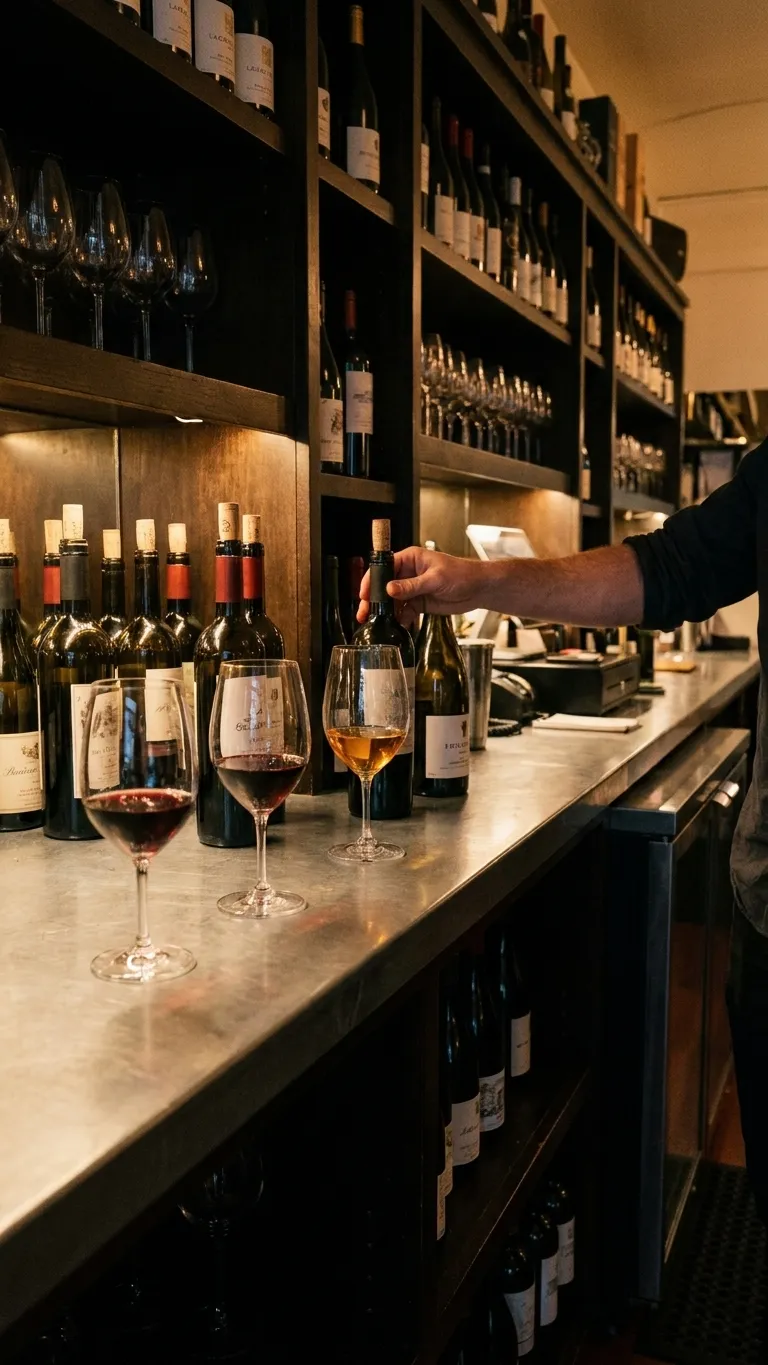
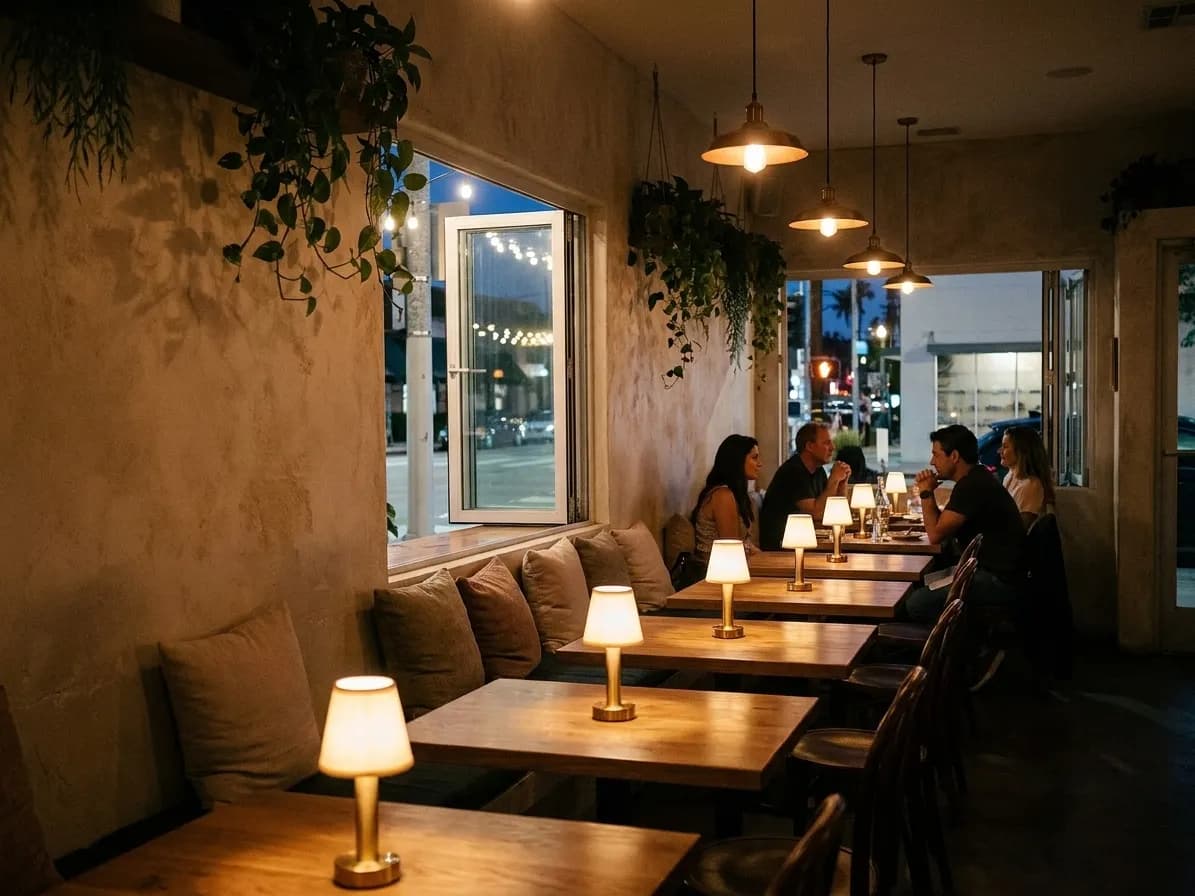
A wine bar opens bottles it may not sell out, so the price of a glass has to carry the risk of the rest of the bottle. That is why a glass typically costs a meaningful fraction of what the whole bottle retails for. What you are buying is range — the ability to drink three completely different things in one sitting without committing to any of them, plus a room designed for sitting in and someone who can talk about what is open.
This model is right when you want variety, when you are two people drinking two glasses each, or when the evening is really about the room and the conversation. It is the wrong model the moment your table starts ordering a fourth round of the same thing, because at that point you have paid for a bottle and a half and drunk one.
The bottle shop model: paying retail plus a fee
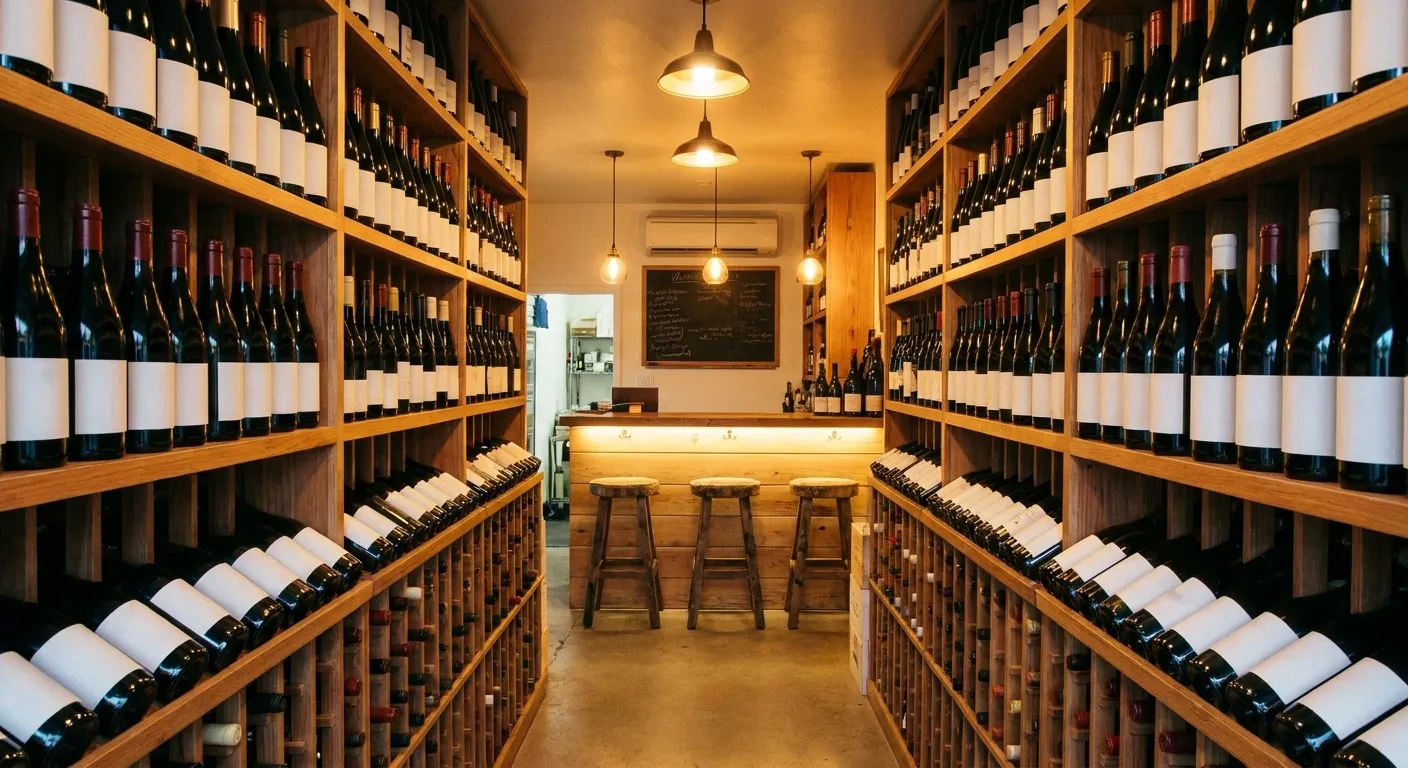
Retail-plus-corkage is the most under-used deal in Los Angeles drinking. You choose anything on the shelf at shop price, pay a modest opening fee, and drink it at the counter or a small table. Because the shop is not carrying the risk of an open bottle, the mark-up structure vanishes, and the same wine that would be a steep glass pour next door becomes a shared bottle at close to retail.
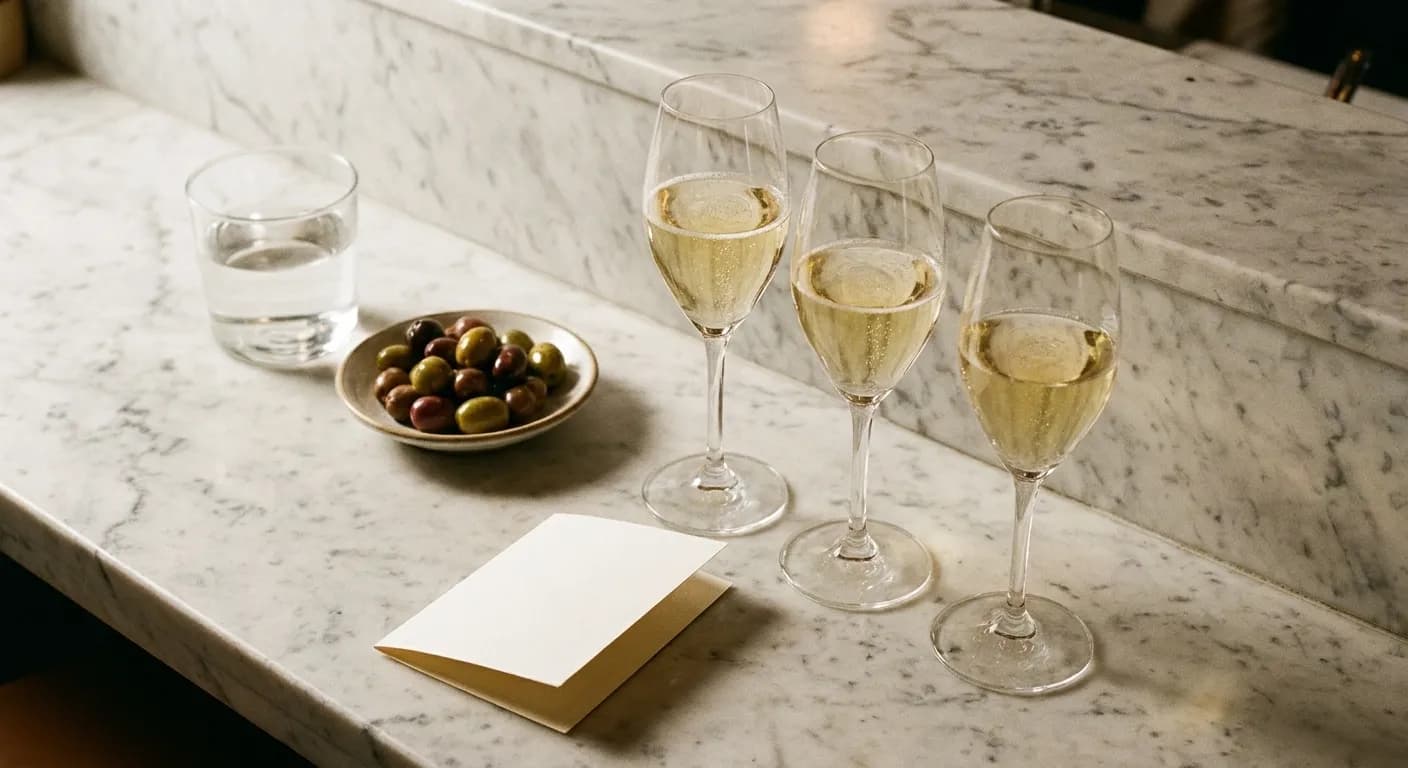
The break-even is easy to compute in your head. If two of you will drink more than about two glasses each, the bottle shop wins, usually decisively. Below that, the wine bar's per-glass model is fine and you get more variety for the money. Anywhere you can see both a fee and a shelf price posted, do that arithmetic before ordering.
What a good shop or bar actually looks like
The signal in both formats is the same: a curated list rather than a comprehensive one. A shop with four hundred bottles chosen by someone with a point of view will serve you better than one with four thousand, and a bar with a dozen wines open that change weekly is a better sign than a permanent list of forty. Specificity beats breadth in this category, every time.
The second signal is whether anyone asks you a question. Being asked what you normally drink, or what you are eating later, is how you get pointed at something you will actually enjoy. A room where nobody asks is selling shelf space rather than advice, and you should buy accordingly — stick to something you already know.
How the two formats fit an evening
The most efficient version of a wine night in Los Angeles uses both. Start at a bar with a short by-the-glass list to work out what the table is in the mood for — one round, three different things, a shared snack. Then move to a shop that pours, buy a bottle of whatever won, and settle in. You get the range of the first model and the economics of the second, and the walk between them resets the evening.
Los Angeles makes this harder than it should be because the two are rarely on the same block, so pick a neighbourhood where they are before you pick the venues. A short walk between stops is the difference between a two-stop evening and a one-stop one.
Practical notes
Corkage and opening fees, tasting flight prices and which shops are licensed to pour on site all vary and all change; a shop that poured last year may not this year. Check the current arrangement before building an evening around it, and remember that pouring hours at retail shops are frequently shorter than their selling hours.
Reading a by-the-glass list quickly
A by-the-glass list tells you what kind of room you are in within about ten seconds. If the same producer appears three times, the bar is buying on relationships and probably cares. If every wine is from a different country and a different price band, the list was assembled to cover bases rather than to say anything. And if there is a short section of things open right now that is not on the printed list, that is where the interesting drinking is.
Half-pours are the other thing worth asking for and rarely advertised. Many bars will pour a half glass of anything open, which turns a single round into two comparisons for roughly the same money. It is also the polite way to try something expensive without committing to a full glass of it.
Tags: #LosAngeles #LA #SoCal #WeekendPlans #ThingsToDo #DayTrip #WineTasting #LAEats #LAGuide #ExploreLA #LALocal #LAWeekend #LANights #LAFood
Sources consulted: laist.com · eater.com · abc.ca.gov
Please drink responsibly. Must be of legal drinking age.
All trademarks are the property of their respective owners.
Ask Karpo first
Karpo is a proactive AI assistant that lives in iMessage. Tell it what you want to spend and it will pick the model that fits.