Almost every guide to wine tasting near me for date night in San Francisco is a list of rooms with good wine, which is the least useful part of the problem. Good wine is abundant here. What decides whether the evening works is structural: where you end up sitting, whether you can hear each other at a normal volume, how long the first stop holds, and whether there is anywhere to go next. Get the arc right and an ordinary wine list is more than enough.
The wine matters less than where you are sitting and whether you can hear each other, which is the part every recommendation list ignores. Tell Karpo the neighbourhood and it will find rooms built for a conversation.
Seating is the first decision, not the last
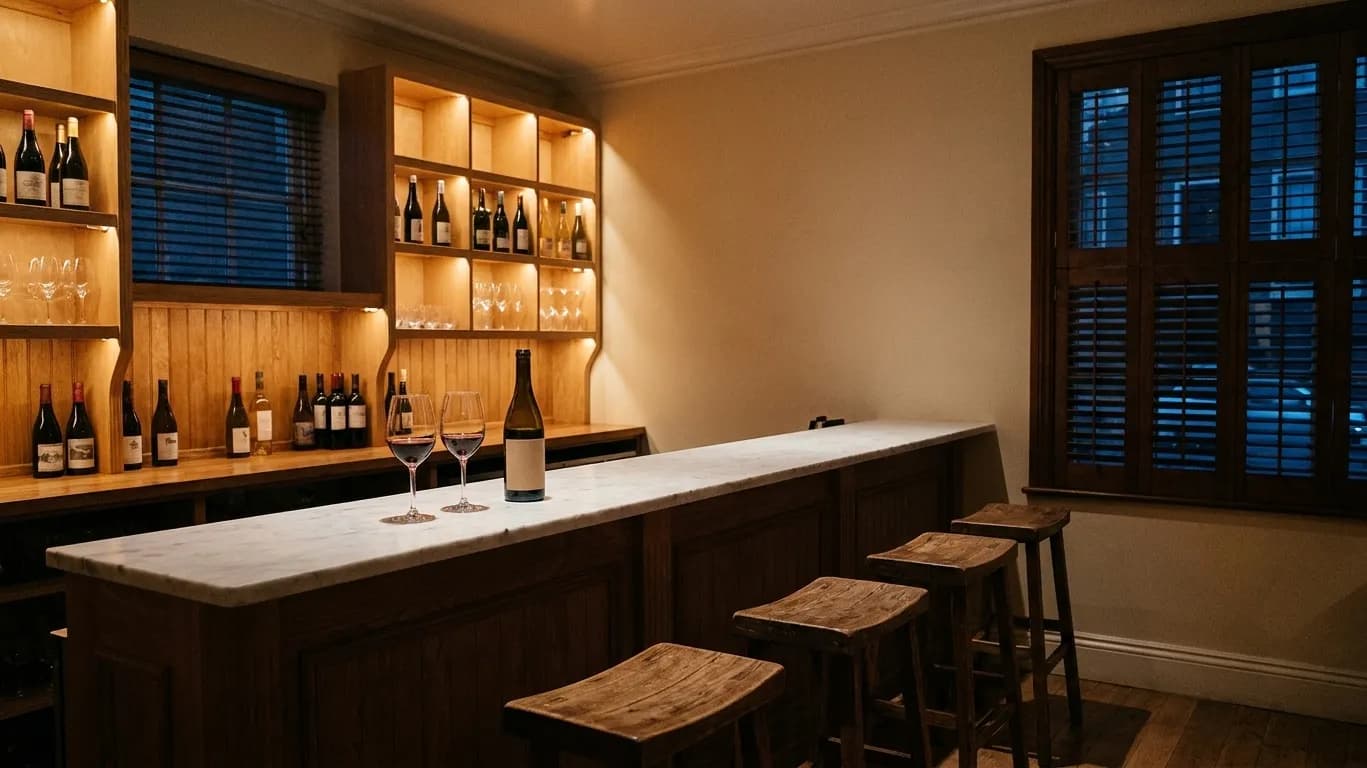
There are three ways to sit in a San Francisco wine bar and they produce three different dates. Side by side at the bar is the easiest for a first meeting — you are not staring at each other, there is a bartender to talk to when a lull comes, and leaving is uncomplicated. A small two-top facing each other is more intense and better once you know someone. A banquette or a corner is the most comfortable for a long evening and the hardest to get without booking.
Choose deliberately. If you want an evening that can end politely after fifty minutes, take bar stools. If you want one that can run three hours, book the corner. Most disappointment on a wine date is really a mismatch between the seating and the intended length of the night.
Volume decides whether you talk
San Francisco has a lot of hard-surfaced wine rooms, and they get loud in a specific way: not deafening, just loud enough that you lean in, repeat yourself and eventually stop saying anything complicated. A date is a conversation, and a room that taxes the conversation is the wrong room however good the list is.
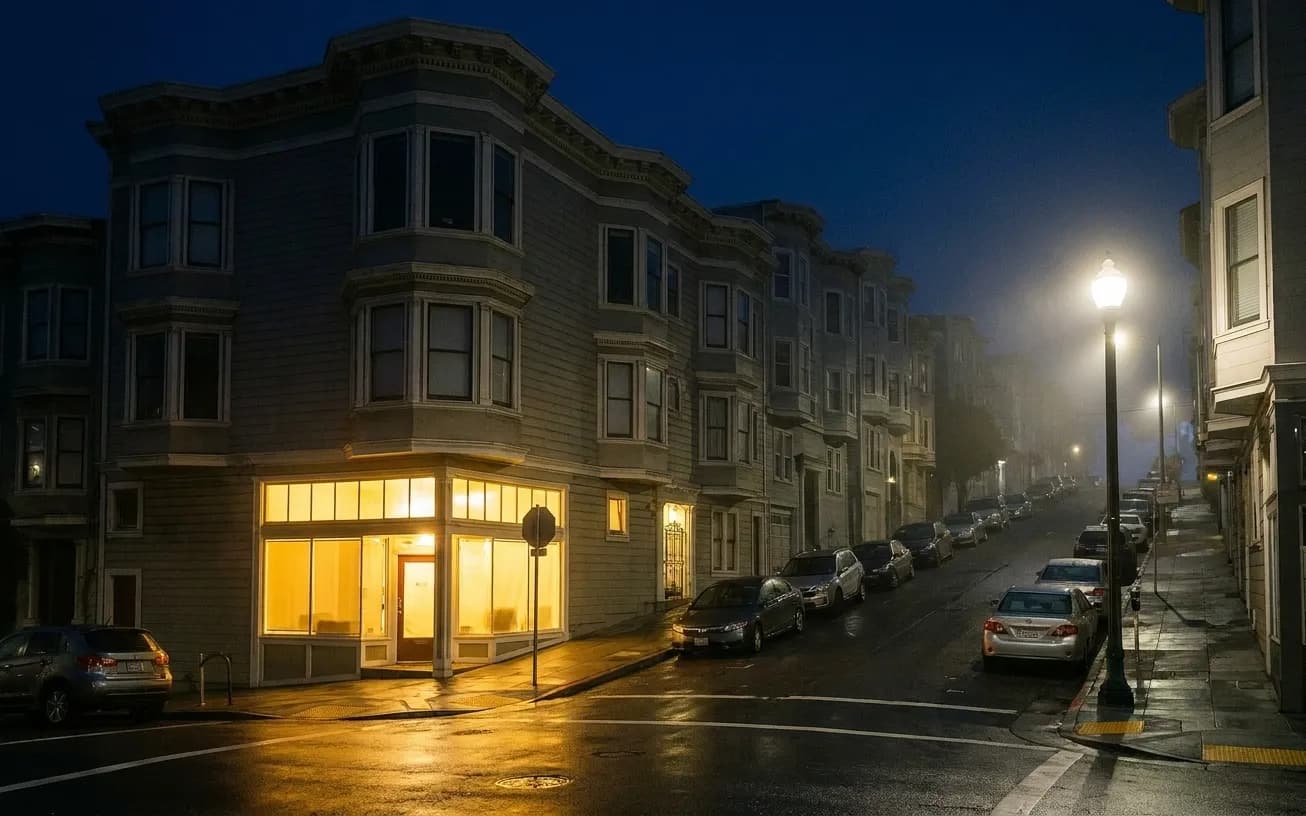
The reliable predictors are physical. Carpet, curtains, wood panelling, a low ceiling and upholstered seating mean you will be able to talk. Concrete floors, open ceilings, glass frontage and a communal table mean you will not, after about 8pm. Arriving before the room fills also buys an hour of quiet, which is a good argument for a 6pm start.
Two rooms beat one
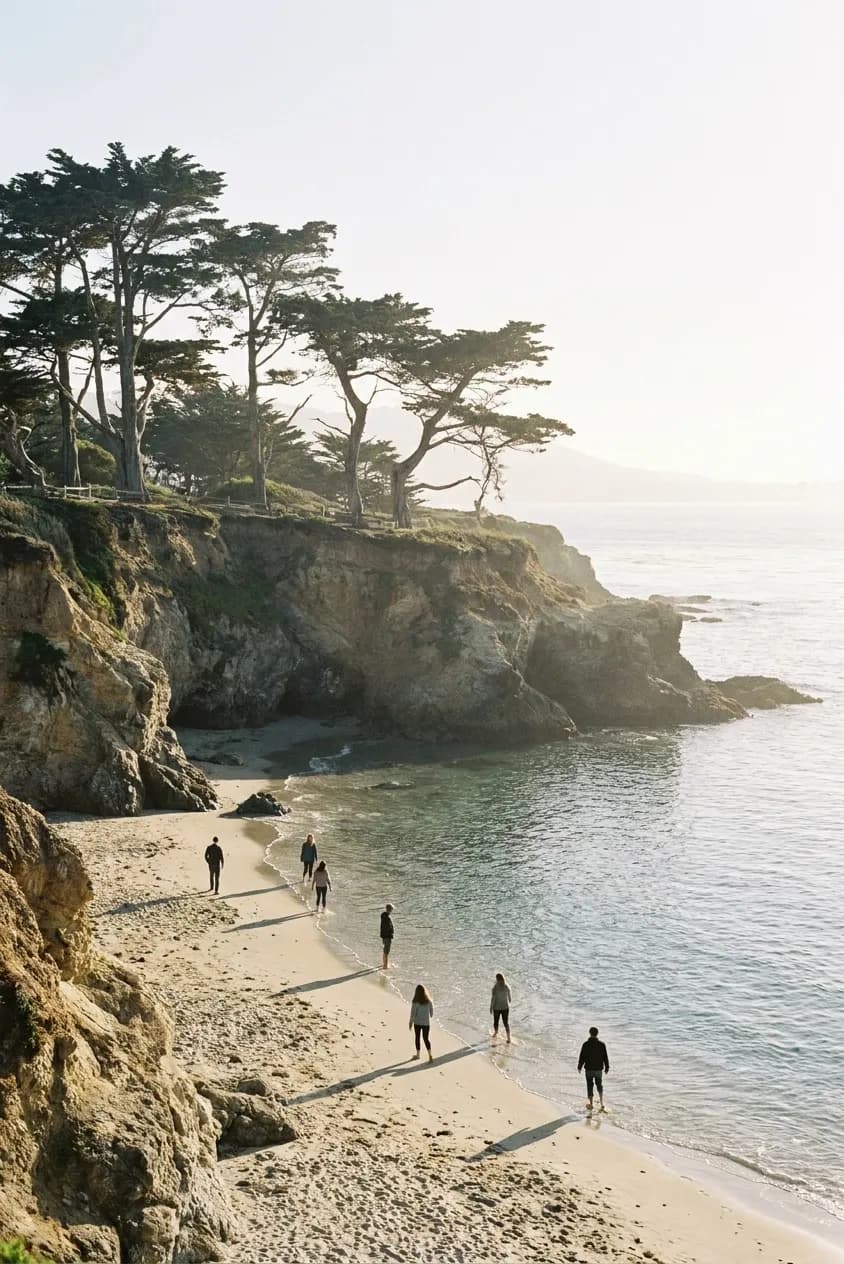
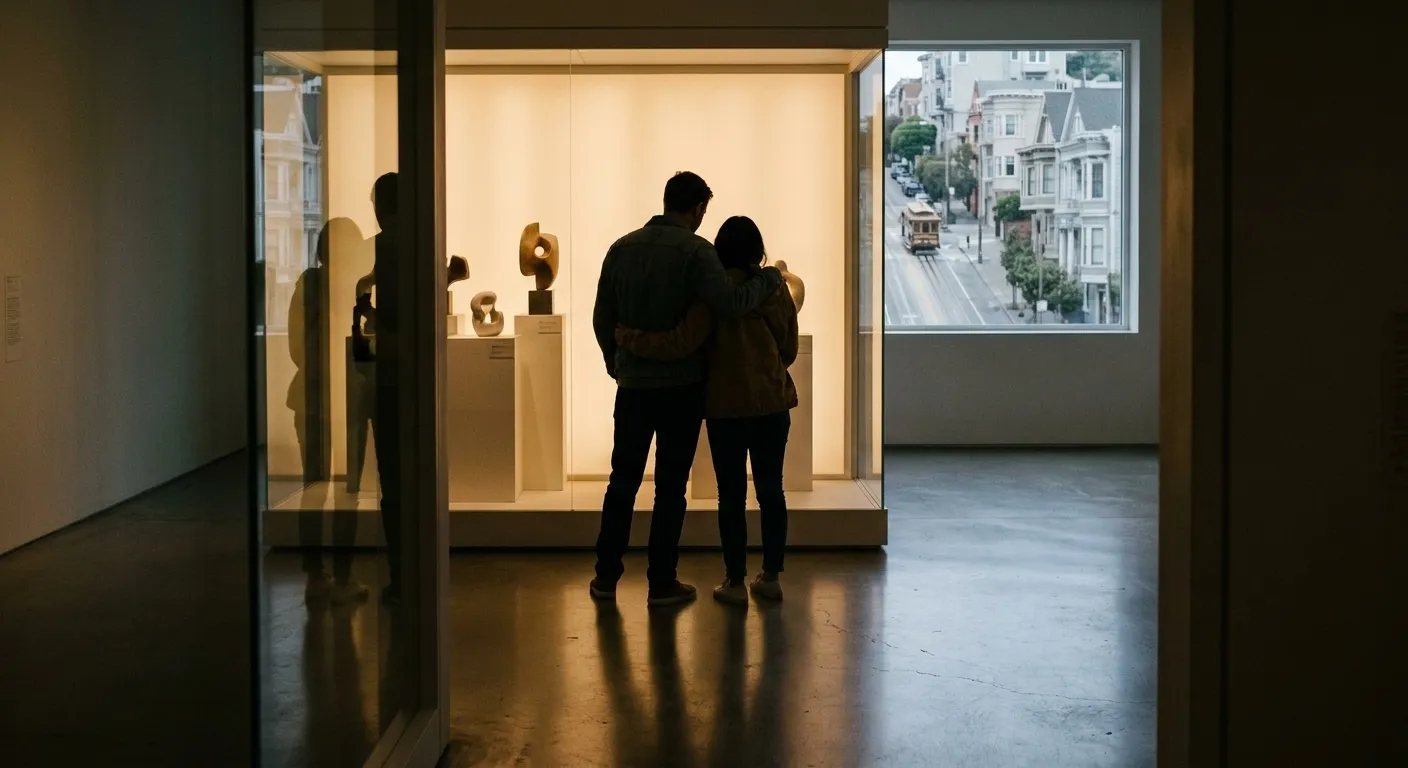
The strongest structure for this city is two short stops rather than one long one. The first is for a glass each somewhere small and quiet, timed early. The second is whatever the first stop turns into wanting — a bottle somewhere with a table, a snack at a counter, a nightcap in a darker room. The walk between them is the part people underrate: five minutes outside resets the conversation and gives the evening a shape instead of a plateau.
This is also the low-risk structure. If the first stop is not working, the natural break after one glass lets the evening end without a decision having to be announced. If it is working, the second stop feels like momentum. Either outcome is better than committing to a two-hour table at 7pm.
Where the walk is short enough to work
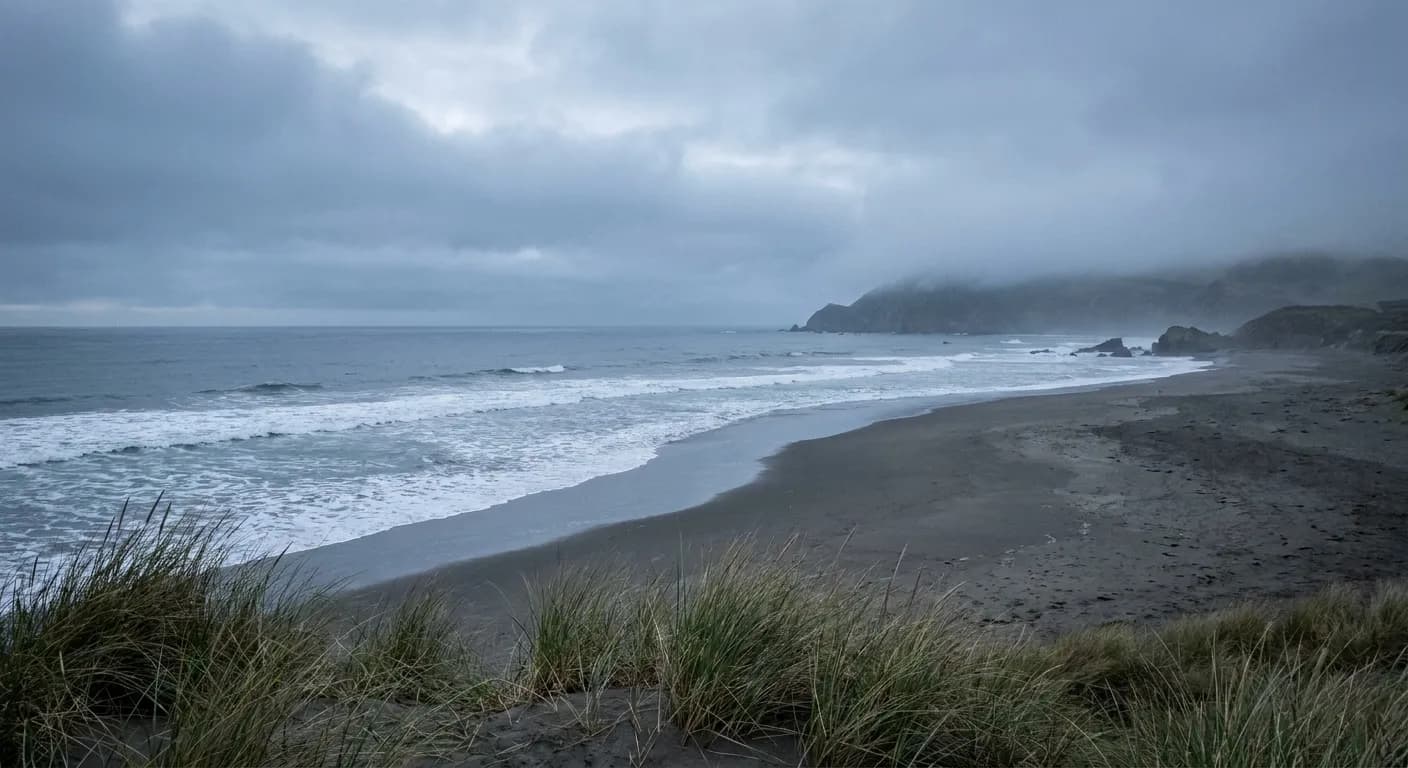
San Francisco's advantage here is density; its obstacle is topography. A five-minute walk between two rooms is delightful on flat ground and a chore uphill in the wind, which rules out some otherwise appealing pairings. Pick a corridor where several rooms sit within a couple of blocks on similar ground, and the two-stop plan becomes easy rather than ambitious.
Fog and wind are real planning variables between about May and August, when evenings outdoors on the western side of the city are genuinely cold. If your plan involves sitting outside, check which side of the city you are on and bring a layer; the temperature difference across a few miles here is larger than visitors expect.
The small things that carry an evening
Order one glass at a time rather than a flight if you want to talk, because a flight turns the table into a tasting exercise. Ask what has just been opened — it is the friendliest question in any wine room and it usually gets you something interesting. And eat something, even a small plate; two glasses on an empty stomach shortens more dates than any bad wine list.
Hours, pours and whether a room takes reservations all change, and small wine bars in this city adjust their schedules often. Confirm before you build the evening around a specific first stop, and have a second door in the same few blocks.
The first-stop timing that quietly works
Six o'clock is the underrated hour for a wine date in San Francisco. The room is quiet enough to talk, the person pouring has time to actually engage, seats at the bar are available without booking, and if the evening goes well you still have the whole night in front of you. By eight the same room is three times as loud and the staff are triaging.
It also lowers the stakes in a useful way. An early first glass can turn into dinner, a second bar, or a polite goodbye, and none of those feel like a verdict. A booking at eight commits both people to an evening before either knows whether they want one.
Tags: #SanFrancisco #SF #BayArea #WeekendPlans #ThingsToDo #DayTrip #WineTasting #SFEats #SFGuide #ExploreSF #SFLocal #SFWeekend #SFNights #SFFood
Sources consulted: sfchronicle.com · eater.com · sfstandard.com
Please drink responsibly. Must be of legal drinking age.
All trademarks are the property of their respective owners.
Ask Karpo first
Karpo is a proactive AI assistant that lives in iMessage. Tell it the vibe you want and it will find the room and the second stop.