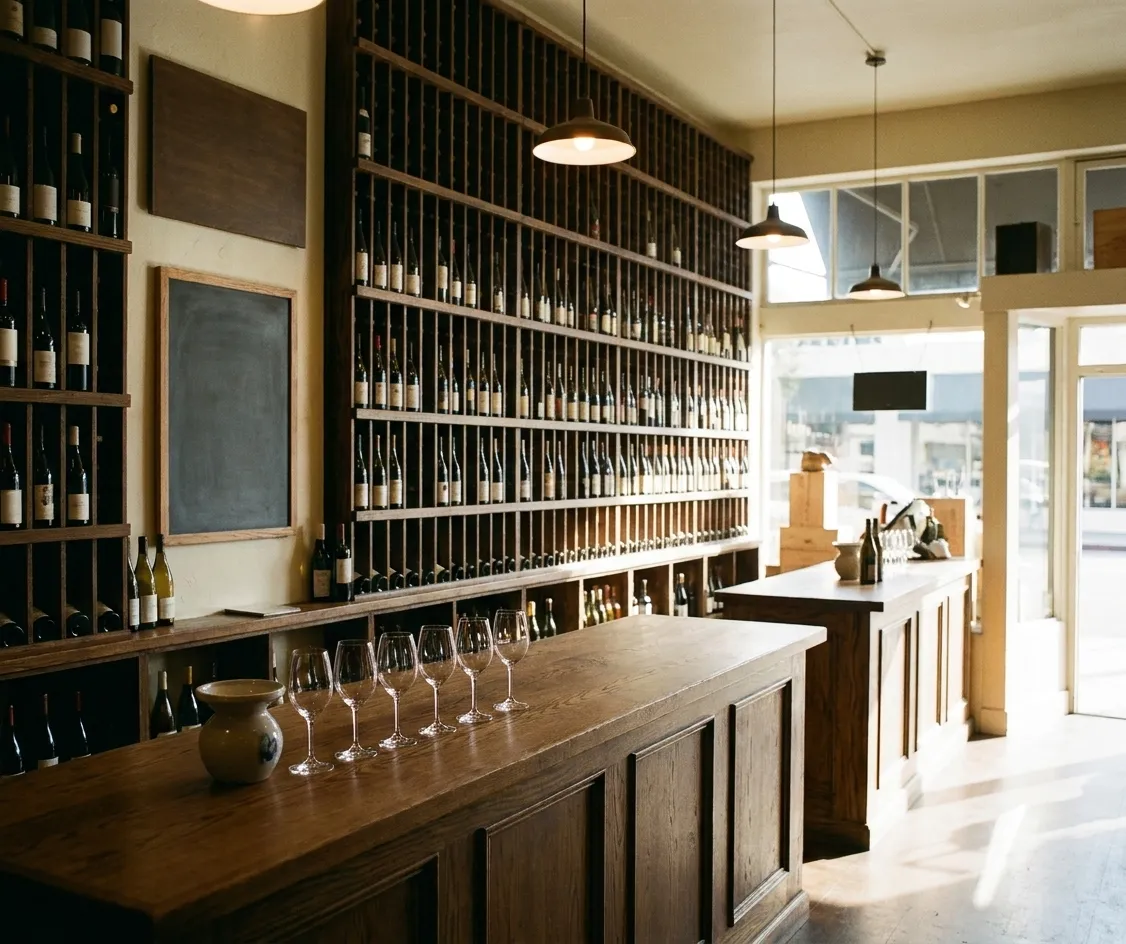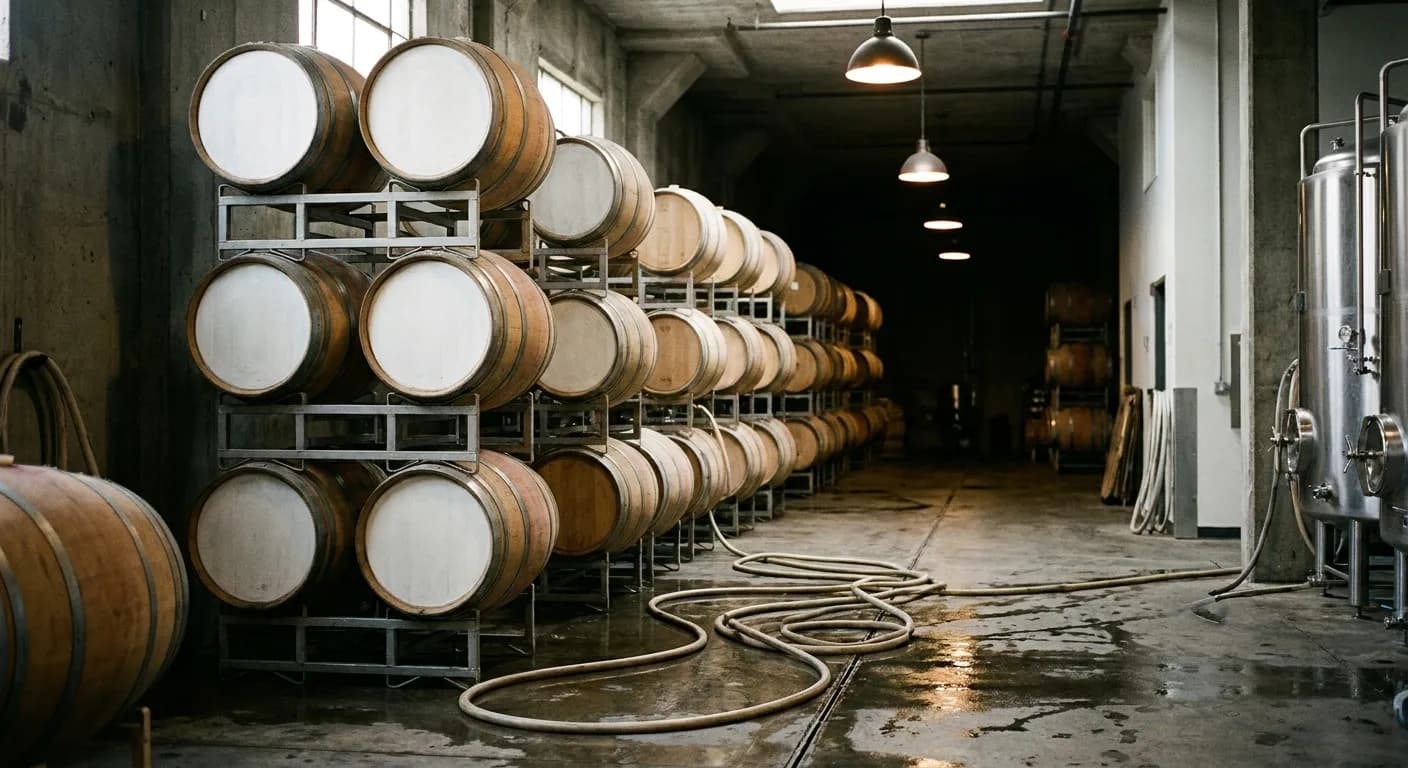
Los Angeles has urban wineries - working production spaces in industrial units and old commercial buildings, buying fruit from growers across California and making wine inside the city. Several sit in and around northeast Los Angeles, within reach of the Highland Park strip. For most of the year they are tasting rooms with a cellar attached. From roughly the second week of September through October they are the other way round: the fruit arrives, the crush pads run, the whole building smells of fermentation, and a number of them let members of the public come and work it.
Crush schedules depend entirely on when growers pick, which means a winery's plans can change with three days' notice. Tell Karpo which weekend you are free and it will tell you who is actually processing fruit and taking volunteers.
What an urban winery actually is
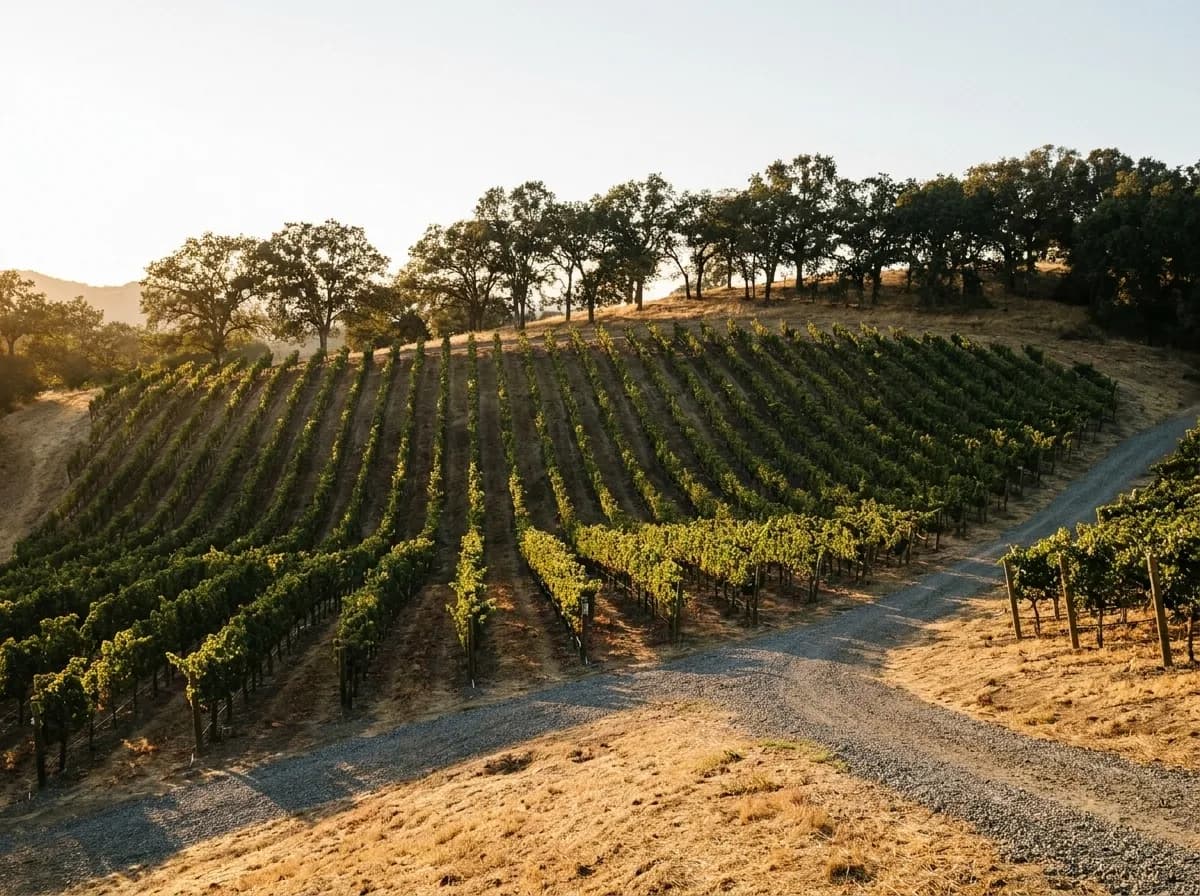
Wine is made where the fruit is fermented, not where it is grown. An urban winery buys grapes from vineyards - in Los Angeles typically from the Central Coast, Santa Barbara County, Lodi or the Sierra Foothills - has them trucked down refrigerated overnight, and processes them in a warehouse in the city.
This is not a novelty format and it is not new. It is how a lot of wine was made historically, before the industry consolidated onto estates, and the reason it works here is the same reason ramen counters opened in Highland Park: available industrial space at a price that lets a small operation exist.
Crush is the only time the building is interesting
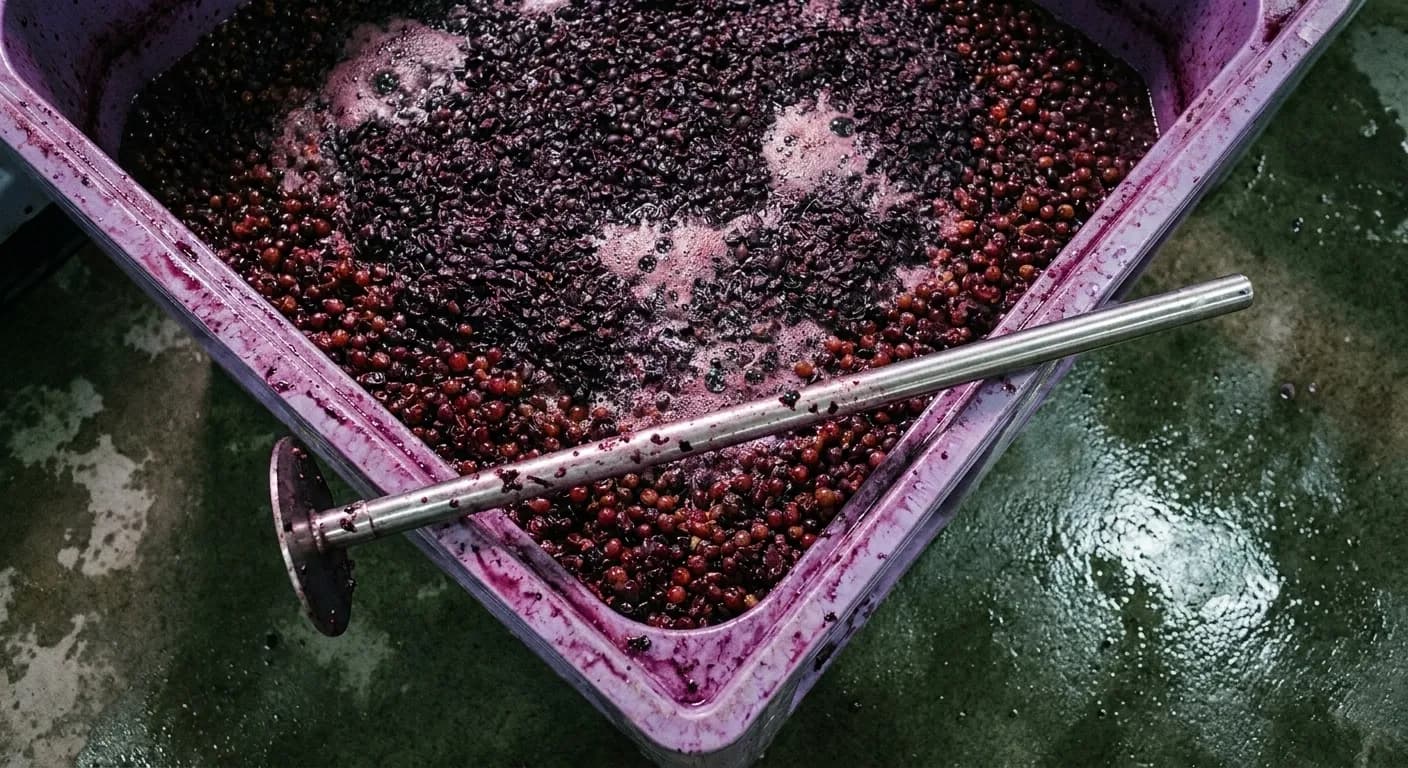
Outside of harvest an urban winery is a quiet room with barrels in it. During crush it is a working floor - a destemmer running, fruit in half-tonne bins, punch-downs happening on a schedule, pumps and hoses across the floor, and a smell somewhere between fruit and bread that gets into your clothes.
This is worth going to see even if you are not especially interested in wine. It is one of the few genuinely industrial processes happening inside Los Angeles that you can stand next to, and it lasts about six weeks a year.
You can usually join in
This is the part most people do not know. A number of urban wineries run volunteer crush days during harvest - sorting fruit, punching down caps, cleaning equipment - and they are frequently free, sometimes paid in wine, and open to anyone who signs up and turns up on time.
Be clear about what it is: it is real work, it starts early, and about seventy percent of winemaking is cleaning. It is also the single best way to understand what is in the glass, and people who do it once tend to come back the following September.
Blending sessions and the workshop side
The other participatory format is a blending session, usually run in the months after crush but sometimes during it. You are given several single-varietal or single-lot samples and asked to build a blend from them with a graduated cylinder, then compare it against what the winemaker did.
It is genuinely instructive rather than a party trick - the moment you add ten percent of something and the whole thing changes is a better lesson in wine than any number of tasting notes. These are ticketed, they run two to three hours, and they book out during harvest season because that is when interest peaks.
The tasting rooms themselves
Most run a tasting room alongside the production space, and during crush the pours change - barrel samples, new ferments still cloudy and fizzing, and last year's wines being tasted against this year's fruit. That is not on offer in March.
Ask specifically for anything still in tank or barrel. It is not always offered to walk-ins and it is frequently the most interesting thing in the building. A wine at three weeks old tastes nothing like it will at eighteen months, and tasting the two next to each other is the whole education.
How this fits with the Highland Park strip
The wineries are in the industrial pockets rather than on the retail strip, which means the natural shape of an afternoon is production space first, then walk or drive to York Boulevard or Figueroa for food and a bar afterwards.
That works because the strip has real food - bakeries, taquerias, a couple of good counters - and because a crush volunteer shift finishes in the early afternoon rather than the evening. Doing it the other way round, eating first and then standing in a warm cellar, is a mistake.
Practical notes
Wear closed shoes you do not care about and clothes you are willing to stain purple, because you will be. Bring water. Cellars are wet and the floors are slippery, and a working crush pad is not a place for sandals.
Transport matters here more than usual because tasting is involved. The Metro L Line runs through Highland Park with a station near the York corridor, and the walk from there to most of the industrial pockets is fifteen to twenty minutes. That is the sensible way to do a day that ends with a tasting flight.
A note on what you are drinking
The fruit in these cellars comes from all over California, which means an urban winery's range is broader and less coherent than an estate's. You might taste a Santa Barbara pinot, a Lodi zinfandel and a Sierra Foothills syrah made in the same room by the same person in the same month.
That is the actual appeal. Estate wine tells you about one place in great depth; urban wine tells you about a winemaker's decisions across several. During crush, when you can taste three ferments side by side at three weeks old, that difference is unusually easy to see.
Tags: #WineTasting #HighlandPark #LosAngeles #UrbanWinery #CrushSeason #NortheastLA #Harvest #LAWine #YorkBoulevard #LAWeekend
All trademarks are the property of their respective owners.
Ask Karpo first
For six weeks the cellars in northeast LA are working buildings rather than tasting rooms. Ask Karpo who is processing fruit this weekend and whether they are taking hands.