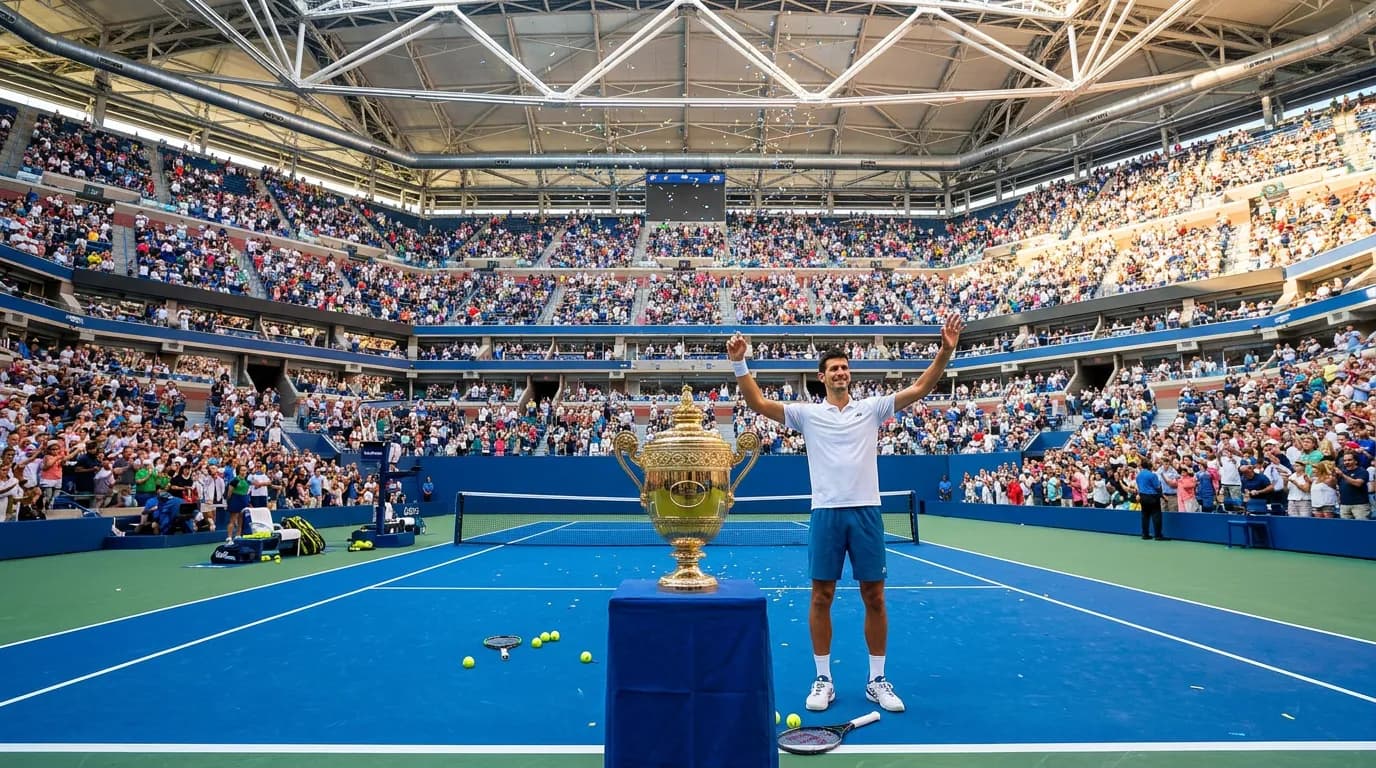
Prize money comparisons between Grand Slam tournaments fascinate tennis fans, sponsors, and players alike, yet timing creates challenges for anyone trying to compare Wimbledon and US Open payouts in real time. Wimbledon has published its official 2026 prize money document, offering complete transparency on what competitors earn at every stage of the tournament. The US Open, scheduled for late August through early September, has not yet released its 2026 prize structure. This timing gap is typical: the All England Club announces figures before or during its June-July fortnight, while the USTA often waits until closer to the tournament or during the event itself to finalize and publish detailed breakdowns. Understanding how these two major championships structure their payouts, what currencies they use, and how equal prize distribution works requires patience and a grasp of the different financial ecosystems surrounding grass-court and hard-court tennis.
Text Karpo Now: Tell us what you want from Wimbledon Prize Money Versus US Open Payouts, and Karpo can track official updates, match timing, tickets, transit, and the easiest way to plan your US Open day.
Why Timing Matters for Comparisons
Grand Slam tournaments operate on different fiscal calendars and announcement schedules. Wimbledon typically finalizes its prize fund months in advance, consulting with the ATP, WTA, and ITF before publishing figures that reflect pound sterling amounts. The US Open often adjusts its prize structure closer to the event, responding to revenue projections, broadcast deals, and player feedback gathered during the North American hard-court season. This means direct comparisons require either waiting for the USTA announcement or relying on prior-year figures, which may not reflect current economic conditions, inflation adjustments, or strategic decisions to boost payouts at specific rounds.
Currency fluctuations add another layer of complexity. Wimbledon pays in British pounds, while the US Open disburses prize money in US dollars. Exchange rates shift daily, so a straightforward conversion on the day of a final may yield a different dollar equivalent than a conversion made weeks earlier when the prize fund was announced. For players, agents, and tax advisors, these currency movements matter significantly, especially for competitors based outside the United States or United Kingdom who must convert winnings into their home currency and navigate multiple tax jurisdictions.
Total Purse and Distribution Philosophy
Both tournaments have grown their total prize pools substantially over the past decade, driven by increased broadcast revenue, sponsorship deals, and a shared commitment to rewarding players at all levels of the draw. Wimbledon's 2026 prize money document details allocations across singles, doubles, mixed doubles, qualifying rounds, and wheelchair events. Distribution philosophy differs subtly between the two Slams. Wimbledon has traditionally emphasized rewarding deep runs, with significant jumps in prize money from the quarterfinals onward. The US Open has in recent years focused on lifting payouts for early-round losers, recognizing that players eliminated in the first or second round often face travel and coaching expenses that can exceed their prize checks. Both approaches reflect broader debates within professional tennis about whether Grand Slams should prioritize star compensation or broader economic support for the tour's middle and lower tiers.
Equal Prize Structures Across Genders
Both Wimbledon and the US Open offer equal prize money for men's and women's singles champions and equal payouts at every round of the singles draws. The US Open achieved this milestone in 1973, becoming the first Grand Slam to do so. Wimbledon reached parity in 2007 after years of public debate and pressure from players, media, and equality advocates. Today, both tournaments proudly highlight their equal prize structures as central to their identities.

Doubles and mixed doubles prize money also receives attention, though the amounts remain significantly smaller than singles payouts. Wimbledon's 2026 document includes detailed breakdowns for these categories. Wheelchair tennis events, which have grown in prominence and professionalism, now command dedicated prize pools at both tournaments, reflecting the broader inclusion of para-athletes in Grand Slam competition. Comparing these secondary draws requires the same patience as singles comparisons: waiting for both tournaments to publish complete figures before drawing conclusions.
How to Compare Once Figures Arrive
When the US Open releases its 2026 prize money table, fans and analysts can perform meaningful comparisons using a few straightforward methods. First, convert the total purse of each tournament into a common currency using a reliable exchange rate from a neutral date, such as the midpoint between the two events. This provides an apples-to-apples view of overall financial commitment. Second, compare round-by-round payouts for singles, noting where one tournament offers more generous compensation for early exits versus deep runs. Third, examine percentage increases from the previous year, which reveal each tournament's responsiveness to player concerns and economic pressures.
Additional factors to consider include qualifying round payouts, which can significantly impact lower-ranked players' earnings; per diem allowances and hospitality benefits not always reflected in published prize tables; tax implications, since UK and US tax codes treat prize money differently; and currency hedging strategies that top players and their management teams use to protect against exchange rate volatility. These comparisons matter not only for players but also for fans who follow the business side of tennis, sponsors evaluating return on investment, and journalists covering the sport's economic evolution.
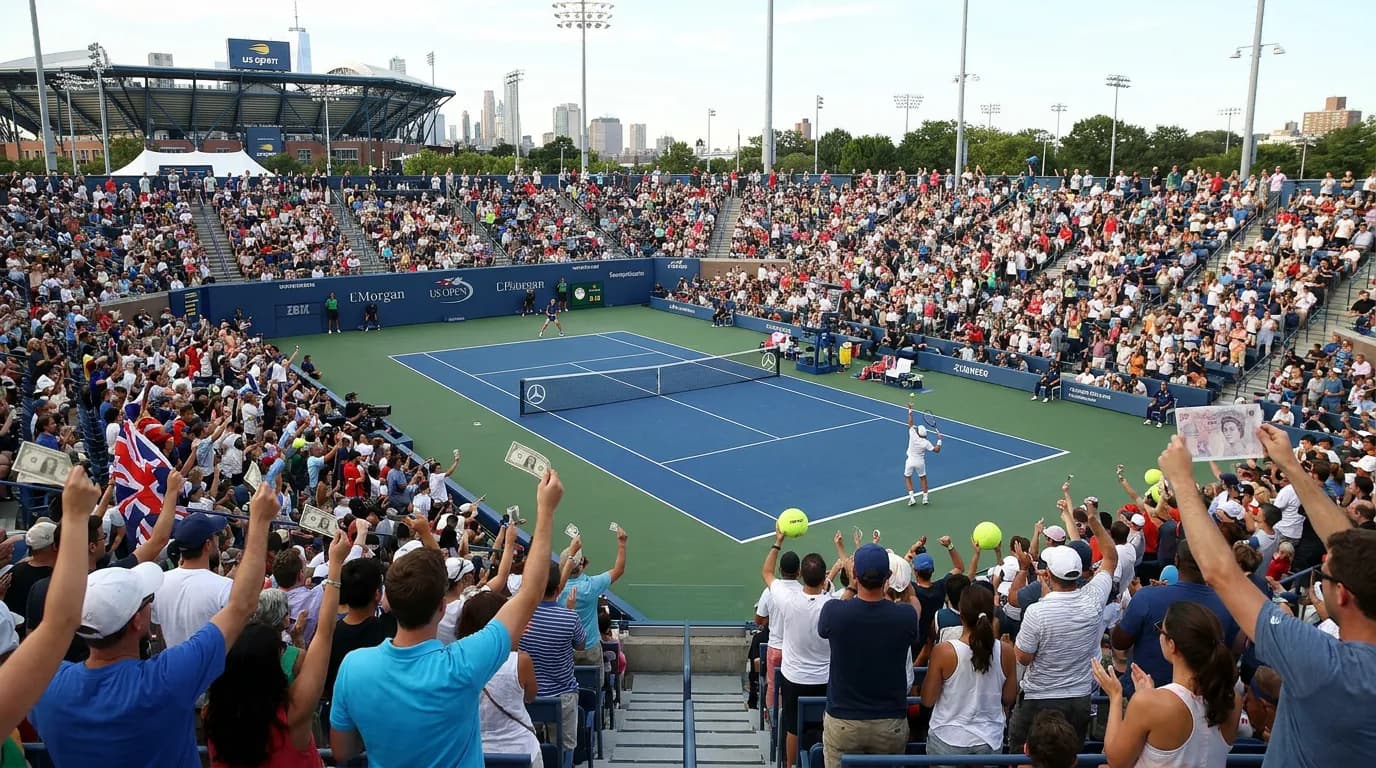
Prize money serves as a proxy for a tournament's prestige, financial health, and commitment to the professional game. Tracking how Wimbledon and the US Open adjust their payouts year over year offers insight into broader trends in sports economics, media rights negotiations, and the balance of power between tournaments and player organizations. It is also worth noting that prize money represents only one dimension of a tournament's value. Ranking points, surface preferences, scheduling within the calendar, travel logistics, and historical prestige all influence how players prioritize events.
Practical Notes
Keep an eye on official tournament websites for prize money announcements, which typically appear in press releases and dedicated documents. These publications often coincide with ticket sales or draw ceremonies, giving fans advance notice of the financial stakes. For travelers, understanding prize structures can enhance your appreciation of early-round matches, where players are competing for meaningful payouts that can fund their next months on tour. Check currency converters if you are budgeting in a non-tournament currency, and remember that exchange rates fluctuate. Both tournaments offer detailed schedules and prize breakdowns on their official sites, making it easy to follow along as the season unfolds.
Tags: #USOpen2026 #Tennis #GrandSlam #NewYorkTennis #ArthurAsheStadium #FlushingMeadows #USOpenGuide #TennisFans #SportsTravel #HardCourt #NewYork #KarpoFinds
Sources consulted: content.wimbledon.com — Official reference · usopen.org — Official reference
All trademarks are the property of their respective owners.
Ask Karpo first
Before you lock in tickets or build a full day around an unconfirmed schedule, ask Karpo first. Share your dates, budget, and favorite players, and Karpo can help turn official US Open updates into a practical New York plan.