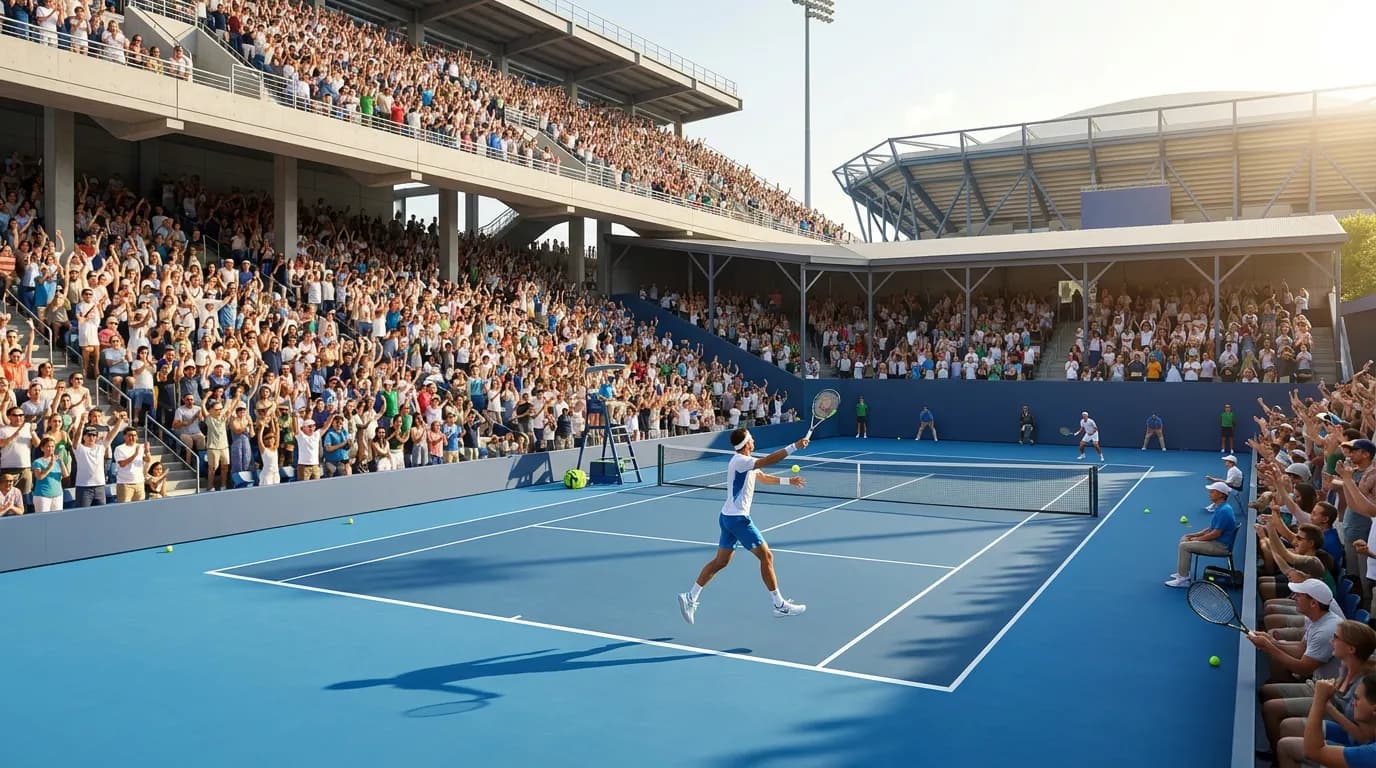
Jannik Sinner's four-set victory over Alexander Zverev in the 2026 Wimbledon men's final provided more than championship silverware and another major title. The match showcased five tactical principles that transcend surface and setting, the kind of strategic building blocks that elite players and their coaching teams will study closely as preparation shifts toward Flushing Meadows. While grass and hard courts demand different movement patterns and reward different shot tolerances, the core lessons from this year's Wimbledon final offer a tactical roadmap that could shape how contenders approach the US Open when it begins in late August. For fans planning trips to New York or simply following the summer hard-court swing, understanding these transferable concepts adds depth to what you'll watch unfold under the lights at Arthur Ashe Stadium.
Text Karpo Now: Tell us what you want from Wimbledon Men’s Final Lessons That Could Shape the US Open, and Karpo can track official updates, match timing, tickets, transit, and the easiest way to plan your US Open day.
Return Pressure as a Foundational Weapon
The Wimbledon final underscored how aggressive returning can dictate the rhythm of an entire match, even on a surface traditionally favorable to servers. Sinner's ability to take returns early and redirect pace put Zverev on the defensive from the opening exchanges, forcing the German to work harder to consolidate service games. This pattern matters even more on hard courts, where the ball comes through more predictably and returners can set up inside the baseline with greater confidence. The US Open's hard-court surface rewards players who can absorb pace and counter-punch immediately, turning what should be comfortable service games into attritional battles.
Aggressive returning also compresses the server's decision-making window. When a returner consistently puts the ball back in play with depth and angle, servers lose the luxury of coasting through holds with free points. This dynamic becomes especially relevant in best-of-five-set matches played in New York's late-summer conditions, where physical reserves matter as much as shot-making brilliance. Players who can apply return pressure early in tournaments often find themselves with shorter matches and fresher legs when the second week arrives. The tactical lesson is clear: returning is not merely about breaking serve but about controlling the emotional and physical tempo of the entire contest.
Second Serve Vulnerability and Exploitation
Zverev's second serve became a recurring pressure point throughout the Wimbledon final, a vulnerability that Sinner exploited with precision. While first serves can mask weaknesses through sheer pace or placement, second serves reveal a player's true comfort level under duress. The pattern observed at Wimbledon translates directly to hard courts, where second serves often sit up more invitingly than on grass or clay. Players who struggle to add spin or depth to their second deliveries find themselves defending short balls and absorbing aggressive returns that shift momentum immediately.
The US Open's atmosphere amplifies this vulnerability. Night sessions under lights can make it harder to disguise spin, and the ambient noise of a packed stadium can disrupt serving routines. Players who enter New York with inconsistent second serves or who land them short in the service box will face relentless pressure from opponents willing to step inside the baseline and take charge of rallies. The tactical adjustment required is straightforward but difficult to execute under pressure: developing a second serve that forces returners to respect depth and spin, even when pace is sacrificed. Matches at the highest level are often decided not by spectacular winners but by which player can better protect their second serve under sustained pressure.
First Strike Tennis and Court Position
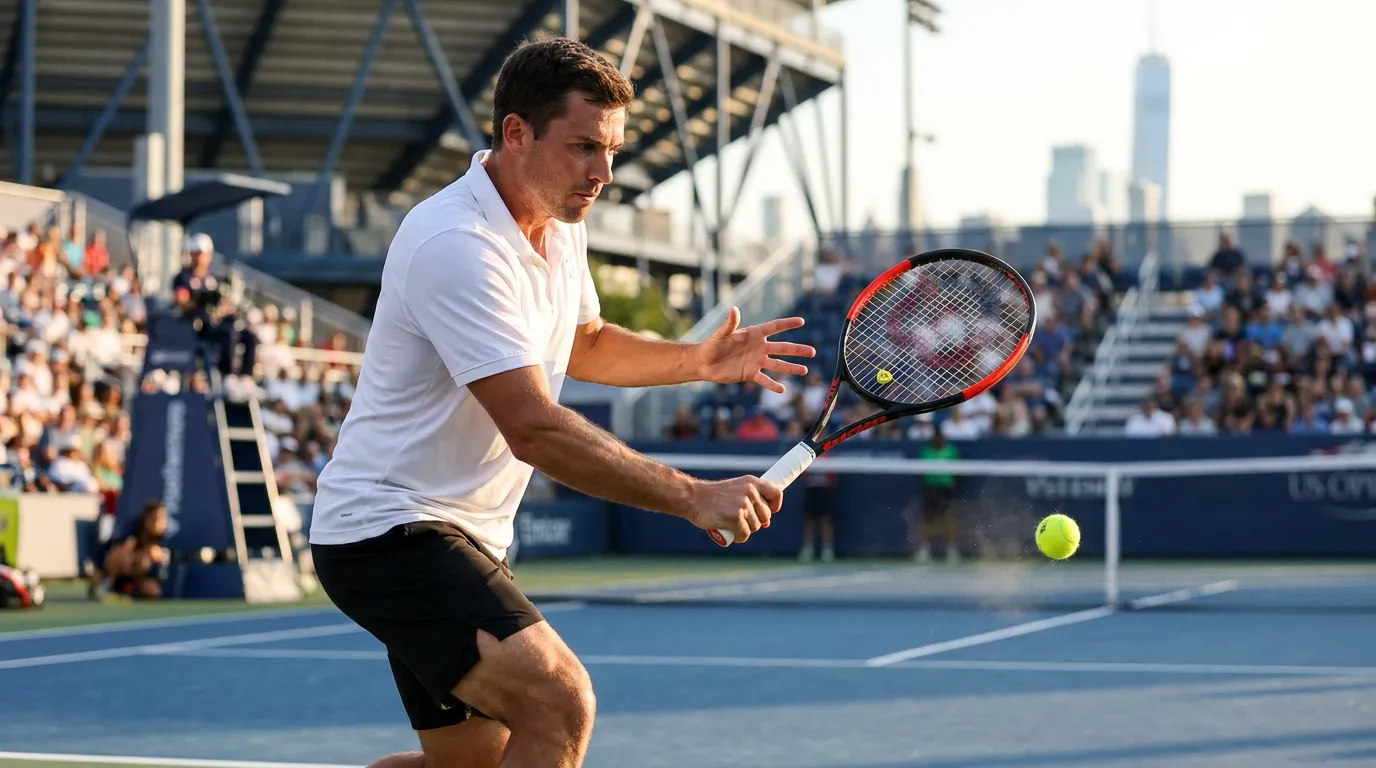
Sinner's success at Wimbledon rested partly on his willingness to take the initiative within the first three shots of each point. Whether serving or returning, he sought to establish court position and dictate rally direction before his opponent could settle into a comfortable pattern. This first-strike mentality suits hard courts particularly well, where the true bounce and consistent pace allow aggressive players to step forward and take balls on the rise without the unpredictability that grass or clay can introduce.
The US Open rewards players who can shorten points and avoid extended baseline exchanges that drain energy reserves. First-strike tennis means committing to patterns: serving to a specific location and moving forward to take control of the next ball, or returning aggressively and immediately pushing the opponent behind the baseline. This approach requires confidence and precision, but it also conserves energy over the course of a two-week tournament. Players who rely on defensive grinding may find success in individual matches, but the cumulative physical toll of long rallies can become unsustainable as the tournament progresses. The tactical lesson from Wimbledon is that controlled aggression within the first few shots of a point can determine not just individual rallies but entire matches and tournament runs.
Momentum Management Across Sets
The four-set structure of the Wimbledon final illustrated how momentum shifts can define major championship matches. Zverev won a set, demonstrating that even in defeat, elite players can seize temporary control and force their opponents to respond. The ability to reset mentally after losing a set, or to maintain focus after winning one, separates major champions from talented players who falter in crucial moments. This psychological dimension becomes even more pronounced at the US Open, where matches can stretch late into the evening and crowd energy fluctuates unpredictably.
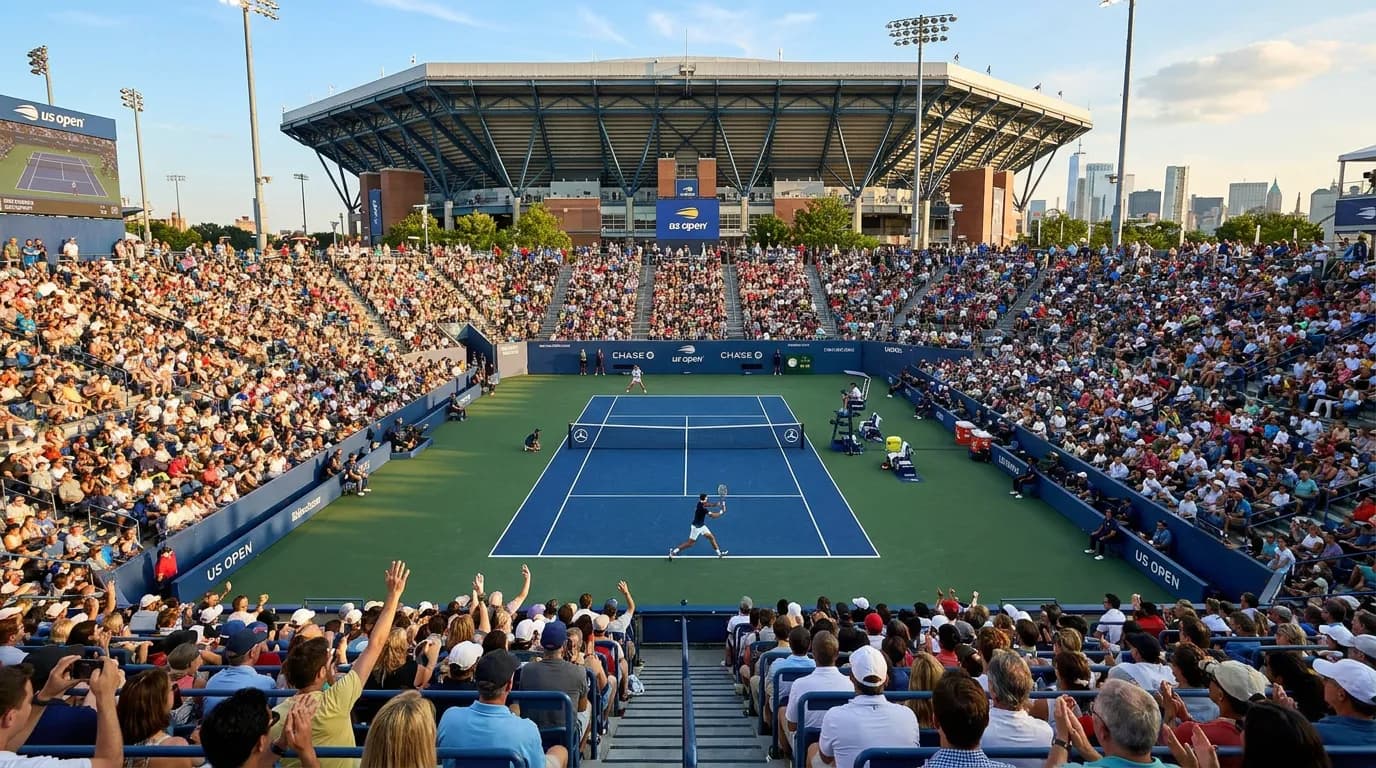
Managing momentum requires both tactical adjustments and emotional discipline. A player who loses a tight first set must avoid the temptation to overhaul their entire game plan, while a player who wins a set comfortably must guard against complacency. The US Open's scheduling can introduce additional variables, with day-to-night transitions affecting ball speed and visibility. Players who demonstrate the ability to compartmentalize sets and refocus quickly between them often find themselves winning matches they might have lost in previous years. The lesson from Wimbledon is that physical talent alone is insufficient; champions must also master the mental architecture of best-of-five-set tennis, recognizing when to adjust tactics and when to trust their foundational game plan despite temporary setbacks.
Practical Notes
For fans planning to attend the US Open, understanding these tactical concepts enhances the viewing experience significantly. Arrive early enough to watch warm-ups, where you can observe serving routines and return positioning that telegraph strategic intentions. Night sessions at Arthur Ashe Stadium offer the most electric atmosphere, but afternoon matches on the outer courts provide closer views of tactical adjustments in real time. Bring layers, as temperatures can drop during evening sessions, and stay hydrated throughout the day. The grounds pass allows access to all courts except Arthur Ashe, Louis Armstrong, and the Grandstand, giving you flexibility to follow specific players or tactical matchups that interest you most. Check the daily schedule each morning, as match times shift based on previous results and conditions.
Tags: #USOpen2026 #Tennis #GrandSlam #NewYorkTennis #ArthurAsheStadium #FlushingMeadows #USOpenGuide #TennisFans #SportsTravel #HardCourt #NewYork #KarpoFinds
Sources consulted: atptour.com — Official reference · usopen.org — Official reference
All trademarks are the property of their respective owners.
Ask Karpo first
Before you lock in tickets or build a full day around an unconfirmed schedule, ask Karpo first. Share your dates, budget, and favorite players, and Karpo can help turn official US Open updates into a practical New York plan.