 Mediterranean Food Near Me in Fort Greene: Miss Ada's Garden and Hummus
Neighborhood Guides
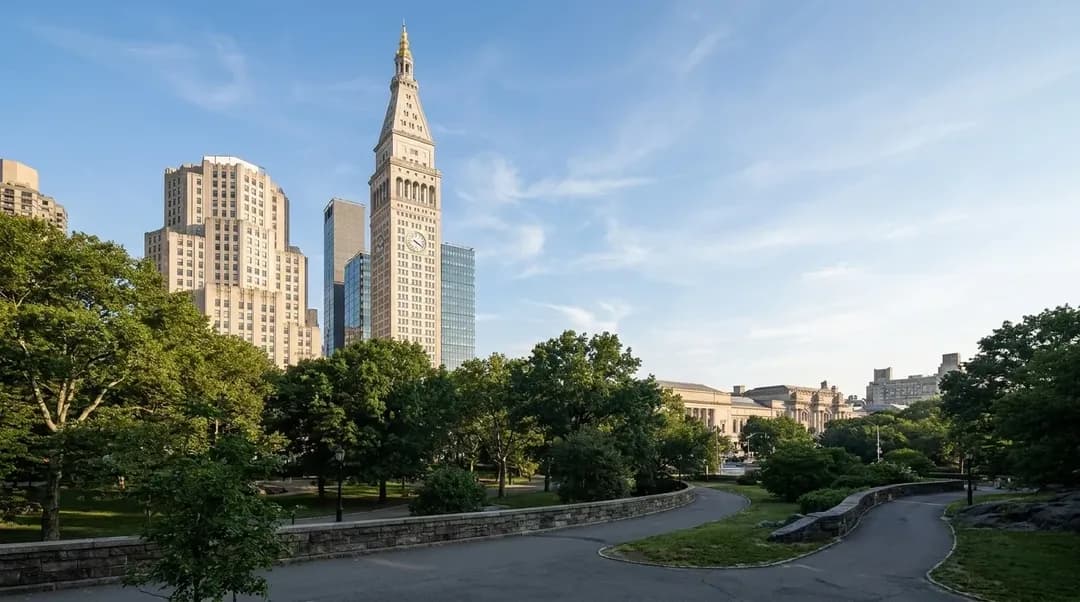
Why the Upper East Side Still Has One of the City's Best Quiet Saturday Rhythms
Between museum lobbies, park benches, and cafes that enforce laptop curfews, this neighborhood offers a slower weekend pace that doesn't require a trust fund to enjoy.
The Upper East Side doesn't chase weekend energy the way Williamsburg or the Lower East Side does. It simply offers a different Saturday logic: wide sidewalks that don't require shoulder checks, museum lobbies you can linger in without buying anything, and cafes where laptop bans after noon create actual conversation space. This isn't about luxury or exclusivity—it's about a neighborhood layout that still prioritizes walking pace over foot traffic. The residential blocks between Fifth and Lexington remain genuinely quiet on weekend mornings, the kind of quiet where you hear individual conversations rather than crowd hum. For locals looking to reset without leaving the city, the Upper East Side's Saturday structure rewards deliberate movement over spontaneous bar-hopping.
Text Karpo at (332) KARPO-NY to map a custom Upper East Side loop that matches your actual Saturday energy level.
The morning museum lobby strategy
Museum Mile along Fifth Avenue creates a useful Saturday anchor that doesn't require ticket purchases. The Met's Great Hall opens at ten, and the lobby itself functions as a meeting point and rest stop—bathrooms are accessible, benches face the information desk, and the space stays cooler than the street from June through September. The Guggenheim's rotunda, visible from the ground floor without admission, offers similar utility. Both institutions draw crowds, but the lobbies move people efficiently enough that you're rarely stuck waiting. If you're planning a longer museum visit, weekday mornings remain less congested, but Saturday lobby access alone justifies the walk up Fifth.
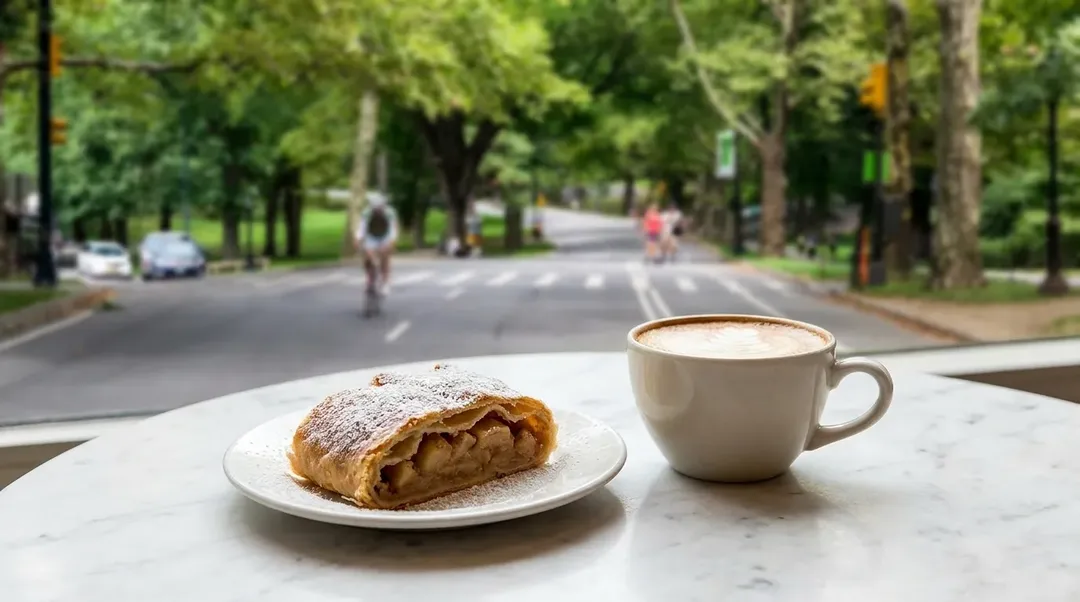
The Neue Galerie at 86th and Fifth operates on a smaller scale and charges admission, but its ground-floor Café Sabarsky opens at nine on Saturdays and doesn't require a museum ticket. The Viennese coffeehouse setup—marble tables, newspaper racks, pastries displayed behind glass—creates a slower rhythm than most Manhattan breakfast spots. Seating is limited, so arrival before ten increases your chances of a table. The café enforces a no-laptop policy throughout the day, which keeps the noise level conversational. If Sabarsky is full, the surrounding blocks between 82nd and 89th hold several smaller cafes, though few match its weekend morning consistency.
Central Park's eastern edge and the 72nd Street transverse
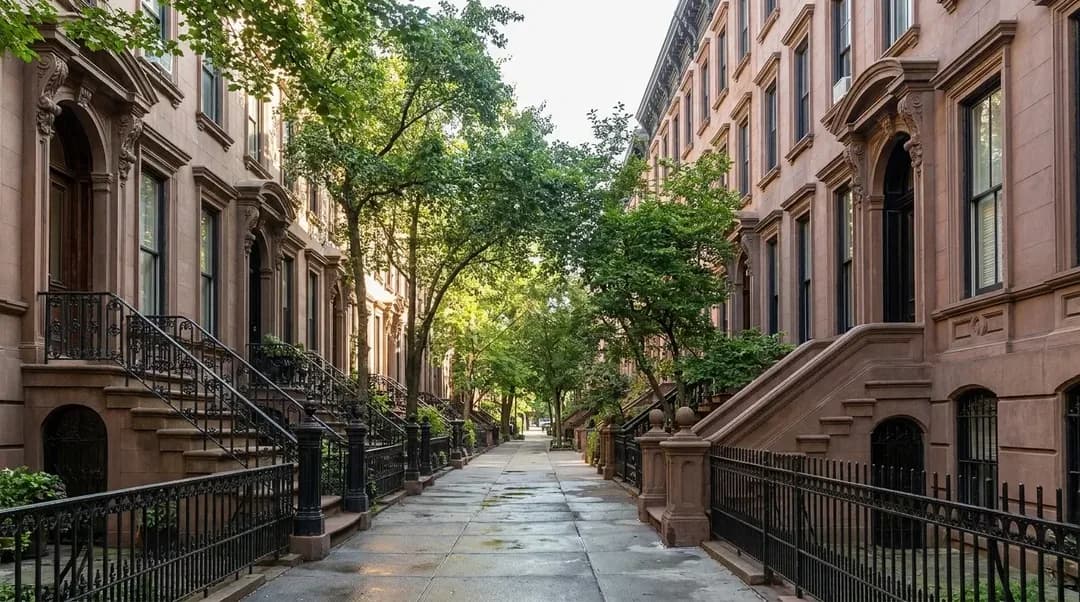
The eastern edge of Central Park, accessed from Fifth Avenue or the 72nd Street transverse, sees less weekend density than the western Sheep Meadow or Bethesda Fountain zones. The Conservatory Garden at 105th Street requires a short walk north but rewards it with formal plantings and gravel paths that stay quiet even on peak weekends. The garden's three sections—Italian, French, and English—each hold benches positioned away from main walkways. Spring tulip season and fall foliage draw more visitors, but the garden's layout disperses crowds naturally. No food or sports equipment is allowed, which self-selects for a quieter visitor profile.
Carl Schurz Park, further east along the river at 86th Street, functions as the neighborhood's secondary green space. The park runs along the East River promenade and offers water views without the tourist volume of Brooklyn Bridge Park or Hudson River Park. Gracie Mansion sits at the park's southern end, and the surrounding paths remain shaded through midday. Dog walkers dominate the early morning hours, but by ten the park shifts to runners and readers. Benches face the water, and the FDR Drive noise is present but less intrusive than you'd expect. If you're weighing Central Park's eastern edge against Carl Schurz, the latter offers more consistent quiet but fewer amenities—no bathrooms, limited water fountains, and no food vendors.
Cafes with enforced quiet policies
A late-May Karpo scenario mapped several Upper East Side cafes that enforce no-laptop-after-noon rules, a policy that directly shapes Saturday afternoon noise levels. These aren't silent reading rooms—conversation is expected—but the absence of keyboard clatter and screen glow changes the acoustic profile. The scenario noted a members' library that opens to day visitors for twenty dollars, though it did not specify the institution's name or exact address. This kind of day-pass model remains rare in Manhattan, where most private libraries restrict access to annual members. If you're considering a day pass, call ahead to confirm Saturday hours and capacity limits.
Standard coffee shops along Second and Third Avenues tend toward higher turnover and louder environments, especially near the 86th Street subway hub. If you're looking for a quieter cafe experience, the blocks between 75th and 82nd on Madison or Lexington offer better odds. Arrival before eleven on Saturdays generally secures seating; after noon, expect to wait or circle back. The Upper East Side's cafe culture doesn't emphasize co-working the way neighborhoods further south do, which means fewer outlets and less tolerance for multi-hour laptop sessions. If you need to work, weekday mornings remain more practical than weekend afternoons.
Practical Saturday routing and timing
A realistic Upper East Side Saturday starts with a transit check: the 4, 5, and 6 trains all serve the neighborhood, with 86th Street as the primary hub. Weekend service changes are common, so confirm your route before leaving. If you're coming from Brooklyn or Queens, the Q train offers a direct Fifth Avenue stop at 72nd, 86th, and 96th Streets. Buses along Madison, Lexington, and Third Avenues run frequently but move slower than the subway during midday hours. Walking remains the most reliable option once you're in the neighborhood—the grid is straightforward, and most destinations sit within a fifteen-minute walk of each other.
Weather contingencies matter more on the Upper East Side than in denser neighborhoods with more indoor fallback options. Rain eliminates park plans and pushes everyone into the same cafes and museum lobbies, so have a secondary indoor route ready. Summer heat makes the riverside promenade at Carl Schurz Park more appealing than Central Park's open meadows, while winter wind funnels down the Fifth Avenue corridor and makes the side streets between Madison and Park more comfortable. If you're planning a museum visit, check for special exhibitions that might draw larger crowds—standard admission lines move faster than ticketed shows. The Met's suggested admission model means you can pay what you wish if you're a New York State resident, but you'll still wait in the entry line regardless of ticket type.
Practical Notes
- Museum lobbies on Fifth Avenue offer free bathroom and rest access without admission; arrive before eleven to avoid peak entry lines.
- Conservatory Garden at 105th and Fifth enforces no-sports and no-food rules, which keeps weekend crowds smaller and quieter than southern Central Park zones.
- Carl Schurz Park along the East River provides water views and shaded benches with less tourist volume than Hudson River Park; limited amenities mean bring your own water.
- Cafes between 75th and 82nd on Madison or Lexington tend toward quieter environments than Second or Third Avenue spots near the 86th Street subway hub.
- No-laptop-after-noon policies at select cafes create genuinely quieter afternoon spaces; call ahead to confirm current policies.
- Q train offers direct Fifth Avenue access at 72nd, 86th, and 96th; check weekend service changes before traveling.
- Rain contingency: museum lobbies and the Neue Galerie café don't require advance tickets and absorb overflow crowds better than smaller cafes.
The Upper East Side's Saturday rhythm isn't about discovering hidden bars or chasing new openings. It's about a neighborhood layout that still supports slower movement—wide sidewalks, accessible park edges, and cafes that haven't turned every table into a co-working desk. The infrastructure is predictable, which makes planning easier: you know the museum lobbies will be open, the park benches will be available, and the side streets will stay quiet. That reliability is the point. For locals who want a weekend reset without leaving the city, the Upper East Side delivers a functional alternative to the noise and density that define most Manhattan Saturdays.
Tags: #uppereastsidenyc #neighborhoodguides #nyclocals #centralparkeast #museummile #quietnyc #saturdayinnyc #nycweekends #uesliving #carlschurzpark #nycwalking #manhattanlife #nycneighborhoods #localnyc
Sources consulted: Silent Reading Rooms and Quiet Cafes on the Upper East Side · Why the Upper East Side Still Defines Classic NYC Living · Upper East Side Neighborhood Guide: Museums, Parks & Timeless Manhattan ... · Upper East Side Neighborhood Guide: Museums, Parks, Dining, and Moving ... · Upper East Side Reviews - Niche
All trademarks are the property of their respective owners.
Ask Karpo for more information.
Keep reading
- Mediterranean Food Near Me in Fort Greene: Miss Ada's Garden and Hummus
 Places To Eat Near Me in Chelsea: The Market Fills a Nabisco Factory
 Seafood Near Me in the East Village: The Mermaid Inn's Dollar Oysters