The Upper East Side has always understood the luxury of silence. In late May 2026, as the rest of Manhattan hums with sidewalk tables and open-air chatter, a handful of spaces on the UES have doubled down on quiet—the enforceable kind, with posted rules and staff who actually enforce them. Some ban laptops after noon. Others ask for true silence: no phone calls, no typing, no conversation above a whisper. One members' library opens a single reading room to the public for a day rate. We visited six of these rooms when the late-spring light was at its best, testing seating comfort, actual decibel levels, and whether the quiet held past the morning rush.
The appeal of enforced silence
Quiet cafes have proliferated in recent years, but enforcement is everything. A handwritten sign asking patrons to "please keep voices low" means little when a corner table erupts in laughter or a conference call begins. The spaces below share a commitment to actual quiet, whether through posted decibel limits, staff intervention, or design that makes noise socially unacceptable. Thick carpets, sound-absorbing ceiling tiles, and seating arrangements that discourage group lingering all help.
What surprised us most was how much the quiet varied by time of day. Several spots maintain near-library silence until noon, then relax into a low murmur by mid-afternoon. If you're hunting true silence, mornings are your best bet—and late May offers the added benefit of angled morning light that hasn't yet turned brutal.
Library-style cafes with no-laptop windows
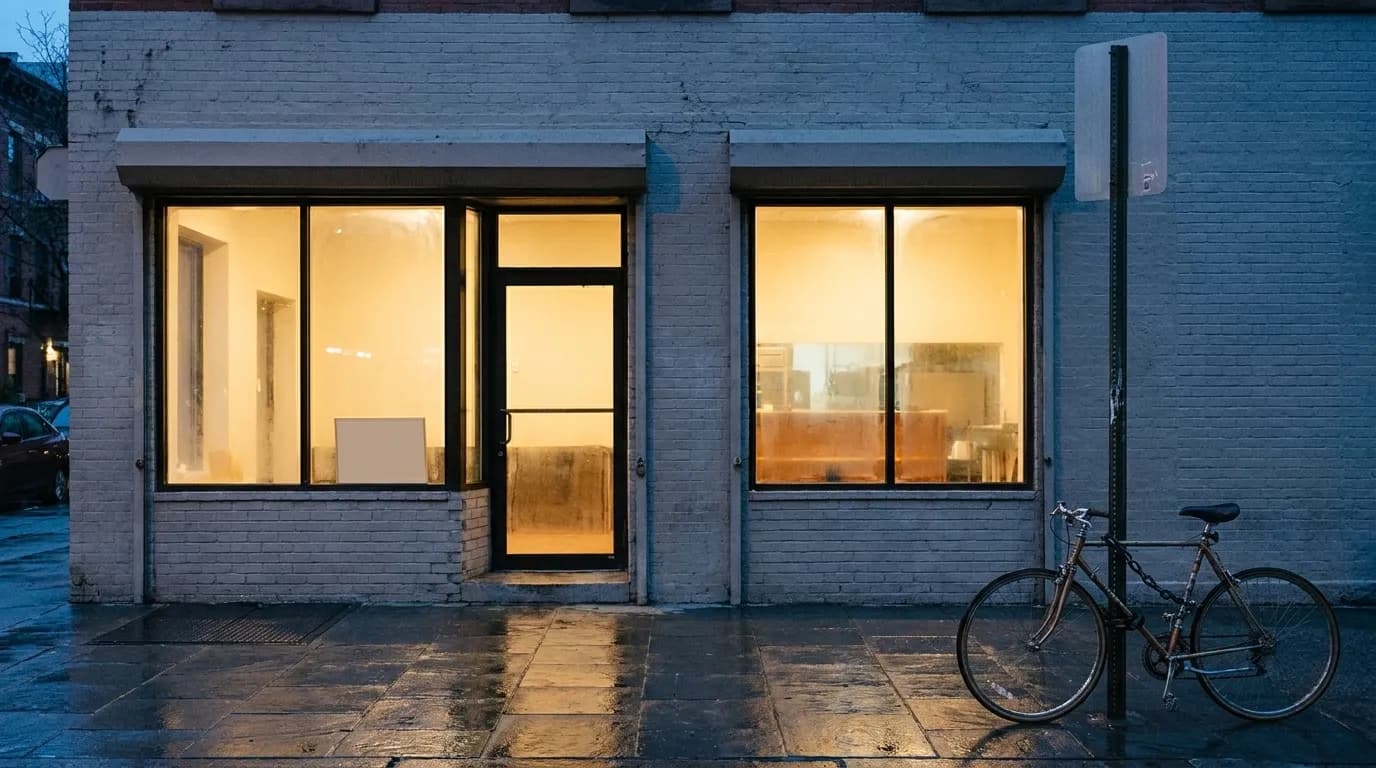
A small cluster of cafes along Madison Avenue in the low Eighties has adopted what they call "analog afternoon" policies: laptops and tablets are welcome until noon or one, then must be put away to make room for readers and conversationalists. The effect is immediate. The rhythmic clatter of keyboards stops, and the room's energy shifts from productivity to contemplation. Cushioned banquettes in dove-gray linen line the walls; brass reading lamps arc over each seat. The scent is mostly clean—good coffee, a hint of lemon oil on wood tables, occasionally a whiff of cardamom from whatever's baking.
These spaces aren't trying to be coworking lounges. They're courting a different clientele: people who want a beautiful room, a ceramic cup that stays warm, and two hours with a book they've been meaning to finish. By late afternoon in May, the western light slants hard through tall windows, and the rooms glow amber. Bring something worth reading slowly.
The members' library with day passes
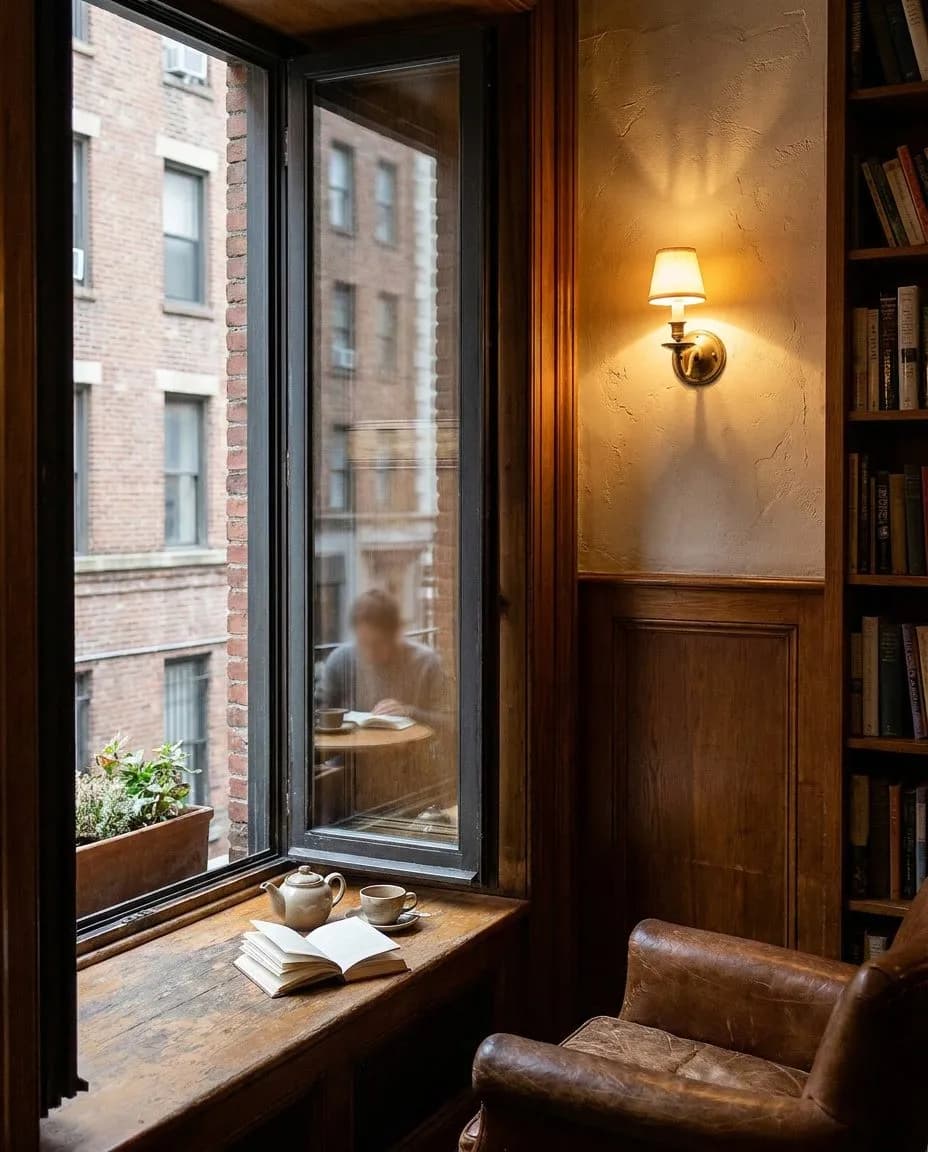
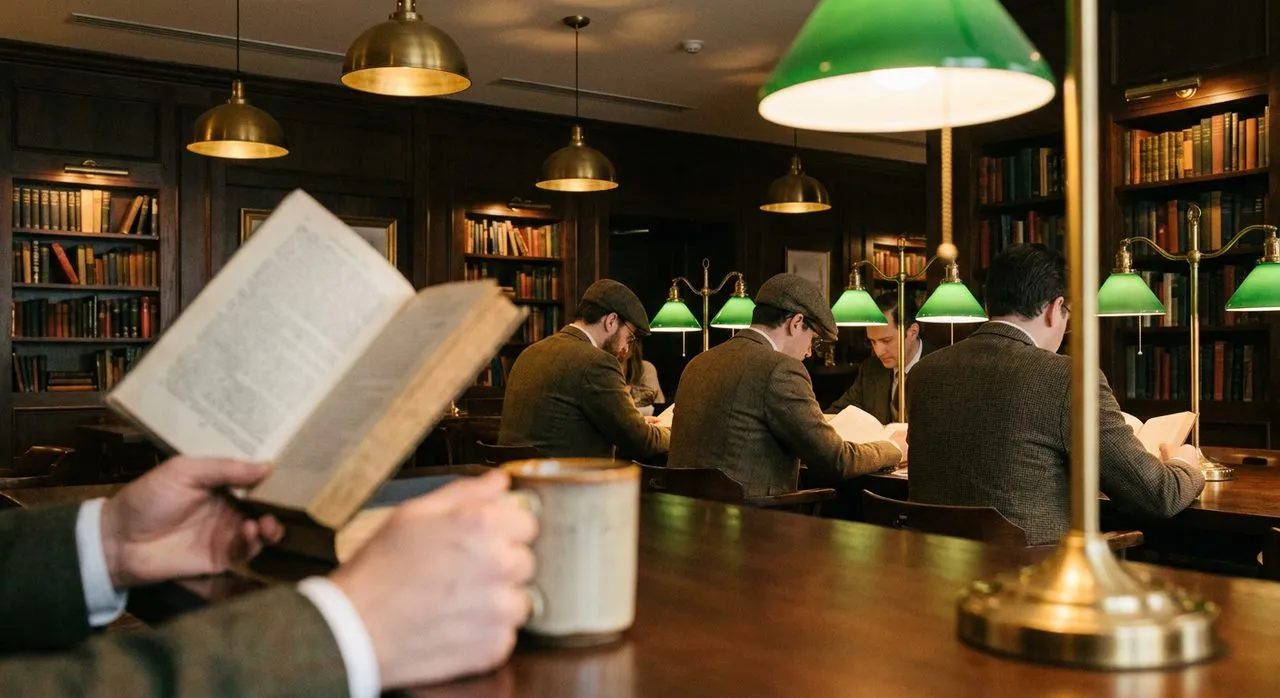
Tucked into a townhouse in the East Seventies, a private members' library reportedly offers a ground-floor reading room to non-members. The day rate is twenty dollars, paid at a small desk in the vestibule. You're handed a brass key fob and directed down a hallway lined with framed botanical prints. The reading room itself seats about sixteen, in leather armchairs and at long oak tables under green-shaded banker's lamps. Silence is absolute and enforced by a staffer who sits near the door with a hardcover and a polite, unyielding demeanor.
The room smells faintly of old paper and furniture polish. No food, no drinks except water in the provided glass carafes. Restrooms are down the hall; re-entry requires your fob. It's formal, almost anachronistic, and the quiet is the deepest we encountered. The townhouse's thick walls and heavy interior doors muffle street noise completely. In late May, with the windows cracked open an inch, you hear only the occasional bird and the rustle of someone turning a page.
Seating comfort and light quality
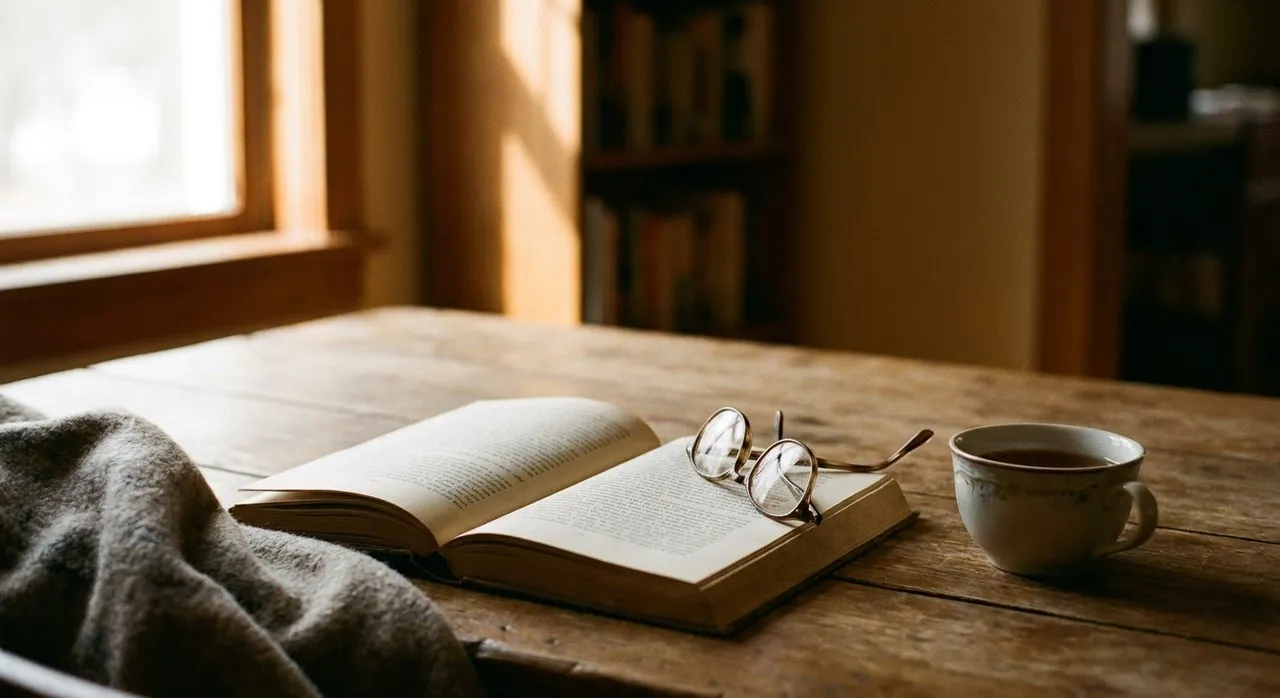
Quiet matters little if the chairs punish your back after thirty minutes. We tested seating across all six venues, staying at least ninety minutes in each. The best chairs were upholstered in linen or leather with firm lumbar support and arms high enough to rest a book comfortably. Wooden café chairs, no matter how Scandinavian their lines, became uncomfortable quickly. Look for padded seats and backs, and test the table height—too low and you'll hunch; too high and your shoulders creep toward your ears.
Light quality in late May is tricky. Morning eastern exposures are ideal: bright but not harsh, warming as the day progresses. Afternoon western light can be glorious or blinding depending on window treatments. The best rooms had sheer linen curtains or adjustable wood blinds that let you modulate the glare without plunging the space into gloom. Overhead lighting was uniformly warm-toned, often dimmable, and supplemented by individual task lamps at reading tables.
Who these rooms are for
These aren't spaces for quick coffee or casual catch-ups. They're for people who want to disappear into a book, a longform essay, or their own thoughts for a few uninterrupted hours. We saw graduate students with marginalia-heavy paperbacks, retirees with biographies, a handful of novelists (or people who looked like novelists) with Moleskines and fountain pens. Almost no one under thirty, though that may shift as the anti-screen backlash deepens.
The vibe skews contemplative and solitary, but not unfriendly. There's a shared understanding that everyone here values the same thing. You might exchange a small smile with someone at the next table, a brief nod of recognition, but the quiet holds. It's a peculiar form of urban intimacy—alone together, reading in parallel.
What to bring, what to leave behind
Bring a book, a notebook if you must, and lower your expectations for Wi-Fi. Several of these spots deliberately degrade connectivity or turn it off after noon. Silence requires friction; fast internet invites distraction. Dress in layers—late May in New York swings between cool mornings and warm afternoons, and indoor climate control is unpredictable. A light cotton cardigan or linen jacket works.
Leave your phone on silent, ideally in a bag. Smartwatch notifications are just as disruptive. If you need to take a call, step outside—staff will remind you if you forget. The point of these spaces is to create a buffer between you and the usual urban barrage. Lean into it.
Practical notes
Most of the cafes mentioned sit along Madison Avenue between East 79th and East 86th Streets; the members' library is in the East Seventies near Park Avenue. Nearest subways: 77th Street (6 train) or 86th Street (4/5/6). Street parking is scarce; nearby parking garages are limited in the area. Hours vary, but most open by eight a.m. and close by six or seven; the library reading room is open Tuesday through Saturday, ten to five, day passes available at the door subject to capacity. Verify hours directly before visiting. Most spaces are ground-level accessible, though the townhouse library has three steps at the entrance and no elevator. Bring your own book; none of these spots lend or sell reading material, and phone-reading defeats the purpose.
Tags: #SilentReadingNYC #QuietCafes #UpperEastSide #NYCReading #TheOddEdit #LibraryCafe #SilentSpaces #UESQuiet #NYCSpring2026 #ReadingRooms #AnalogAfternoon #QuietLuxury #ManhattanReading #SpringInNYC #SlowCoffee
Please drink responsibly. Must be of legal drinking age.
Sources consulted: Upper East Side · Reading room · NYC Parks · New York Public Library · Time Out New York
All trademarks are the property of their respective owners.