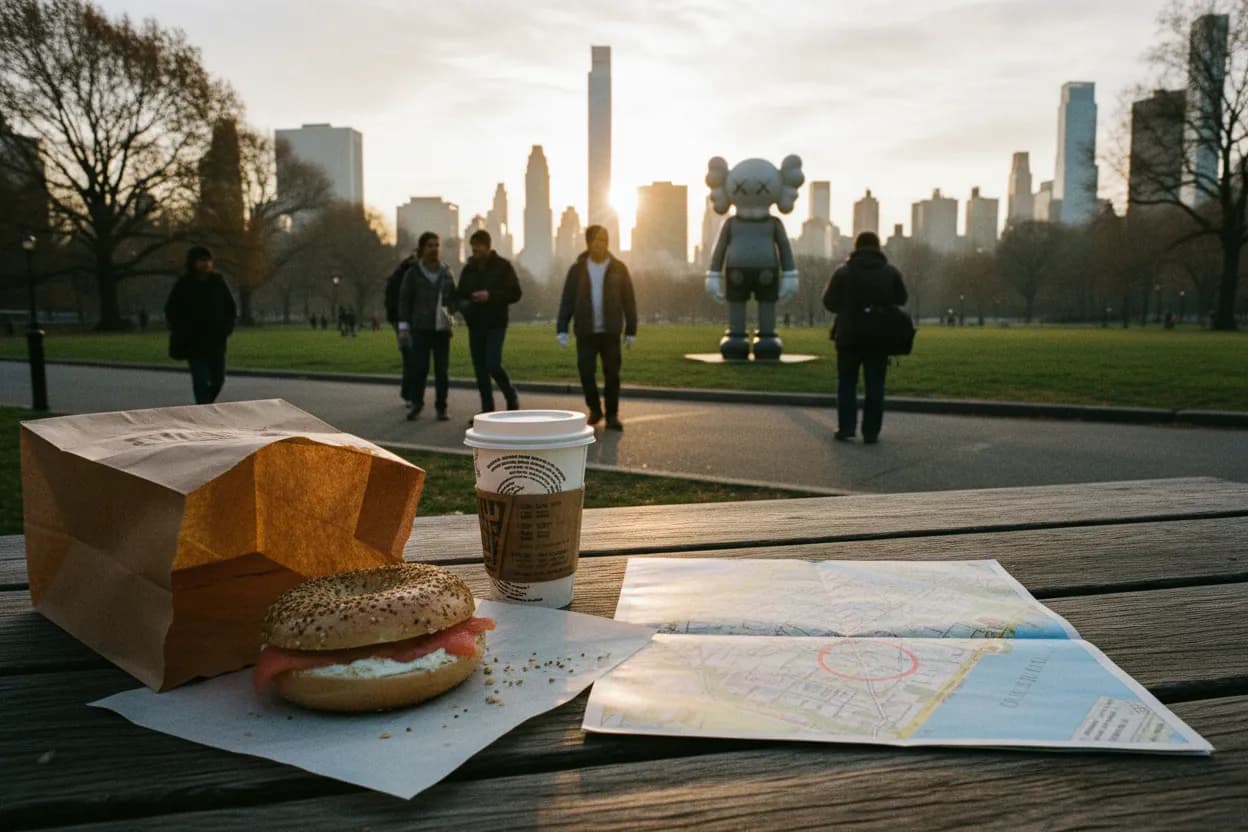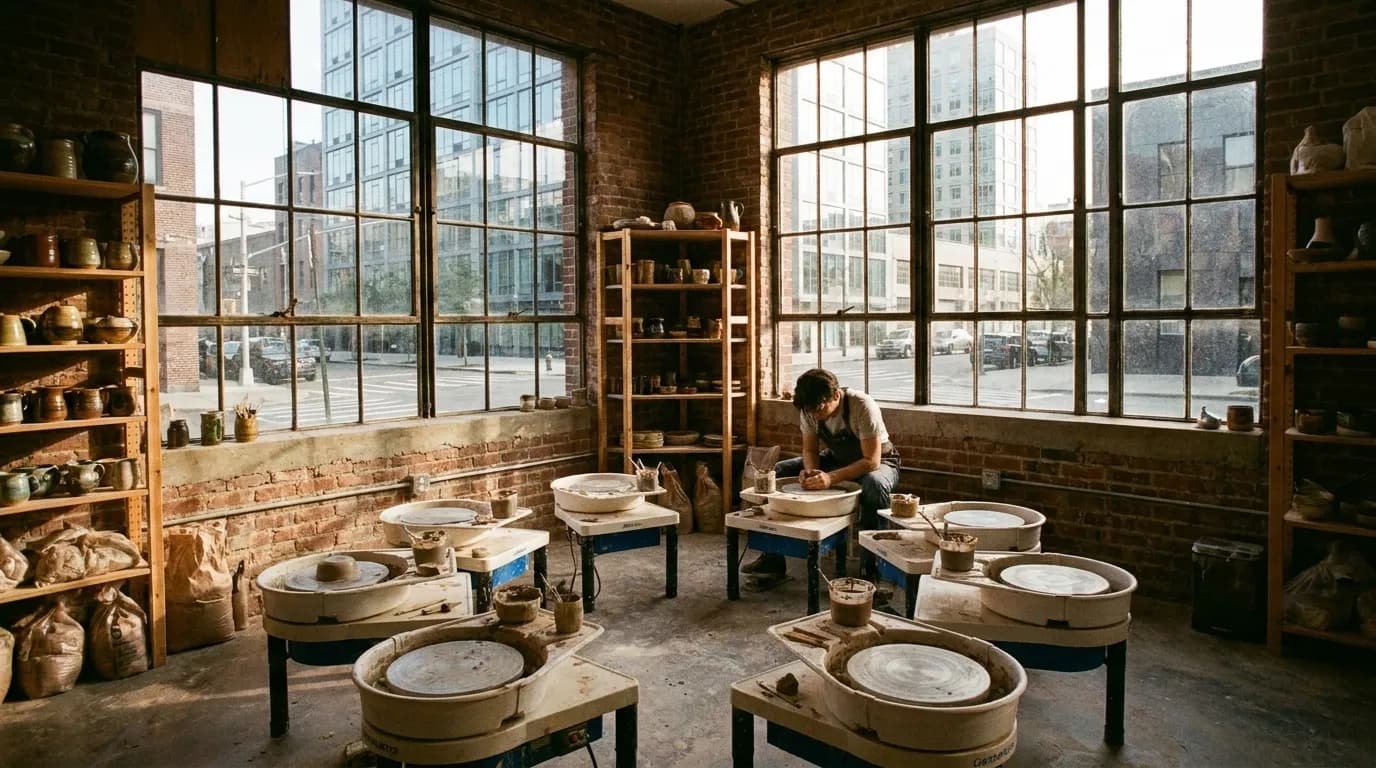
The dinner party invitation arrives, promising craft cocktails and artisan cheese for thirty people in a Williamsburg loft. You RSVP yes, then spend the evening shouting small talk over a din of strangers, holding a wine glass you never finish, wondering why you didn't just suggest coffee. The format fails because passive consumption at scale doesn't build connection—it fractures attention across too many faces and forces surface-level exchanges. New York offers an alternative that locals increasingly prefer: small creative workshops where six to twelve people work with their hands while conversation unfolds naturally. The structure matters more than the medium, whether you're throwing pottery in Greenpoint or assembling terrariums in the East Village. These intimate, activity-based gatherings create what large tasting events promise but rarely deliver—space for the kind of unhurried conversation that strengthens friendships.
Text Karpo at (332) KARPO-NY to find workshops that match your group's interests and schedule constraints this month.

The Structural Advantage of Working With Your Hands
Hands-on workshops eliminate the performance pressure that makes dinner parties awkward. When your attention splits between manipulating clay or mixing paint and talking with the person beside you, conversation flows without the forced eye contact and conversational dead ends that plague seated meals. The physical task provides natural pauses—moments to think while you glaze a bowl or wait for ink to dry—that let dialogue breathe. Research on group synchronization shows that shared physical activity, even simple tasks like kneading dough or folding paper, creates stronger memory formation and interpersonal bonding than passive experiences. You remember the conversation because it's anchored to the tactile work, not floating in the abstract space of yet another restaurant meal.
The multi-sensory nature of creative work also keeps participants present in a way that tasting events don't. At a wine seminar with forty attendees, you're performing attention—nodding at the sommelier's notes on terroir while mentally drafting tomorrow's emails. In a small jewelry-making class, your hands demand focus, which paradoxically frees your mind for more authentic social engagement. The activity becomes a third participant in the conversation, something you can reference and joke about, creating shared experience in real time rather than simply consuming something a chef or bartender prepared. This structural difference explains why people consistently report feeling more connected after a two-hour workshop than after a three-hour tasting event, even when the latter includes more elaborate food and drink.
Why Ten People Beats Fifty Every Time
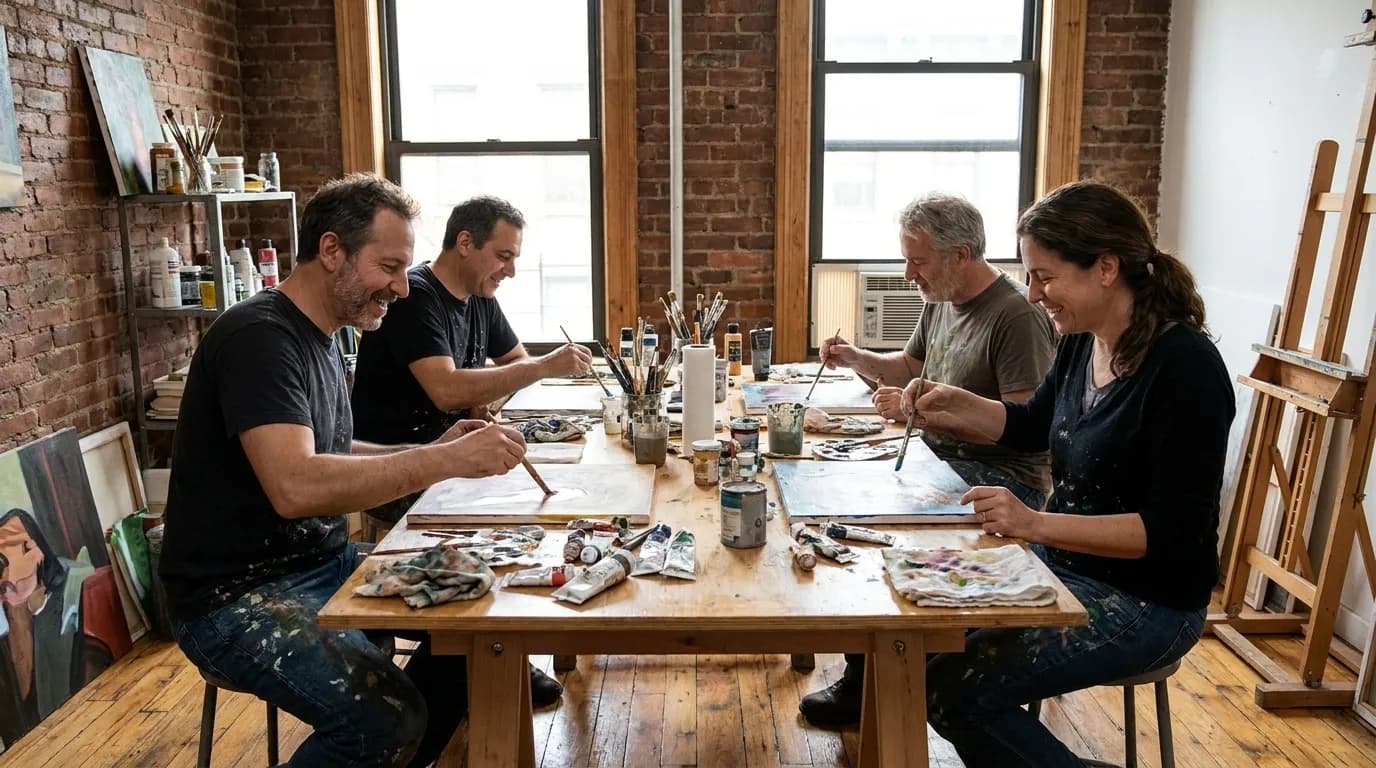
Scale determines conversational depth. In groups larger than fifteen, social dynamics shift from dialogue to performance. You project personality rather than share thoughts, speak in soundbites rather than explore ideas, and leave knowing names but not people. Small workshops—typically capped between six and twelve participants—create what event strategists call "micro-events," gatherings sized for actual relationship building rather than networking theater. At this scale, everyone can contribute to a single conversation or the group can split into pairs that rotate naturally as the activity progresses. You're not trapped beside one person for two hours or lost in a crowd of thirty; the format allows organic movement while maintaining intimacy.
The curation that small size enables also matters. When a pottery studio limits a Saturday morning class to eight people, the instructor can offer genuine guidance rather than crowd management. Participants feel seen rather than processed, and the shared struggle with a challenging technique—getting the wheel to center, achieving the right paint consistency—becomes a bonding mechanism. Large tasting events optimize for volume and ticket sales, which means you're often standing in a warehouse space with strangers who signed up through different channels, creating a fragmented social field. Small workshops typically attract people through similar networks or interests, and the limited capacity means you're more likely to encounter friends of friends or neighbors, expanding your social circle through meaningful overlap rather than random collision.
The Conversation Quality Difference
Passive consumption events create a paradox: they're designed around a shared experience—tasting the same wines, sampling the same cheeses—but that shared object becomes an obstacle to connection. Everyone focuses on the product, not each other, and conversation defaults to performance criticism: "I'm getting notes of cherry," "This one's too oaky." The format encourages judgment and comparison rather than vulnerability and curiosity. You leave having consumed something but rarely having learned anything meaningful about the people around you. The event's structure optimizes for the product, not the participants.
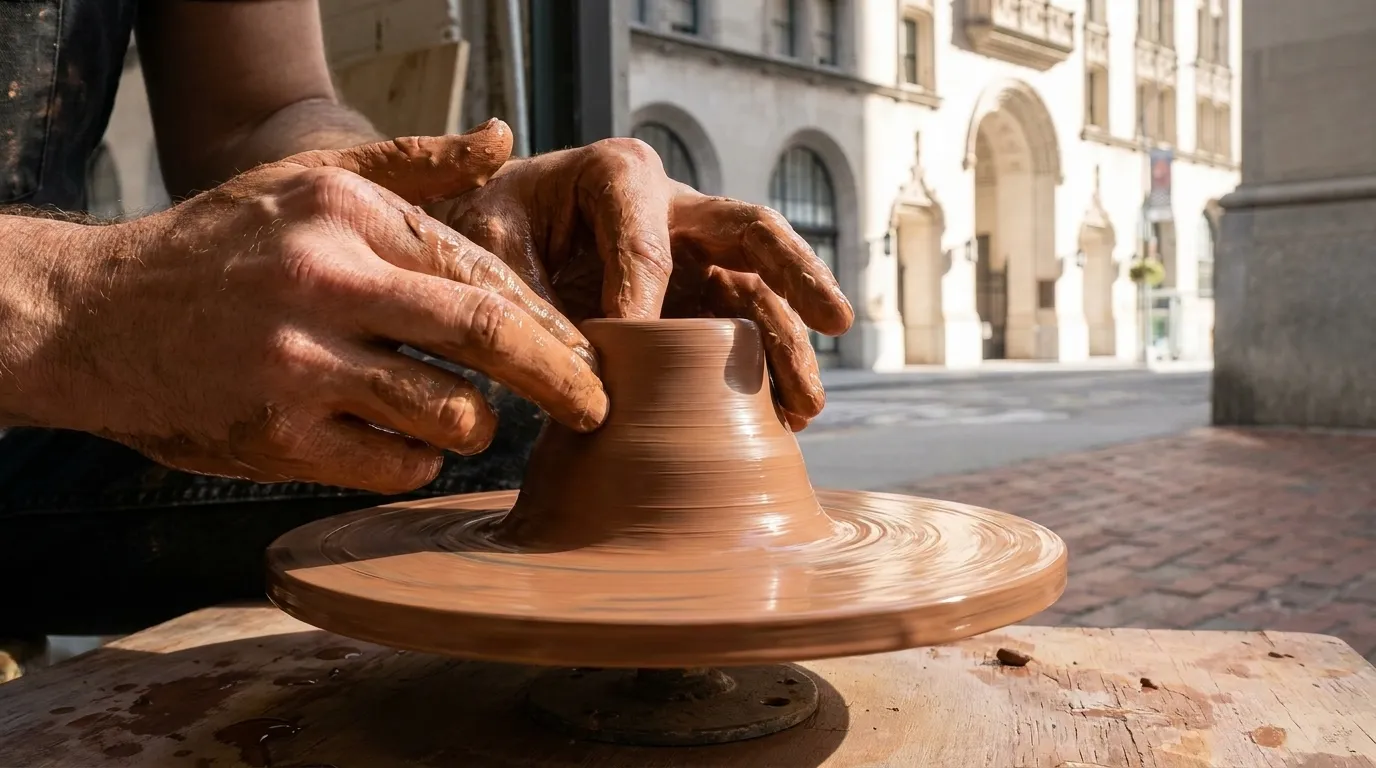
Creative workshops invert this dynamic. The thing you're making is explicitly imperfect—everyone's first ceramic bowl looks wonky, everyone's first watercolor bleeds—which creates permission for vulnerability and humor. Shared incompetence is a better social lubricant than shared expertise. The activity provides natural conversation starters that move beyond small talk: why you chose that color, what you plan to do with the finished piece, whether you've tried this before. These questions open into real topics—how you spend weekends, what's happening in your neighborhood, what you're thinking about lately—without the forced intimacy of "let's go around and share." The workshop format lets connection emerge rather than demanding it, and that structural patience produces stronger results than any icebreaker game or facilitated networking session.
Making It Work in Your Schedule and Budget
Workshop logistics favor spontaneity in ways that large events don't. Most NYC creative studios offer rolling schedules with classes throughout the week, often including weekday evenings and weekend mornings. This flexibility means you can suggest a plan that actually fits your friends' calendars rather than committing months in advance to a ticketed tasting event. Many workshops allow same-week booking if spots remain, and the smaller scale means cancellation policies tend to be more forgiving than events that require minimum headcounts. If you're trying to coordinate schedules across three or four people, the abundance of options—pottery studios in Greenpoint, candle-making workshops in the East Village, painting classes in Chelsea—makes it easier to find a time that works than trying to align everyone for a single Saturday night food event.
Cost structures also differ in useful ways. While per-person workshop fees might seem comparable to tasting event tickets at first glance, workshops typically include all materials and instruction, meaning you leave with a physical object you made rather than an empty stomach and a wine buzz. The value proposition shifts from consumption to creation, and the artifact—a bowl, a print, a piece of jewelry—becomes a memory anchor that extends the experience beyond the event itself. Many studios offer group discounts for private bookings, which can make a two-hour session for six friends more economical than restaurant reservations once you factor in food, drinks, and tips. The key is thinking about workshops as a social format rather than a special occasion, something you can do on a regular Tuesday rather than saving for birthdays or celebrations.
Practical Notes
- Check studio cancellation policies before booking—most allow rescheduling with 48-72 hours notice, but policies vary by venue and season.
- Weekday evening workshops (6-8pm slots) often have better availability than weekend sessions and attract a more local, regular crowd.
- Book private sessions for groups of 6+ if you want guaranteed friend time rather than mixing with strangers in public classes.
- Consider transit logistics when choosing studios—venues near multiple subway lines make coordination easier for friends coming from different neighborhoods.
- Ask about material costs and what's included; some workshops charge separately for premium supplies or firing/finishing services.
- Plan 30 minutes before or after the workshop for coffee or a drink—the activity provides conversation material that carries into unstructured time.
- Try different mediums before committing to a regular format; what works for your group might surprise you and isn't always the most Instagram-friendly option.
The shift from big tasting events to small creative workshops isn't about rejecting social drinking or food culture—it's about recognizing that connection requires structure, and some structures work better than others. When you're trying to actually catch up with friends rather than perform sociability for a crowd, intimate scale and shared making create conditions for the conversations you're actually seeking. The format doesn't guarantee depth, but it removes the obstacles that large events create, and in a city where everyone's calendar is fragmented and attention is scarce, that structural advantage matters. Next time you're planning friend time, skip the ticketed tasting and book a pottery wheel instead.
Tags: #nycworkshops #creativeclasses #smallgatherings #handsonsocial #nycfriends #workshopculture #intimateevents #makingthings #nyclocals #creativebonding #microevents #friendtime #nycactivities #socialformats
Sources consulted: The Power of Small Events: Why Intimate Gatherings Lead to Stronger ... · Why Hands-On Workshops Build Stronger Bonds Than Dinner Parties · Why Small, Curated Events Outperform Big Conferences (And ... - LinkedIn · Micro-Events, Macro Impact: Why Small, Curated Gatherings Are ... · Best Way to Connect: Why Hands-On Craft Workshops Are the Ultimate ...
All trademarks are the property of their respective owners.