 Wine Tasting Near Me: Inside Williamsburg's Working Winery
Creative Workshops
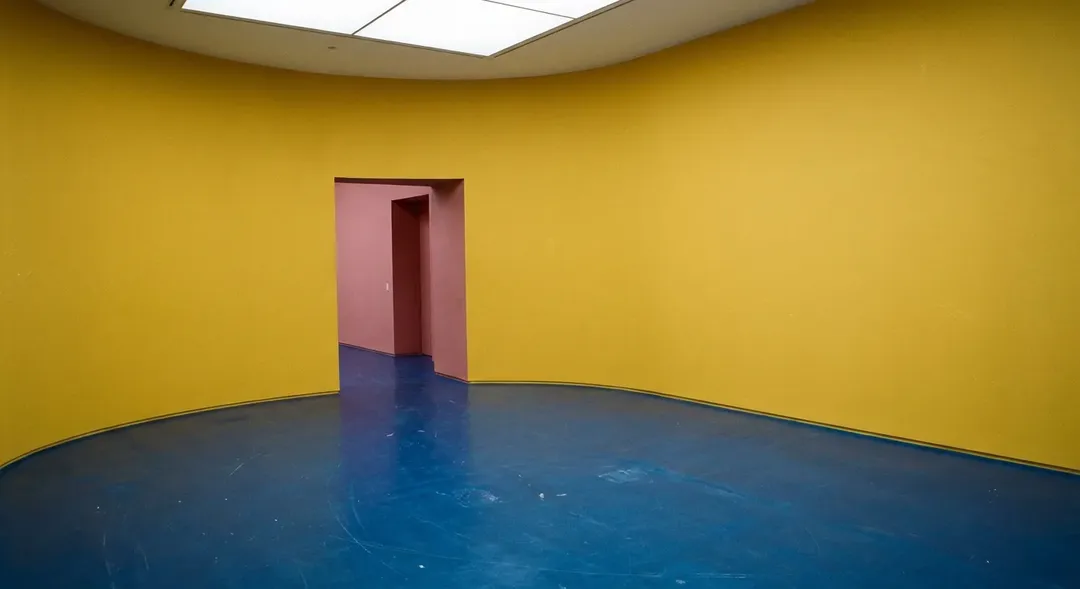
Inside Color Factory NYC: The Rooms Worth Your Ticket
What Color Factory NYC on Spring Street actually contains, which of its named rooms justify the ticket, and how to time a visit so you are not queuing for a ball pit.
Color Factory sits at 251 Spring Street in Hudson Square, on the western edge of SoHo, and it has spent years being described as an Instagram backdrop rather than an exhibition. That framing is not entirely unfair, but it does obscure the practical question people are actually asking before they buy a ticket: what is inside, how long does it take, and is there enough there to justify the outlay and the trip.
Tell Karpo when you are free and it will find the quietest booking window at Color Factory and pair it with somewhere nearby to land afterwards.
This is a walk through what the venue contains, which parts reward the time, and how to time a booking so the visit does not turn into a wait.
What is actually inside
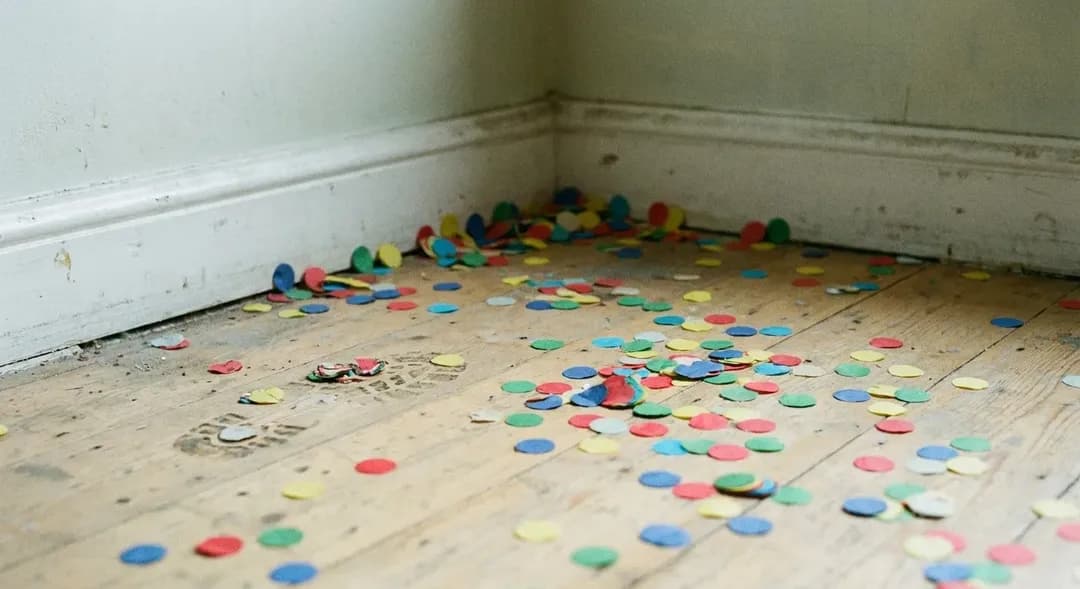
The venue advertises fourteen exhibits across the building, and the ones it names publicly give a fair picture of the range. There is a confetti-filled seasonal park, a light exhibit built around hidden New York City references, a dance floor running a playlist put together by DJ Spinderella, a blue ball pit, a color horoscope area, and a light-up room for making things. Not every space is documented in advance, which is part of the design — the route is meant to unfold.
The important structural point is that this is a one-way progression rather than a gallery you wander. You move through the rooms in sequence, which means your pace is partly set by the group ahead of you. That is what makes booking time-of-day the single most consequential decision in the visit.
Expect somewhere between an hour and ninety minutes at an unhurried pace. It is not a half-day, and treating it as one leads to disappointment; treating it as the anchor of an afternoon in Hudson Square works much better.
Which rooms earn the ticket
The rooms that hold up best are the ones doing something beyond providing a backdrop. The hidden-gems light exhibit is the strongest of these, because it is built on actual New York references rather than generic color, and it rewards attention from anybody who knows the city. The color horoscope area works for a similar reason — there is a small idea in it, and you leave with something.
The dance floor is better than it sounds on paper, largely because a proper playlist changes the energy of a room full of strangers, and because it is one of the few spaces where being there with people is the point rather than an obstacle.
The ball pit is the most photographed space and the one that most divides visitors. If you are visiting with children it is the highlight of the trip. If you are two adults on a weekend afternoon, the ball pit is the bottleneck — it is where the line concentrates and where the sequence backs up, and the honest advice is to look, take the photograph and keep moving.
Timing, tickets and the trip itself
Tickets are timed and bought in advance, and the difference between a good visit and a frustrating one is almost entirely which slot you choose. Weekday slots, especially in term time and in the first hour or two after opening, are markedly calmer than weekend afternoons. School holidays and rainy Saturdays are the worst combination, because an indoor, weatherproof attraction becomes everybody's contingency plan at once.
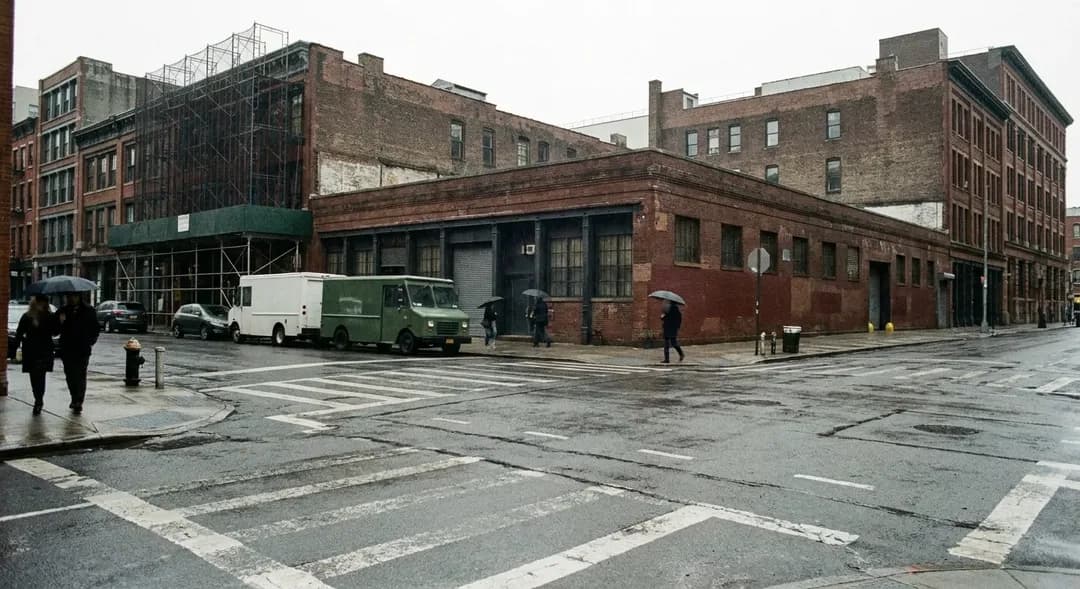
The neighborhood matters to the plan too. Hudson Square is a working district of loft buildings rather than a tourist strip, and it sits within a short walk of SoHo's shopping blocks to the east and the Hudson River park to the west. Building an afternoon around the visit — a slot, then a walk, then somewhere to sit down — makes far more sense than treating it as an isolated stop.
One caution worth stating plainly: this is a paid, ticketed attraction with a fixed route, not a museum you can dip into. If the appeal for you is a specific photograph you have seen online, be honest about that, because a ticket bought for one room is an expensive photograph.
Who it is actually for
It works best for three groups. Families with primary-school children, for whom the pacing, the ball pit and the tactile rooms are exactly right. Groups of friends who want a shared activity that is not a bar and not a restaurant. And people looking for a reliable indoor plan on a day when the weather has taken the outdoor version away.
It works least well for solo visitors expecting a contemplative art experience, and for anyone who dislikes moving through a space on somebody else's schedule. Neither of those is a flaw in the venue — it is simply a different kind of thing from a gallery.
Judged on its own terms, as a well-made, hour-long, color-driven route through a converted building in Lower Manhattan, it does the job. The ticket is worth it if you book a quiet slot and give the afternoon somewhere to go afterwards.
Practical notes
Color Factory is at 251 Spring Street, closest to Spring Street and Houston Street on the subway, and it is an easy walk from either SoHo or the Hudson River path. Tickets are timed and should be booked in advance; check the venue's own hours page for the day you are going, since seasonal programming changes the opening pattern. Allow an hour to ninety minutes inside. Weekday mornings are the quietest, weekend afternoons and wet school holidays the busiest. Wear something you do not mind getting confetti on, and be aware that the route is one-way, so anything you want to go back to should be enjoyed the first time round.
Tags: #colorfactorynyc #colorfactory #immersiveart #hudsonsquare #soho #nycindoors #nycwithkids #thingstodoinnyc #nycart #rainydaynyc #nycweekend #springstreet #nycexperiences
Sources consulted: colorfactory.co · nyctourism.com
All trademarks are the property of their respective owners.
Ask Karpo first
Want to know which time slots are genuinely quiet, whether today's weather is about to fill the place, and where to go afterwards in Hudson Square? Ask Karpo for a calmer booking window, a realistic time budget for the route, and a nearby place to land when you come out.
Ask Karpo for more information.
Keep reading
- Wine Tasting Near Me: Inside Williamsburg's Working Winery
 Handmade Pasta Near Me: Misi's Glass-Walled Kitchen On The Waterfront
 Cooking Class Near Me: Chelsea's Carriage House Cooking School, Explained