 Places To Eat Near Me in Williamsburg: Smorgasburg's Open-Air Vendors
Weekend Plans
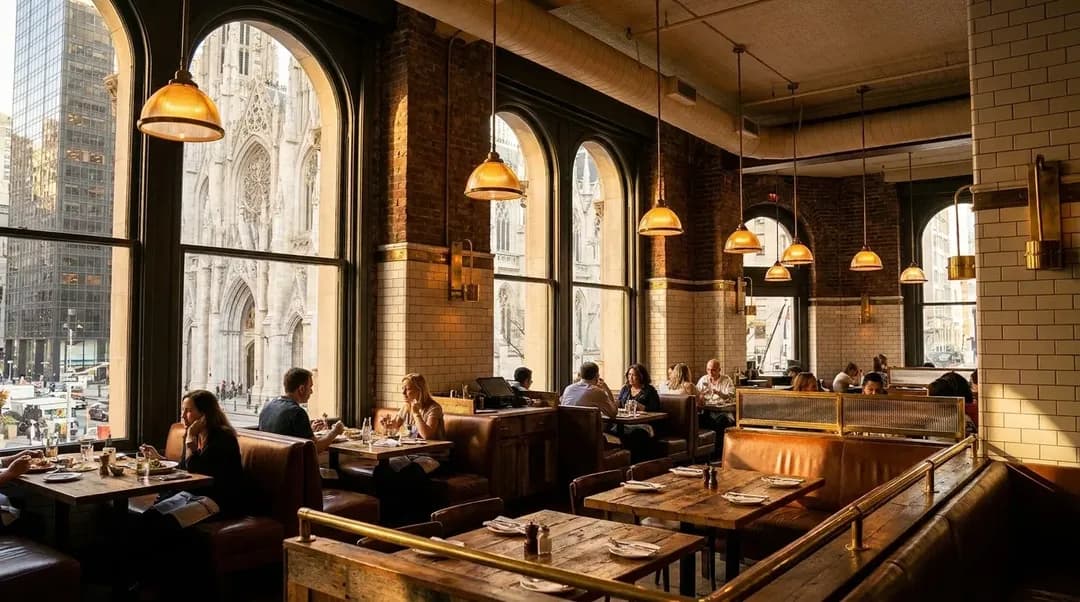
Why One Great Stop Is Beating Three Average Reservations in NYC Right Now
New Yorkers are skipping the reservation treadmill and choosing single, well-executed experiences over marathon dining nights as booking fatigue reshapes how locals eat out in 2026.
The reservation economy in New York has reached a breaking point. Tables at top restaurants sell out in seconds, with diners forced to battle bots, apps, and influencers just to secure a seat. Securing a table at a top NYC restaurant has become a full-on competitive sport, according to recent reporting. But beneath the hype cycle, a quieter pattern is emerging among locals: instead of chasing three or four reservations across a weekend, more New Yorkers are consolidating their energy into one carefully chosen experience. This isn't about giving up on dining out—it's about recalibrating effort against reward. When booking a single table requires the same planning as a small military operation, the logic of spreading yourself thin across multiple mediocre spots starts to collapse. The shift reflects a practical response to an exhausting system, not a trend piece fantasy.
Text Karpo at (332) KARPO-NY to get weekend dining ideas that skip the reservation circus and focus on places where showing up still works.
The Reservation Arms Race Has Changed the Math
NYC restaurants sell out in seconds, driven by a perfect storm of limited seating, social media hype, and bot-driven competition. The hardest reservations to get in NYC are more competitive than ever, with demand fueled by factors that go far beyond food quality. Venues like The Polo Bar—Ralph Lauren's midtown clubhouse—accept reservations up to one month ahead and still require strategic timing to land a table. When every booking window feels like a lottery, the cost-benefit analysis shifts. Spending thirty minutes refreshing Resy at 9:00 AM for a chance at a decent-but-not-exceptional spot starts to feel like poor resource allocation. Multiply that effort by three reservations in one weekend, and you've spent more time booking than eating.
This isn't about elitism or snobbery. It's about decision fatigue. When the barrier to entry is uniformly high across the board, the incremental value of adding more reservations drops fast. A single well-chosen restaurant—one where the food, service, and atmosphere align—delivers more satisfaction than three places that merely checked a box on your list. The shift also reflects a broader exhaustion with performative dining culture. A coveted reservation at the right restaurant can carry as much social currency as an invitation to an exclusive event, but that currency feels increasingly hollow when the experience itself is rushed, crowded, or underwhelming. Locals are starting to ask whether the trophy is worth the hunt.
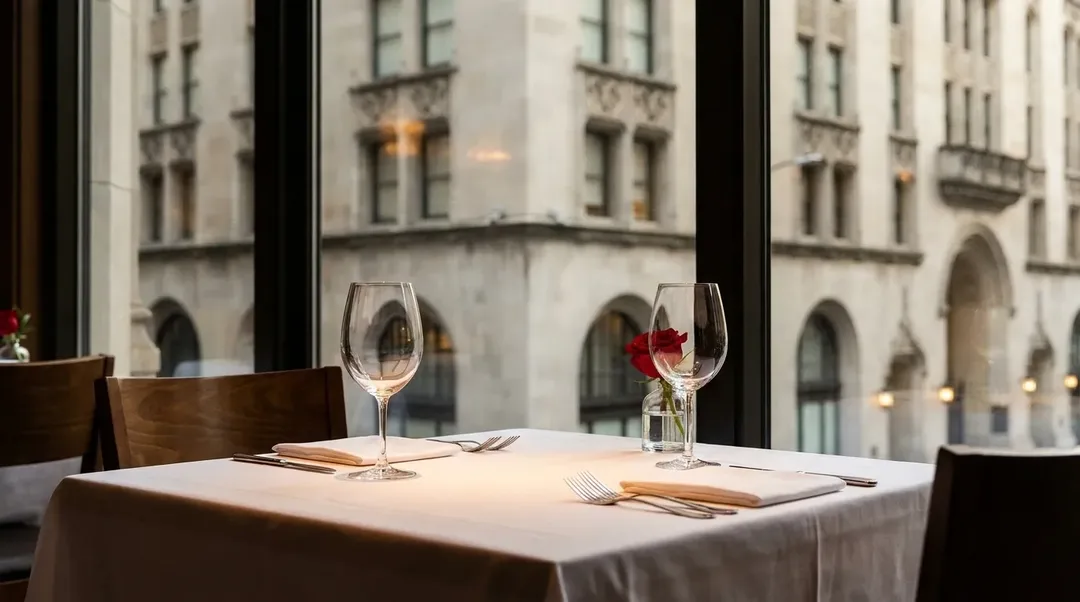
What One Great Stop Actually Looks Like
A great single stop isn't defined by Michelin stars or Instagram angles. It's a place where the kitchen executes consistently, the service reads the room, and the pacing allows you to stay as long as you want. It might be a neighborhood Italian spot in Cobble Hill where the pasta is made in-house and the wine list runs deep without pretension. It could be a corner bistro in the West Village that doesn't take reservations but seats you within twenty minutes because they've mastered turnover without making you feel rushed. The common thread is reliability paired with substance—places that deliver on their promise without requiring you to game a booking algorithm or arrive with a backup plan.
These stops also tend to have staying power. They're not chasing viral moments or riding a wave of opening-month hype. Previously impossible reservations that are easier now often reveal which spots had genuine appeal versus which were propped up by scarcity theater. The restaurants that remain difficult to book after the initial frenzy fades are usually the ones worth the effort. But even among those, the question becomes: do you want to spend your limited weekend hours chasing multiple hard-to-get tables, or do you want to invest that time in one place where you can actually relax? For a growing number of locals, the answer is tilting toward the latter.
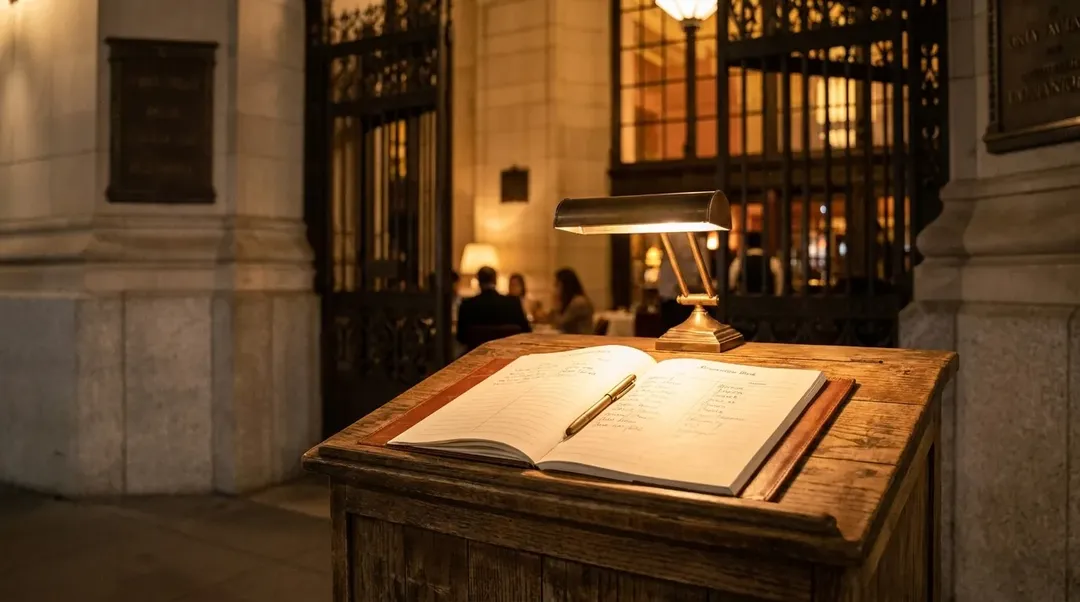
How to Choose Your One Stop Without Second-Guessing
Start by auditing your recent dining experiences. Which meals left you genuinely satisfied versus which ones felt like you were ticking off a checklist? If you can't remember what you ate at two out of three places last weekend, that's a signal. The goal isn't to become a hermit or stop exploring—it's to raise the floor. One useful filter: ask whether you'd return to a restaurant without the social proof. If the answer hinges on whether it's still hard to book or whether your friends have been, that's a red flag. The best single stops are places you'd defend in conversation, not just post about.
Timing also matters. If you're planning a Friday or Saturday night, consider whether the restaurant's peak service aligns with your energy level. A great stop at 5:30 PM on a weeknight might outperform a chaotic 9:00 PM Saturday slot at a trendier spot. Check MTA service advisories before committing to a location—weekend subway changes can turn a straightforward trip into a forty-minute ordeal, and that friction erodes the entire experience. Weather is another variable: a place with outdoor seating in August is a different proposition than the same spot in February. These aren't glamorous considerations, but they're the ones that determine whether your one stop feels like a win or a compromise.
When the One-Stop Strategy Doesn't Work
This approach has clear limits. If you're hosting out-of-town guests who want to sample multiple neighborhoods, consolidating into one meal doesn't serve the goal. Group dynamics also complicate the math—coordinating dietary restrictions, budget expectations, and scheduling across four people often requires fallback options. In those cases, having two or three reservations in your pocket isn't overkill; it's insurance. The one-stop strategy works best when you're dining solo, with a partner, or with a small group that shares similar priorities and can make decisions quickly.
It also assumes you have the flexibility to walk away from a reservation if something better opens up. Some of the toughest new restaurant reservations in NYC right now, including spots like Ambassadors Clubhouse and Border Town, require advance planning that doesn't leave room for spontaneity. If you've locked in a table weeks ahead, canceling to pursue a single different option carries real opportunity cost. The strategy isn't about rigidity—it's about intentionality. The goal is to reduce the number of mediocre experiences, not to eliminate optionality entirely. If you find yourself defending a reservation purely because you worked hard to get it, that's worth examining.
Practical Notes
- Audit your last month of dining: which meals would you repeat without hesitation?
- Check MTA weekend service changes before booking—subway delays kill momentum.
- Consider 5:30 or 6:00 PM slots on weeknights for better pacing and easier booking.
- Walk-in-friendly spots with short waits often outperform overhyped reservation traps.
- If a restaurant requires a month of planning, ask whether the effort matches your actual excitement.
- Weather matters: outdoor seating in August is a different experience than indoor winter dining.
- One great meal with full attention beats three distracted check-ins across a weekend.
The reservation arms race isn't ending anytime soon, but your participation in it is optional. Choosing one well-executed stop over three average ones isn't about lowering your standards—it's about raising them in a way that respects your time and energy. The best meals in New York aren't always the hardest to book; they're the ones where the food, service, and atmosphere align without requiring you to perform. As the booking circus continues to escalate, the locals who step off the treadmill aren't missing out—they're eating better.
Tags: #nycrestaurants #diningnyc #weekendplans #nycfoodie #restaurantreservations #nyclocals #diningout #newyorkeats #restaurantculture #nyclife #foodnyc #weekenddining
Sources consulted: Why Are NYC Reservations So Hard to Get? (And How to Actually Book One ... · Exclusive | Diners forced to battle bots, apps and influencers at NYC ... · These are the most impossible restaurant reservations in NYC right now ... · The 12 Hardest Restaurant Reservations to Get in NYC Right Now · NYC's Toughest New Reservations Right Now, April 2026 · 16 Previously Impossible Reservations That Are Easier Now
All trademarks are the property of their respective owners.
Ask Karpo for more information.
Keep reading
- Places To Eat Near Me in Williamsburg: Smorgasburg's Open-Air Vendors
 Dinner Near Me in the West Village: Buvette's Tiny French Plates
 Best Restaurants Near Me in Midtown: Le Bernardin Holds Three Stars