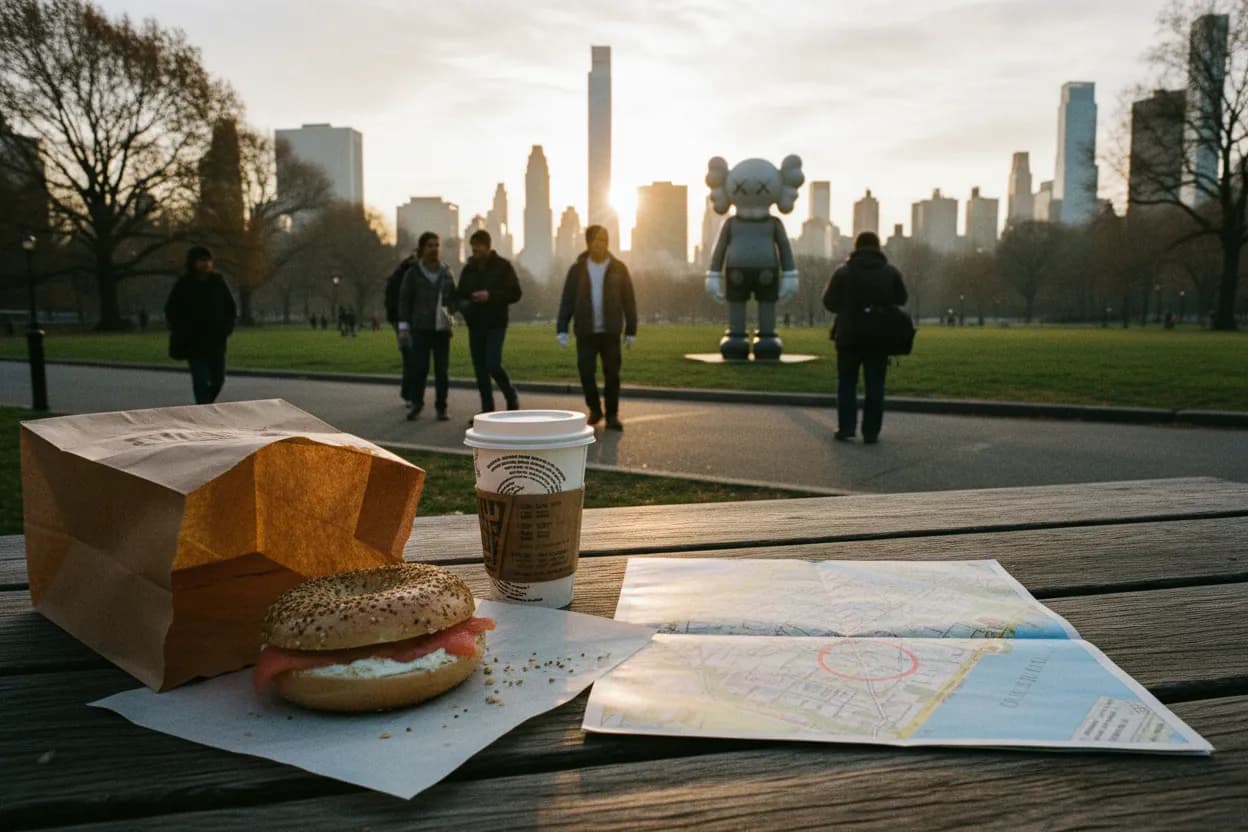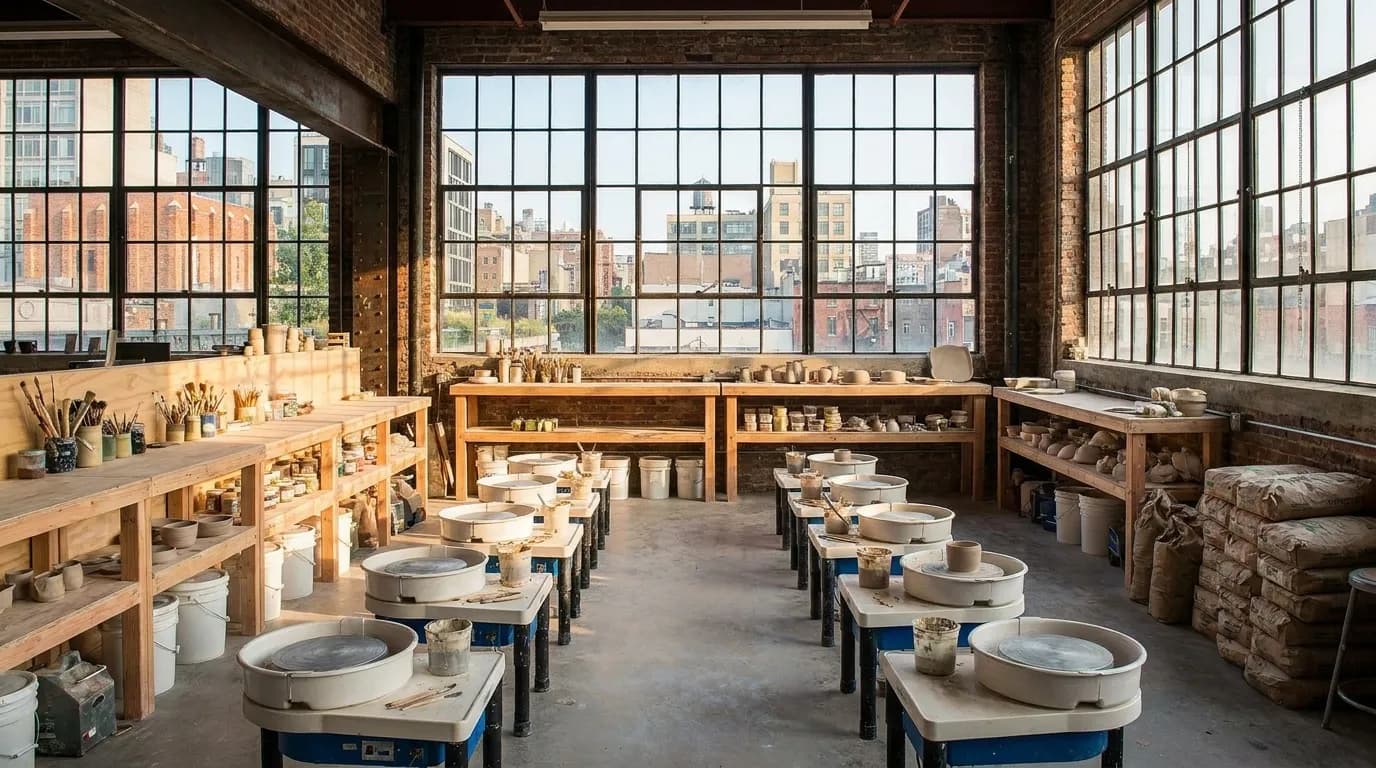
The default Friday-night text thread used to end the same way: which bar, what time, who's buying the first round. But walk through Brooklyn or Manhattan on any given weekend in 2026 and you'll notice a shift. Groups of friends cluster around pottery wheels in Bushwick studios, laugh through improv exercises in Midtown theaters, and gather for craft parties where the main event isn't the cocktail menu. Adult craft parties have become one of the city's fastest-growing social formats, according to event organizers tracking the trend. The change reflects something larger than a passing fad—New Yorkers are rethinking what it means to spend time together, choosing meaningful experiences over the passive ritual of another drink.
Text Karpo to discover workshops, classes, and activity-based hangouts that match your group's interests and schedule.

The Practical Appeal of Doing Something With Your Hands
The rise of hands-on workshops solves a specific social problem: what to do when conversation alone isn't enough to carry an evening. Traditional bar nights work well for close friends with endless topics, but they can feel awkward for newer friendships, mixed groups, or anyone who's simply tired of the same routine. Activity-based gatherings change the dynamic entirely. When your hands are busy shaping clay, mixing paint, or carving a pumpkin, the pressure to perform conversationally disappears. Silence becomes comfortable. Laughter comes from shared mistakes rather than forced jokes. The activity itself creates natural conversation starters—comparing techniques, asking for help, admiring each other's work—without anyone needing to be "on."
Event organizers have noticed this shift in how people book celebrations. Where birthday parties once defaulted to restaurant reservations followed by bar hopping, hosts now seek experiences that give guests something to do together. The format works especially well for groups that span different social circles—coworkers meeting college friends, partners' friend groups mixing for the first time—because the shared activity provides common ground that small talk often can't. The trend extends beyond purely social gatherings into corporate team building, where NYC HR managers are moving away from happy hours toward hands-on craft workshops that actually require collaboration rather than just proximity at a bar rail.
How the Sober-Curious Movement Changed Social Expectations
The shift toward activity-based hangouts runs parallel to New York's evolving relationship with alcohol. The sober-curious movement—people who aren't necessarily in recovery but are choosing to drink less or not at all—has gained significant ground in the city's social landscape. Sober bars and mocktail-focused venues have moved from novelty to neighborhood staple, and the broader cultural message is clear: you can still gather for music, dancing, and conversation with different drinks in hand. This isn't about judgment or restriction; it's about expanding options beyond the decades-old default where nightlife meant drinks first and everything else second.
Activity-based parties fit naturally into this cultural moment because they don't require alcohol to work. A pottery class or improv workshop succeeds on its own merits—the experience is the point, not the social lubricant that makes an otherwise boring evening tolerable. This matters for mixed groups where some people drink and others don't, eliminating the awkward dynamic where non-drinkers feel like they're missing the "real" party. Millennials and Gen Z consumers are particularly driving this shift, rewriting the rules of socializing to prioritize experiences that feel meaningful regardless of what's in your glass. The city's café culture has similarly expanded to fill social hours once reserved for bars, offering community and connection without the hangover.
What Actually Works for Friend Groups Right Now
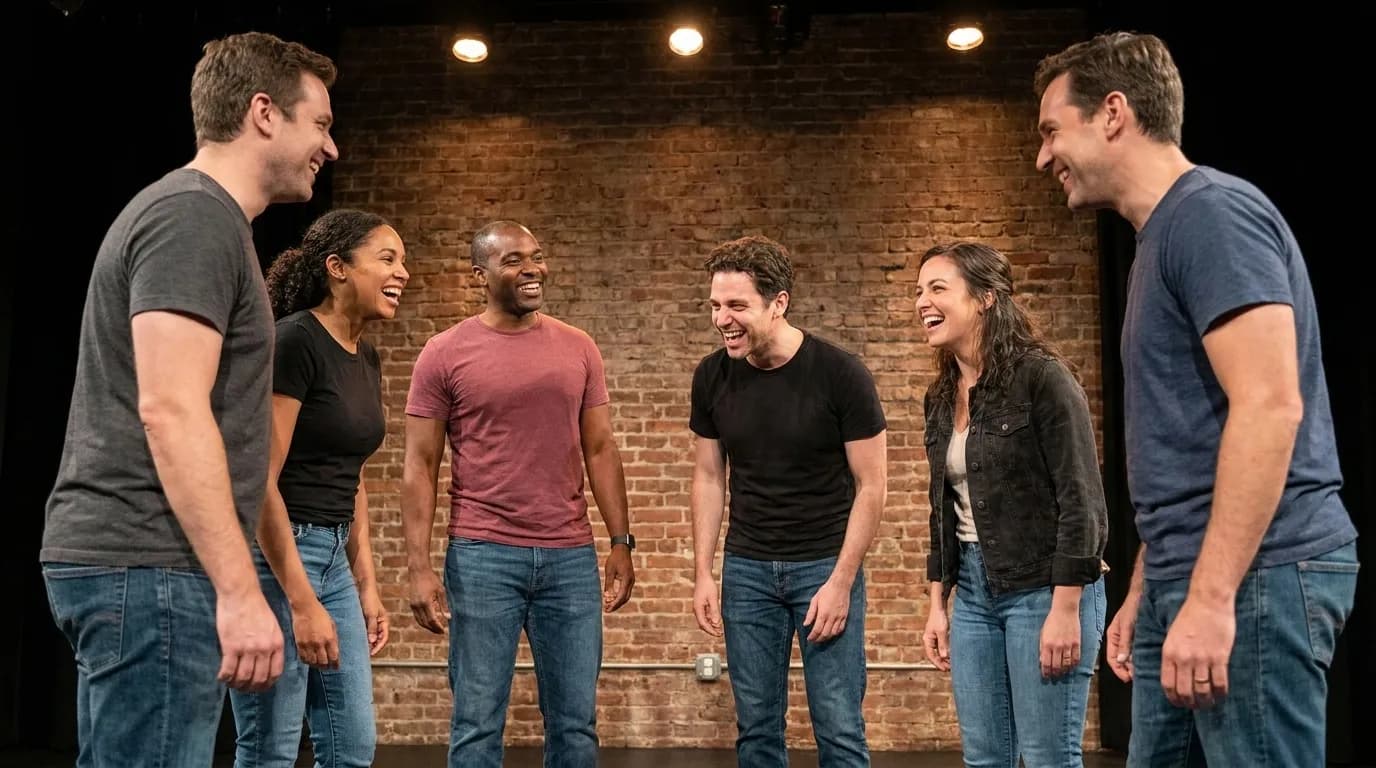
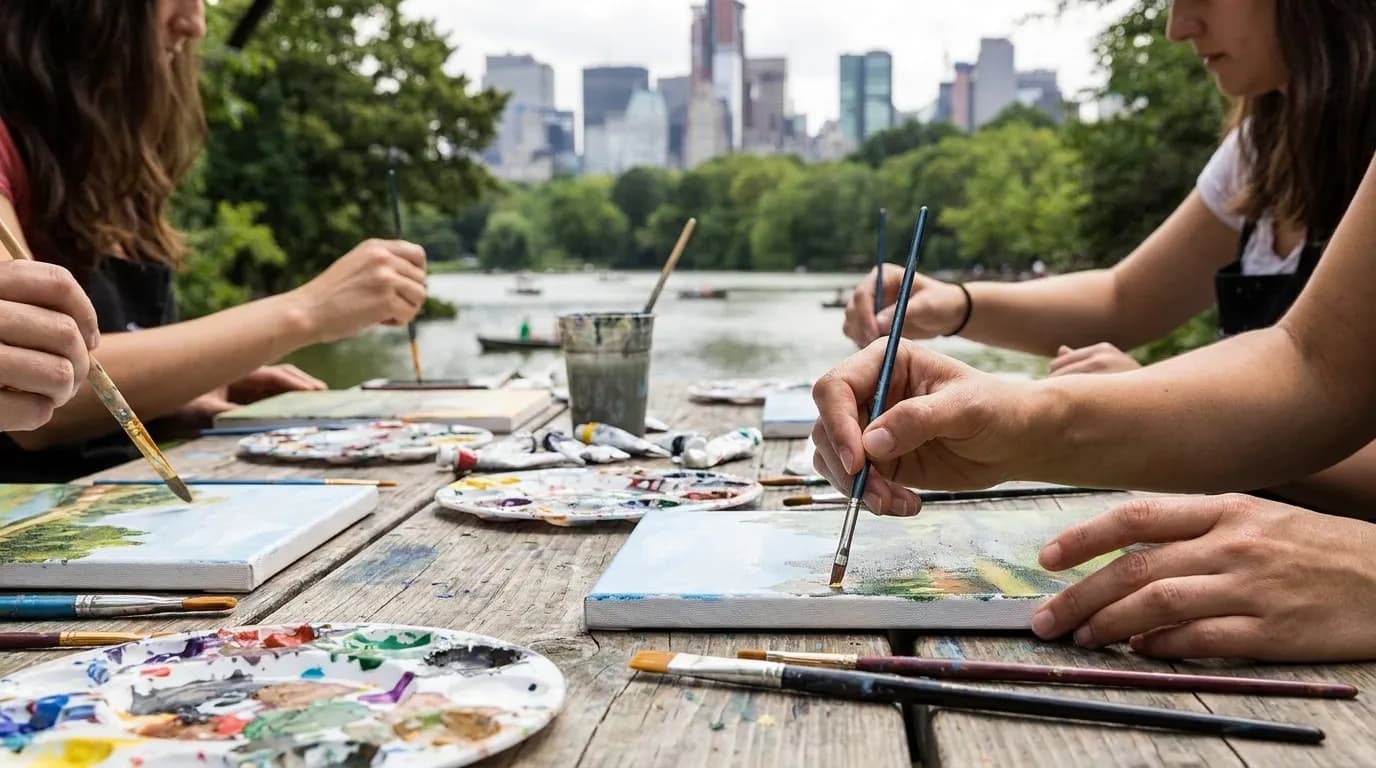
Not all hands-on activities translate equally well to group hangouts. The most successful formats share a few characteristics: they're beginner-friendly, produce a tangible result, and allow for conversation while working. Craft workshops—pottery, painting, candle-making, terrarium-building—consistently draw groups because they require no prior skill and everyone leaves with something they made. Improv workshops have become particularly popular for corporate groups and friend circles looking to break down communication barriers; New York's deep improv theater tradition means the city offers professional facilitators who understand how to make the experience accessible rather than intimidating for first-timers.
The logistics matter as much as the activity itself. Mobile craft workshop companies now bring supplies directly to apartments, offices, or rented event spaces, solving the coordination problem that once made activity-based gatherings feel too complicated to organize. This convenience factor has accelerated adoption—hosting a craft party now requires roughly the same effort as organizing a dinner party, but with less pressure on the host to entertain. Timing also plays a role in the trend's growth. After-work hours that once defaulted to happy hour now accommodate two-hour workshop sessions that end early enough for people to get home at a reasonable hour, appealing to friends with early mornings, long commutes, or simply less tolerance for late nights than they had in their twenties.
Planning Your Next Activity-Based Hangout
If you're considering switching from bar plans to a hands-on workshop, start by polling your group about interests and constraints. Some people love the idea of getting messy with paint or clay; others prefer cleaner activities like flower arranging or cocktail-making classes (which work for both drinkers and non-drinkers when mocktail options are included). Budget matters—craft workshops typically run higher per person than a few drinks would, though the experience usually lasts longer and includes materials. Many mobile workshop companies offer group rates that make the math more favorable for parties of six or more.
Consider the space where you'll gather. Apartments work well for smaller groups and certain crafts, but check whether the activity requires special setup like protective table coverings or good ventilation. Some neighborhoods have studios that rent space by the hour for private groups, providing equipment and cleanup without requiring a full class enrollment. For first-time organizers nervous about committing to something unfamiliar, hybrid formats exist—venues that offer both traditional bar service and hands-on activities like painting or trivia, letting your group test the waters without fully abandoning familiar territory. The key is matching the activity to your specific group's energy level and social comfort zone, not forcing a format that feels like homework when everyone actually wants to relax.
Practical Notes
- Mobile craft workshop companies typically require 5–10 business days' notice for private bookings; check availability before setting your date.
- Budget $40–$80 per person for most hands-on workshop experiences including materials; pottery and glassblowing run higher.
- Improv workshops work best for groups of 8–15 people; smaller groups may feel too exposed, larger groups don't get enough participation time.
- If hosting at home, confirm the activity's mess level and required setup—some crafts need ventilated spaces or protective coverings.
- Book earlier time slots (6–8 PM) for weeknight workshops; most run two hours, allowing people to head home at reasonable hours.
- Mixed groups with drinkers and non-drinkers often appreciate activities where alcohol is optional but not central to the experience.
- Consider transit access when choosing workshop locations—venues near multiple subway lines make it easier for friends coming from different boroughs.
The shift from bar nights to hands-on workshops isn't about rejecting traditional socializing—it's about expanding the menu of options for how New Yorkers spend time together. Some evenings still call for a quiet drink and conversation. But when your group wants something more engaging, or when the usual bar routine feels stale, activity-based hangouts offer a different kind of connection. You'll remember the pottery bowl you made together longer than you'll remember another round of drinks. The city's social landscape is simply catching up to what many friend groups already knew: the best hangouts give you something to do with your hands and something to talk about long after the evening ends.
Tags: #nycworkshops #activitybasedparties #craftpartiesnyc #nycfriendgroups #handsonsocial #sobercuriousnyc #nycnightlife2026 #improvworkshops #creativehangouts #newyorksocialtrends #workshopculture #experientialnyc
Sources consulted: Adult Craft Parties NYC | Why They're Having a Moment · NYC Celebration Trends 2026 | Activity-Based Parties — Bat Haus ... · NYC Sober Nightlife Is Changing the Party Scene - EAT and Drink NYC · Activity-Based Party Ideas NYC | Workshops & Experiences — Bat Haus ... · Gen Z's new go-to NYC date night mixes booze with ... - New York Post · Making New Friends Is Hard. These Social Clubs Want to Make It Easier.
All trademarks are the property of their respective owners.