 Where to Eat Near Penn Station That Isn't a Chain
US Open 2026
Why Five-Set Fitness Changes Men’s US Open Matches
Best-of-five tennis turns men’s US Open matches into pacing contests, where endurance, recovery routines, and tactical patience can reshape late-set pressure.
When a men’s US Open match reaches a fourth set, the smartest question is not simply who is hitting bigger. It is who has spent less to get there, who has learned more, and who can still choose clearly under pressure. Best-of-five tennis changes the value of almost every decision: a risky return position, a long rally on a neutral point, a second-serve target, even the pace of walking back to the baseline. The match becomes a moving budget. Each player is managing energy, scoreboard stress, and tactical information over a longer runway than a best-of-three contest allows. A player can look in command for 90 minutes and still be pulled into a different match if rallies stretch, first-serve percentage drops, or an opponent keeps making him play one more ball.
Text Karpo for a current, low-friction plan for why five-set fitness changes men’s us open matches—including timing, route checks, and practical options that fit your day.
The Longer Match Budget
Best-of-five does not merely add possible sets; it changes the math of risk. In best-of-three, a short lapse can become decisive quickly. In best-of-five, there is more room to recover on the scoreboard, but also more time for small inefficiencies to accumulate. A player who attacks every second serve with maximum force may win early highlight points, yet that same style can become expensive if the match stretches. Another player may accept fewer spectacular winners, keep a higher percentage of returns in play, and ask repeated questions from neutral positions.
That is why early sets can be deceptive. A 6-3 set may contain a hidden warning if the winner needed several long service games, saved break points, or relied on low-margin shots to escape routine trouble. Conversely, a player who loses a set while holding serve comfortably and creating return chances may still be gathering useful patterns. Five-set fitness is partly endurance, but from a fan’s seat it often appears as decision quality under repetition: choosing the right ball, avoiding the unnecessary sprint, and resisting the urge to solve every point with one swing.
Pacing Between Points
Pacing is visible if you know where to look. Watch how a server resets after a long rally, how quickly the returner returns to position, and whether either player starts shortening points before the score demands it. Some shortening is tactical, not a sign of trouble. A player may serve wider, chip returns, use a higher rally ball, or come forward more often to reduce repeated baseline exchanges. The key is whether the choices look organized or rushed.
The serve is the clearest pacing tool. Free points matter more when a match could last several hours, but variety can matter as much as speed. Body serves can jam a clean returner. Wide serves can open space without requiring a huge first strike. A heavier second serve can buy time and reset court position. On return, blocking the ball deep may be smarter than swinging for a winner, because it forces the server to play one more ball and may show whether timing still holds late in the match.
- Short points after long rallies can be deliberate pacing, especially when the player still chooses sensible targets.
- A sudden rush between points may reflect scoreboard pressure, but fans should not treat it as a medical conclusion.
- Repeated safe margins, especially crosscourt, often show a player making the opponent work before attacking.
Recovery as Match Craft
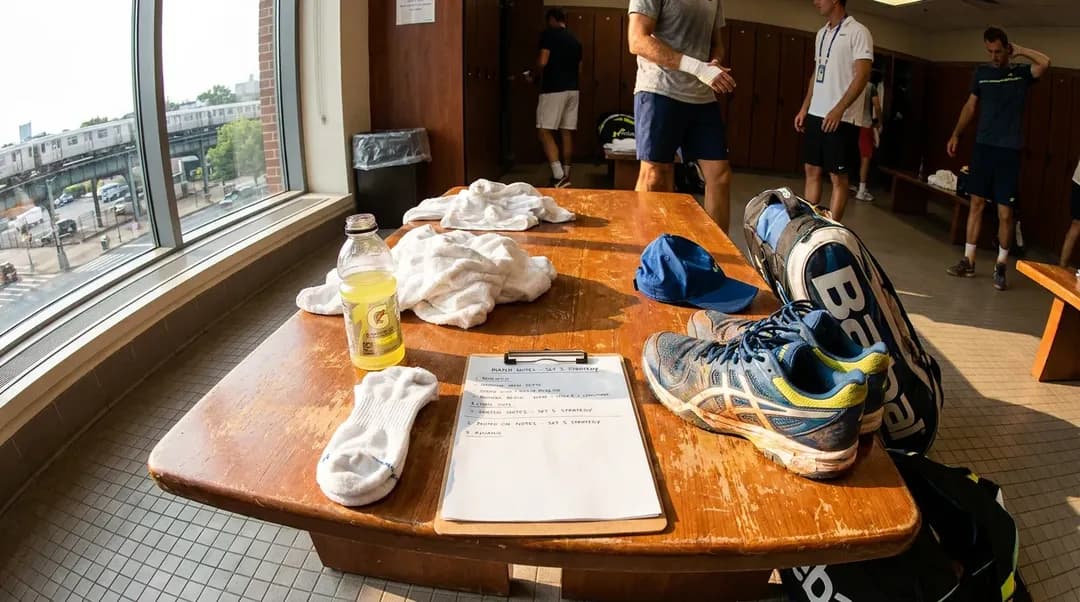
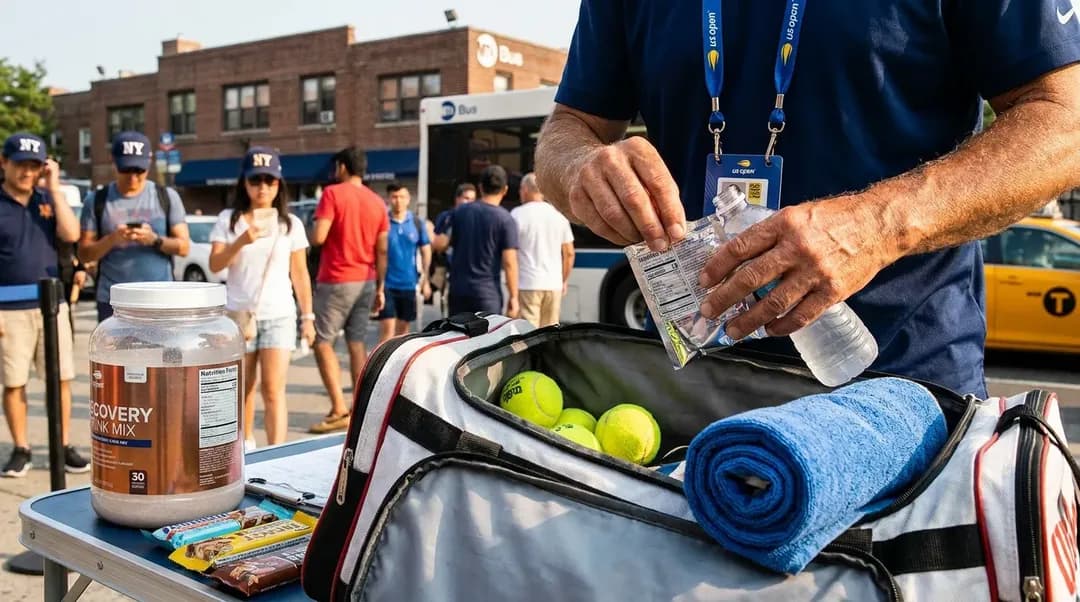
Recovery here means routine and match management, not diagnosis. Between points, games, and sets, players use time to reset attention, organize equipment, control tempo, and prepare for the next pattern. Fans notice the obvious pauses: a towel break, a racquet change, a longer wait before serving at deuce. The subtler part is emotional recovery. In a five-set match, losing a 20-shot rally cannot be allowed to infect the next service motion. Missing a break chance cannot become a careless return game.
Changeovers can reveal which player is controlling the narrative. One may sit down, breathe, and return with a clear first-point plan. Another may spend the same window replaying a missed forehand. Because the match is longer, momentum can feel louder than it really is. A player who loses three games in a row may still be one strong hold from stabilizing. A player who wins a set in 30 minutes may not have solved the match if the opponent has protected energy and identified a weakness to test later.
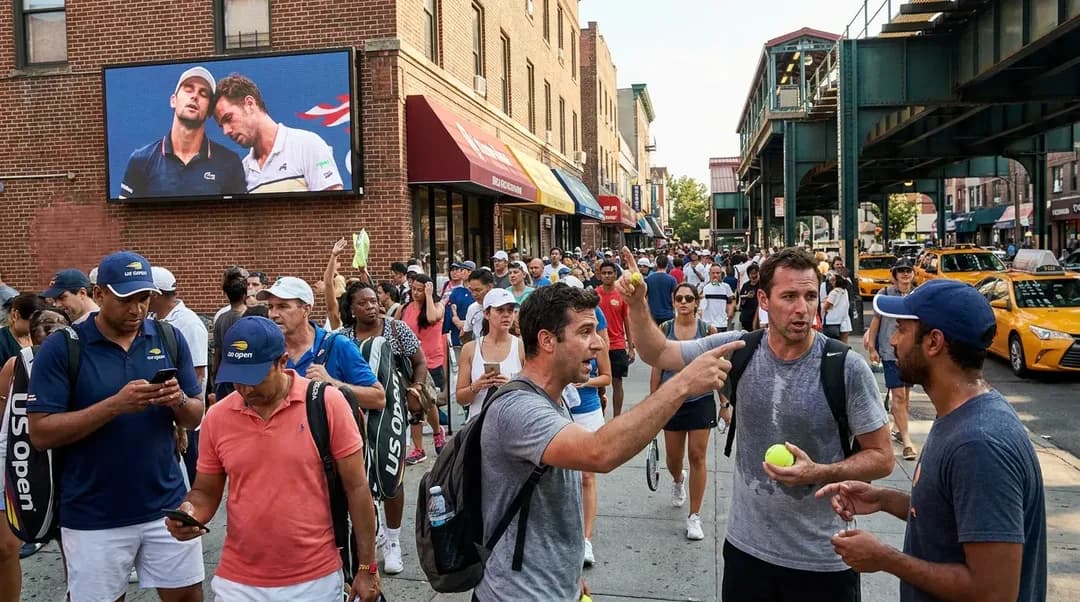
Crowd energy also becomes part of the contest. New York spectators can amplify a comeback, but five-set patience means separating noise from structure. If the crowd rises after a lunging pass, look at the next two points. Does the player repeat the pattern that created the chance, or chase applause with a lower-percentage shot? The disciplined player uses emotion as fuel without letting it rewrite the plan.
Tactical Patience Under Pressure
Tactical patience is not passive tennis. It is the ability to wait for the right ball and the right score before taking the bigger cut. In best-of-five matches, the patient player may spend a full set testing one corner, serving to one body position, or drawing the opponent forward just often enough to plant doubt. These probes are not always designed to win immediately. They can make a later tiebreak feel different because the opponent has already seen the same question many times.
Patterns become more important as the match expands. If a backhand down the line looks shaky in the first set, an opponent may return to it on break points in the third. If a player struggles to finish at net, passing shots may become more direct. If a server protects the backhand return too predictably, the returner may step around at a critical moment. The edge belongs to the player who keeps learning without overreacting.
- On break points, note whether the server changes location or trusts the earlier pattern.
- In tiebreaks, watch for first serves that prioritize starting the point over pure power.
- Late in sets, patient returners often aim deep through the middle before choosing a corner.
- After a lost set, the strongest adjustment may be a small target change rather than a dramatic style shift.
For fans, this makes a five-set match easier to read. Instead of asking only who looks tired, ask who is making the opponent hit from uncomfortable places while preserving enough clarity for the next service game. The winning tennis may look calmer than the loudest tennis.
Practical Notes
For “Why Five-Set Fitness Changes Men’s US Open Matches,” the useful 2026 calendar anchor is August 23 through September 13, with singles main-draw play beginning August 30. Advice: if you are choosing a session, build flexibility around meals, transit, and post-match plans because men’s best-of-five matches can run long. Check the official schedule close to your visit, since match order and timing can change. Before packing, recheck the official security page; it currently states one bag per guest, subject to search, with maximum dimensions of 12 by 12 by 16 inches. The best viewing approach is the same one the format rewards on court: stay patient, keep watching the patterns, and remember that the most important set may begin after the match already feels decided.
Tags: #USOpen2026 #Tennis #NewYork #Queens #FlushingMeadows #USOpenGuide #TennisFans #SportsTravel #NYCEvents #HardCourt #KarpoFinds #Karpo
Sources consulted: usopen.org — Official reference · wtatennis.com — Official reference · atptour.com — Official reference
All trademarks are the property of their respective owners.
Ask Karpo first
Want to know what is confirmed, when to show up, and what is actually open to the public? Ask Karpo for the latest US Open updates and a practical New York plan for why five-set fitness changes men’s us open matches.
Ask Karpo for more information.
Keep reading
- Where to Eat Near Penn Station That Isn't a Chain
 Andytown Coffee in the Outer Sunset: The Snowy Plover Explained
- Best Things to Do in Chicago: What the City Gives Away