 Places To Eat Near Me in Williamsburg: Smorgasburg's Open-Air Vendors
Weekend Plans
Why Brooklyn-to-Queens Nights Work Better Than Manhattan-Centered Group Plans Right Now
The Interborough Express design approval and existing cross-borough transit options are quietly reshaping how young New Yorkers plan group outings, making outer-borough loops faster and cheaper than Midtown meet-ups.
Manhattan has always been the default meeting point for group plans spanning multiple boroughs, but that calculus is changing. The MTA's design approval for the Interborough Express—a 14-mile light rail connecting Jackson Heights, Queens to Bay Ridge, Brooklyn—signals institutional recognition of what locals already know: cross-borough travel without a Manhattan detour is becoming the smarter play. Nearly one million people live within walking distance of the proposed IBX route, and current options like the G train, Select Bus Service lines, and cycling routes already make Brooklyn-to-Queens loops competitive with the old Manhattan-first model. For groups splitting between Bushwick, Ridgewood, Astoria, and Greenpoint, the time savings, lower costs, and denser venue clusters now favor outer-borough arcs over forcing everyone through Times Square or Union Square transfer hubs.
Text Karpo at (332) KARPO-NY to get Brooklyn-Queens routing help tailored to your group's starting points and the night's vibe.
The Transit Math That Changed
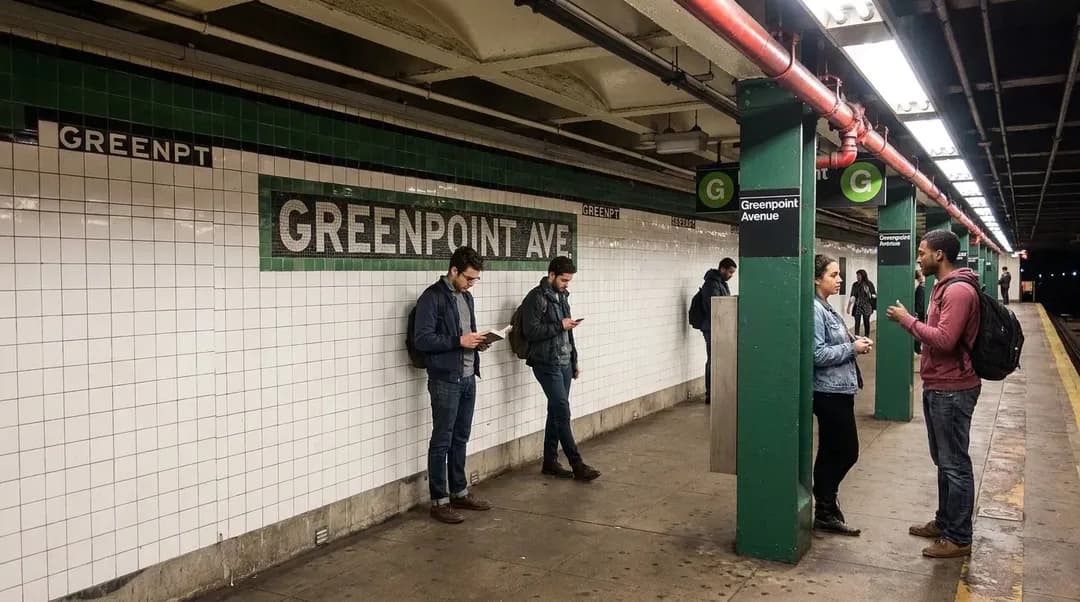
The IBX project—still years from completion but now in active design—would connect up to 17 existing subway lines along an underused freight corridor, slicing travel times between Brooklyn and Queens in half for many trips. The MTA has moved the project into stakeholder feedback workshops across both boroughs, with design meetings focusing on station layouts, rolling stock, and urban planning around the proposed stops. While passenger service won't launch until the late 2020s, the project's momentum reflects demand that existing routes already serve imperfectly but adequately. The G train, which runs from Court Square in Queens through Greenpoint, Williamsburg, Bedford-Stuyvesant, and down to Church Avenue in Brooklyn, remains the only subway line connecting the two boroughs without touching Manhattan. During evening hours, G train headways tighten, and the line serves neighborhoods with high concentrations of bars, music venues, and restaurants that cater to groups in their twenties and thirties.
Select Bus Service routes—particularly the B24 along Myrtle Avenue and the Q39 connecting Ridgewood to Middle Village—offer surface alternatives with dedicated bus lanes that maintain speed even during weekend nights. For cyclists, the Triboro route (a network of greenways and protected lanes) links the two boroughs via the Pulaski Bridge and connects to the broader bike infrastructure in western Queens and northern Brooklyn. These options mean that a group starting in Bushwick can reach Astoria in 35 to 45 minutes without transferring through Manhattan, compared to 50 to 70 minutes via the L to the N/W at Union Square. The time difference compounds when you factor in weekend service changes, which frequently reroute Manhattan trunk lines but leave cross-borough routes running closer to schedule.
Venue Density and the Two-Borough Loop
Brooklyn and Queens now hold more independently owned bars, music venues, and late-night food spots per square mile in their overlapping border zones than comparable stretches of Manhattan below 59th Street. Bushwick's Knickerbocker Avenue, Ridgewood's Fresh Pond Road, Greenpoint's Franklin Street, and Astoria's Steinway Street all sit within a 20-minute transit radius of one another using the G train and Select Bus lines. This density allows groups to plan two- or three-stop nights without backtracking or losing an hour to transfers. A typical loop might start with drinks in Greenpoint, move to a venue in Bushwick, and finish with late food in Ridgewood—all without crossing the East River. The cost advantage is straightforward: outer-borough bars charge less for drinks, cover fees are rare outside of marquee DJ nights, and food runs cheaper than equivalent options in Manhattan's nightlife corridors.
The IBX's proposed route would deepen this advantage by adding stations in neighborhoods currently underserved by rapid transit—Maspeth, Middle Village, Glendale, and Sunset Park among them. Even before the line opens, developers and venue operators are positioning for the connectivity boost, which means the next few years will likely see more openings along the corridor. For now, the existing G train stops at Nassau Avenue, Metropolitan Avenue, Broadway, and Flushing Avenue anchor the northern Brooklyn nightlife cluster, while Court Square and 21st Street serve as Queens entry points. Groups planning around these nodes can move fluidly between boroughs, adjusting plans in real time based on wait times, crowd levels, or weather without the rigid commitment that Manhattan-centered itineraries demand.
Weather, Timing, and Contingency Planning
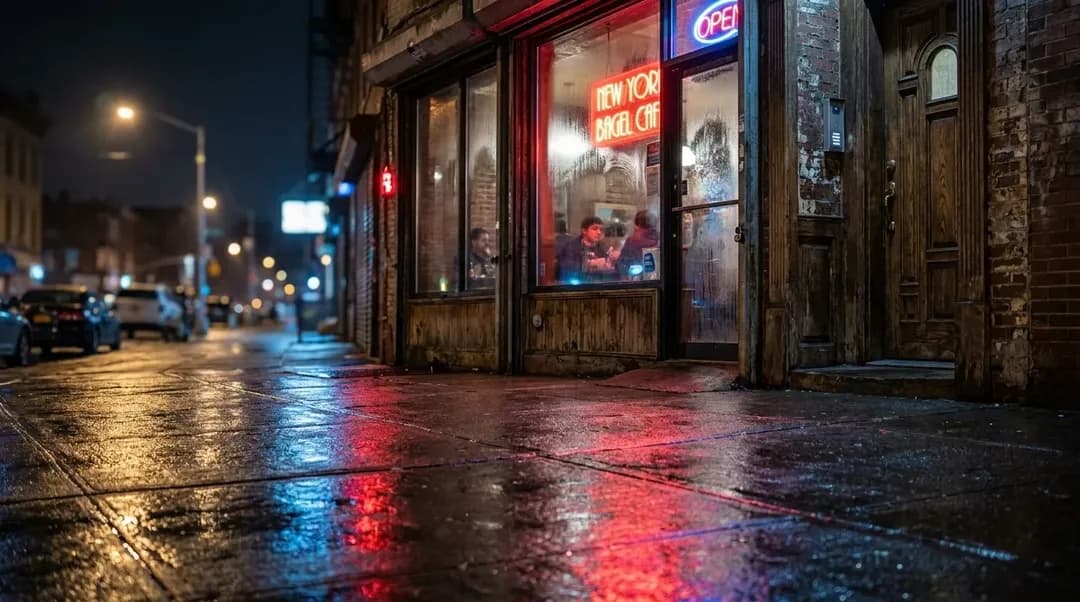
Brooklyn-to-Queens routes perform better in bad weather than Manhattan plans because the fallback options cluster more tightly. If rain kills an outdoor plan in Astoria, a group can pivot to an indoor venue in Greenpoint within 15 minutes on the G train. Manhattan contingencies often require longer subway rides or expensive car services because the borough's nightlife spreads vertically—Lower East Side to Midtown to Harlem—rather than laterally. The G train's above-ground segments in Greenpoint and parts of Queens also give riders visibility into weather conditions, making it easier to decide whether to continue or bail. During summer months, the Pulaski Bridge and Newtown Creek waterfront areas offer outdoor drinking and walking routes that don't exist along Manhattan's East River corridor, which remains dominated by residential high-rises and limited public access.
Timing flexibility matters more for group plans than solo outings, and Brooklyn-Queens loops accommodate late arrivals better than Manhattan meet-ups. If someone's running 30 minutes behind, the group can start at a bar near a G train stop and the latecomer can join without forcing everyone to wait at a central hub. Manhattan's size and subway complexity make mid-route joins harder—if the group has already moved from the East Village to the West Village, a latecomer starting in Brooklyn faces a longer, more complicated trip than if everyone had stayed in adjacent neighborhoods. Weekend G train service runs every 10 to 15 minutes during evening hours, frequent enough that groups don't need to time arrivals precisely. The MTA's real-time arrival data works reliably on the G, and the line's shorter length means fewer opportunities for systemwide delays to cascade into long waits.
The Social and Economic Logic
Group plans centered on Brooklyn and Queens also shift the economic balance within the group. When everyone meets in Manhattan, participants coming from the outer boroughs subsidize the convenience of those starting in Manhattan—they pay more in transit time and often in fare costs if they're coming from deeper into Brooklyn or Queens. A Brooklyn-Queens loop distributes that burden more evenly, and for groups where most members live in one of the two boroughs, it eliminates the Manhattan tax entirely. The cost difference becomes visible over repeated outings: a monthly habit of Manhattan nights versus Brooklyn-Queens nights can save $80 to $120 per person in transit, drinks, and food, money that often gets reallocated to better venues, more courses, or simply staying out longer without budget anxiety.
The social dynamics shift too. Manhattan nightlife, especially in its most accessible corridors, skews toward bridge-and-tunnel crowds and tourists, which changes the energy and makes it harder for local groups to claim space. Brooklyn and Queens venues, particularly those not on the L train or within walking distance of the 7 train's tourist stops, maintain a higher ratio of neighborhood regulars. This doesn't mean they're exclusive or unfriendly—most welcome newcomers—but the baseline expectation is that you're there because you know the spot, not because a listicle sent you. For groups that value that distinction, the outer-borough loop delivers it consistently, while Manhattan requires more curation to avoid the spots that have become TikTok sets. The IBX's future arrival will likely push some of this dynamic further east and south along the corridor, but the core advantage—proximity to where people actually live—will remain.
Practical Notes
- Check weekend G train service alerts before committing to a route; the line occasionally runs shuttle segments during overnight construction.
- The B24 Select Bus Service along Myrtle Avenue runs 24 hours and connects Bushwick to Ridgewood faster than the L-to-M transfer during late nights.
- Court Square in Queens offers transfers to the E, M, and 7 trains, making it a strong pivot point if plans shift toward Astoria or Long Island City.
- Greenpoint's Nassau Avenue G stop sits within a five-minute walk of a dozen bars and restaurants, making it a reliable fallback anchor for group plans.
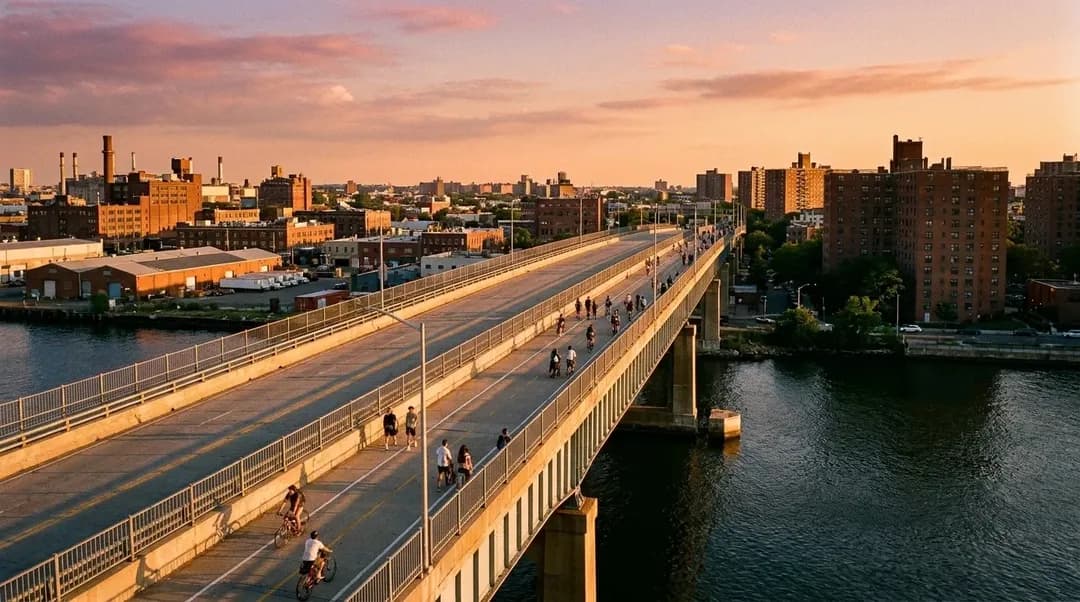
- The Pulaski Bridge bike and pedestrian path connects Greenpoint to Long Island City and stays lit and active until midnight most nights.
- Late-night food options concentrate around the Halsey Street and Myrtle-Willoughby G stops in Brooklyn and the 21st Street stop in Queens.
- The IBX public feedback workshops continue through late 2026; check the MTA's project page for dates if you want to influence station design or routing.
The shift toward Brooklyn-Queens night plans isn't about rejecting Manhattan—it's about recognizing that the city's center of gravity has moved. The outer boroughs now hold the venue density, transit connectivity, and cost structure that make them the default choice for groups planning flexible, multi-stop nights. The IBX's design approval confirms what locals have already figured out through trial and error: the future of New York nightlife runs along the borough borders, not through the middle. Until the light rail opens, the G train, Select Bus lines, and bike routes handle the load, and they handle it well enough that most groups won't notice the wait.
Tags: #brooklynqueens #nycnightlife #gtrain #interboroughexpress #bushwicknights #astoriabars #greenpointscene #ridgewoodnyc #outerboroughs #nyctransit #weekendplans #nyclocals #brooklynbars #queensnightlife
Sources consulted: The Brooklyn-to-Queens train that skips Manhattan is finally moving ... · Interborough Express - MTA · Brooklyn-Queens Rail Link Advances With MTA Design Approval · Plans for new 'Interborough Express' Brooklyn-to-Queens train back on ... · 2026 Brooklyn to Queens Transit Guide: Faster G Train Hacks
All trademarks are the property of their respective owners.
Ask Karpo for more information.
Keep reading
- Places To Eat Near Me in Williamsburg: Smorgasburg's Open-Air Vendors
 Dinner Near Me in the West Village: Buvette's Tiny French Plates
 Best Restaurants Near Me in Midtown: Le Bernardin Holds Three Stars