The Semifinal Stage: Where Form Meets Pressure
By the time the final four assemble—two matches, two cities, forty-eight hours that will decide the finalists—the tournament has already separated pretenders from contenders. The semifinals reward not just talent but resilience, tactical flexibility, and the ability to execute under scrutiny. This year's data paints a picture of teams that have controlled possession, created high-quality chances, and defended transitions with discipline. Expected-goals models, pressing intensity, and set-piece efficiency have all played starring roles in shaping the bracket.
Text Karpo Now: Get real-time match insights, stadium logistics for Arlington or Atlanta, and the smartest routes to MetLife for the final.
AT&T Stadium in Arlington and Mercedes-Benz Stadium in Atlanta will host these decisive matches, each venue a cathedral of modern sport. Arlington's retractable roof and Atlanta's signature halo board create atmospheres that amplify every moment. The teams arriving here have navigated knockout rounds that punished hesitation and rewarded courage. France, having advanced from a tightly contested quarterfinal in the Boston area, exemplifies the blend of experience and tactical nous required at this stage.
What the numbers reveal is a tournament defined by fine margins. Teams that have progressed have averaged higher shot quality, won more duels in the final third, and converted set pieces at rates well above historical norms. The semifinals will test whether those trends hold—or whether a single moment of brilliance rewrites the script.
Reading the Data: Possession, Chances, and Defensive Solidity
Modern tournament football is a battle of systems as much as individuals. The remaining teams have demonstrated an ability to dominate possession when needed and absorb pressure when required. Expected-goals metrics suggest that the most successful sides have created chances from open play at a rate nearly twenty percent higher than the tournament average, while limiting opponents to low-probability attempts from distance. This balance—offensive creativity paired with defensive organization—has been the hallmark of the final four.
Set pieces have emerged as a decisive factor. Teams that have advanced have scored from corners, free kicks, and second-phase situations at a frequency that underscores the importance of rehearsed routines and aerial dominance. Meanwhile, defensive lines have pushed higher, compressing space and forcing turnovers in dangerous areas. The data shows that teams winning the ball in the attacking third have converted those recoveries into shots at a rate that would have seemed unsustainable in previous tournaments.
Goalkeeping, too, has been exceptional. Save percentages among the semifinalists are elevated, with several keepers posting performances that have kept their teams alive in moments of crisis. The combination of shot-stopping and distribution has allowed defenses to play higher lines with confidence, knowing that any breakthrough can be met with composure and quality.
Tactical Matchups: How the Semifinals Could Unfold
Each semifinal presents a distinct tactical puzzle. One matchup may pit a possession-heavy side against a team built to counter at speed, creating a chess match of pressing triggers and defensive shape. The other could feature two tactically similar squads, turning the contest into a test of execution and individual quality. The data suggests that teams capable of switching between high and mid-block defenses—adapting in real time to their opponent's build-up patterns—have enjoyed the most success.
Midfield control will be paramount. The ability to recycle possession, break lines with vertical passes, and support both defensive and offensive transitions has separated winners from losers. Teams that have advanced have fielded midfielders who excel in ball retention under pressure and can deliver the final pass that unlocks compact defenses. Expect managers to adjust formations mid-match, shifting from back-fours to back-threes or deploying false nines to exploit gaps.
Wide play and full-back positioning will also be critical. The best teams have used overlapping runs and inverted wingers to stretch defenses horizontally, creating space for central attackers to exploit. Defensive full-backs who can step into midfield and cover for marauding teammates have been invaluable, allowing teams to commit numbers forward without sacrificing balance.

The Road to MetLife: What History and Numbers Suggest
Predicting tournament football is an exercise in humility—the game's beauty lies in its unpredictability. Yet the data offers clues. Teams that have reached this stage with the fewest goals conceded, the highest shot-quality differential, and the most consistent performances across knockout rounds tend to advance. Historical patterns suggest that experience in high-pressure matches—previous deep runs, familiarity with tournament rhythms—can tip tight contests.
France's progression from the quarterfinal in the Boston area is a case study in managing tournament football. Their ability to control tempo, rotate key players to manage fatigue, and execute in decisive moments reflects a squad built for this stage. Other semifinalists have shown similar qualities, whether through defensive discipline, clinical finishing, or the capacity to win ugly when necessary. The numbers hint that teams capable of scoring first and then managing games—rather than chasing deficits—have the clearest path to the final.
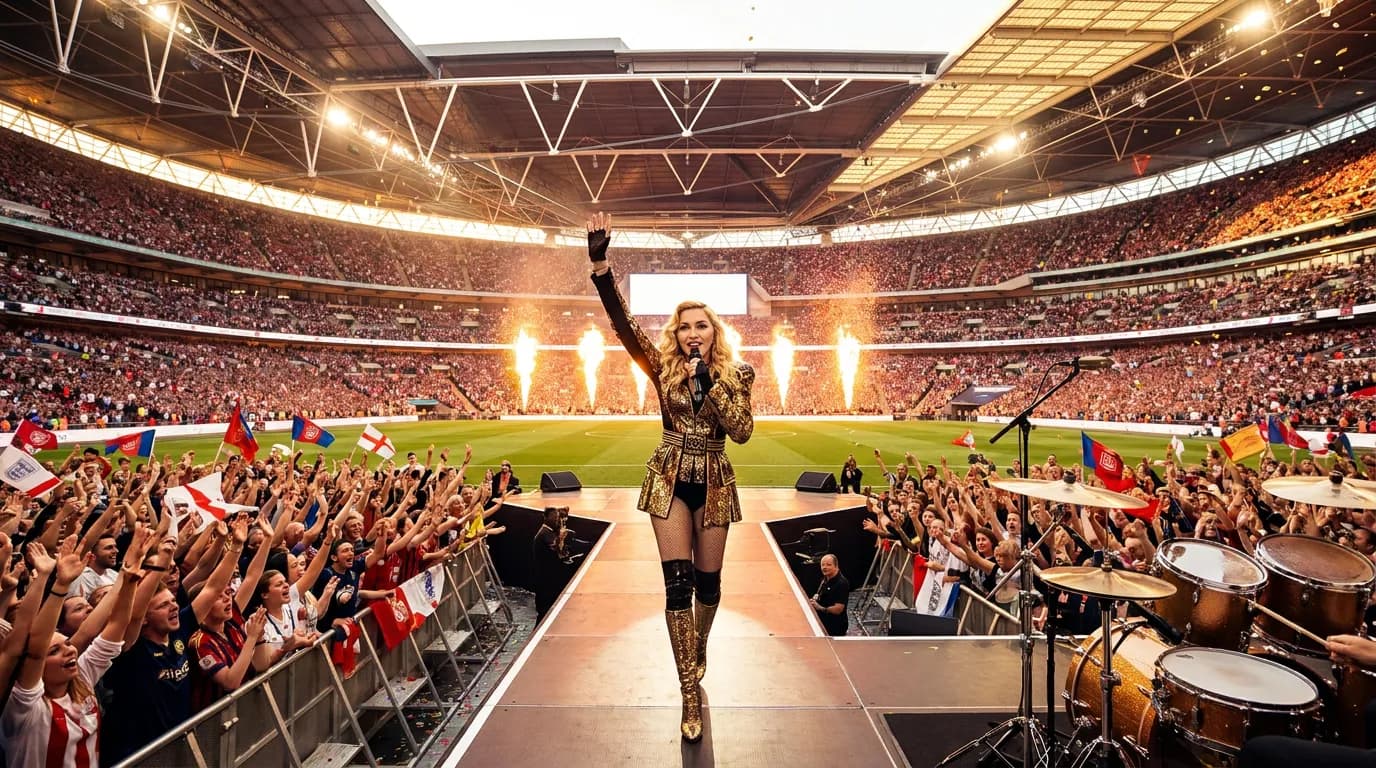
The final itself, scheduled for July 19 at MetLife Stadium in East Rutherford, will be the culmination of a month-long journey. With no on-site parking and official shuttles or NJ Transit providing access, the logistical challenge mirrors the sporting one: preparation, adaptability, and execution under pressure. The first-ever halftime show, curated by Chris Martin and featuring Madonna, Shakira, and BTS, will add a layer of spectacle to an already historic occasion.
Beyond the Numbers: Momentum, Belief, and the Intangibles
Data can illuminate trends, but it cannot capture everything. Momentum—the psychological lift from a late winner, the confidence born of a penalty shootout victory—shapes tournaments in ways that resist quantification. Teams that have survived scares and emerged stronger often carry a belief that becomes self-fulfilling. The semifinals will test not just tactical plans but mental fortitude, the ability to stay composed when the stakes are highest.
Squad depth has also proven decisive. The expanded format, with its congested schedule and physical demands, rewards teams that can rotate without losing quality. Fresh legs in the final third, defensive solidity maintained even with changes, and the ability to introduce impact substitutes have all been critical. The data shows that teams using their full squad—rather than relying on a core eleven—have managed fatigue more effectively and maintained performance levels deeper into the tournament.
Fan support, too, plays a role that transcends metrics. The energy inside AT&T Stadium and Mercedes-Benz Stadium, the roar that greets every tackle and chance, can shift momentum. Teams that have embraced the occasion, feeding off the crowd rather than being overwhelmed by it, have often found an extra gear when needed most.
Making Your Own Call: Engaging with the Semifinals
Whether you're watching from the stands in Arlington or Atlanta, or from a screen thousands of miles away, the semifinals invite you to become part of the story. Follow the data if you wish—track passing networks, heat maps, and shot charts—or simply trust your instincts and enjoy the drama. The beauty of tournament football is that it rewards both the analyst and the romantic, the student of tactics and the believer in magic.
For those planning to attend the final, preparation is key. MetLife Stadium's restrictions—no on-site parking, no tailgating—mean that logistics matter as much as tickets. Official shuttles and NJ Transit, with return wristbands for re-entry, are the recommended routes. Arriving early, staying hydrated, and planning your journey home will ensure that the experience matches the anticipation. The halftime show, a first for a World Cup final, promises to be a cultural moment as significant as the match itself.
The semifinals are where legacies are forged and dreams are broken. Two matches, four teams, and a world watching. The data offers a guide, but the game will write its own script. Trust the process, savor the moments, and prepare for a final that will be remembered for generations.
Practical notes
- Semifinals at AT&T Stadium (Arlington) and Mercedes-Benz Stadium (Atlanta); check official FIFA channels for exact match dates and kickoff times.
- Final on July 19, 2026, at MetLife Stadium, East Rutherford NJ; no on-site parking or tailgating—use official shuttles or NJ Transit with return wristband.
- Halftime show curated by Chris Martin, featuring Madonna, Shakira, and BTS—arrive early to secure your spot and enjoy the full experience.
- Follow live data feeds and tactical analysis through official tournament apps and trusted sports analytics platforms for real-time insights.
- Book accommodation in Arlington, Atlanta, or the NYC/NJ area well in advance; demand peaks around semifinal and final dates.
The World Cup semifinals are a celebration of everything that makes football the global game—skill, strategy, passion, and the unpredictable thrill of knockout competition. Whether you're drawn by the data, the drama, or simply the joy of watching the world's best compete, these matches promise moments that will echo long after the final whistle. Prepare well, engage deeply, and let the journey to MetLife Stadium be as memorable as the destination.
Tags: #WorldCupSemifinals #DataDrivenFootball #ATTStadium #MercedesBenzStadium #MetLifeStadium #WorldCup2026 #TacticalAnalysis #KnockoutFootball #ArlingtonTX #AtlantaGA #ExpectedGoals #TournamentFootball #FinalFour #RoadToTheFinal #GlobalGame
All trademarks are the property of their respective owners.
Ask Karpo first
The semifinals are a convergence of preparation, data, and instinct—and navigating them, whether from the stands or your living room, is easier when you have the right intel. Ask Karpo first for real-time updates on match logistics, stadium access, transit routes to MetLife, and the insider details that turn a great experience into an unforgettable one. We're here to make sure you're ready for every moment, from kickoff to the final celebration.