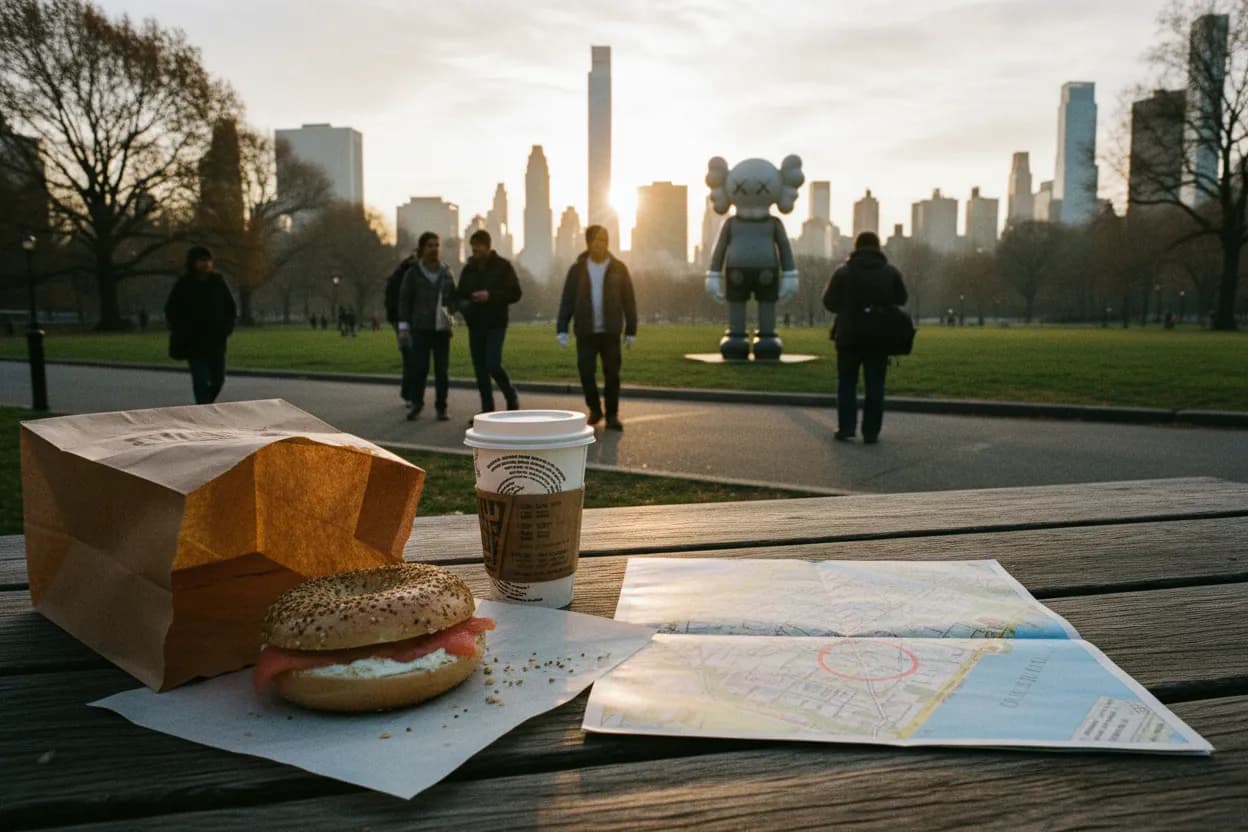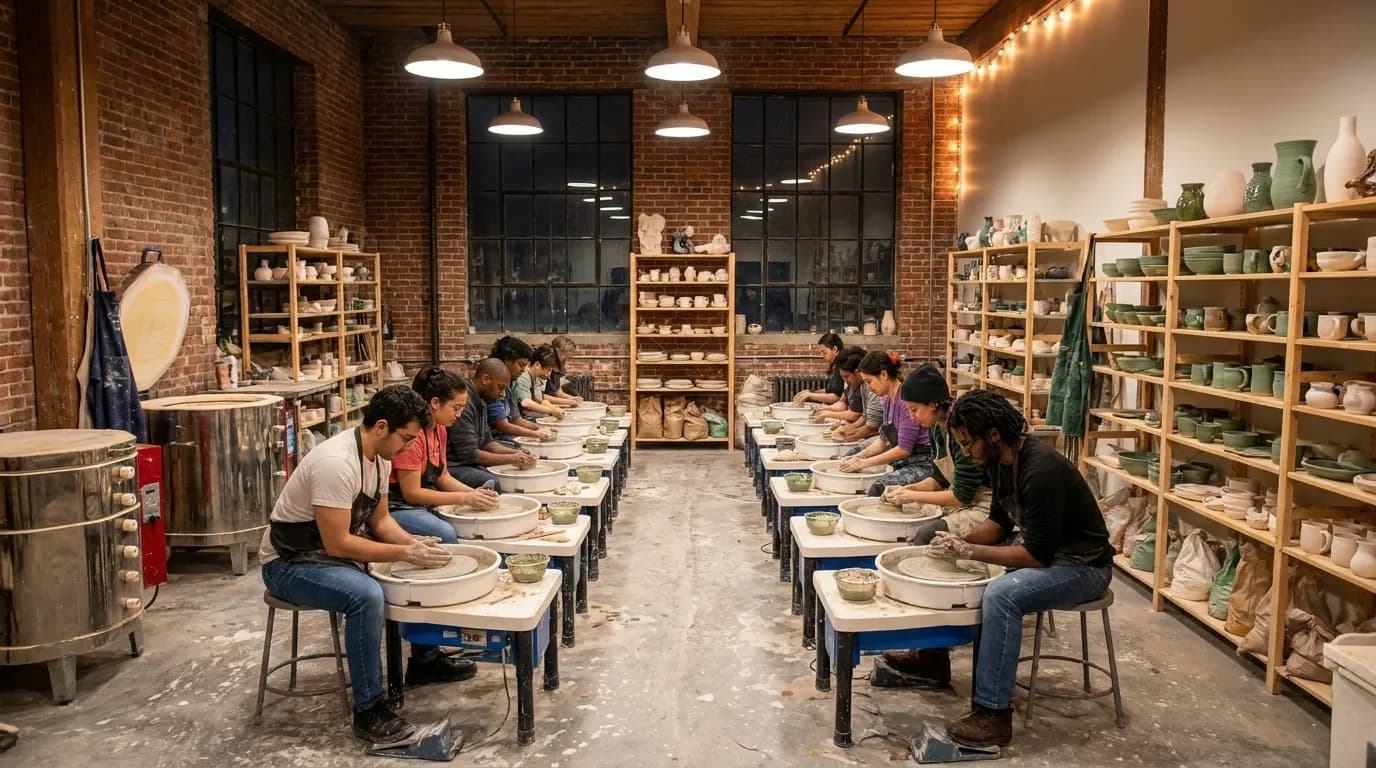
When a friend flies in and you've already exhausted the rooftop-bar circuit, the question becomes: how do you show them New York without defaulting to the same tired itinerary everyone else follows? The answer lies in the city's thriving network of evening workshops and maker spaces—places where locals actually spend their weeknights learning new skills, meeting neighbors, and creating something tangible. These aren't packaged experiences designed for tour groups; they're drop-in classes, open studios, and collaborative sessions that happen to welcome visitors but exist primarily to serve the people who live here. The result is an evening that feels participatory rather than observational, where your friend leaves with a hand-thrown mug or a screen-printed tote instead of another skyline photo. It's the difference between watching the city and actually joining it for a few hours.
Text Karpo at (332) 334-2356 for workshop recommendations that match your friend's interests and schedule—we track class availability and can suggest backup options if your first choice is full.

Why Hands-On Experiences Work Better Than Another Dinner Reservation
The challenge with hosting visitors is that most evening activities in New York fall into predictable categories: eating, drinking, or passively watching something. Those have their place, but they don't give your friend much insight into how New Yorkers actually spend their time when they're not entertaining guests. A pottery class in Bushwick or a letterpress workshop in Gowanus does. These spaces exist because the city has a deep bench of working artists and makers who need affordable studio access and supplement their income by teaching. The students are overwhelmingly local—people picking up a new hobby, exploring a creative outlet after work, or maintaining a skill they learned years ago. When you and your friend walk into one of these sessions, you're joining an existing community rather than being corralled into a tourist activity.
The practical advantage is that these workshops solve the what-do-we-talk-about problem that can make long dinners awkward. You're both focused on the same task, learning the same technique, troubleshooting the same mistakes. Conversation happens naturally around the work, and if there's a lull, you're glazing a bowl or mixing ink rather than staring at each other across a table. The time structure is also helpful—most evening classes run ninety minutes to two hours, which is long enough to feel substantive but short enough that you can grab a late bite afterward if the energy is right. You're building in a natural transition point rather than committing to an entire evening in one location.

Where to Find Evening Workshops That Welcome Drop-Ins
The key is distinguishing between studios that offer regular open sessions versus those that require advance registration for multi-week courses. For a visiting friend, you want the former—places where you can book a single evening without committing to a series. Brooklyn Clay Industrial in Bushwick runs evening open studio hours where you can work on the wheel with an instructor present; the space is primarily used by members, but they accommodate walk-ins when capacity allows. Similarly, the Brooklyn Brainery in Prospect Heights offers single-session classes on everything from bookbinding to fermentation, with most workshops scheduled on weeknights between seven and nine. The format is casual—folding tables, a small group, an instructor who's usually a working practitioner rather than a professional teacher.
Manhattan has fewer of these spaces due to rent pressures, but they exist if you know where to look. The Lower East Side Printshop offers evening workshops in screen printing, relief printing, and monotype techniques; their classes are structured as one-time sessions, and you leave with finished prints. The New York Public Library branches also run occasional evening maker programs—the Stavros Niarchos Foundation Library has hosted letterpress nights and zine-making workshops, though the schedule varies by season. The challenge is that many of these programs require checking individual websites or mailing lists rather than appearing on a central calendar. If you're planning more than a few days out, that's manageable; if your friend arrives tomorrow, you'll need to be flexible about which medium you explore.
How to Choose the Right Activity for Your Friend's Skill Level and Interests
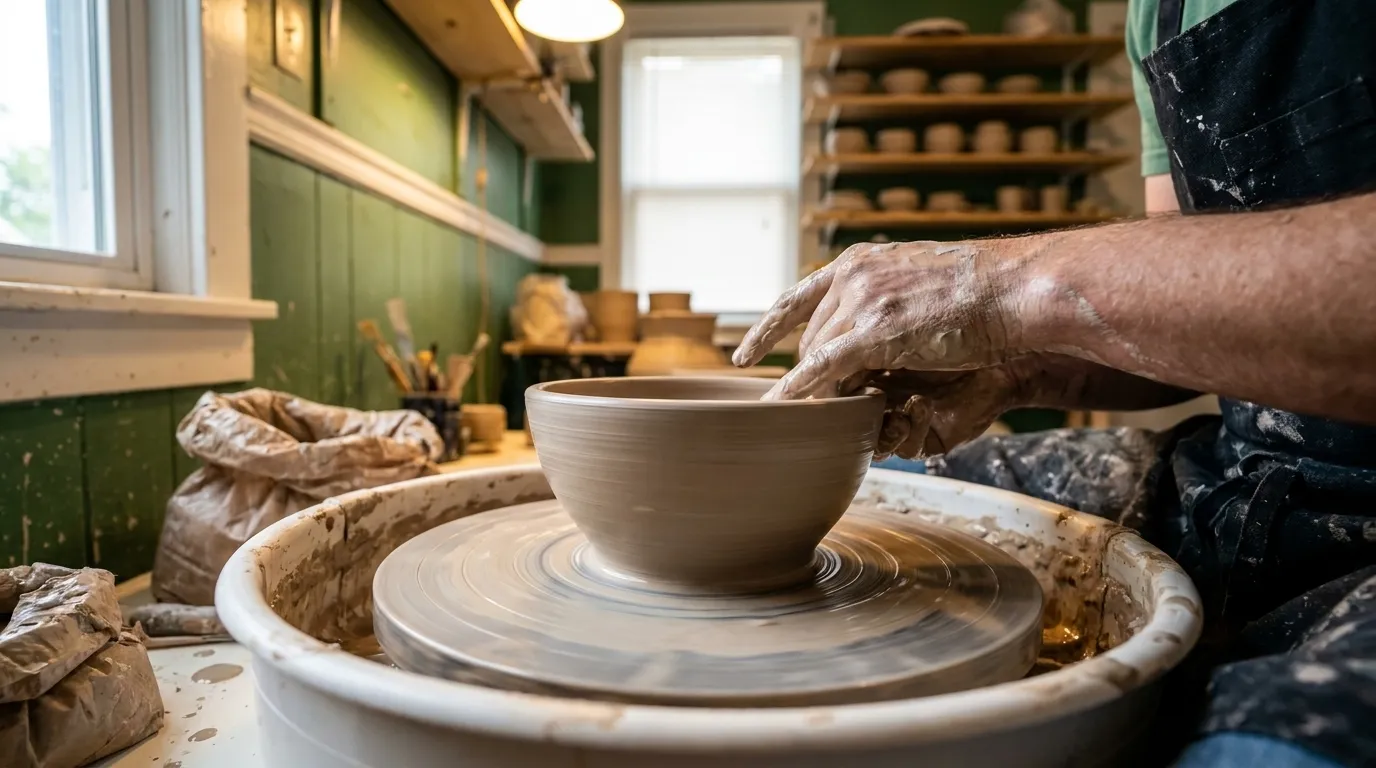
Not every hands-on experience translates well for a first-timer on a time constraint. Pottery, for instance, has a steep learning curve—your friend will likely produce a lopsided bowl and spend most of the session wrestling with the wheel. That's fine if they find the process meditative, but frustrating if they were hoping for an Instagram-ready result. Screen printing and block printing tend to be more forgiving; even a beginner can produce a clean print if they follow the instructor's setup, and the satisfaction of pulling a finished image is immediate. Bookbinding and paper marbling fall into the same category—techniques that yield a tangible, presentable object within a single session.
Consider what your friend does for work and whether they spend their days at a computer. If so, they might appreciate an activity that's tactile and physical—working with clay, mixing inks, cutting paper. If they're already in a hands-on field, they might prefer something more cerebral, like a fermentation workshop where the focus is on understanding process rather than manual dexterity. Also factor in whether they're comfortable in group settings. Some workshops involve a lot of peer interaction and sharing of tools; others are more parallel-play, where everyone works independently at their own station. If your friend is introverted or self-conscious about their lack of experience, look for smaller class sizes or studios that emphasize process over finished product.
Practical Considerations: Timing, Transit, and What Happens If the Class Is Full
Most evening workshops start between 6:30 and 7:30 PM, which means you need to account for rush-hour transit if you're both coming from work or different parts of the city. If the studio is in Bushwick or Gowanus, assume thirty to forty-five minutes from Midtown Manhattan, longer if there are service changes. Check the MTA website the afternoon of your class—weekend and evening construction can add significant time, and you don't want to arrive flustered and fifteen minutes late. Some studios have a grace period, but others start promptly and won't admit latecomers once the instructor has begun the demo.
Booking in advance is essential, especially for popular workshops or smaller studios with limited capacity. Many classes cap enrollment at eight to twelve participants, and weekend slots fill quickly. If you're planning a weeknight session, you'll have better luck with availability, but don't assume you can walk in the day of. Have a backup plan—identify two or three workshops on the same evening in case your first choice is sold out. The alternative is to pivot to a different kind of participatory experience: open-mic nights at the Nuyorican Poets Cafe, community board game nights at the Uncommons in Greenwich Village, or drop-in life drawing sessions at various studios around the city. These don't involve making a physical object, but they maintain the collaborative, non-touristy energy you're aiming for.
Practical Notes
- Check workshop websites directly rather than relying on aggregator platforms—many small studios don't list on Eventbrite and only post schedules on Instagram or their own sites.
- Confirm whether materials are included in the class fee or if there's an additional charge for supplies; pottery and printmaking often have separate material costs.
- Ask about the studio's cancellation policy—some workshops offer refunds up to 48 hours in advance, others issue credit only, and a few are non-refundable.
- Wear clothes you don't mind getting dirty, especially for pottery, printmaking, or any activity involving dyes or inks; studios rarely provide aprons for drop-in participants.
- Plan for a post-workshop debrief location nearby—many of these studios are in industrial or residential areas without obvious bar or restaurant options within walking distance.
- If your friend is staying in Manhattan and the workshop is in Brooklyn, build in extra time for the return trip; late-evening subway service can be less frequent, and rideshares surge during peak hours.
- Verify age restrictions if you're bringing a younger visitor—some studios are 21+ due to BYOB policies, while others welcome teens but require parental consent forms.
The best part of taking a visiting friend to a hands-on workshop is that it reframes the entire visit. Instead of you playing tour guide and them playing tourist, you're both students in the same room, learning the same skill, making the same mistakes. That shift in dynamic—from host-guest to collaborators—changes the tone of the evening and often the entire trip. Your friend gets a story that isn't about what they saw but what they made, and you get to experience a side of the city's creative infrastructure you might not have explored otherwise. It's a reminder that New York's real texture isn't in its landmarks but in the thousands of small studios, workshops, and maker spaces where people gather to build things together.
Tags: #nycworkshops #handsonnyc #nycmakers #creativenyc #nycnightlife #brooklynstudios #nycceramics #printmakingnyc #nyclocals #thingstodonyc #nycevening #makerspacenyc #nycartscene #visitingnyc
Sources consulted: 15 Non-Touristy Things to Do in New York City - Wandering Wheatleys · 64 Best Non-Touristy Things To Do In NYC (From A Local) · 18 Best Places to Take Out-of-Towners in NYC · 25 Best Unique and Non-Touristy Things to Do in NYC
All trademarks are the property of their respective owners.