 Places To Eat Near Me in Williamsburg: Smorgasburg's Open-Air Vendors
Weekend Plans
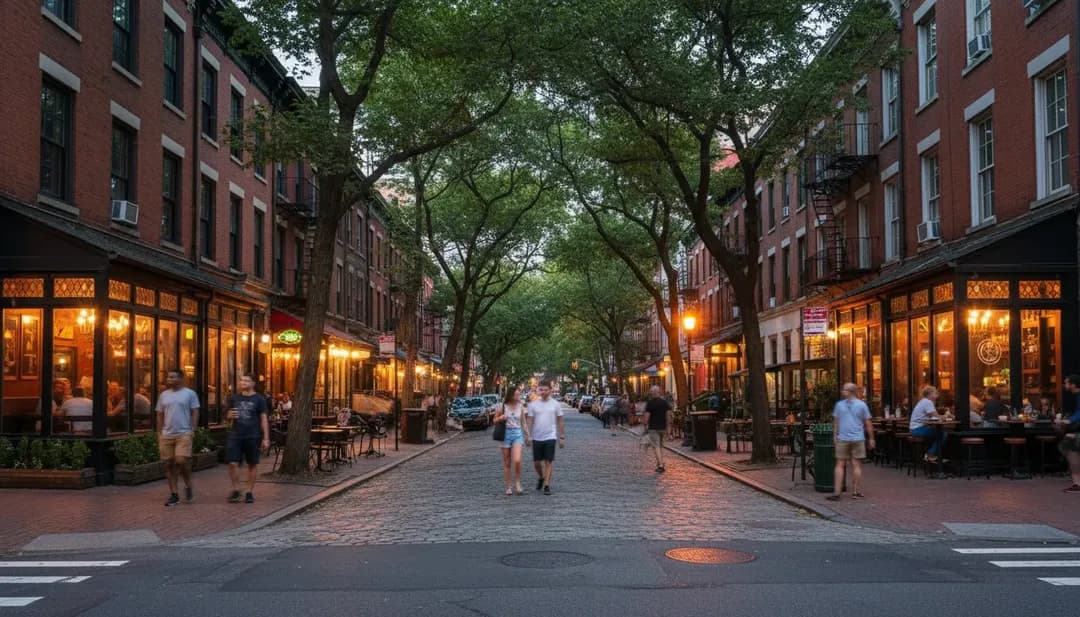
Where to Start a September-Feeling NYC Night While Summer Is Still Technically Here
Late August and early September offer a rare window when the city's energy shifts toward fall rhythms even as the calendar insists on summer—here's how to lean into that liminal mood after dark.
There's a specific texture to New York evenings in the last week of August and the first days of September—when humidity finally breaks but outdoor tables still fill, when rooftops stay open yet indoor venues regain their pull, when the light changes just enough that 7 p.m. feels different than it did in July. The city hasn't flipped a switch, but locals recognize the shift: jackets appear on chair-backs, restaurant reservations get easier mid-week, and the frenetic pace of high summer gives way to something more deliberate. If you want to start a night that honors this in-between moment—neither full summer nor committed fall—you need spots that work with the temperature drop, the return of indoor focus, and the quiet understanding that September energy has arrived early.
Text Karpo at (332) 214-7205 to surface neighborhood-specific night routes that match the exact mood and weather of any given evening this season.
Begin indoors where the lighting already feels autumnal
The shift toward September energy shows up first in how indoor spaces feel after weeks of air-conditioned avoidance. Bars and lounges that seemed too dim or too warm in July suddenly make sense again—wood paneling, amber lighting, and close seating arrangements stop feeling oppressive and start feeling intentional. Greenwich Village offers concentrated options here: jazz clubs like the Village Vanguard operate year-round, but their appeal intensifies when you want enclosure rather than exposure. The neighborhood's layout—narrow streets, low buildings, trees that create canopy—reinforces the seasonal pivot even before you step inside. Comedy Cellar, also in the Village, runs shows nightly and benefits from the same dynamic: a basement room that felt like overkill in summer becomes the right amount of insulation once evening temperatures dip into the mid-sixties.
If you're starting a night rather than ending one, these venues work best around 7 or 8 p.m., early enough that you're not committed to a full show but late enough that the transition from daylight to interior lighting feels natural. The Garret, a speakeasy accessed through the back of a Five Guys location in the Village, exemplifies the kind of venue that rewards this timing—arriving before the crush lets you claim a corner and ease into the evening rather than fighting for space. The key is choosing spots where the architecture and atmosphere already anticipate fall, even if the calendar hasn't caught up. Check subway service before heading out; the Village is well-served by multiple lines, but evening construction can shift your best route.
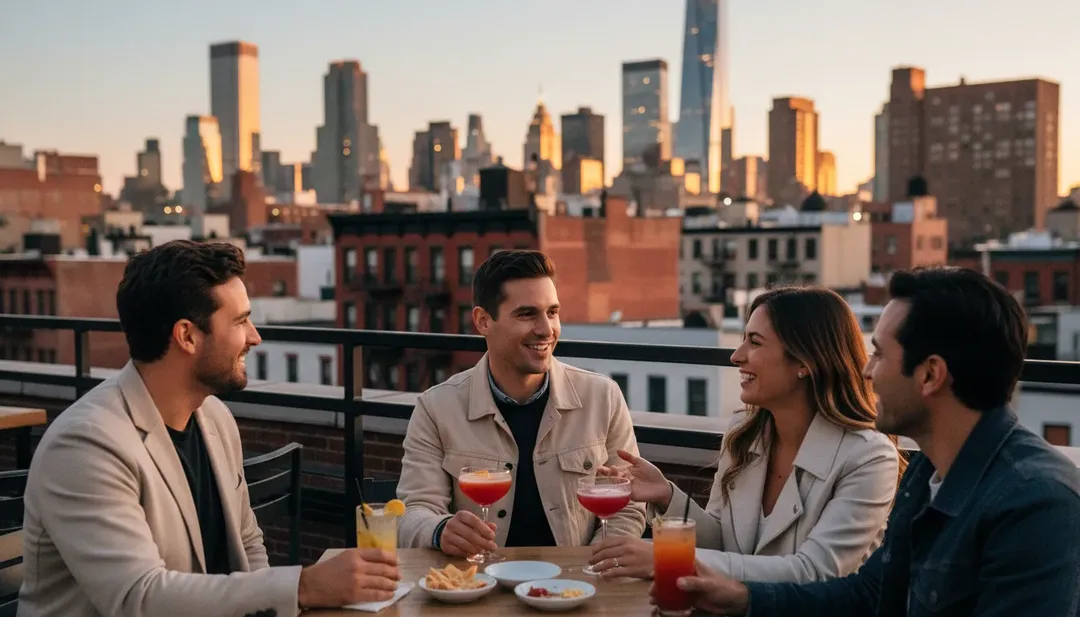
Layer outdoor time before committing fully indoors
September-feeling nights don't require abandoning outdoor spaces entirely—they ask for smarter sequencing. Rooftop bars across the five boroughs remain open into early fall, and the temperature drop makes them more comfortable than they were in peak summer. Midtown hotel rooftops, in particular, benefit from this window: views stay sharp as humidity clears, and the crowds thin as tourists shift toward indoor attractions. Starting a night with an hour on a rooftop around sunset—roughly 7:15 p.m. in early September—gives you the seasonal transition in real time: warm light, cooling air, the city's silhouette sharpening as dusk arrives. This approach works better than trying to spend an entire evening outside, which can feel forced once temperatures drop further after 9 p.m.
Outdoor dining spots that offer some enclosure—awnings, partial walls, heat lamps on standby—also fit this transitional logic. Neighborhoods like the West Village and parts of Brooklyn's Williamsburg have invested in year-round outdoor infrastructure, and early September is when that investment pays off for diners. You're not fighting for shade or breeze; you're appreciating the fact that a table outside feels pleasant rather than strategic. If you're planning to move from outdoor to indoor over the course of a night, build in a geographic logic: start in a neighborhood dense with options so the transition doesn't require a long subway ride. The stretch along Bleecker Street or the blocks around Union Square both offer this flexibility, with outdoor seating giving way to bars, music venues, and late-night restaurants within a few blocks' walk.
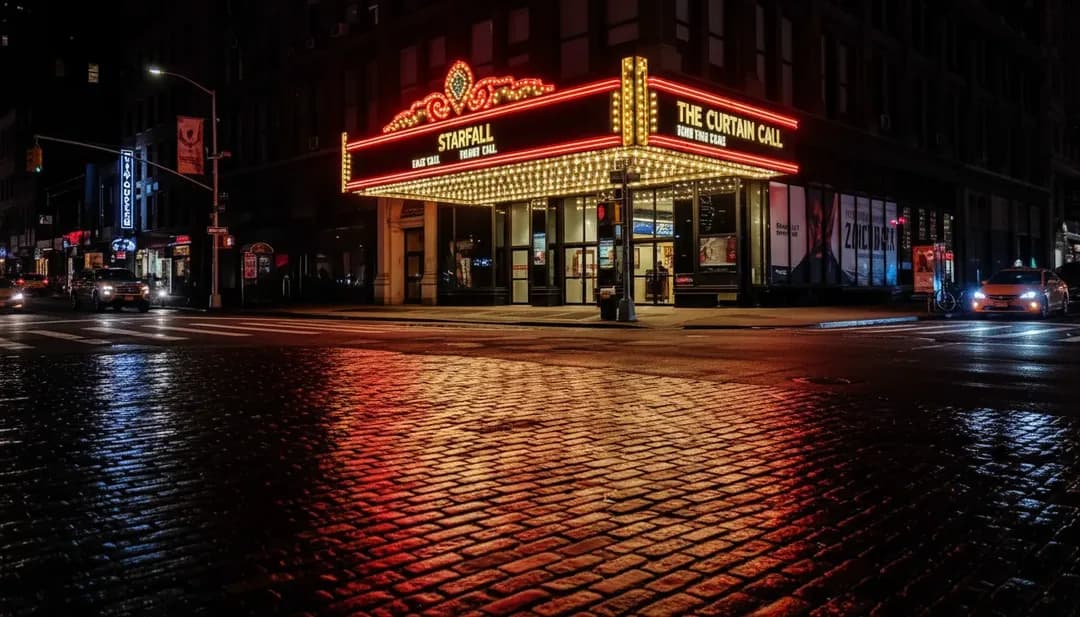
Let the return of cultural programming shape your route
September in New York traditionally marks the resumption of fall programming—theater, museum exhibitions, lecture series—and that energy starts building in late August even if official openings haven't happened yet. Broadway shows run year-round, but the late-summer period often sees new productions in previews or limited runs testing material before wider releases. Catching a show during this window can feel like participating in the city's seasonal reset rather than simply attending an event. Midtown theater district venues cluster tightly enough that you can make a pre- or post-show plan without extensive transit; the neighborhood's density of bars and restaurants supports this kind of spontaneous extension of an evening.
Museums that offer late hours—typically until 9 p.m. on select nights—also align with the September-feeling approach. Visiting a museum after 6 p.m. in early fall carries a different weight than the same visit in summer: fewer crowds, cooler gallery temperatures, and the sense that you're using the evening deliberately rather than killing time before dinner. The Met, MoMA, and the American Museum of Natural History all maintain evening hours on specific days, and checking their schedules before planning a night out can anchor your route. If you're combining a museum visit with dinner or drinks, neighborhoods like the Upper East Side (near the Met) or Midtown West (near MoMA) offer enough nearby options that you're not locked into a single plan. The goal is to let the city's institutional rhythm—its return to structured programming—guide your evening rather than fighting against it.
Adjust expectations around timing and crowd patterns
One of the most tangible shifts in late August and early September is how crowd patterns change. Summer's extended daylight and tourist influx create a flattened evening: everywhere is busy from 6 p.m. onward, and there's little strategic advantage to timing. As September energy takes hold, even before Labor Day, you start to see differentiation again. Restaurants that required reservations weeks in advance become bookable with a few days' notice. Bars that were three-deep all night in July show breathing room by 10 p.m. This doesn't mean the city empties—it means the rhythms become more predictable and therefore more useful for planning.
If you're aiming for a night that feels like September, lean into this recalibration. Make a reservation for 8 or 8:30 p.m. instead of scrambling for an early slot. Plan to arrive at a bar around 9 p.m. rather than 7, knowing you'll find space without sacrificing atmosphere. The return of weeknight energy—people going out Tuesday or Wednesday because they can, not because they're on vacation—also signals the shift. Neighborhoods like the Lower East Side and Williamsburg, which stay busy year-round, become easier to navigate as the seasonal visitors thin out. Checking real-time subway updates before you leave and building in a backup route ensures you're not derailed by weekend construction or service changes, which tend to intensify in early fall as the MTA tackles projects deferred during summer.
Practical Notes
- Evening temperatures in early September typically range from mid-60s to low 70s; bring a light layer if you're planning to move between indoor and outdoor spaces.
- Subway service can shift on weekends and evenings in early fall due to maintenance work—check the MTA website or app before heading out to avoid unexpected reroutes.
- Restaurant reservations become easier to secure in late August and early September compared to peak summer, but popular spots still fill up; book 3-5 days ahead for weekend evenings.
- Rooftop bars and outdoor dining areas often stay open through September but may close sections or reduce hours as temperatures drop—call ahead if outdoor seating is central to your plan.
- Broadway previews and limited runs often begin in late August; ticket prices can be lower than regular performances, and the energy of a show still finding its rhythm can feel more immediate.
- Museum late hours vary by institution and day of week; confirm schedules online rather than assuming evening access, especially around holiday weekends.
- Neighborhoods like Greenwich Village, the Lower East Side, and Williamsburg offer dense concentrations of bars, restaurants, and venues within walking distance, reducing reliance on transit mid-evening.
The appeal of a September-feeling night in late August isn't about rushing the season—it's about recognizing when the city's rhythm has already shifted and building an evening that works with that change rather than against it. The light is different, the crowds are different, and the pull of indoor spaces reasserts itself after months of outdoor dominance. You don't need a specific event or destination to mark this transition; you need a route that layers indoor and outdoor time intelligently, respects the return of cultural programming, and takes advantage of the fact that New York becomes more navigable and more itself once summer's peak intensity fades. Start somewhere that already feels like fall, even if the thermometer disagrees, and let the evening unfold from there.
Tags: #nycnightlife #septemberinnyc #latesummernyc #nycevenings #greenwichvillage #nycbars #fallinnycnyc #nyclocals #weekendplansnyc #nycafter dark #transitionalseasons #nycculture #cityrhythms
All trademarks are the property of their respective owners.
Ask Karpo for more information.
Keep reading
- Places To Eat Near Me in Williamsburg: Smorgasburg's Open-Air Vendors
 Dinner Near Me in the West Village: Buvette's Tiny French Plates
 Best Restaurants Near Me in Midtown: Le Bernardin Holds Three Stars