 Places To Eat Near Me in Williamsburg: Smorgasburg's Open-Air Vendors
Weekend Plans
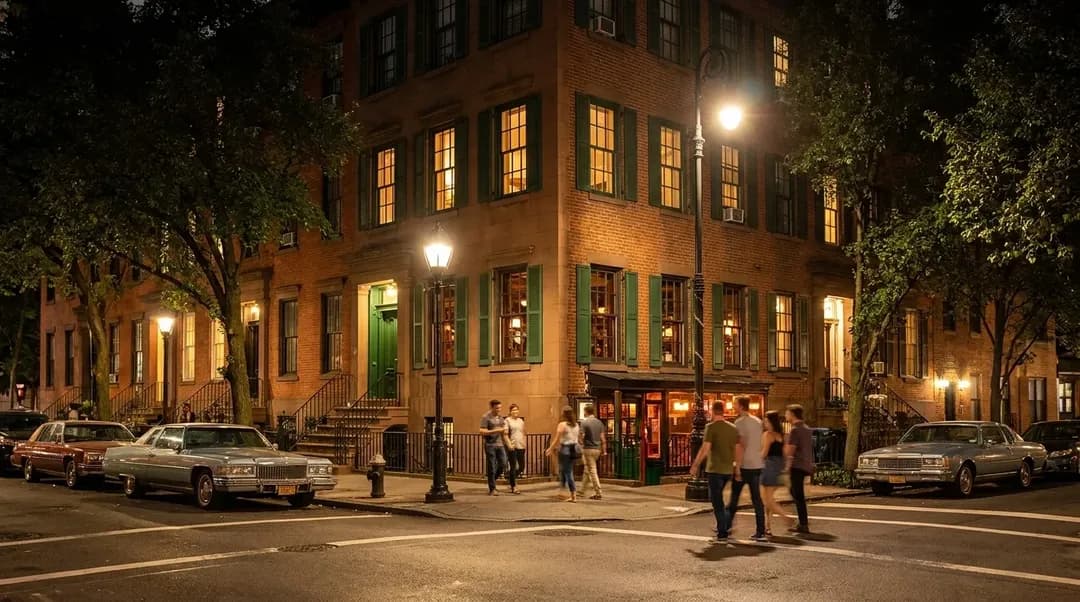
Where to Go When the Best Night Is the One With the Simplest Trip Home
For locals who've learned that proximity beats hype, these neighborhood clusters deliver strong nights out without the subway-transfer calculus or the late-night ride-share surge that turns a good evening into a logistics problem.
After enough years in New York, you stop chasing the hottest opening in a distant neighborhood and start asking a more honest question: how much energy will I spend getting there and back? The calculus shifts. A solid bar three stops away on a single train beats a legendary spot that requires two transfers and a twenty-minute walk. A rooftop with a direct route home wins over one that demands a ride-share at two in the morning. This isn't about getting older or less adventurous—it's about understanding that the quality of a night includes the journey at both ends. When you prioritize the trip home, you make different choices, and those choices often lead to better nights. You stay later because you're not dreading the commute. You relax more because you're not mentally tracking the last express train. You discover spots you'd otherwise overlook because they happen to sit on your line.
Text Karpo at (332) 334-2904 for Friday and Saturday night recommendations filtered by your nearest subway stop—we'll send you three options within fifteen minutes of your door.
Greenwich Village: The Density Advantage
Greenwich Village works because nearly every subway line touches it or passes within two blocks of its edges. The 1, 2, 3, A, C, E, B, D, F, M, N, Q, R, and W all serve the neighborhood, which means most Manhattanites can reach it on a single train and most Brooklynites need just one transfer. That transit density creates a different kind of night—one where you're not locked into a single venue because leaving feels like a commitment. According to search results, the neighborhood offers stand-up comedy at Comedy Cellar, live jazz at Village Vanguard, and under-the-radar bars like the Garret, whose entrance sits in the back of a Five Guys. The concentration matters more than any individual spot. You can start at one place, walk three minutes to another, and still be ten minutes from your train when you're ready to leave.
The practical advantage shows up around midnight. While other neighborhoods empty out as people calculate their ride home, the Village stays active because so many locals can walk or take a short subway ride. Weeknight crowds skew younger and more tourist-heavy, but Friday and Saturday bring out neighborhood regulars who know they can stay until last call without consequence. If you're coming from the Upper West Side, the 1 train runs all night. From Williamsburg, the L to the A gets you there in under thirty minutes. From Astoria, the N or W to West Fourth takes about the same time. The return trip at two in the morning carries none of the uncertainty that comes with outer-borough destinations. Check real-time subway updates before you leave—weekend construction sometimes reroutes trains—but the sheer number of lines serving the area means you'll almost always have an alternative.
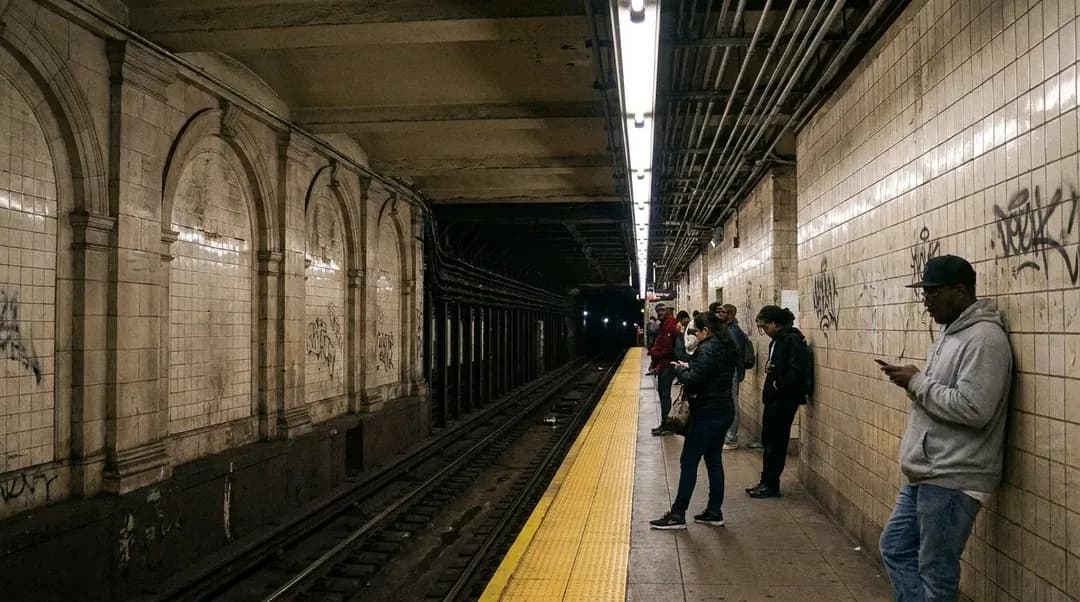
Midtown Hotel Bars: The Underrated Late Option
Midtown hotel bars get dismissed as tourist traps, but for locals living along the east-west subway corridors, they offer something valuable: predictable quality and zero travel friction. The neighborhood sits at the intersection of nearly every major line, which means whether you're in Queens, Brooklyn, the Bronx, or upper Manhattan, you can reach Midtown on a single train and get home the same way. Search results note that Midtown remains a strong nightlife area, and while the scene skews more corporate than creative, that also means venues stay open later and maintain consistent service. The bars inside hotels like the Royalton, the Refinery, and the Algonquin offer well-made drinks, comfortable seating, and an atmosphere that doesn't require you to shout over a DJ. For a night when you want conversation more than spectacle, these spots deliver without demanding a complicated commute.
The timing advantage becomes clear after eleven. While downtown venues hit capacity and outer-borough spots start their last call, Midtown hotel bars stay open and accessible. If you're coming from Jackson Heights, the E or F train runs express and drops you at Fifth Avenue or Rockefeller Center. From Park Slope, the 2 or 3 gets you to Times Square in under thirty minutes. From the Upper East Side, the 4, 5, or 6 runs straight down Lexington. The return trip works the same way, and because trains run frequently through Midtown even late at night, you're rarely waiting more than ten minutes. The scene won't be the most exciting you'll find in the city, but the ratio of effort to reward tilts heavily in your favor. If you're deciding between a hyped spot in Bushwick that requires two trains and a fifteen-minute walk versus a solid Midtown bar that's three stops away, the math often favors Midtown—especially on a weeknight when you have work the next morning.
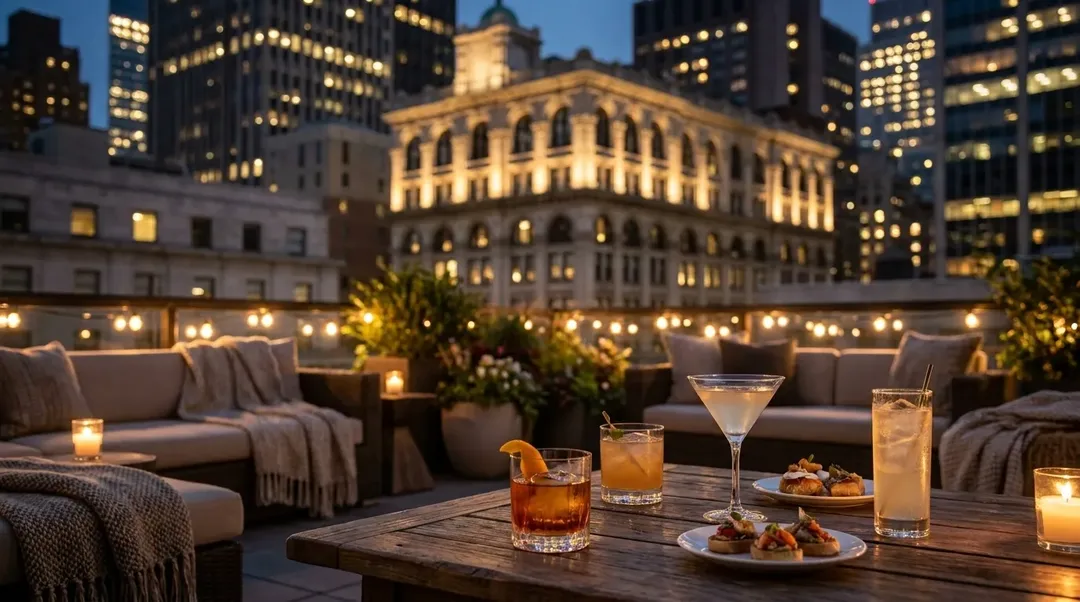
Rooftop Bars Along Your Line
Rooftop bars deliver the New York experience people imagine—skyline views, open air, a sense of occasion—but only if you choose one that aligns with your transit route. According to search results, popular options include 230 Fifth for Empire State Building views, Press Lounge on the west side for skyline panoramas, and Le Bain at the Standard Hotel in the Meatpacking District. Many feature live DJs and cozy seating, especially during warmer months. The key decision is picking one that doesn't require a transfer. If you live along the L train, Le Bain sits two blocks from Eighth Avenue. If you're on the 1 or 2, Press Lounge is a short walk from 50th Street. If you're on the N, R, or W, 230 Fifth is three blocks from 28th Street. The difference between a rooftop on your line and one that requires two trains is the difference between staying until midnight and leaving at ten because you're already calculating the trip home.
Weather plays a larger role with rooftops than enclosed venues. Check the forecast before you commit, because a rooftop in light rain or unexpected wind loses most of its appeal. Most rooftop bars operate seasonally, closing or moving indoors between November and March, so confirm hours before you go. Weekends bring crowds and sometimes cover charges, especially at the more popular spots. Weeknights offer better access and lower prices, but some rooftops scale back service or close early on Mondays and Tuesdays. If you're planning around a specific rooftop, call ahead to confirm it's open and operating at full capacity. The return trip from any of these spots follows the same logic: stay on your line, avoid transfers, and check for late-night service changes. The MTA website and app provide real-time updates, which matter more after midnight when scheduled service sometimes shifts to local-only or single-tracking.
Your Neighborhood's Best Block
The simplest trip home is the one that starts three blocks from your apartment. Every neighborhood in New York has at least one strong block—a cluster of two or three bars, a restaurant that stays open late, maybe a venue with live music—that locals return to because it works. These aren't the spots that show up in guides or get mentioned in trend pieces. They're the places where bartenders recognize you, where you can walk in at nine or midnight and find the same reliable scene, where you never have to explain to friends how to get there because everyone already knows. Identifying your neighborhood's best block requires some trial, but the payoff is a default option that eliminates decision fatigue. When you don't feel like planning, when you want to go out but don't want to commit to a destination, you have a place that's always fifteen minutes away.
Building this option takes intention. Walk your neighborhood on a Friday or Saturday night and note which blocks stay active after eleven. Check which venues have consistent crowds without long lines. Ask neighbors where they go when they don't want to travel. Once you identify two or three spots, rotate through them over a few weeks to see which ones hold up. The goal isn't to find the best bar in the city—it's to find the best bar within walking distance, which is a different calculation. A solid neighborhood spot beats a great destination bar when you factor in the commute, the cost, and the energy required to get there and back. This approach also builds community. When you return to the same block regularly, you start recognizing other regulars, which changes the experience from anonymous to familiar. That familiarity makes spontaneous nights easier because you're not starting from scratch every time you leave your apartment.
Practical Notes
- Check MTA service updates before you leave—weekend construction and late-night schedule changes can add thirty minutes to your trip home if you're not prepared.
- Rooftop bars often close or move indoors between November and March; call ahead to confirm outdoor access if that's the main draw.
- Hotel bars in Midtown typically stay open later than neighborhood spots and maintain consistent service, making them reliable backup options when other plans fall through.
- Weeknight crowds in Greenwich Village skew younger and more tourist-heavy; Friday and Saturday nights bring out more locals who live nearby.
- If you're planning around a specific venue, confirm hours and any cover charges by phone—online listings aren't always current, especially for seasonal or event-driven spots.
- Build a default option within walking distance of your apartment by testing your neighborhood's most active blocks over several weekends—the return on that investment compounds over time.
- Late-night ride-share prices surge unpredictably; if you're relying on that option, check the app before you commit to a distant destination so you know the return cost upfront.
The best night out isn't always the one with the most exciting destination—it's the one where the logistics don't overshadow the experience. When you prioritize the trip home, you make smarter choices about where to go and how long to stay. You stop forcing yourself into complicated commutes for marginal upgrades in scene or atmosphere. You start valuing proximity and consistency, which paradoxically leads to more spontaneous nights because the friction drops. This doesn't mean limiting yourself to a single neighborhood or never exploring new spots. It means understanding that energy is finite and that spending it on transit reduces what you have left for the actual night. The venues that work best are the ones that fit into your existing patterns rather than demanding you build new ones around them.
Tags: #nycnightlife #greenwichvillage #midtownmanhattan #rooftopbars #nycsubway #weekendplans #neighborhoodbars #nyclocals #mtatips #latenightnyc #nyccommute #manhattannights #brooklyntomanhattan #nycbarscene
All trademarks are the property of their respective owners.
Ask Karpo for more information.
Keep reading
- Places To Eat Near Me in Williamsburg: Smorgasburg's Open-Air Vendors
 Dinner Near Me in the West Village: Buvette's Tiny French Plates
 Best Restaurants Near Me in Midtown: Le Bernardin Holds Three Stars