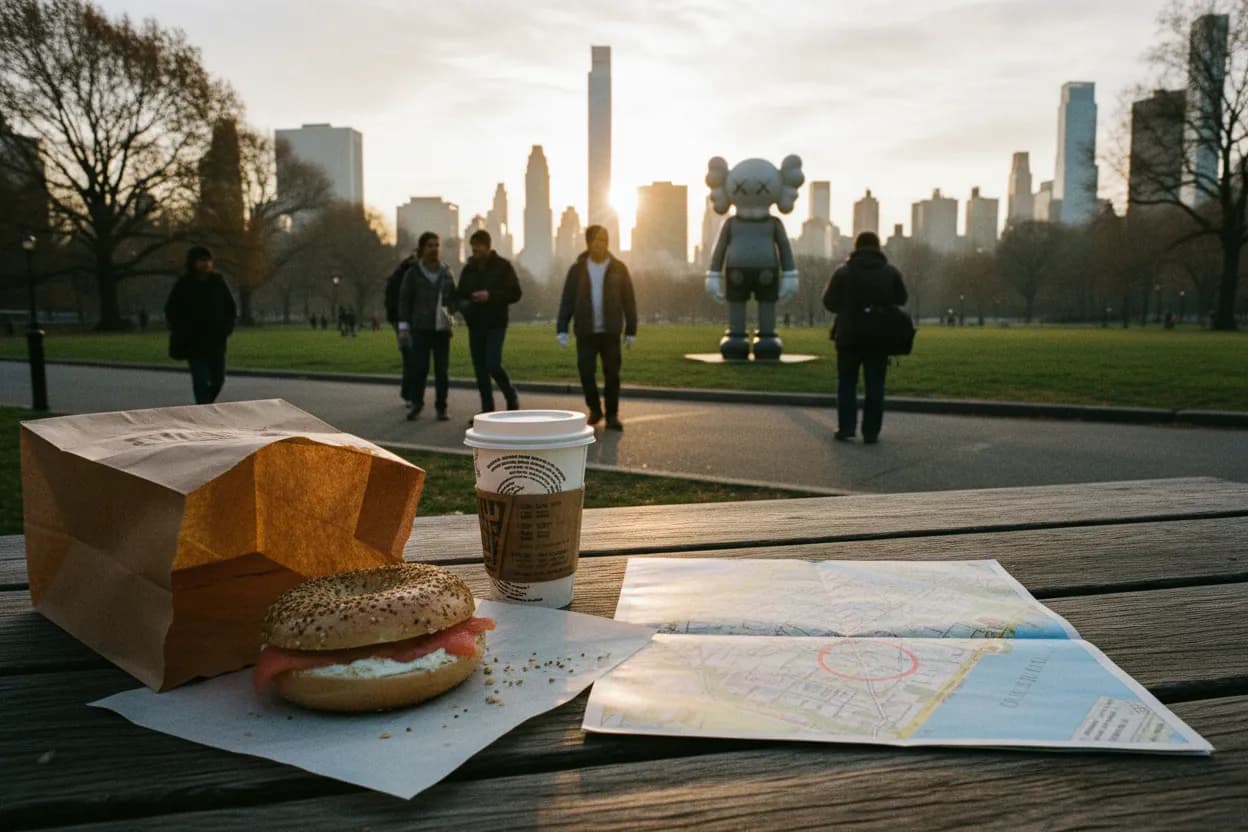
The phrase "team-building activity" has ruined a lot of otherwise good ideas. Pottery, cocktail-making, even pizza-tossing—all can be fun until someone adds icebreakers and matching T-shirts. But Manhattan has a parallel universe of creative workshops and bars where you can learn something new without the corporate scaffolding. These spots attract locals who actually want to be there, whether they're rolling dough in Chinatown, throwing clay in Chelsea, or mixing drinks in the West Village. The vibe skews toward genuine curiosity rather than mandatory participation, and most sessions run small enough that you're not performing for a crowd. If you've been avoiding hands-on classes because the last one involved trust falls, this is the reset.
Text Karpo at (332) 334-2770 for tonight's creative workshop recommendations based on your skill level and neighborhood.

Chelsea Pottery Studios Without the Performance Pressure
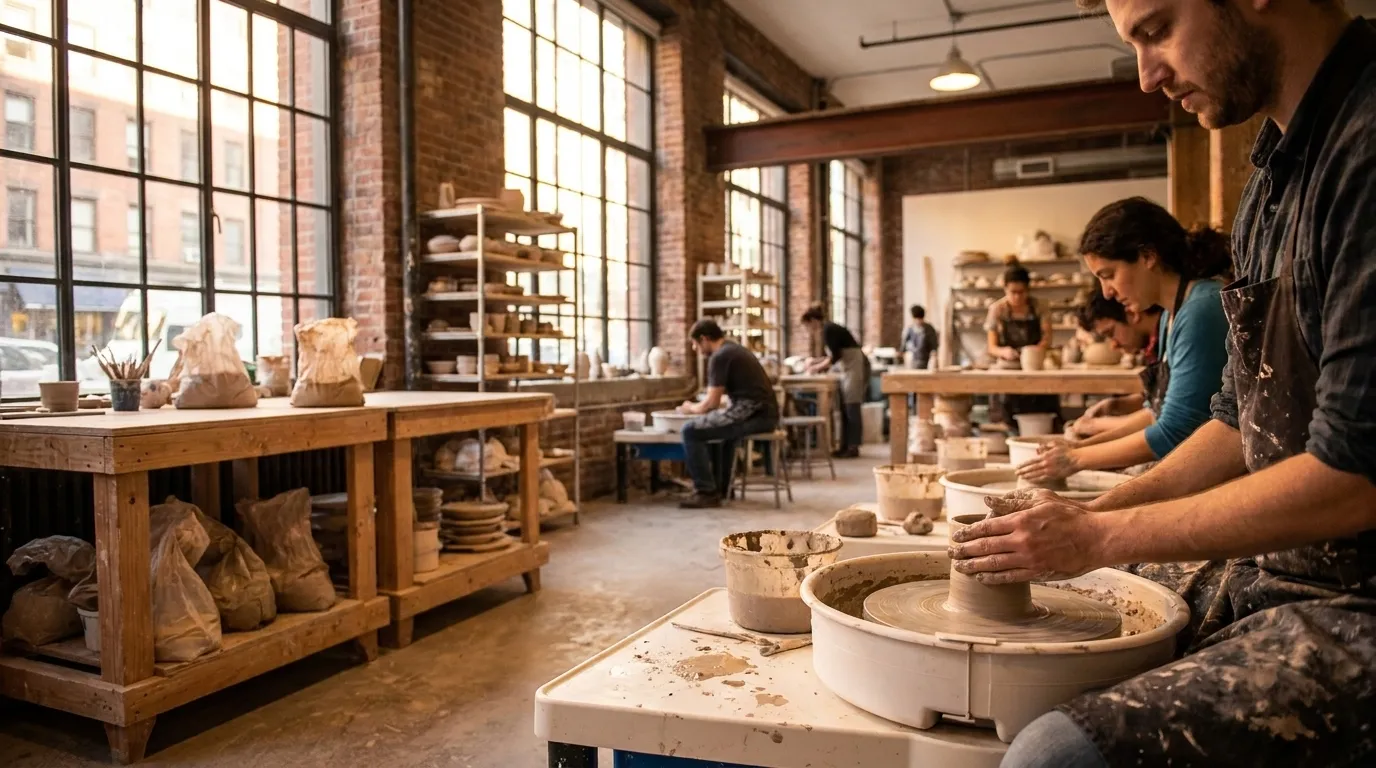
Chelsea hosts several pottery workshops where the instructor-to-student ratio stays low and the focus is on technique rather than team bonding. ClassBento lists pottery classes in this neighborhood that welcome beginners without requiring you to introduce yourself to the group or explain why you're there. Most sessions run two to three hours, giving you enough time to center clay on the wheel and shape something functional—a bowl, a mug, a small planter—without rushing through steps for the sake of a schedule. The studios tend to be small, often tucked into ground-floor spaces or basement workshops, which keeps the atmosphere quiet and focused. You'll likely work alongside other individuals or pairs rather than a coordinated group, and instructors circulate to offer hands-on adjustments instead of lecturing from the front of the room. If you've never touched a pottery wheel, expect your first piece to wobble or collapse; that's normal, and the lack of an audience makes it easier to laugh off and try again. Most studios fire and glaze your work for pickup a week or two later, so you leave with a finished object rather than a participation certificate.
Timing matters here. Weeknight classes, especially Monday through Wednesday, draw fewer people and give you more one-on-one time with the instructor. Friday and Saturday sessions fill up with date-night crowds, which isn't necessarily bad but does shift the energy slightly. If you're deciding between a drop-in class and a multi-week series, the single session is enough to learn the basics and figure out if you want to continue. Wear clothes you don't mind getting clay on—aprons are provided, but clay dust travels. Chelsea's accessibility via the 1, C, and E trains makes it easy to arrive directly after work, and several studios are within a few blocks of each other, so if your first choice is booked, you have backup options within walking distance.
Chinatown Dumpling-Making Classes That Feel Like Cooking at Home
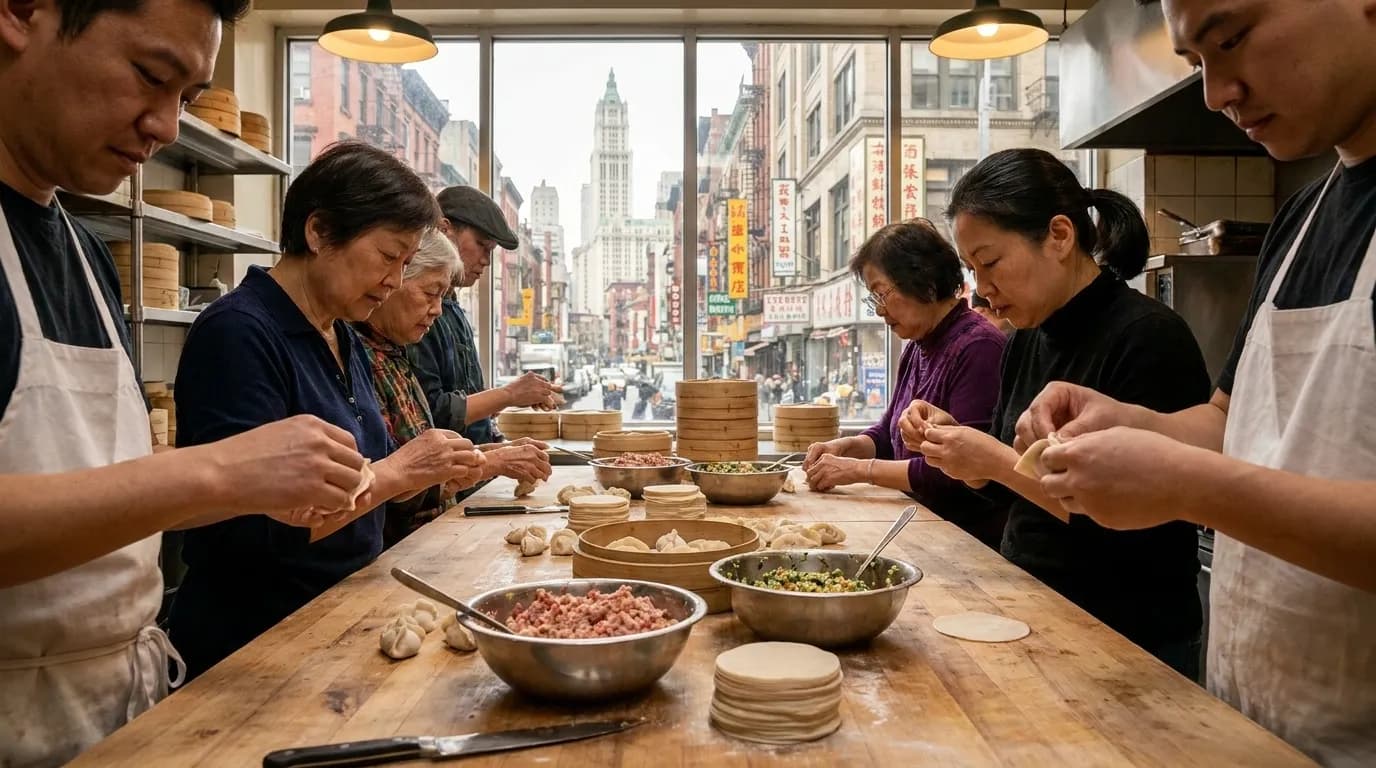
Chinatown's dumpling-making workshops operate more like informal cooking sessions than structured classes. ClassBento highlights these experiences as beginner-friendly, and the format usually involves a small group gathered around a communal table, folding dough under the guidance of someone who's been making dumplings for decades. You'll learn pleating techniques—the number of folds, how much filling to use, how to seal the edges so they don't burst during steaming—and then eat what you've made. The instructors tend to be matter-of-fact rather than performatively enthusiastic, which keeps the mood relaxed. If your dumplings look lumpy or leak, no one makes a big deal out of it; you just fold another one. The classes often take place in small restaurants or community kitchens, and the setting feels more like being invited into someone's kitchen than attending a formal workshop.
Most sessions run around two hours and include a meal at the end, so plan to arrive hungry. The neighborhood itself is dense and walkable, with the N, Q, R, W, J, and Z trains all stopping nearby. If you're coming from Midtown or Brooklyn, budget an extra ten minutes for the subway transfer. Chinatown workshops tend to book up on weekends, especially Sunday afternoons, so weeknight slots offer more availability and a quieter group dynamic. Some classes are BYOB, which changes the energy slightly—check the listing before you book. The dumpling styles vary by instructor; some focus on pork and chive, others on vegetarian or seafood fillings. If you have dietary restrictions, confirm options in advance rather than assuming substitutions will be available on the spot.
West Village Bars That Pair Cocktails with Low-Key Creative Activities
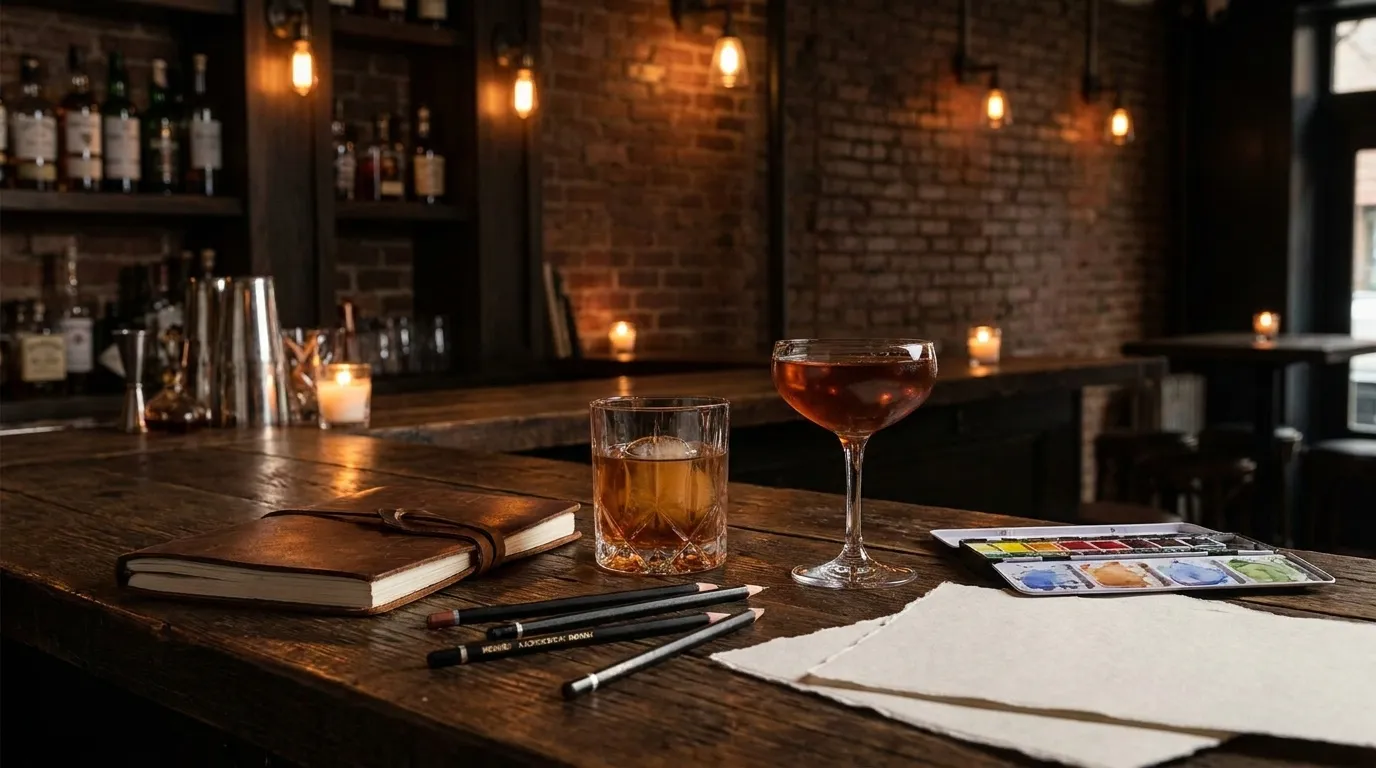
The West Village has a handful of bars that incorporate creative activities—painting, candle-making, trivia—without turning the evening into a structured event. Art of the Cocktail mentions spots that offer sip-and-sketch nights or cocktail-making sessions where the emphasis stays on the drink rather than the craft. These aren't paint-and-sip chains; they're neighborhood bars that happen to set out supplies once or twice a week. You can participate or not, and either choice is fine. The activities function more as conversation starters than mandatory programming, and the crowds skew toward locals who live within a few blocks rather than groups arriving by chartered bus. Sweetbriar's Bar 27, for example, hosts creative nightlife experiences that blend cocktails with hands-on elements, though the specifics change seasonally. The bartenders know their regulars, and the lighting is dim enough to feel like a bar rather than a classroom.
If you're planning to visit one of these spots, check their social media or call ahead to confirm the schedule. Not every night includes an activity, and some bars rotate themes weekly. Arrive early—around 7 or 8 p.m.—to claim a seat before the space fills up. The West Village is accessible via the 1, 2, 3, A, C, and E trains, and most bars are within a ten-minute walk of Christopher Street or West Fourth Street stations. Dress codes are nonexistent, but the neighborhood skews slightly more polished than, say, the Lower East Side, so you won't feel out of place in a button-down or clean sneakers. If the first bar you try feels too crowded or too quiet, the density of the neighborhood means you can walk two blocks and find another option. Expect to spend around twenty to thirty dollars per cocktail, and budget extra if you're ordering food or buying materials for the activity.
Midtown Pizza-Making Workshops for Hands-On Skill Without the Hype
Midtown hosts pizza-making classes that focus on dough technique and wood-fired baking rather than entertainment. ClassBento lists these workshops as part of Manhattan's creative offerings, and the format is straightforward: you stretch dough, top it, and bake it in a high-temperature oven. The instructors are usually working chefs or pizzaiolos who teach the mechanics—hydration ratios, fermentation times, how to shape dough without tearing it—rather than performing for the group. The classes run small, often six to eight people, and the kitchens are professional setups with commercial ovens and prep stations. You'll leave with a better understanding of why pizza dough behaves the way it does, and you'll eat your mistakes along the way, which makes the learning process forgiving.
Midtown's pizza workshops are easiest to reach via the B, D, F, M, N, Q, R, or W trains, depending on the exact location. Most classes start between 6 and 7 p.m. on weeknights, which works if you're coming straight from work but requires planning if you're traveling from outer boroughs. The sessions last about two hours, and you'll stand for most of it, so wear comfortable shoes. Some workshops include wine or beer, while others are dry; check the listing if that matters to you. If you're debating between a pizza class and another type of cooking workshop, pizza offers the fastest feedback loop—you see the results of your technique within minutes of the oven. The Midtown location also means you can combine the class with other plans in the area, though the neighborhood empties out after 9 p.m., so don't expect a lively post-class bar scene unless you head downtown.
Practical Notes
- Weeknight classes (Monday–Wednesday) book less heavily and offer more instructor attention than weekend sessions.
- Chelsea pottery studios and Chinatown dumpling workshops are accessible via multiple subway lines; check MTA service alerts before you leave.
- West Village bars with creative activities often rotate themes weekly—confirm the schedule on social media or by phone before you go.
- Wear clothes you don't mind getting messy for pottery or cooking classes; aprons are usually provided but don't cover everything.
- Most workshops require advance booking, especially on weekends; drop-in availability is rare.
- Budget twenty to forty dollars per person for materials and instruction, plus additional costs for drinks or food at bar-based activities.
- If your first-choice workshop is full, check nearby neighborhoods—Manhattan's density means backup options are usually within a fifteen-minute subway ride.
The difference between a good creative workshop and a corporate team-building exercise comes down to intent. The former assumes you're there because you want to learn something; the latter assumes you need to be convinced to participate. Manhattan's best hands-on classes skip the icebreakers and let the activity speak for itself. Whether you're folding dumplings in Chinatown, shaping clay in Chelsea, or mixing cocktails in the West Village, the focus stays on the craft rather than the performance. Book a weeknight slot if you want a quieter room, and don't overthink your skill level—these workshops are designed for beginners who are curious, not experts looking to refine technique.
Tags: #manhattannights #nycworkshops #creativenyc #chinatownnyc #chelseanyc #westvillagenyc #midtownmanhattan #nycpottery #dumplingmaking #pizzamaking #nycbars #handsoncooking #nyclocals #thingstodonyc
Sources consulted: Fun Activities and Workshops in Manhattan - ClassBento · Sip and Sketch: NYC Bars with Creative Nightlife Experiences · Fun Activities in NYC | NYC Workshops | ClassBento
All trademarks are the property of their respective owners.