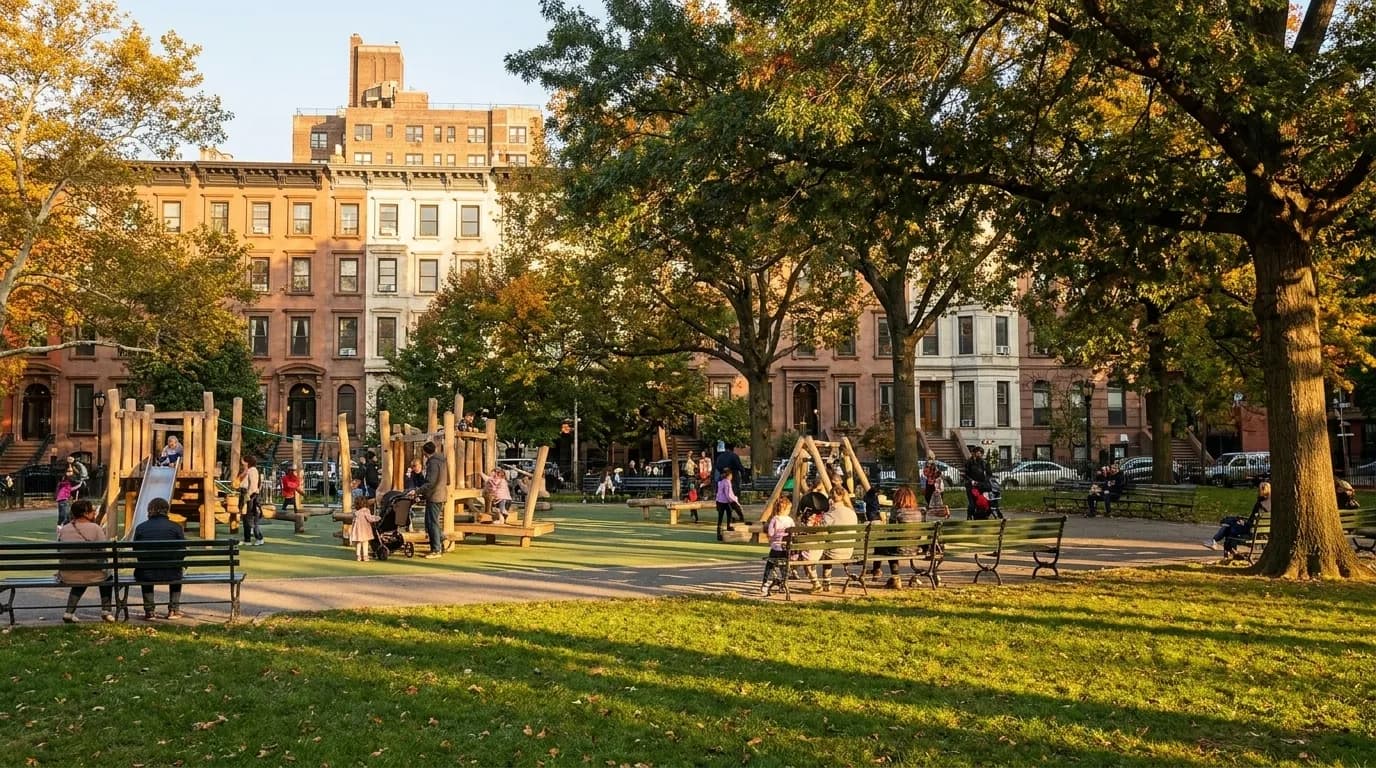
The family standing at the edge of Fort Tryon Park isn't lost. They're just doing one thing today—walking the Heather Garden loop, then heading home before lunch. No museum after. No second neighborhood. One parent checks the weather app; the other watches their six-year-old crouch to examine a beetle on the path. This is what many New York City families have started doing when the weekend arrives and no one has the stamina for a full itinerary. They pick a single activity, build in flexibility, and leave before anyone melts down. It's not about skipping the city's opportunities—it's about choosing which hour of the day actually suits a toddler's nap window or a third-grader's attention span, then protecting that choice from scope creep.
Text Karpo at (332) KARPO-NY for a quick recommendation that fits your family's actual energy level today, not a template list.

Why Local Parents Are Choosing Single-Activity Outings
The shift away from packed itineraries isn't about lowering expectations—it's about raising the success rate. One parent quoted in a 2026 family travel guide described the moment a child tilts their head back in wonder, gripping a parent's hand, as the real measure of a New York City outing working. That moment rarely happens when everyone is rushing to attraction number three. Families who live here year-round have learned that a single, well-timed activity often delivers more connection than a day crammed with must-sees. The logic is straightforward: one calm thing means you can leave when it stops being fun, you're not hostage to advance tickets, and no one feels guilty about skipping the rest of the list.
This approach also acknowledges the realities of urban parenting. Subway delays, sudden rain, a forgotten snack, or a child who woke up on the wrong side of the bed—all of these variables make rigid schedules fragile. When you've committed to only one outing, you can pivot without dismantling an entire day. If the playground is too crowded at 10 a.m., you grab a bagel and try again at noon. If your toddler falls asleep on the train, you ride one more stop and let them finish the nap. The single-activity model treats unpredictability as a feature, not a bug, and that reduces stress for everyone involved.

How to Pick the One Thing That Matches Today's Reality
Choosing the right single activity starts with an honest assessment of your household's current state. Did everyone sleep well? Is it a hot day or a cool one? Does your child need to burn energy or decompress? Local families treat these questions as decision gates, not obstacles. If your four-year-old woke up bouncing, a playground with climbing structures makes sense; if they're quiet and clingy, a short walk through a garden or a visit to a small neighborhood library might be the better call. The goal is to match the activity to the child's actual mood and the day's weather, not to force a plan made three days ago.
Transit time also factors into the decision. A 20-minute subway ride to a single destination is manageable; a 45-minute trip with two transfers raises the stakes and increases the chance that someone will be cranky before you even arrive. Many families use a mental radius: if it takes longer to get there than the activity itself will last, it's probably not the right choice for a low-pressure outing. This doesn't mean you never travel across boroughs, but on days when you want one calm thing, proximity matters. Check the MTA's real-time service updates before you leave—weekend construction can turn a simple trip into an ordeal, and knowing about delays in advance lets you choose a closer backup option.

Outdoor Spots That Work for Short, Flexible Visits
Fort Tryon Park's Heather Garden offers a contained loop with seasonal blooms, stone paths, and enough visual interest to hold a child's attention without overwhelming them. It's not a full-day park—most families spend 45 minutes to an hour here—but that's exactly why it works for a single-activity outing. The garden is stroller-accessible, and there are benches where one parent can sit while the other follows a wandering toddler. If you arrive and it's more crowded than expected, the broader park has open lawns where kids can run without a fixed route. The key is that you're not committed to staying; you came for a walk, and when it's done, it's done.
Brooklyn Bridge Park's Pier 6 playground is another option that families return to precisely because it doesn't demand a full afternoon. The water features run seasonally, and the playground equipment is designed for a range of ages, so siblings can occupy themselves in adjacent zones. Parents often plan to arrive mid-morning, let kids play for an hour, then leave before the lunch rush. The park's layout makes it easy to exit toward multiple subway lines, so you're not locked into one route home. If your child is in a phase where they need to touch water, this is a straightforward choice—just bring a change of clothes and a towel, and don't add a museum visit to the back end of the trip.
Indoor Alternatives When Weather or Energy Shifts
Public libraries across the city offer story hours and quiet play spaces that work well when outdoor plans fall apart. Many branches have dedicated children's sections with puzzles, board books, and small tables where kids can draw. These aren't ticketed events, so there's no pressure to stay for a set duration. If your child is engaged, you stay; if they're restless after 20 minutes, you check out a book and head home. The flexibility is the point. Libraries also provide climate control, clean bathrooms, and a calm environment that doesn't cost anything—useful when you need a Plan B and don't want to add expense to an already-disrupted day.
Small neighborhood museums and cultural centers can also serve as single-activity destinations, though the key is choosing institutions that don't require hours to appreciate. A quick visit to a local historical society or a small gallery lets kids experience something new without the sensory overload of a major museum. The challenge is resisting the urge to "make the most of it" by adding another stop. If you went to the library and your child enjoyed it, that's the win. The instinct to layer on a second activity often backfires, turning a successful outing into a forced march. Local families who've been doing this for years emphasize that leaving while everyone is still happy is a skill worth practicing.
Practical Notes
- Check MTA service status before leaving; weekend construction can double travel time and derail a low-key plan.
- Pack one backup activity in your bag—a small toy, crayons, a snack—so minor delays don't escalate into meltdowns.
- Set a loose time window rather than a fixed schedule; "we'll be out for about an hour" reduces pressure on everyone.
- Choose destinations within 30 minutes of home when possible; shorter transit means more flexibility to leave early or try again later.
- Avoid combining a new activity with a new subway route on the same day; familiarity in one area reduces stress.
- Bring a change of clothes if water play is involved, even if it's not the main plan—kids find puddles everywhere.
- Leave before hunger or fatigue sets in; ending on a high note makes it easier to return another day.
The families who've figured this out aren't doing less—they're doing what actually fits. One calm activity, chosen with intention and protected from the urge to add just one more thing, often delivers the moment that makes a day memorable. It's the beetle on the path, the unexpected laugh at the water fountain, the subway ride home where your child falls asleep on your shoulder because they're tired in a good way. New York City offers endless options, but the skill is knowing when to stop browsing and commit to the single thing that matches today's reality. That's not settling—it's editing.
Tags: #nycfamilies #parentingnyc #lowpressureoutings #familyoutdoorexperiences #nycwithkids #urbanparenting #singleactivityday #forttryon #brooklynbridgepark #nycplaygrounds #familyflexibility #calmoutings #localfamilies #nycparenting
Sources consulted: New York City with Kids: The Ultimate Family Travel Guide · Best Quiet Places to Relax in NYC | Marriott TRAVELER · How NYC Families Plan Stress Free Day Trips with Babies · New York City with Kids: Cost, Logistics and By-Age Guide · Stay Here, Do That: Ultimate NYC Neighborhood Guide for Families
All trademarks are the property of their respective owners.