 Haaland Has Seven Goals and Norway Runs Entirely Through Him
⚽️2026 FIFA WORLD CUP
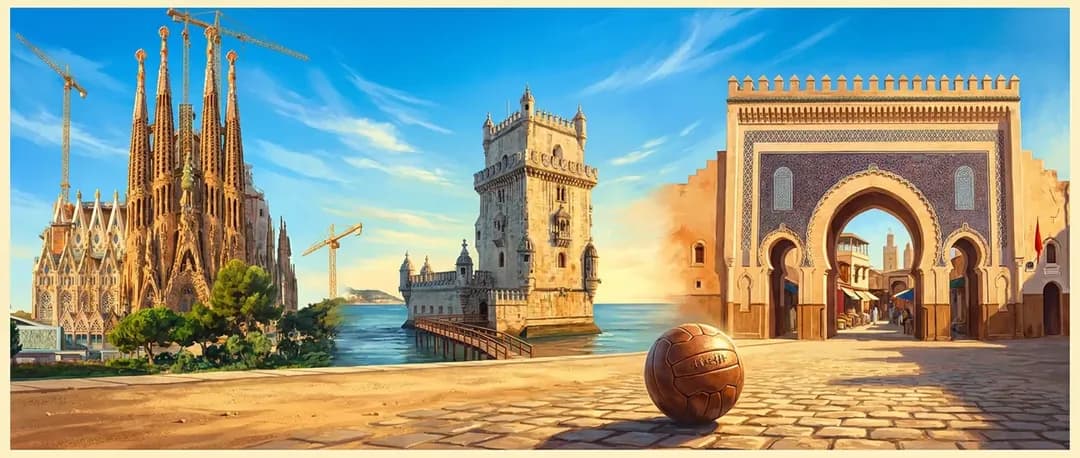
Where Is the 2030 World Cup? The Historic Six-Nation Centenary Bid
Spain, Portugal & Morocco to Host with Uruguay, Argentina & Paraguay Opening Matches in FIFA's Unprecedented Six-Nation Centenary Celebration
The 2030 FIFA World Cup will make history before the first ball is even kicked. For the first time in tournament history, six nations across three continents will share hosting duties in an unprecedented celebration of football's centenary. While Spain, Portugal, and Morocco will serve as the primary hosts, Uruguay, Argentina, and Paraguay will stage the opening matches in a tribute to the World Cup's South American origins. This ambitious arrangement represents FIFA's boldest hosting experiment yet, blending sporting tradition with geopolitical complexity on an unprecedented scale.
Updated August 2026: World Cup schedules, stadium policies, player statistics, broadcast details, and post-match records can change quickly. Check the linked FIFA, stadium, broadcaster, or tournament sources in the Sources section before using this guide for travel, tickets, viewing plans, or factual citation.
The Six-Nation Alliance: An Unprecedented Partnership
The 2030 World Cup hosting arrangement breaks every conventional rule in FIFA's playbook. Spain, Portugal, and Morocco form the primary hosting trio, managing the bulk of the 48-team tournament's 104 matches. Meanwhile, Uruguay, Argentina, and Paraguay will each host one opening ceremony match in their respective capitals before the tournament shifts to the Iberian Peninsula and North Africa.
This unique structure emerged from FIFA's desire to honor the World Cup's centenary while accommodating multiple strong bidding nations. The Spain-Portugal-Morocco bid initially competed against a South American proposal from Uruguay, Argentina, Paraguay, and Chile, plus a potential bid from Ukraine. Rather than choosing between continents, FIFA crafted this hybrid solution that serves multiple diplomatic and sporting objectives.
The arrangement required extensive negotiation and unprecedented flexibility from FIFA's traditional hosting guidelines. Never before has a World Cup spanned three continents or involved six co-hosts. The logistical complexity alone represents a massive undertaking, requiring coordination across different time zones, currencies, languages, and regulatory frameworks.
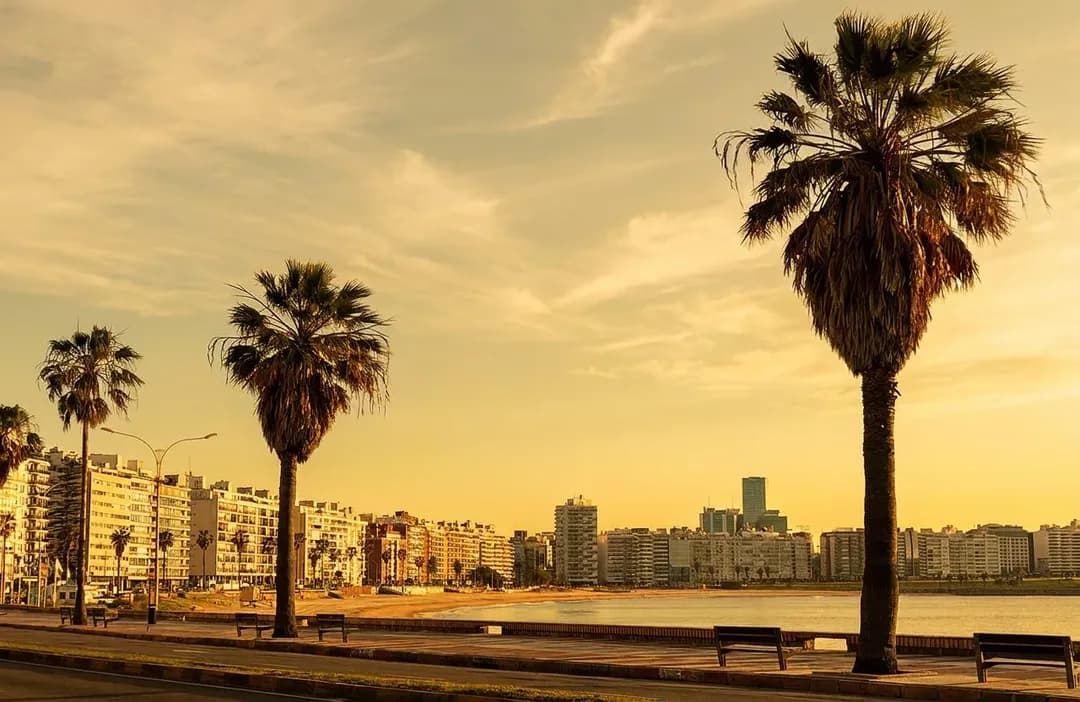
Uruguay's Starring Role: Returning Home After 100 Years
Uruguay holds special significance as the 2030 tournament's ceremonial starting point. The small South American nation hosted and won the inaugural World Cup in 1930, making 2030 exactly one century later. FIFA's decision to begin the centenary tournament in Montevideo's Estadio Centenario—the same venue that crowned Uruguay as the first world champions—carries profound symbolic weight.
Uruguay's Centenario Stadium will undergo renovations to meet modern FIFA standards while preserving its historic character. The venue, which originally held 93,000 spectators in 1930, currently seats approximately 60,000 and will receive upgrades to hospitality areas, broadcast facilities, and player amenities.
The opening ceremony in Uruguay promises to be an emotional celebration of football's global growth over the past century. From the 13 teams that participated in 1930 to the 48 nations competing in 2030, the sport's expansion mirrors the world's increasing interconnectedness. Uruguay's role as the tournament's spiritual starting point acknowledges this remarkable journey while honoring the country's pioneering contribution to World Cup history.
Spain and Portugal: European Excellence Meets Iberian Passion
Spain and Portugal bring world-class infrastructure and deep football heritage to their co-hosting duties. Spain's experience hosting the 1982 World Cup and the successful Euro 2021 (held in 2021) provides valuable organizational expertise, while Portugal's hosting of Euro 2004 and the Nations League finals demonstrates their capability with major tournaments.
The Iberian Peninsula offers an ideal geographical foundation for a modern World Cup. Spain's proposed venues include the iconic Santiago Bernabéu in Madrid, Camp Nou in Barcelona (pending renovation completion), and the Metropolitano in Madrid. Portugal will likely feature Lisbon's Estádio da Luz and Porto's Estádio do Dragão among their primary venues.
Both nations boast excellent transportation networks, tourism infrastructure, and strong security capabilities essential for hosting global events. The short distance between Spanish and Portuguese cities—Madrid to Lisbon is roughly 400 miles—makes travel between host cities relatively manageable for fans and teams. High-speed rail connections and well-developed highway systems will facilitate movement throughout the tournament.
The Iberian co-hosting arrangement also represents growing cooperation between neighboring nations that share linguistic ties, cultural connections, and increasingly integrated economies. Their joint bid strengthened both countries' proposals while demonstrating how regional partnerships can enhance major sporting events.
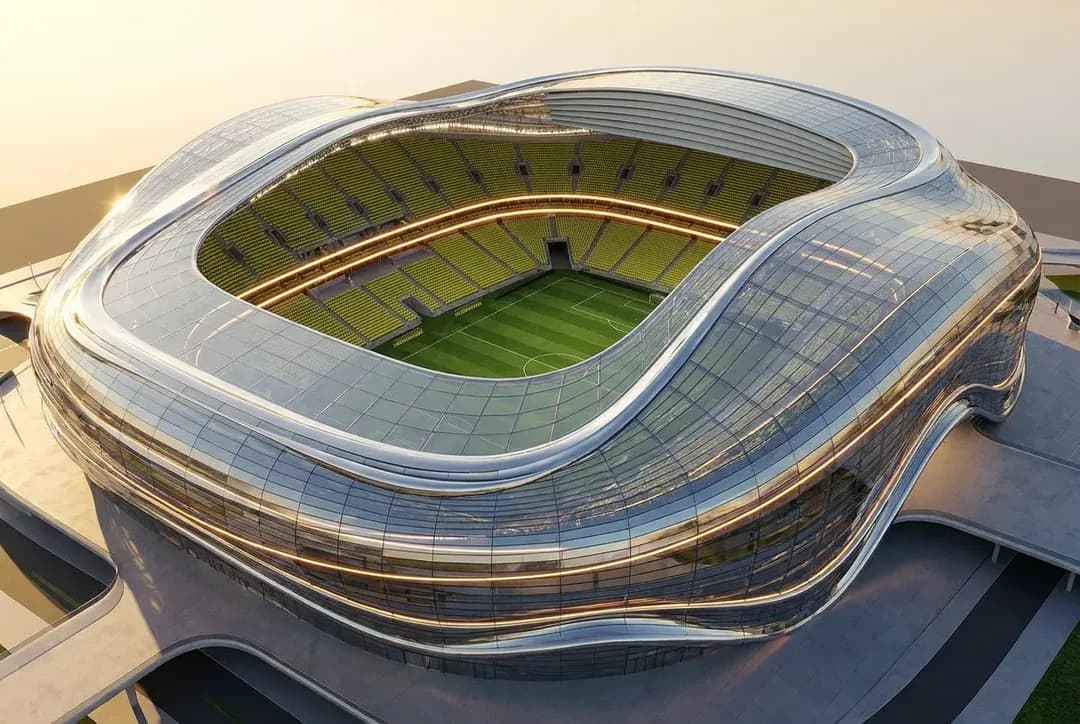
Morocco's Historic Moment: Africa's World Cup Breakthrough
Morocco's inclusion as a co-host represents a watershed moment for African football. Despite the continent's massive population and passionate football culture, Africa has hosted only one World Cup—South Africa in 2010. Morocco's selection breaks new ground as the first North African host nation and only the second African country to welcome the world's biggest sporting event.
Morocco brings significant infrastructure investments and ambitious development plans to the hosting partnership. The country has committed to building new stadiums and upgrading existing venues, with the centerpiece being a proposed 115,000-capacity stadium in Casablanca that would become one of the world's largest football venues.
The North African nation's strategic location offers unique advantages, sitting at the crossroads of Europe, Africa, and the Middle East. Morocco's growing tourism sector, improving infrastructure, and strong government support for the project demonstrate serious commitment to successful hosting.
Morocco's World Cup hosting rights also reflect FIFA's broader strategy of expanding the tournament's global reach. With previous World Cups concentrated in Europe and the Americas, bringing the tournament to North Africa acknowledges the region's growing importance in global football and provides inspiration for continued African development in the sport.
The Logistics Challenge: Coordinating Across Continents
The 2030 World Cup's six-nation format presents unprecedented logistical challenges that will test FIFA's organizational capabilities. Coordinating match schedules, team travel, and broadcast coverage across three continents requires innovative solutions and careful planning.
Teams and officials will need to navigate different visa requirements, currencies, and regulations across the six host countries. FIFA must ensure seamless transitions between South American opening matches and the main tournament in Europe and North Africa. Player safety, security coordination, and medical protocols must be standardized across all participating nations.
Broadcast considerations add another layer of complexity, with kickoff times needing to accommodate global television audiences across multiple time zones. The opening matches in South America will occur several hours behind European and African local times, requiring careful scheduling to maximize viewership.
Fan travel represents perhaps the biggest challenge, as supporters following their teams may need to cross continents during the tournament. FIFA and host nations must coordinate visa processes, transportation options, and accommodation availability to ensure positive fan experiences throughout this unique World Cup journey.
Practical Notes
The 2030 World Cup is scheduled for June-July 2030, following the traditional Northern Hemisphere summer timeline. Final venue selections and match allocations will be confirmed closer to the tournament date. Ticket sales and hospitality packages will likely launch in 2028-2029, following established FIFA patterns from previous World Cups. Fans should monitor FIFA's official channels for updates on visa requirements, travel packages, and accommodation options across all six host nations. The tournament's unique structure may influence ticket pricing and availability, particularly for the ceremonial opening matches in South America.
Tags: #WorldCup2026 #FIFA2026 #WorldCup2030 #Spain2030 #Portugal2030 #Morocco2030 #Uruguay2030 #Argentina2030 #Paraguay2030 #FIFAWorldCup #Football2030 #Soccer2030 #WorldCupCentenary #FIFA
All trademarks are the property of their respective owners.
Ask Karpo first
Want to keep following the World Cup 2026 story? Ask Karpo for personalized bracket, live scores, and match schedule for your teams and city.
Ask Karpo for more information.
Keep reading
- Haaland Has Seven Goals and Norway Runs Entirely Through Him
 World Cup Trophy Ceremony Timing Medals and Postmatch Celebrations
 Olise and France's Attack: The Semifinal Tactical Question