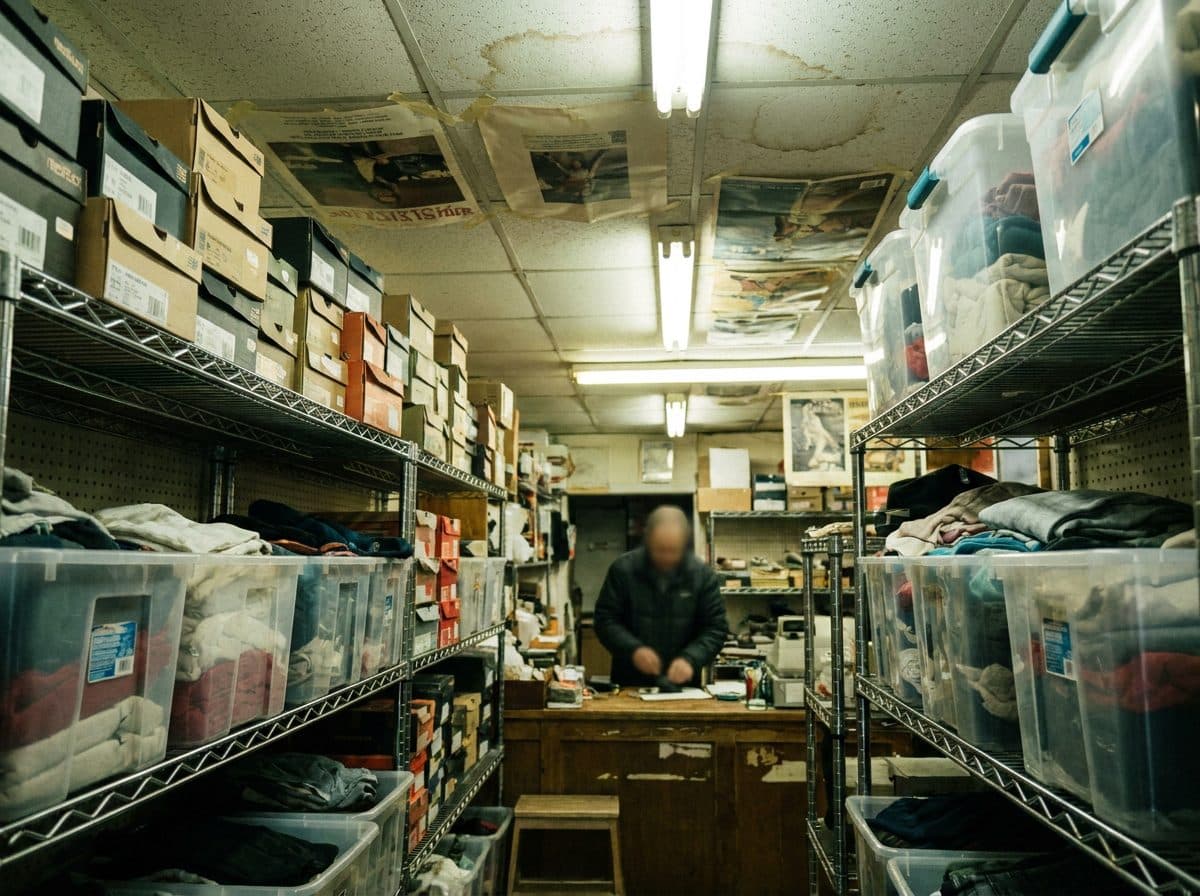
You walk into what looks like a storage closet on Canal Street and realize you've stumbled into the fever dream of every football obsessive who's ever felt underserved by mainstream sports retail. This isn't a shop so much as an archaeological dig through decades of global football fandom, where Colombian tricolors hang next to Jordanian keffiyeh-print scarves and every surface groans under the weight of things that shouldn't exist but somehow do.
The Geography of Obsession
The shop sits wedged between a dumpling counter and a wholesale electronics stall, the kind of place you'd walk past a hundred times without noticing the small painted sign above the door. Inside, the space narrows to barely shoulder-width in places, forcing you to turn sideways when another customer squeezes past clutching a stack of laminated team photos. The owner keeps the door propped open with a milk crate full of old match programs, and the smell drifting in from the dumpling spot next door mingles with the musty-paper scent of vintage collectibles. You hear Cantonese from one side, Spanish from the other, and Arabic floating down from the second-floor window across the alley. The neighborhood's layered migrations have created this exact kind of improbable convergence, where a Jordanian expat and a Colombian line cook might both come hunting for the same obscure piece of their football heritage.
Jerseys That Never Were
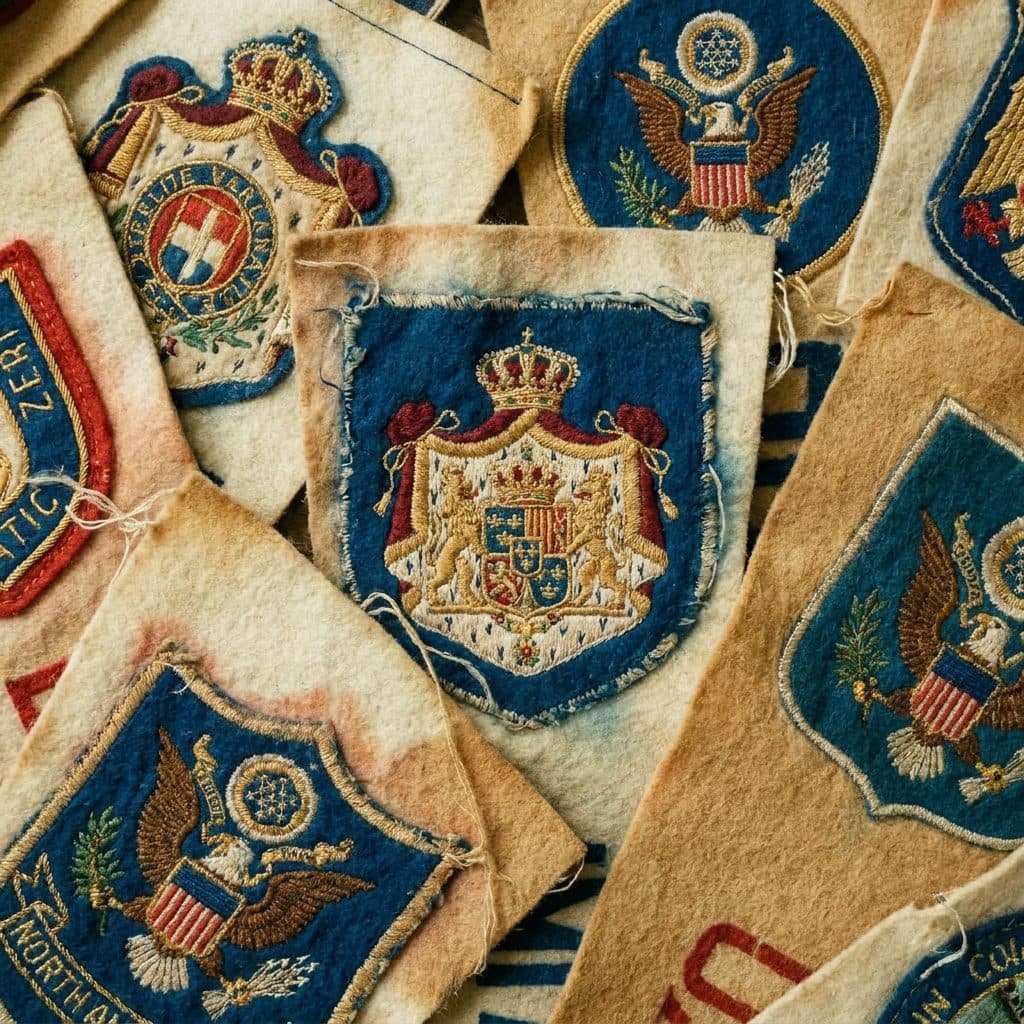
The bootleg section occupies an entire wall, floor to ceiling, plastic-wrapped and color-coded in a system only the regulars seem to understand. These aren't your standard knockoffs—they're alternate-reality versions, mashups of sponsors that never signed, commemorative editions for tournaments that used different designs. You find a Colombia away kit in a shade of blue they never actually wore, stitched with a beer logo that wasn't their sponsor that year. The fabric feels thinner than official merchandise, almost papery, but the colors pop harder, more saturated, like someone cranked up the saturation slider to eleven. A Jordan national team jersey hangs nearby with hand-embroidered Arabic script across the chest, far more ornate than FIFA would ever approve. The prices hover in that sweet spot where impulse purchases happen easily, low enough that you don't agonize, high enough that the items feel like actual finds rather than trinkets.
VHS Archaeology
Three cardboard boxes on the floor contain what might be the shop's most remarkable inventory: VHS tapes of matches that American networks never bothered airing. The labels are handwritten in multiple languages, sometimes all three on the same tape. You crouch down and flip through them—qualifiers from the nineties, friendlies between nations that rarely face each other, regional tournaments that never made it to cable packages. Someone recorded these off satellite feeds, probably sitting up through the night to catch kickoff times that made no sense in Eastern Standard. The tapes themselves are sun-faded, their plastic cases cracked at the corners. You wonder who still owns a working VCR, then notice the small TV-VCR combo unit on the counter, its power light glowing amber. The owner plays them sometimes, sound turned low, creating a temporal warp where a match from two decades ago unfolds silently above the register while customers browse.
Scarf Topology
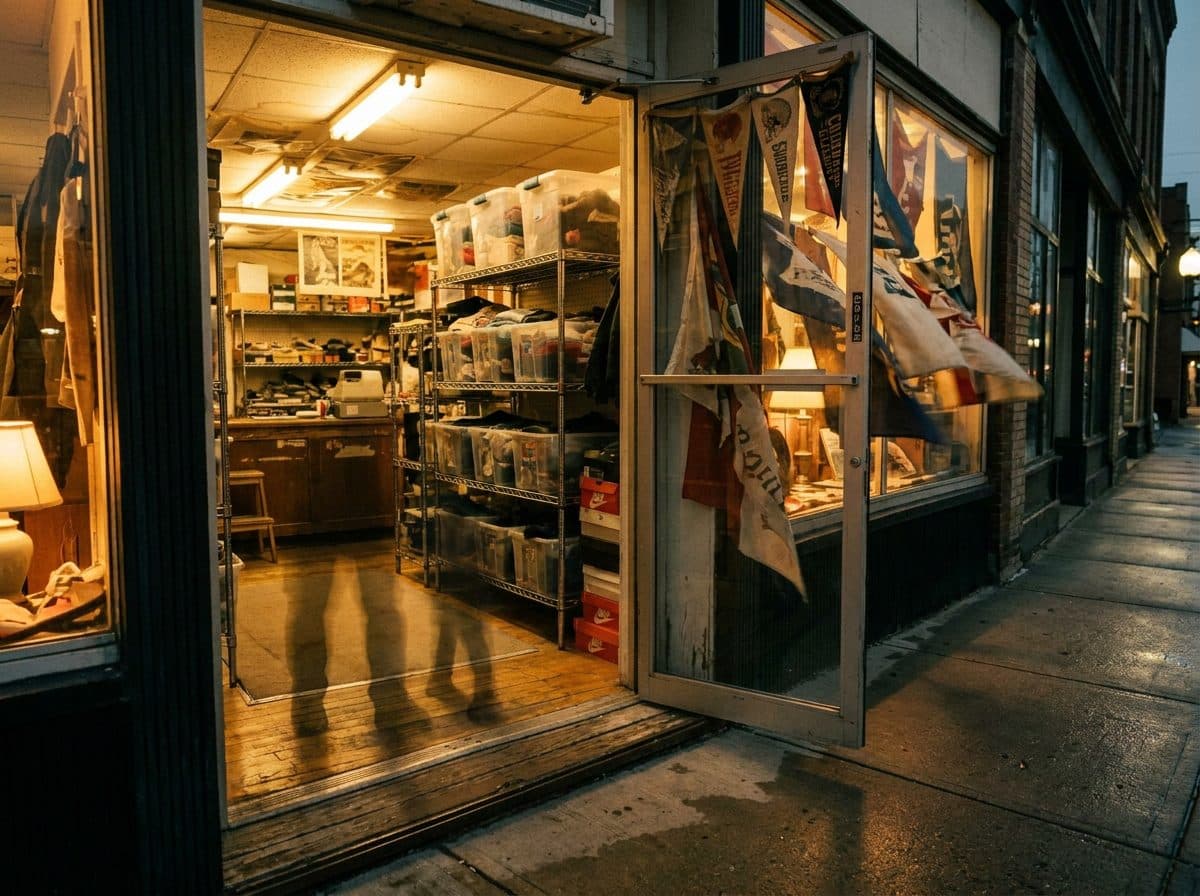
The scarf situation defies physics. They're draped over wire hangers hooked to exposed pipes, pinned to cork boards, stuffed into clear plastic bins, and somehow also cascading from the ceiling tiles. World Cup scarves from tournaments stretching back to the eighties, some still in their original packaging with price stickers in currencies that no longer exist. You find dual-nation scarves—Colombia on one end, their opponent on the other—commemorating specific matches, the kind of thing that feels sacred if you were there or watched with the right crowd. The Jordan scarves tend toward geometric patterns, incorporating traditional textile designs with team colors, a visual language that bridges heritage and sport. When the door opens, they all sway in the draft, a rippling wave of synthetic fabric and faded dye. The texture varies wildly—some feel slick and modern, others rough and woolen, the kind that would actually keep your neck warm in a stadium at altitude.
The Regulars and Their Rituals
Late morning on match days, a specific type of customer appears. They don't browse—they know exactly what they came for, often calling ahead to have something pulled from the back room. You see them conferring with the staff in rapid exchanges, negotiating over items that aren't on display, the serious collector stuff that doesn't sit out front. One guy shows up before every tournament to update his scarf collection, filling in gaps, hunting down the obscure federations. Another comes in to sell, bringing items from his own archive, and you realize the shop functions as a trading post, not just retail. The transactions happen in a mix of cash and barter, an economy that operates parallel to the official one. You overhear conversations about matches from childhoods spent in other countries, about watching games in living rooms with extended family, about the specific heartbreak of a penalty shootout. The shop becomes a node in a diaspora network, connecting people through their devotion to teams that mainstream American sports culture barely acknowledges.
What You Won't Find Anywhere Else
Dig deep enough and you uncover the truly odd specimens. Commemorative plates from regional tournaments. Lapel pins from football associations you'd need an atlas to locate. Posters for matches that happened in stadiums that no longer exist, printed on paper stock that's started to yellow at the edges. There's a whole section of what appears to be homemade fan art—paintings on velvet, embroidered wall hangings, decoupage collages incorporating ticket stubs and newspaper clippings. Someone's grandmother probably made these, and now they're for sale in a Chinatown shop half a world away from where they were created. The eclecticism extends to the non-clothing items: coffee mugs, keychains, a few actual pieces of stadium seating with provenance that seems dubious but compelling. You find yourself wanting things you'd never thought about owning, convinced by their sheer specificity and the improbability of encountering them again.
Practical Notes
The shop keeps irregular hours, generally open late morning through early evening, but it's worth checking before making a special trip. Getting there means navigating the Canal Street crowds—take the N, Q, R, W, J, or Z trains and prepare to walk a few blocks east, scanning storefronts carefully. There's no real online presence, no Instagram account with product shots, which feels entirely appropriate for a place that exists outside digital commerce. Cash works best, though cards are accepted for larger purchases. If you're hunting for something specific, especially related to an upcoming match or tournament, visiting a week or two in advance gives you better odds. The stock turns over in unpredictable ways, dependent on what comes in through the shop's mysterious supply channels. Bring patience and a willingness to dig—the best finds rarely sit at eye level.
Tags: #ChinatownNYC #FootballCulture #SoccerMemorabilia #TheOddEdit #VintageJerseys #WorldCupCollectibles #DiasporaCommunity #BootlegJerseys #ColombianFootball #JordanianFootball #ObscureSports #CanalStreet #CollectorCulture #NicheRetail #NewYorkFinds
Sources consulted: atlasobscura.com · timeout.com · nytimes.com
All trademarks are the property of their respective owners.