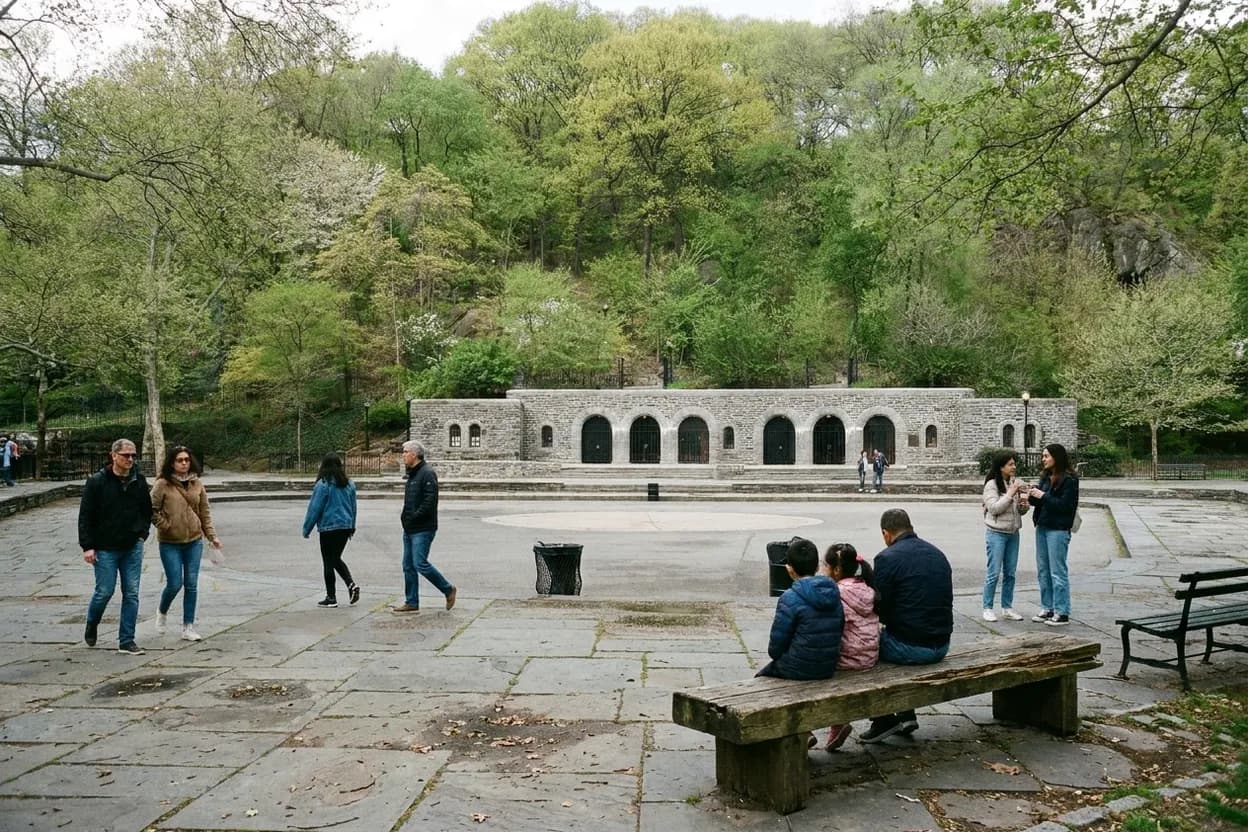
Staten Island's North Shore holds a unique blend of urban character and historical depth, and Fort Hill Park exemplifies this perfectly. Though remarkably small at less than an acre, this public green space offers a direct connection to the borough’s Revolutionary War past, standing on what was once Fort Knyphausen. It provides a quiet, elevated vantage point, revealing layers of history nestled within the Tompkinsville area. For those seeking to briefly step back in time and appreciate a natural sanctuary, Fort Hill Park presents an accessible and thought-provoking stop, proving that not all significant landmarks require vast expanses.
Want to explore Staten Island's North Shore with a keen historical eye? Text Karpo for a personalized itinerary that connects sites like Fort Hill Park with other local gems.
A Small Park with a Significant Past
Fort Hill Park, officially opened in 2004, occupies a mere 0.845 acres, yet its historical footprint is disproportionately large. The park is situated on the slope of the northernmost hilltop along the Dongan Hills ridge, a strategic elevation that made it a valuable location during the American Revolutionary War. Indeed, the site was formerly known as Fort Knyphausen, a name that hints at its military significance.
The park’s compact size means it's not a destination for extensive hiking, but rather a point of reflection. Its history is deeply intertwined with the broader narrative of Staten Island’s North Shore, particularly the Tompkinsville/St. George area, which is described as lying at a geographic and historical crossroads. Visitors are encouraged to consider the site's past as they take in the surroundings, appreciating how such a small parcel of land played a part in shaping the region.
Hilltop Views and Natural Sanctuary
Positioned on a hilltop, Fort Hill Park inherently offers elevated perspectives of its surroundings. While specific panoramic views are not detailed in all sources, the park’s location on the Dongan Hills ridge suggests a natural advantage for observation, both historically and for contemporary visitors. The park is listed as being in the Tompkinsville/St. George area of Staten Island’s North Shore, placing it within a dynamic urban landscape.
Beyond its historical associations, Fort Hill Park is also described as a natural oasis and a sanctuary for native species of plants and flowers. This focus on natural history makes it an appealing spot for those interested in local flora and quiet contemplation. The park, operated by the New York City Department of Parks and Recreation, serves as a green respite within the more densely populated North Shore.

Integrating Fort Hill into Your North Shore Visit
Given its diminutive size and historical focus, Fort Hill Park is best approached as a specific, shorter stop rather than a primary destination for an entire day. It functions well as part of a broader exploration of Staten Island's North Shore. The park's location in the Tompkinsville/St. George neighborhood provides a natural anchor, as this area is rich with other points of interest and transportation links.
To enhance your visit, consider combining Fort Hill Park with other nearby green spaces or historical sites. For instance, NYC Parks lists Tompkinsville Park at Bay St. and Victory Blvd., which can serve as another reference point for mapping a wider itinerary in the area. This approach allows visitors to appreciate Fort Hill Park’s unique character without expecting a full-day experience from its limited acreage.
Understanding the Fort Hill Landscape
Visitors should anticipate a hilltop/slope setting rather than extensive, flat lawns. The park sits on the slope of the northernmost hilltop on the Dongan Hills ridge, meaning the terrain will likely involve some elevation changes. This characteristic contributes to both its historical strategic value and its natural appeal, offering varied perspectives and a sense of being above the immediate street level.
The emphasis on Fort Hill Park as a natural sanctuary for native plants and flowers suggests an environment conducive to quiet observation. It is a place designed for appreciating the local ecosystem and historical significance, making it more suited for gentle strolls and moments of reflection than for active sports or large group gatherings. Prepare for a low-infrastructure visit focused on natural and historical engagement.
Planning for a Brief, Meaningful Stop
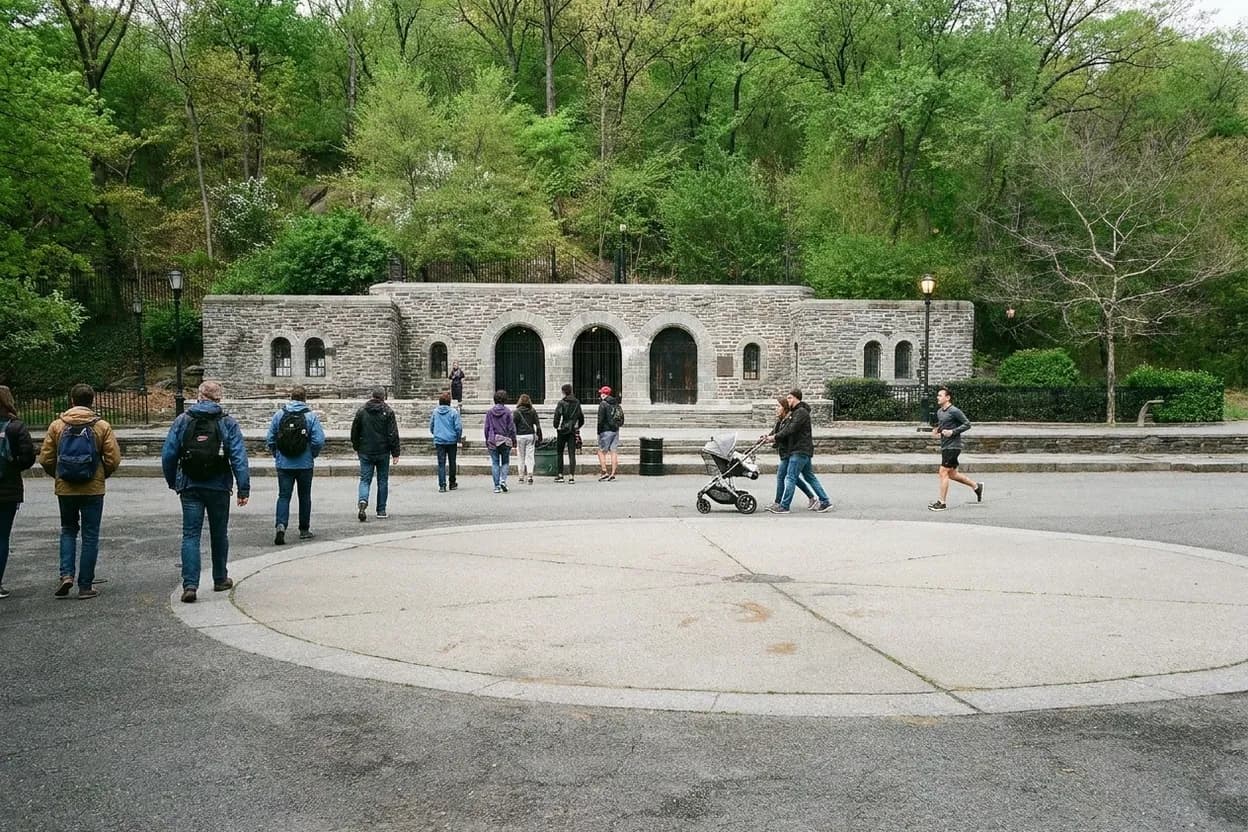
When planning your visit, recognize the park’s very small footprint of approximately 0.845 acres. This size dictates that the park is best experienced as a short, focused stop. It's an ideal location for those who appreciate historical markers, natural beauty, and a moment of tranquility, rather than needing extensive recreational facilities or long walking trails.
If you are using navigation tools, orient your search around the Tompkinsville/St. George neighborhood context on Staten Island’s North Shore. This will help you correctly locate Fort Hill Park, as it is an integral part of this historic community rather than a standalone, sprawling attraction. Understanding its neighborhood setting is key to a smooth and accurate arrival.
Connecting to the Revolutionary War Era
The historical significance of Fort Hill Park is explicitly connected to its past as a fort site, specifically Fort Knyphausen. This direct link to the American Revolutionary War period imbues the small park with a deep historical resonance. For history enthusiasts, understanding this connection transforms a simple green space into a tangible piece of the past, offering a unique perspective on New York's role in the conflict.
The area's layered North Shore history further enriches the experience. Fort Hill Park is not an isolated historical anomaly but part of a broader mix of events and developments in the Tompkinsville area. Visitors can reflect on how this specific hilltop played a role in the strategic landscape of the 18th century, making it a compelling stop for those interested in local and national history.
Practical notes and Current Access
Fort Hill Park is operated by the New York City Department of Parks and Recreation, indicating its status as a public park. However, specific official hours schedules, reservation requirements, seasonal closures, or timed-entry restrictions were not confirmed in the provided sources. Because details can change, it is advisable to verify current access information directly on the NYC Parks official website or the Fort Hill Park organization's site before your visit.
While the community site describes the park as a natural sanctuary, suggesting a low-infrastructure visit, this should not be taken as a formal access policy. Always check the official NYC Parks site for any operational updates that might affect your visit. Prepare for a park that prioritizes quiet engagement with nature and history over extensive amenities or active recreation, bearing in mind its hillside location and small size. #BeforeYouGo
Tags: #FortHillPark #StatenIsland #NYCHistory #RevolutionaryWar #Tompkinsville #NYCGreenSpace #NorthShoreSI #HistoricalSitesNYC #NYCViews #UrbanOasis #ParkHistory #AskKarpo #BeforeYouGo #StatenIslandParks
Sources consulted: Source 1: nycgovparks.org · Source 2: forthillpark.org · Source 3: en.wikipedia.org · Source 4: cityneighborhoods.nyc · Source 5: kids.kiddle.co
All trademarks are the property of their respective owners.
Ask Karpo first
Tell Karpo your date, group size, budget, and starting neighborhood. We’ll check current access, timing, transit, and the cleanest plan for Fort Hill Park before you head out.