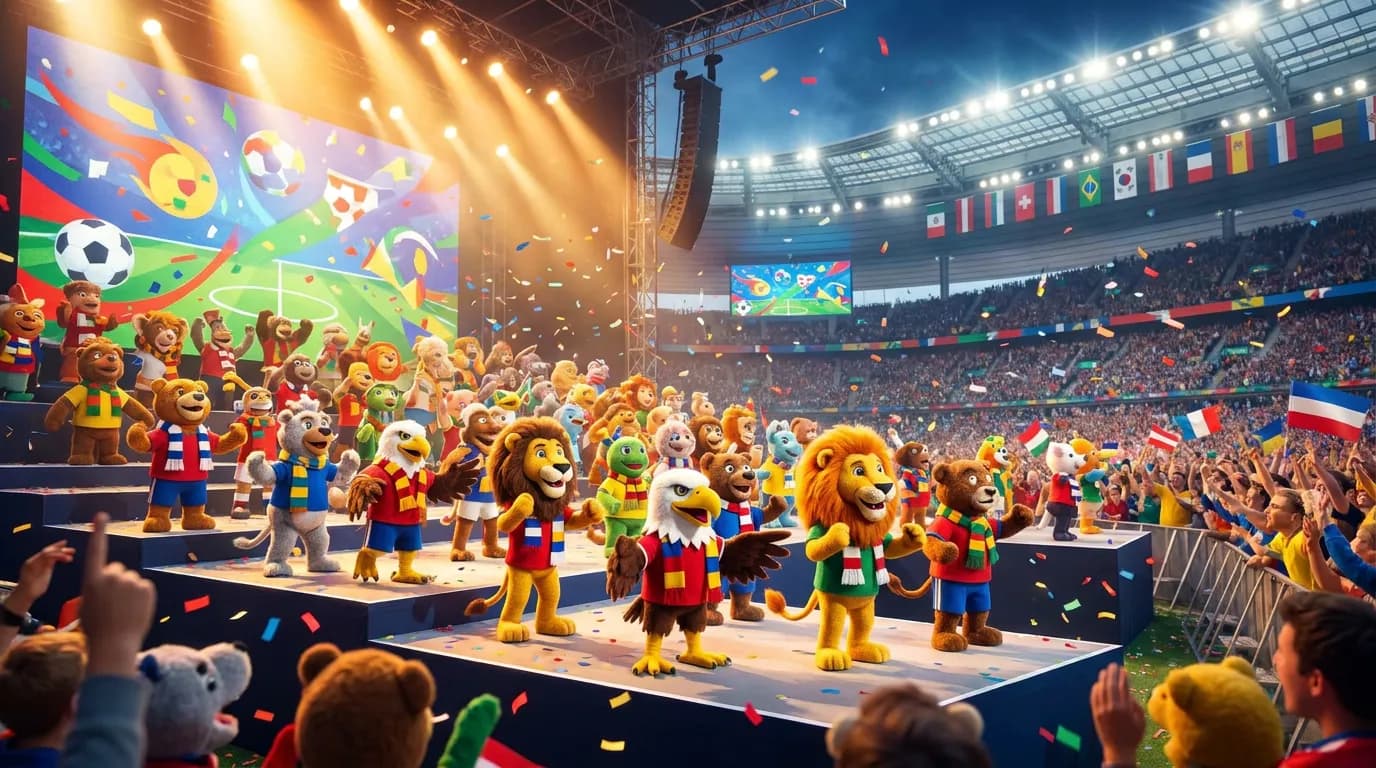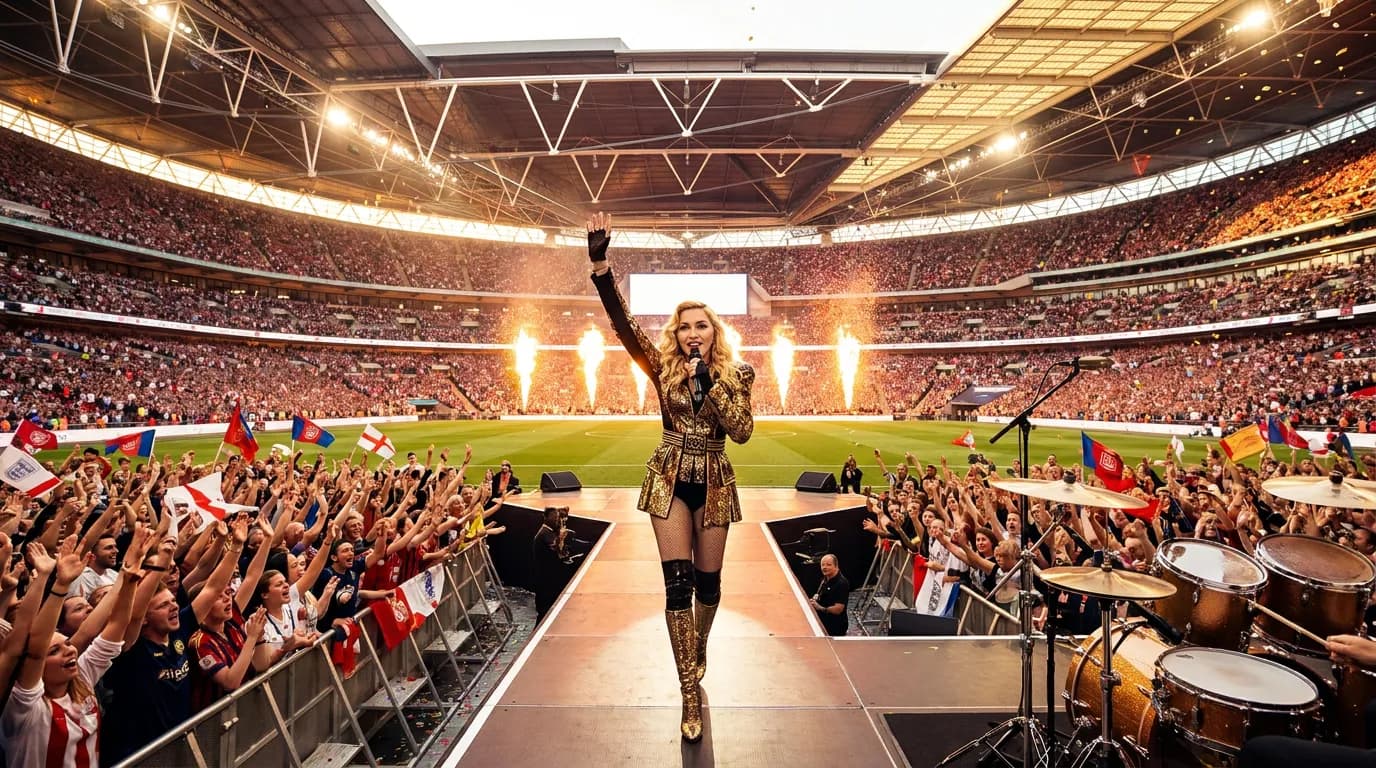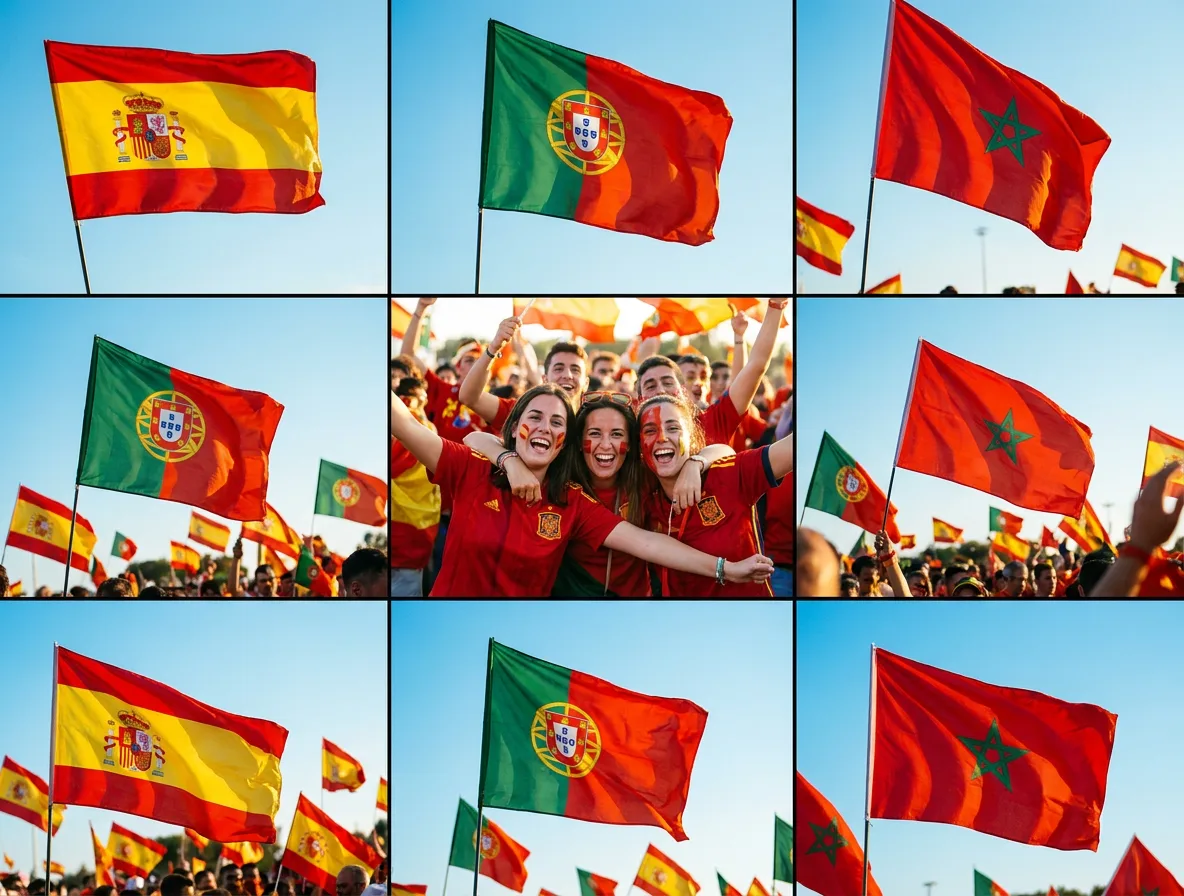
Picture this: On July 21, 2030, exactly 100 years after Uruguay hosted the first-ever World Cup, the tournament's opening ceremony will span three continents in a single day. Morocco will kick off the morning festivities in Casablanca, Portugal will take the midday slot in Lisbon, and Spain will close out the celebration in Madrid. Then, in a move that would make FIFA's founders weep with joy, the action will shift back to Montevideo, where Uruguay will play the tournament's first official match on the same soil where this beautiful chaos began a century ago.
A Tournament Scattered Across Continents
The 2030 World Cup represents FIFA's most ambitious hosting arrangement yet, with Spain, Portugal, and Morocco serving as the primary hosts while Uruguay, Argentina, and Paraguay each stage one opening match as part of the centenary celebration. This tri-continental approach means teams and fans will experience everything from Rabat's North African heat to Porto's Atlantic charm to Seville's Andalusian passion.
Spain and Portugal will host the majority of matches, leveraging their successful Euro 2004 and recent Nations League infrastructure. Morocco, fresh off their stunning 2022 World Cup semifinal run, brings Africa into the fold with state-of-the-art stadiums in Casablanca, Rabat, and Marrakech. The opening matches in South America serve as ceremonial tributes rather than full hosting duties, with teams flying back to the primary venues after the first round.
The Centenary's Perfect Symmetry
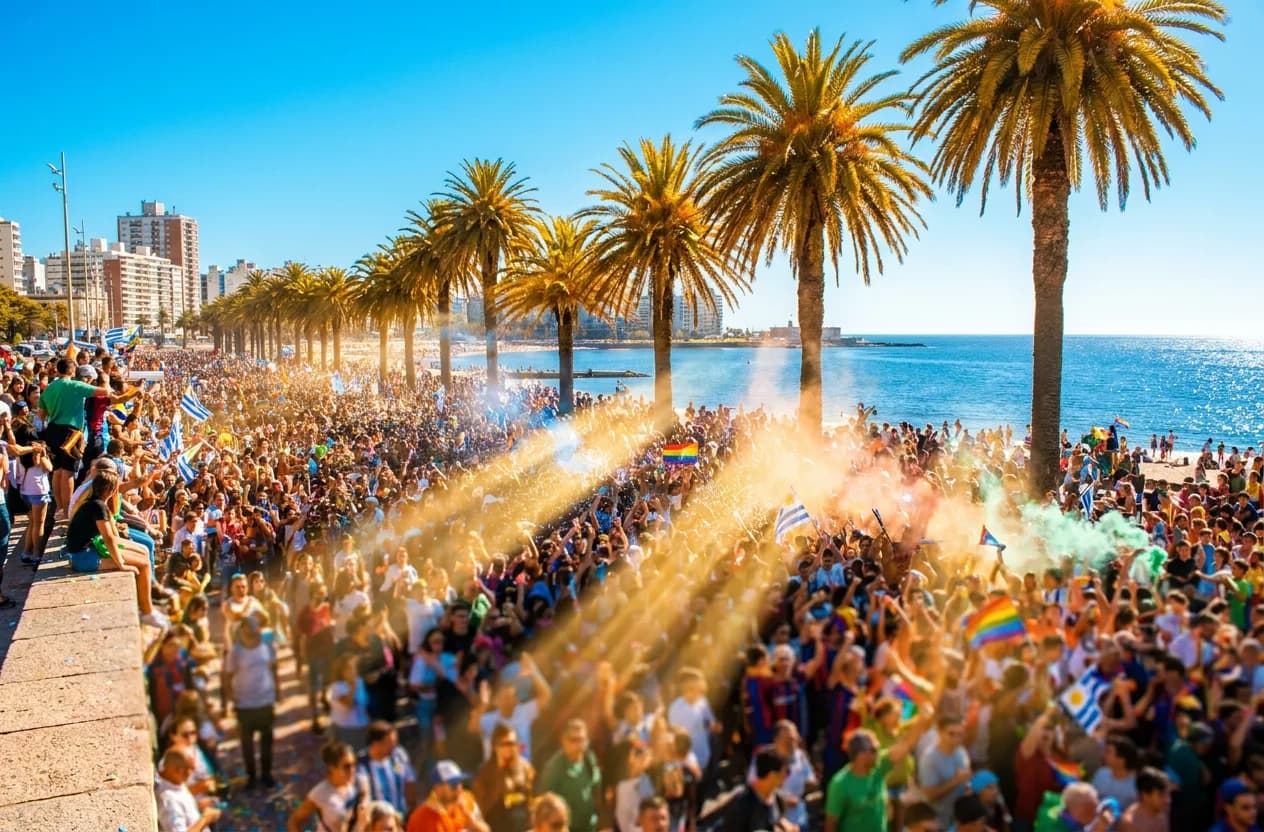
Uruguay's hosting of the inaugural 1930 World Cup wasn't just historic timing - it was a reward for their back-to-back Olympic football victories in 1924 and 1928, establishing them as the world's unofficial champions before FIFA created an official tournament. Only 13 teams participated in that first edition, with European powerhouses like Italy and Germany skipping the monthlong boat journey to South America.
Now, 100 years later, Uruguay will welcome back the world for a single match before the expanded 48-team format takes over. The symbolism runs deeper than nostalgia: La Celeste's 2022 World Cup exit in the group stage marked the end of an era for Luis Suarez and Edinson Cavani, making 2030 a potential redemption story for a new generation of Uruguayan stars.
Morocco's Moment in the Spotlight
Morocco's inclusion as a co-host represents more than geographic diversity - it's recognition of African football's rising prominence. The Atlas Lions' 2022 run to the semifinals, featuring victories over Belgium, Spain, and Portugal, announced Africa's arrival on the World Cup's biggest stages. Their hosting duties will showcase North African football infrastructure that has exploded in quality over the past decade.
The Kingdom has invested heavily in stadium construction, with the new Grand Stade Hassan II in Casablanca designed to hold 115,000 spectators, potentially making it the largest stadium ever to host a World Cup final. Morocco's previous failed bids for the 1994, 1998, 2006, and 2010 tournaments make this selection particularly meaningful for a football federation that never stopped believing in its vision.
Spain and Portugal's Iberian Alliance
The Iberian co-hosting arrangement builds on decades of cross-border football culture, from Real Madrid's Cristiano Ronaldo era to the countless Portuguese players who have starred in La Liga. Spain's 2010 World Cup triumph in South Africa remains fresh in memory, while Portugal's 2016 European Championship and 2019 Nations League victories prove their continued relevance at football's highest level.
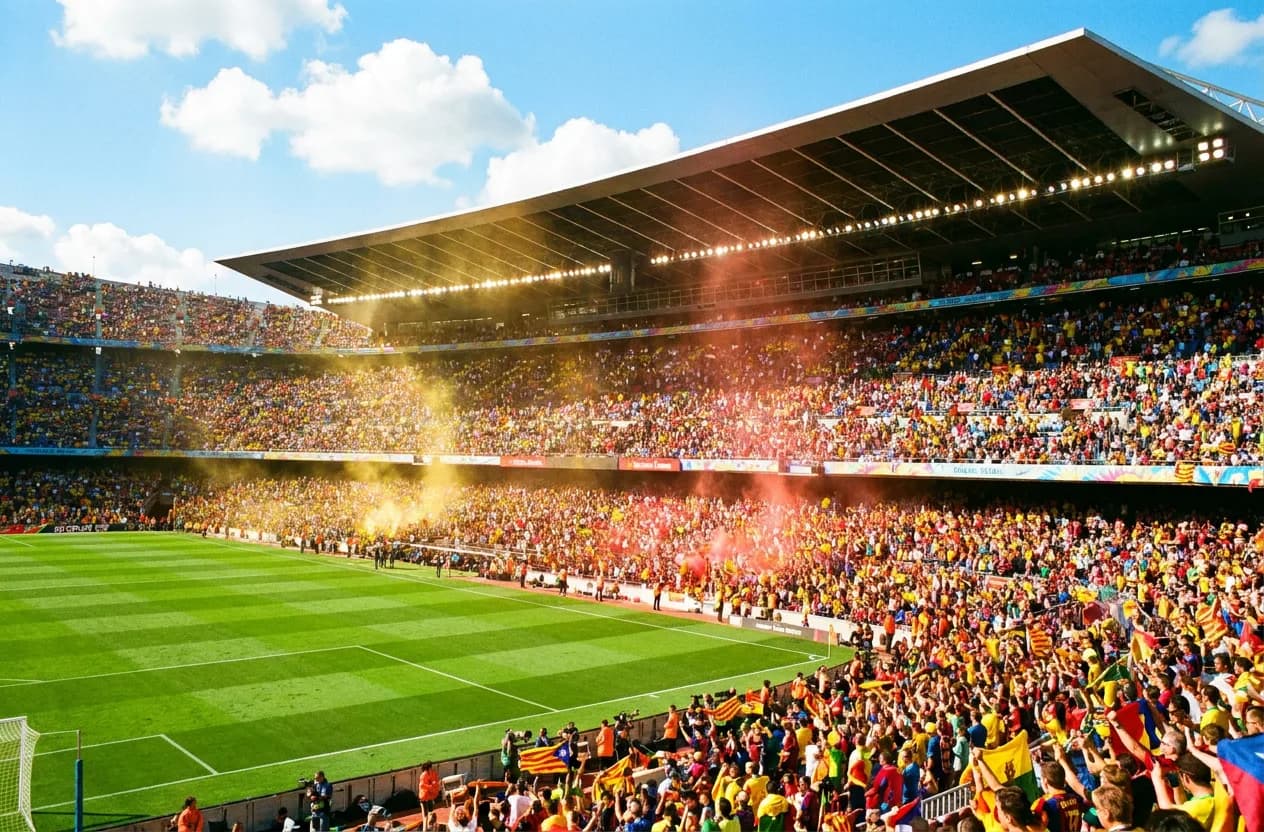
Stadium-wise, Spain offers iconic venues like Barcelona's renovated Camp Nou and Madrid's Santiago Bernabeu, both undergoing massive modernization projects. Portugal will likely feature Porto's Dragao, Lisbon's Luz, and potentially new venues in Braga and Coimbra. The countries' geographic proximity allows for easy travel between matches, unlike some previous multi-nation hosting arrangements that required extensive flights.
Format Changes and Expansion Growing Pains
The 2030 tournament will be the second World Cup featuring 48 teams, following the format's debut in the 2026 edition across the United States, Mexico, and Canada. This expansion means 104 total matches compared to the traditional 64, requiring more venues and longer tournament windows. The group stage will feature 16 groups of three teams each, with the top two from each group advancing to a 32-team knockout round.
FIFA hasn't announced whether the unique opening arrangement will affect the tournament calendar, but expect the 2030 World Cup to run approximately five weeks from mid-June through mid-July. The multi-continent format may require creative scheduling to account for travel time between South American opening matches and the primary tournament venues.
Practical Notes
For American fans wondering when is the next World Cup after 2026's North American edition, mark your calendars for summer 2030. Ticket applications typically open 18 months before tournament kickoff, so expect FIFA's portal to go live in late 2028. Given the multi-country format, consider purchasing match packages that account for potential travel between Spain, Portugal, and Morocco rather than individual game tickets. Morocco requires visa applications for U.S. citizens, while Spain and Portugal fall under standard EU tourist regulations. The time zone differences mean East Coast viewers will enjoy afternoon kickoffs, while West Coast fans should prepare for early morning matches.
Tags: #WorldCup2026 #FIFA2026 #WorldCup2030 #Morocco2030 #Spain2030 #Portugal2030 #Uruguay #FIFA #Football #Soccer #WorldCupHistory #AtlasLions #LaRoja
Sources consulted: fifa.com · espn.com
All trademarks are the property of their respective owners.
Ask Karpo first
Want to keep following the World Cup 2026 story as it unfolds? Ask Karpo for a personalized bracket, live score alerts, and a match schedule tailored to your teams and your city.