 Haaland Has Seven Goals and Norway Runs Entirely Through Him
⚽️2026 FIFA WORLD CUP
What to Do in Seattle on a World Cup Rest Day
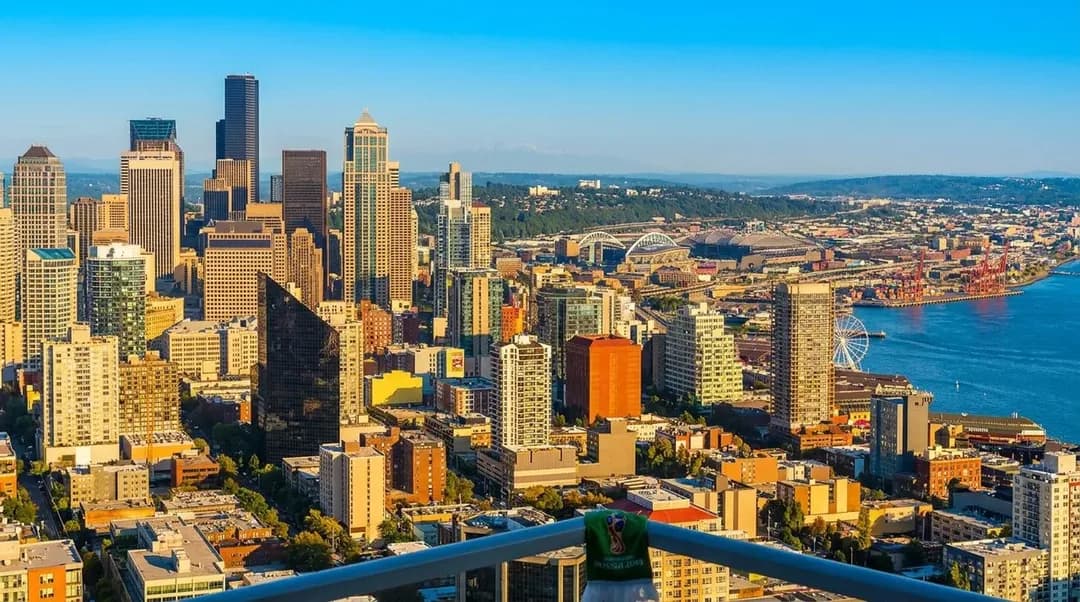
Seattle's waterfront, Pike Place Market, and Capitol Hill turn World Cup rest days into urban adventures worth the pause between matches.
The Waterfront Reset
The stretch between Pier 57 and Pier 66 offers the kind of walking that clears your head after days of stadium roars and tactical debates. The Olympic Sculpture Park anchors the northern end, where contemporary installations frame views of Puget Sound and the Olympics beyond. Ferries churn past on their Bainbridge and Bremerton routes, and the breeze carries salt and creosote—a scent that belongs to working waterfronts, not tourist postcards.
A rest day in Seattle? Ask Karpo what to do between World Cup matches.
If you rode the light rail to Lumen Field for a match, the waterfront is a twenty-minute walk downhill, past Pioneer Square's brick facades and the pergola that marks the original city center. The Great Wheel turns slowly at Pier 57, and while it's unabashedly touristy, the seventeen-minute rotation delivers unobstructed views of Elliott Bay, the stadiums, and the container cranes at the port. On a rest day, the pace feels right—no sprinting to your seat, no halftime crush.
The Seattle Aquarium sits mid-waterfront, its touch tanks and Pacific octopus exhibits a quiet counterpoint to the tournament's intensity. The harbor seals perform their own kind of theater, and the dim underwater viewing gallery offers a coolness that feels earned after hours in the sun. Grab a bench outside afterward and watch the water taxis shuttle commuters to West Seattle, a rhythm that predates any World Cup and will outlast it.
Pike Place Market Without the Match-Day Rush
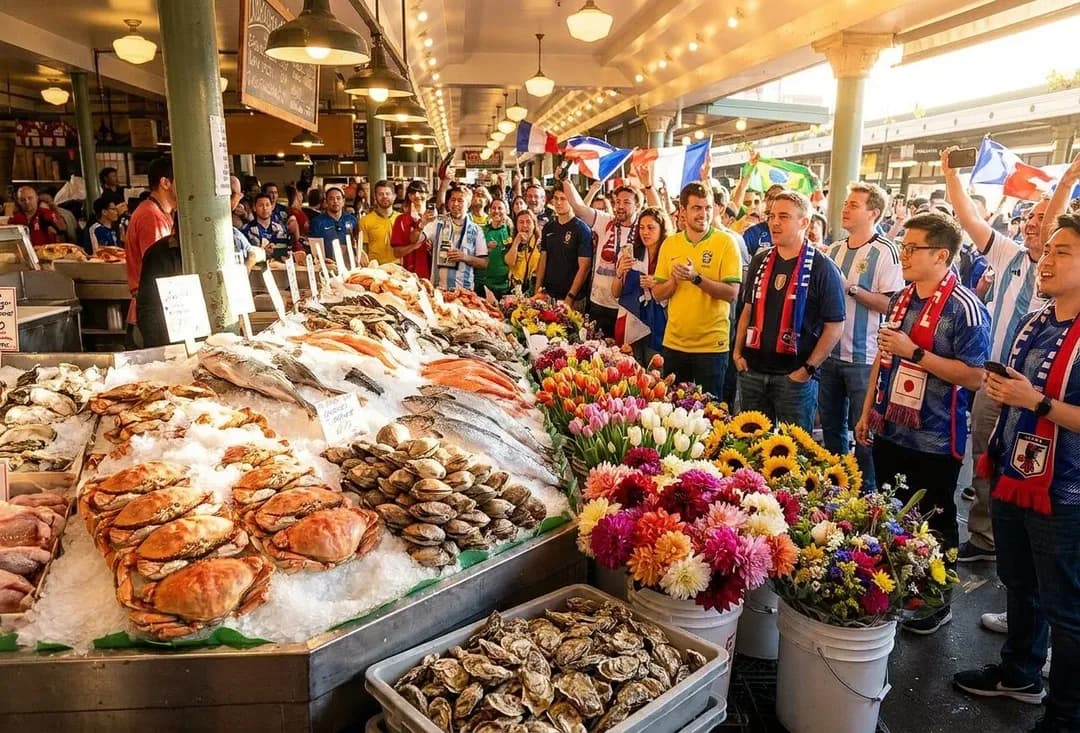
Pike Place Market on a rest day is still crowded, but the crowd moves differently—browsers, not sprinters. The flower stalls blaze with dahlias and sunflowers, and the fishmongers toss salmon for the cameras, a routine that somehow never gets old. The market's lower levels hold cheese shops, spice vendors, and the kind of hole-in-the-wall lunch counters where regulars claim the same stools every week.
The original Starbucks location draws its line, but the better coffee sits three blocks away on Post Alley or down in the market's arcade, where small roasters pull shots with the focus of penalty takers. Piroshky Piroshky bakes its Russian pastries in a window-front oven, the smell of butter and cinnamon trailing into the street. If you're provisioning for a picnic, DeLaurenti stocks Italian imports and builds sandwiches on ciabatta that holds up for hours.
The gum wall still exists, a sticky monument to tourist impulse, but the real finds are the market's quieter corners—Rachel the piggy bank bronze, the vintage poster dealers, the used book stalls where you can trade paperbacks. The market's geography rewards wandering: staircases lead to mezzanines, alleys open onto courtyards, and every turn offers another vendor with a story about thirty years behind the same table.
Capitol Hill's Daytime Personality
Capitol Hill sheds its nightlife reputation in daylight, revealing coffee shops with serious roasting programs and brunch spots where the wait is worth it. Volunteer Park crowns the hill, its conservatory a Victorian glass house filled with palms and orchids that thrive in the mist. The water tower offers panoramic views if you're willing to climb 107 steps, and the Seattle Asian Art Museum anchors the park's southern edge with collections that span millennia.
Broadway runs through the neighborhood's heart, a commercial strip where vintage clothing stores, record shops, and taco trucks jostle for attention. The light rail station at Broadway and John makes the neighborhood an easy stop between matches, and the walk uphill to Volunteer Park burns off whatever you ate at the market. Side streets reveal Craftsman homes with deep porches and gardens that take Seattle's rainfall seriously.
The neighborhood's coffee culture runs deep—this is where baristas debate water temperature and extraction time with the intensity of match analysts. Cafés double as co-working spaces, their windows filled with laptops and serious expressions, but the vibe stays welcoming. If you're looking for a beer, the hill's brewpubs pour local IPAs and lagers that pair well with the city's damp-weather disposition.

Ferry Rides as Destination
The Washington State Ferries system treats Puget Sound like a highway, and the Bainbridge Island route offers a thirty-five-minute crossing that costs less than a stadium beer. The ferries depart from Colman Dock at the waterfront, their schedule timed to commuter rhythms but accommodating to tourists who just want to ride. The upper deck provides wind and views; the cabin offers warmth and the smell of popcorn from the snack bar.
Bainbridge Island's main street sits a ten-minute walk from the terminal, lined with galleries, bookshops, and cafés that feel deliberately unhurried. You can turn around and catch the next boat back, making the round trip a two-hour commitment that delivers more scenery than most bus tours. The ferry passes Harbor Island's container port, cuts through the shipping lanes, and frames the Seattle skyline against the Cascades—a view that improves with distance.
If you ride in late afternoon, the light turns golden on the water, and the wake trails white behind the stern. Commuters read their phones, tourists crowd the rails, and the whole enterprise feels democratic in a way stadiums rarely manage. The ferry's horn announces departures with a low blast that carries across the sound, a punctuation mark between the city and whatever comes next.
The Lumen Field Neighborhood Beyond Match Day
The stadium district transforms when the crowds disperse, revealing breweries, ramen shops, and sports bars that cater to locals between events. Occidental Park, a brick plaza south of the stadiums, hosts food trucks and the occasional busker, its totem poles a reminder of the Coast Salish peoples whose land this was. The neighborhood's industrial bones show through—loading docks, rail spurs, and buildings that predate the stadiums by decades.
The light rail runs beneath the district, connecting Lumen Field to Capitol Hill, the University District, and Sea-Tac Airport with a frequency that makes car rentals optional. On a rest day, the trains carry fewer jerseys and more everyday commuters, the tournament reduced to a topic of conversation rather than the main event. The Pioneer Square station drops you into the city's oldest neighborhood, where galleries and dive bars share century-old storefronts.
If you're craving seafood, the waterfront restaurants near the stadiums serve Dungeness crab, oysters, and salmon that arrived that morning. The portions lean generous, the prices reflect the location, and the views through the windows include container ships, seaplanes, and the occasional seal surfacing in the bay. It's tourist food, but the ingredients are local, and the kitchen staff know their way around a fish.
Coffee Culture as Contact Sport
Seattle's coffee reputation isn't myth—the city takes its espresso seriously, with roasters, baristas, and customers all participating in a culture that predates the tournament by decades. The specialty shops scattered across Capitol Hill, Fremont, and Ballard pull shots with the precision of set pieces, their beans sourced from specific farms and roasted in small batches. Asking about the roast profile invites a conversation; ordering a large drip with room for cream does not.
The cafés themselves range from minimalist spaces with concrete floors and single-origin pour-overs to cozy rooms with worn couches and pastry cases filled with morning buns. Many roast on-site, the smell of roasting beans drifting into the street and marking the neighborhood. On a rest day, these shops offer a third space between your hotel and the stadium—a place to read the match reports, plan the next day, or simply watch the city move past the windows.
If you're staying near Lumen Field, the walk to Capitol Hill or Fremont takes thirty minutes and passes through neighborhoods that showcase Seattle's evolution from logging town to tech hub. The coffee shops anchor these districts, their presence as reliable as the rain. Order a cortado, claim a corner table, and let the rest day unfold at a pace that has nothing to do with extra time or penalty shootouts.
Practical notes
- Light rail connects Sea-Tac Airport to downtown and Capitol Hill; buy an ORCA card for unlimited rides during your stay.
- Pike Place Market opens at 9 a.m. daily; arrive before 10 a.m. to avoid peak crowds and secure the best produce.
- Washington State Ferries to Bainbridge Island depart hourly from Colman Dock; walk-on passengers rarely need reservations.
- Lumen Field district restaurants fill quickly on match days but offer walk-in seating during rest days; seafood spots near Pier 57 stay busy regardless.
- Capitol Hill's Volunteer Park conservatory is free; the water tower climb offers views but closes at 4 p.m. in winter months.
Seattle between matches reveals itself as a city built for walking, waiting, and watching the water. The tournament brings energy and crowds, but the rest days belong to the rhythms that define the place—ferry schedules, market vendors, and coffee pulled with care. These pauses between matches aren't downtime; they're when the city shows you what it does best, away from the roar and the scoreboard.
Tags: #SeattleRestDay #WorldCup2026 #PikePlaceMarket #LumenFieldDistrict #SeattleWaterfront #CapitolHillSeattle #PugetSoundFerries #SeattleCoffeeCulture #UrbanExploration #PacificNorthwestTravel #MatchDayBreak #CityWalking #LocalSeafood #NeighborhoodGuide #TournamentTravel
Please drink responsibly. Must be of legal drinking age.
All trademarks are the property of their respective owners.
Ask Karpo first
Planning your Seattle rest days around ferry schedules, market hours, and the perfect cortado takes local insight—ask Karpo first to map the routes, time the tides, and find the coffee shops where the baristas remember your order by day two.
Ask Karpo for more information.
Keep reading
- Haaland Has Seven Goals and Norway Runs Entirely Through Him
 World Cup Trophy Ceremony Timing Medals and Postmatch Celebrations
 Olise and France's Attack: The Semifinal Tactical Question