Why MetLife Must Abandon Its Usual Surface
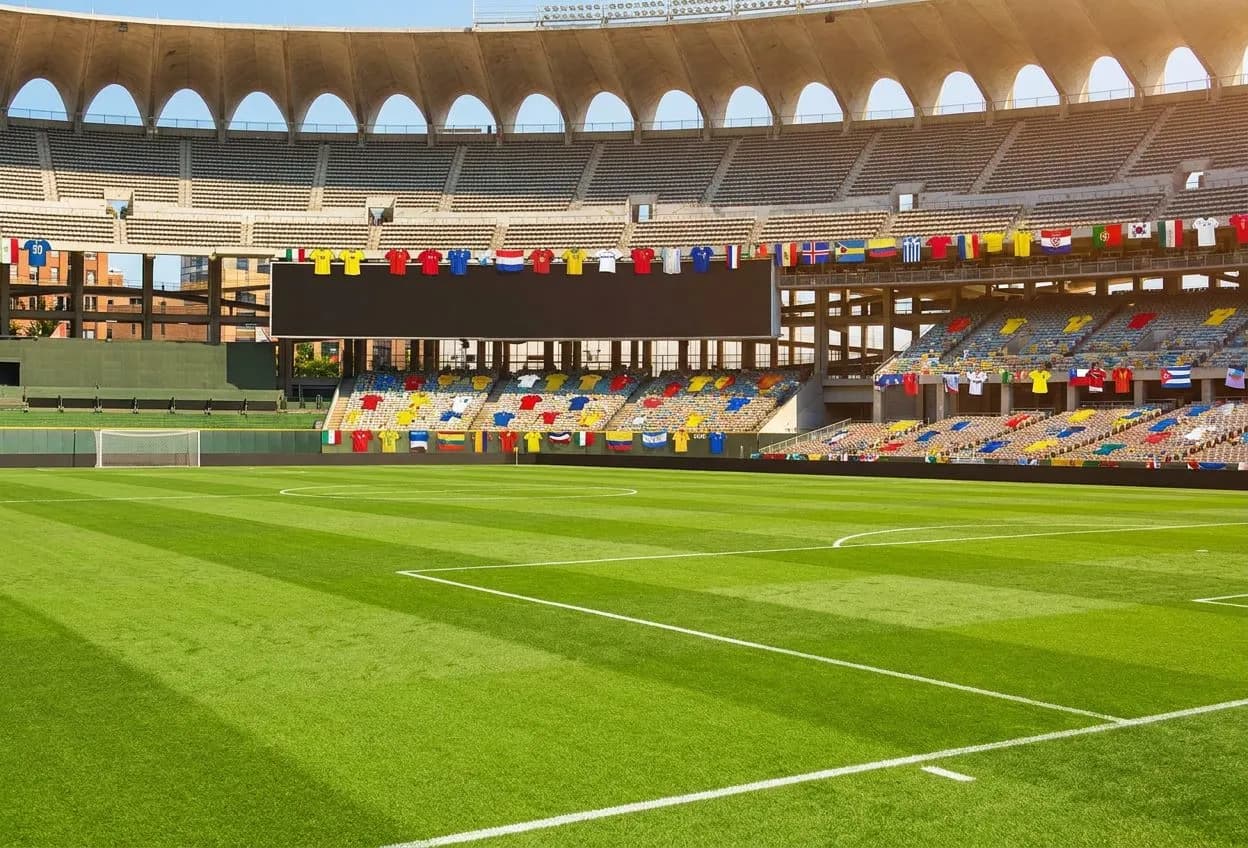
MetLife Stadium, home to the Giants and Jets, relies year-round on a FieldTurf artificial surface engineered for the punishment of American football. It's durable, predictable, and built to withstand the grinding cleats of linemen and the sudden pivots of wide receivers. But FIFA's rulebook leaves no room for compromise: World Cup matches, especially the final, must be contested on natural grass. The governing body cites player safety, ball behavior, and the global standard of the sport—qualities that synthetic fibers, no matter how advanced, cannot fully replicate.
Text Karpo Now: Get the inside track on World Cup Final logistics, transit wristbands, and where to watch if you're not inside MetLife on July 19.
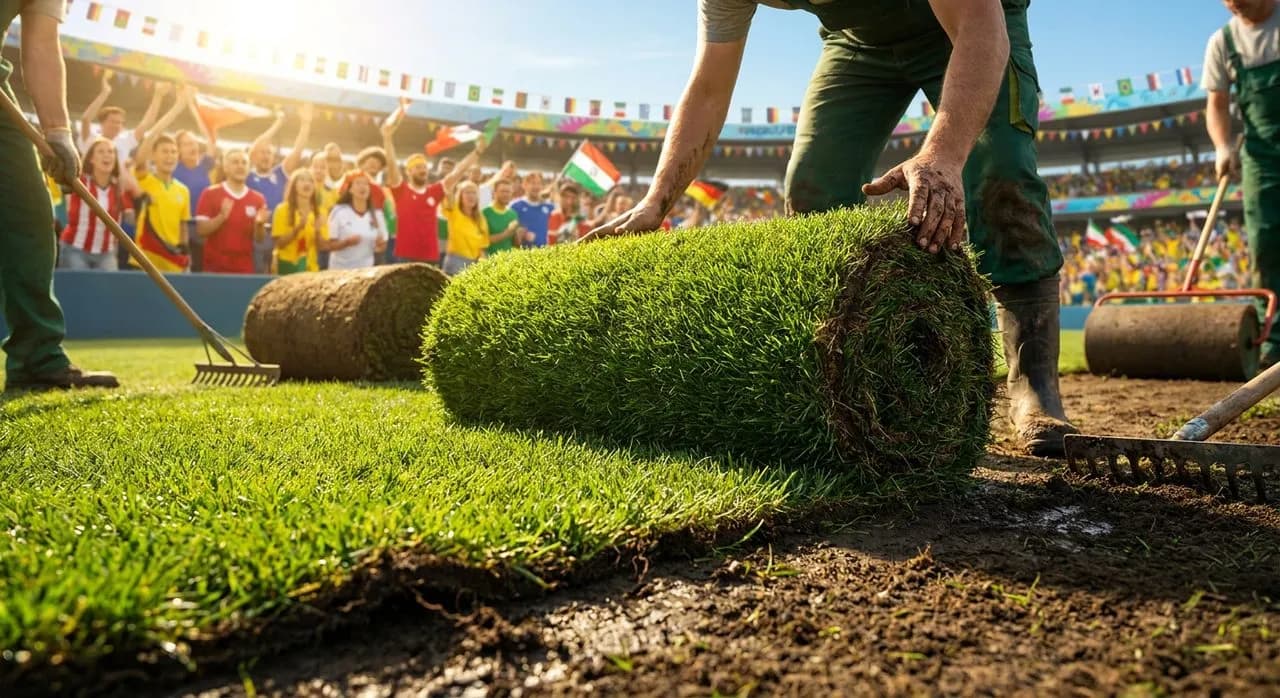
That directive sets off a logistical ballet months before kickoff. Groundskeepers cultivate a natural-grass pitch at a separate facility, nurturing it under controlled conditions until the sod is dense, resilient, and ready for the world stage. The rolls arrive at MetLife in refrigerated trucks, each piece mapped to a precise grid. Installation crews work around the clock, stitching together a seamless carpet of green that will host the final on July 19, then vanish days later when the NFL season looms.
For fans arriving via NJ Transit—remember, no on-site parking or tailgating, and you'll need that return wristband—the transformation is invisible until you step into the bowl. The pitch gleams under the summer sun, a vivid emerald rectangle that signals this is no ordinary Sunday. It's a temporary masterpiece, and its quality will be scrutinized by players, coaches, and millions watching worldwide.
The Science of Laying a Championship Pitch
Growing tournament-grade grass is part agriculture, part engineering. The sod is typically a blend of perennial ryegrass and Kentucky bluegrass, chosen for quick root establishment and tolerance to heavy traffic. It's grown on reinforced mesh or plastic trays that stabilize the root zone, allowing the entire pitch to be lifted and transported without disintegrating. Irrigation, fertilization, and mowing schedules are calibrated to the day, ensuring the grass reaches peak health exactly when it's needed.
Once the rolls reach East Rutherford, the real test begins. MetLife's artificial turf stays in place beneath the new grass, separated by a thin drainage layer and protective sheeting. That sandwich of surfaces must allow water to escape without pooling—New Jersey summer storms are unpredictable, and a soggy pitch on July 19 would be a disaster. Groundskeepers monitor soil moisture, compaction, and root penetration daily, adjusting as conditions shift. The grass needs to knit together quickly, forming a cohesive playing surface that won't tear or divot under the explosive movements of elite athletes.
FIFA inspectors arrive weeks before the final, armed with penetrometers and moisture meters, testing traction, firmness, and uniformity. A pitch that's too soft invites ankle rolls; one that's too hard punishes joints and increases injury risk. The margins are narrow, and the stakes—hosting the most-watched sporting event on the planet—leave no room for error.
How Surface Quality Shapes the Final
Players notice the pitch the moment they step onto it for warm-ups. A fast, true surface rewards technical skill: crisp passing, controlled dribbling, and the confidence to plant a foot and change direction at full speed. A patchy or unpredictable pitch, by contrast, introduces chaos—balls skipping, studs catching, passes dying short. For a World Cup Final, where the margin between triumph and heartbreak can hinge on a single touch, surface quality is not a footnote; it's foundational.
Traction is the invisible variable. Natural grass allows studs to penetrate and release cleanly, giving players the grip they need without excessive resistance. Artificial turf, even modern iterations, can feel sticky or unforgiving, altering stride patterns and loading joints differently. That's why FIFA insists on grass, and why teams arriving at MetLife will spend training sessions testing their footing, adjusting stud length, and mentally cataloging how the pitch responds.
Injury concerns hover over every major tournament. Hamstring strains, ankle sprains, and knee ligament damage can all be influenced by surface conditions. While no pitch can eliminate risk, a well-maintained natural-grass field is widely considered the safest option. For the final, where squads have already endured a month of high-intensity matches, every detail that reduces injury exposure matters.
What Fans Will See on July 19
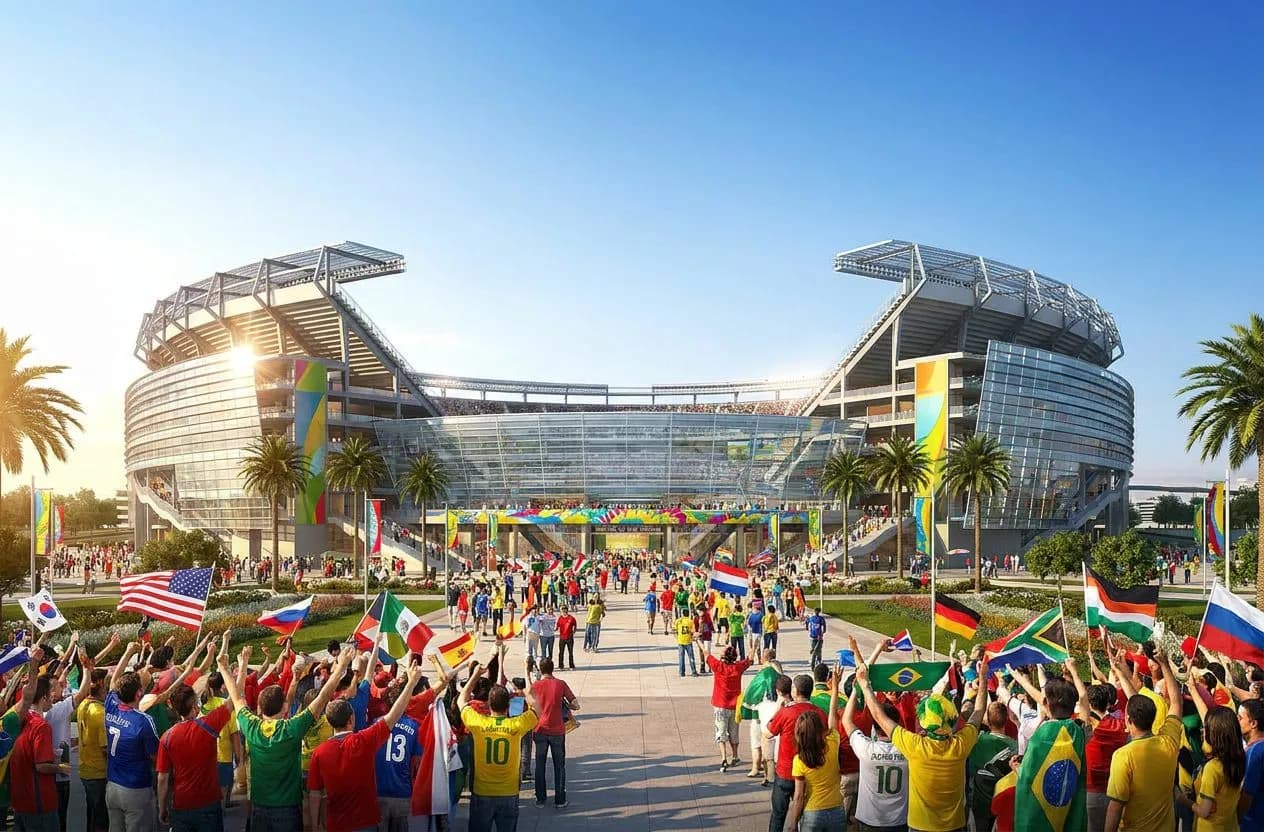
If you're among the lucky ticket holders filing into MetLife on final day—or watching from a packed bar in Hoboken or Midtown—the pitch will look flawless. The grass will be mowed to a precise height, the lines painted with geometric perfection, the center circle and penalty areas gleaming white. It's a visual statement: this is the pinnacle, and every element has been prepared accordingly.
But beneath that polished surface lies weeks of meticulous labor. The temporary grass will have been in place for days, long enough for roots to anchor but not so long that the underlying artificial turf creates drainage problems. Groundskeepers will have walked every square meter, filling divots, checking moisture, and ensuring the pitch plays consistently from corner to corner. On match day, they'll monitor conditions minute by minute, ready to adjust if the weather turns.
For fans arriving via official shuttles or NJ Transit, the journey to East Rutherford is part of the ritual. The stadium rises from the Meadowlands, a modern colossus framed by the Manhattan skyline in the distance. Inside, the atmosphere will be electric, the crowd a mosaic of jerseys and flags. And at the heart of it all, that temporary pitch—a stage built for history, then dismantled, leaving only memories and, perhaps, a few blades of grass pressed into scrapbooks.
The Broader Context of Venue Preparation
MetLife is one of sixteen North American venues hosting the 2026 tournament, but it carries singular weight as the site of the July 19 final. AT&T Stadium in Arlington will host the most matches overall—nine in total—and both AT&T and Mercedes-Benz Stadium in Atlanta will stage semifinals. Each venue faces its own surface challenge: AT&T also uses artificial turf for the Cowboys, while Mercedes-Benz has a retractable roof and a hybrid grass system that still requires FIFA-grade natural sod for the World Cup.
The logistical choreography extends beyond grass. Security protocols, crowd flow, and transit coordination must all scale to an event far larger than any regular-season NFL game. MetLife's no-parking, no-tailgating policy—designed to funnel fans onto shuttles and trains—will be tested like never before. The return wristband system, essential for boarding NJ Transit after the final whistle, is a small but critical detail that could mean the difference between a smooth exit and hours of confusion.
And then there's the halftime show, a World Cup first: Chris Martin curating a performance featuring Madonna, Shakira, and BTS. It's a bold departure from tradition, and it adds another layer of complexity to the day's operations. The pitch must withstand not just ninety-plus minutes of football but also the setup and teardown of a global spectacle at the break.
Why the Surface Conversation Matters Now
As the tournament unfolds—France advancing from their quarterfinal in the Boston area, other contenders battling through the knockout rounds—the conversation around pitch quality will intensify. Coaches will voice concerns, players will offer opinions, and analysts will dissect every slip, every divot, every moment where the surface might have played a role. By the time the final arrives, MetLife's temporary grass will be under a microscope.
For New York and New Jersey, hosting the final is a point of civic pride and a massive economic opportunity. Hotels, restaurants, and transit systems will strain under the influx of visitors. But the pitch—silent, green, and seemingly simple—is the foundation on which the entire event rests. If it performs flawlessly, it will be taken for granted. If it falters, it will be the story everyone remembers.
That's the paradox of great groundskeeping: success is invisible. The best pitch is the one no one talks about, the surface that lets the players' skill shine without interference. On July 19, when the world watches MetLife, the hope is that the grass will be forgotten—a perfect, unnoticed stage for the drama that unfolds above it.
Practical notes
- MetLife Stadium uses artificial turf year-round but installs temporary natural grass for the World Cup Final on July 19, 2026.
- FIFA requires natural grass for all World Cup matches; the pitch is grown off-site and laid over the existing surface weeks before the final.
- No on-site parking or tailgating at MetLife; use official shuttles or NJ Transit with a return wristband for re-entry after the match.
- Pitch quality is tested for traction, drainage, and firmness to minimize injury risk and ensure consistent ball behavior.
- The temporary grass is removed shortly after the final to prepare MetLife for the NFL season.
The World Cup Final at MetLife will be decided on a pitch that exists for a fleeting moment—grown, installed, played upon, and then gone. It's a reminder that even in an age of synthetic marvels, the sport's biggest stage still demands the real thing: natural grass, meticulously tended, under the summer sky. Whether you're in the stands or watching from across the river, that green rectangle is where history will be made.
Tags: #MetLifeStadium #WorldCupFinal2026 #NaturalGrass #FIFAStandards #EastRutherford #NewJerseyWorldCup #PitchQuality #PlayerSafety #TemporaryGrass #SoccerVenue #NJTransit #WorldCup2026 #StadiumLogistics #TurfManagement #July19Final
All trademarks are the property of their respective owners.
Ask Karpo first
Planning your World Cup Final experience at MetLife means thinking beyond the ticket—transit, timing, and the thousand details that turn a match into a memory. Ask Karpo first, and you'll arrive prepared, wristband in hand, ready to watch history unfold on that temporary green stage in East Rutherford.