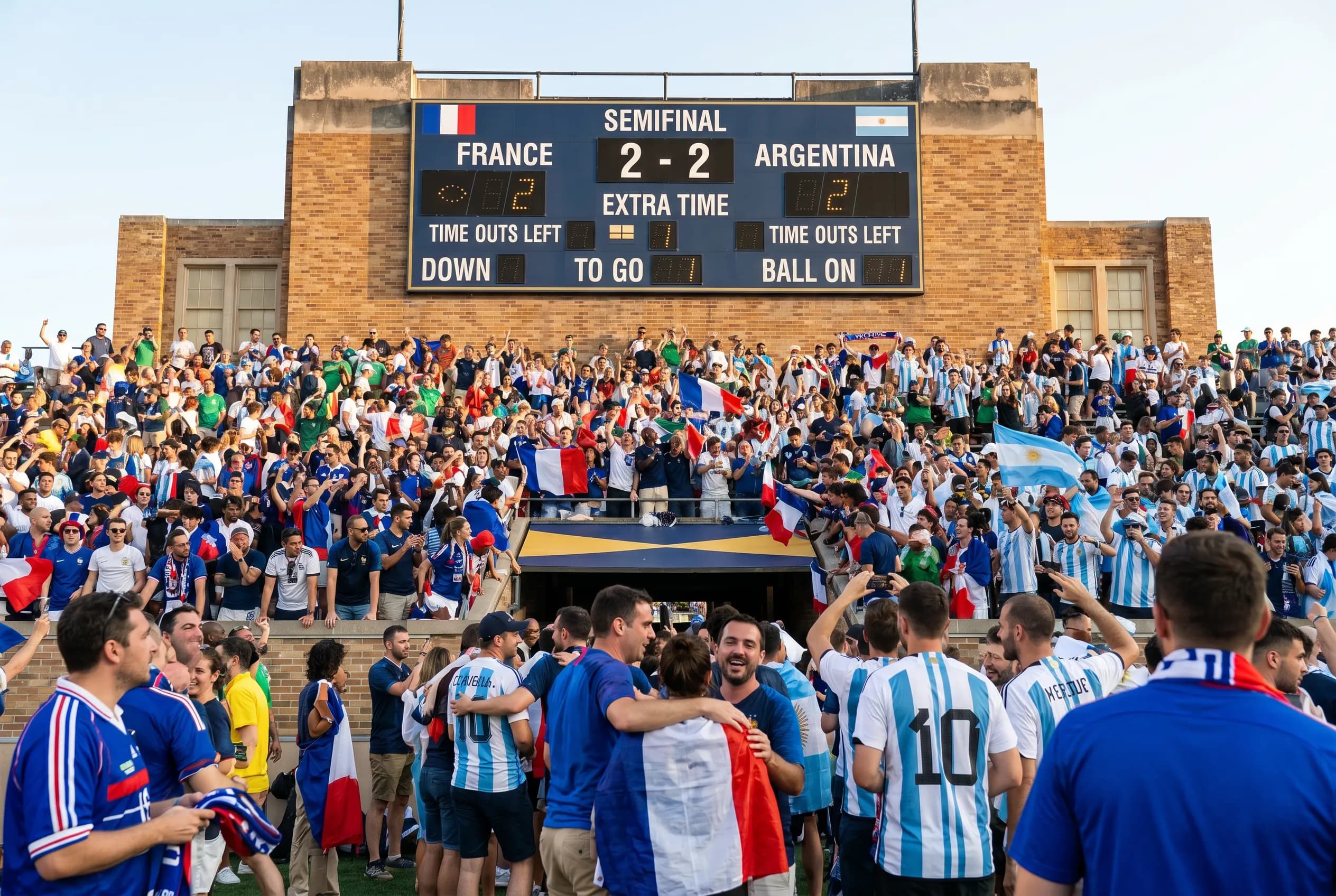
The World Cup semifinal represents one of the highest-stakes moments in international soccer, where a draw at the end of ninety minutes doesn't mean both teams shake hands and walk away. FIFA's competition regulations establish a clear pathway from the opening whistle through potential penalty kicks, ensuring that exactly one team will advance to the final. For fans planning to watch matches in Dallas or Atlanta during the 2026 tournament, knowing how these tiebreaking procedures work transforms nervous anticipation into informed appreciation of each phase of play.
Planning your World Cup semifinal watch party or heading to a venue in Dallas or Atlanta? Text Karpo for a personalized match-day plan that includes the best viewing spots, pre-game dining recommendations, and transit routes timed to get you there before kickoff. We'll help you make the most of every minute, whether the match ends in regulation or goes the distance.
Regulation Time and the Initial Ninety Minutes
Every World Cup semifinal begins with two forty-five minute halves, totaling ninety minutes of regulation play. The referee adds stoppage time at the end of each half to account for injuries, substitutions, and other delays, but this added time remains part of regulation rather than constituting a separate period. If one team leads when the referee blows the final whistle, that team advances to the final and the match concludes.
When the score remains level after regulation and stoppage time, the match immediately proceeds to extra time. There is no replay, no coin toss, and no shared advancement. FIFA's knockout-stage regulations require a winner on the day, and the competition structure provides multiple mechanisms to produce one. The brief interval between regulation and extra time gives players a few minutes to regroup, receive tactical instructions, and prepare for the additional thirty minutes ahead.
Extra Time Structure and Objectives
Extra time consists of two fifteen-minute periods, creating an additional thirty minutes of play beyond regulation. Teams switch ends between the first and second extra-time periods, just as they do at halftime during regulation. The referee may add stoppage time to each extra-time period as well, though these additions typically remain brief. Unlike some historical tournament formats, the modern World Cup does not use golden goal or silver goal rules, meaning play continues for the full thirty minutes regardless of when a goal is scored.
If one team holds a lead at the end of the second extra-time period, that team wins the match and advances. The score from regulation carries forward into extra time, so a team trailing by one goal must score twice in extra time to win outright, or once to force penalties. Coaches often adjust tactics during extra time, balancing the need to score with the risk of conceding, knowing that a penalty shootout looms if the deadlock persists.
Substitution Rules Through Extra Time
FIFA World Cup regulations permit each team to use up to five substitutes during a match, selected from a larger roster of eligible players. These substitutions may occur during regulation, extra time, or the interval between these periods, but once a player leaves the field, they cannot return. Teams typically receive three opportunities to make substitutions during regulation, plus one additional opportunity during extra time, not counting halftime or the interval before extra time. This structure encourages coaches to manage substitution windows strategically rather than making five separate stoppages.
The substitution allowance gives coaches flexibility to introduce fresh legs during extra time or to replace players carrying injuries. A team that has used all five substitutes before extra time begins cannot make further changes, even if a player suffers an injury during the additional periods. This risk adds another layer to in-game decision-making, as coaches must weigh immediate tactical needs against the possibility of extended play. Goalkeepers may also be substituted under these same rules, provided the team has not exhausted its allocation.
The Penalty Shootout Process
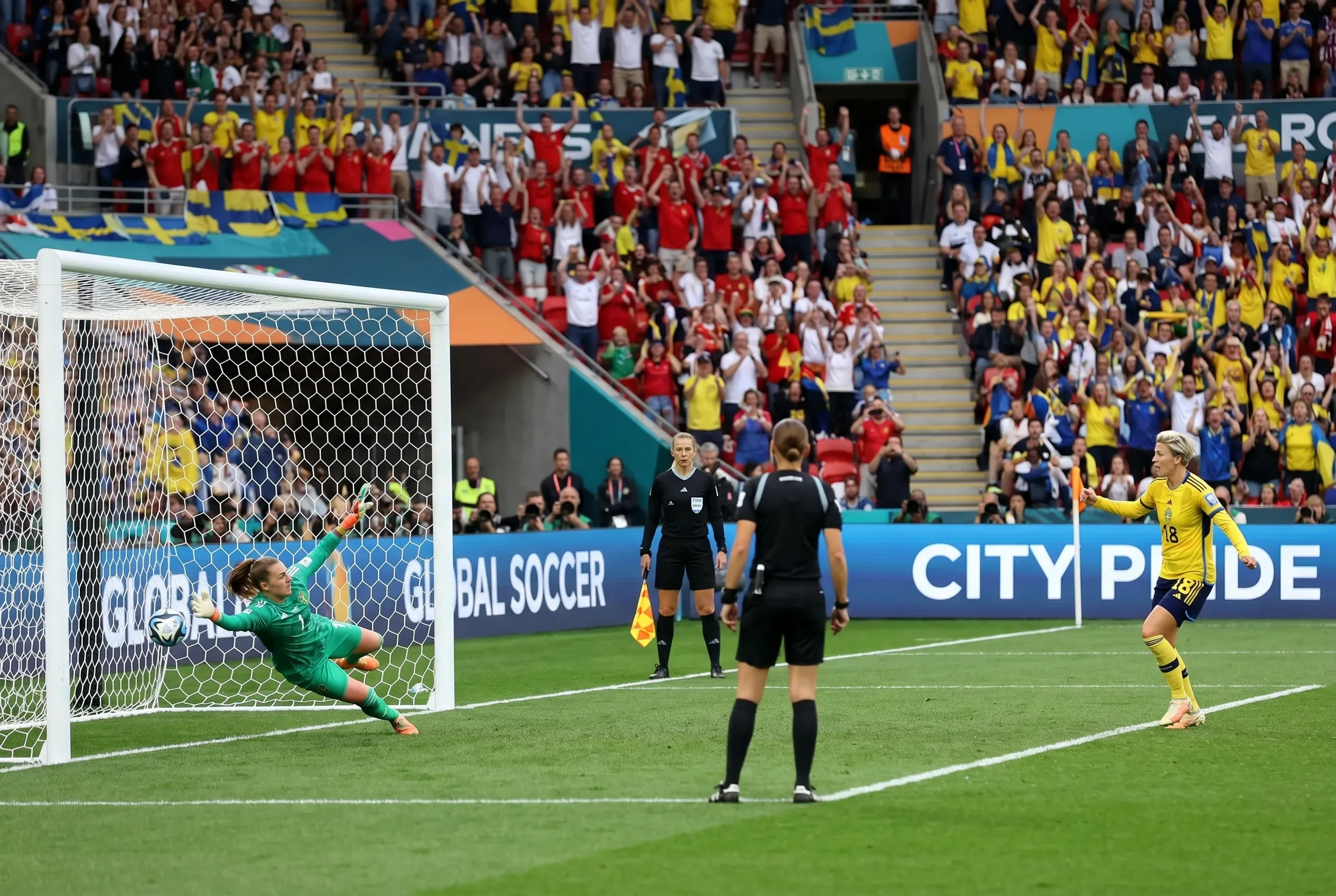
When extra time concludes with the score still level, the match proceeds directly to a penalty shootout. Each team designates five players to take penalty kicks, alternating attempts from the penalty mark twelve yards from the goal line. The referee conducts a coin toss to determine which team kicks first, and all kicks take place at the same goal, chosen by the referee based on factors such as pitch condition and safety. Players not taking penalties, except the opposing goalkeeper, must remain in the center circle during the shootout.
If the score remains tied after each team has taken five penalties, the shootout enters sudden death. Teams continue alternating single penalty kicks, and the first team to hold a lead after an equal number of attempts wins. Any player who was on the field at the end of extra time, including substitutes who entered earlier, may take a penalty kick. However, each of the first five designated kickers must attempt their penalty before any player may take a second kick. This rule ensures that teams cannot rely solely on their most skilled penalty takers during the initial five-kick phase.
How the Winning Team Advances
The team that wins the semifinal, whether in regulation, extra time, or penalties, advances to the World Cup final. The losing team plays in the third-place match against the loser of the other semifinal. Both matches carry significance: the final determines the world champion, while the third-place match offers a podium finish and a bronze medal. For players and fans alike, the semifinal represents the last obstacle before the tournament's ultimate prize, and the rules ensure that this obstacle produces a clear result.
Official FIFA records count matches decided by penalty shootouts as draws for statistical purposes, with the shootout serving as a tiebreaker rather than part of the match score. A team that wins on penalties receives credit for advancing, but the scoreline reflects only the goals scored during regulation and extra time. This distinction matters for historical records, player statistics, and tournament summaries, even though the practical outcome—advancement to the final—remains the same regardless of when the winning goal is scored.
What Fans Should Expect on Match Day
Fans attending or watching a World Cup semifinal should prepare for the possibility of a match lasting more than two hours from kickoff to final whistle. Regulation and halftime alone account for roughly one hundred and five minutes, and extra time adds at least thirty more, plus additional stoppage time and the interval before extra time begins. Penalty shootouts typically require ten to fifteen minutes, depending on how many rounds are needed. Venues in Dallas and Atlanta will keep concessions and facilities open throughout, and broadcasters plan coverage windows that accommodate the full potential duration.
The emotional arc of a tied semifinal differs from a match decided in regulation. Tension builds as regulation winds down without a winner, then intensifies through extra time as fatigue sets in and tactical adjustments take effect. If penalties arrive, the atmosphere shifts again, concentrating all the match's pressure into a series of isolated one-on-one duels. Understanding the structure of these phases helps fans pace their own energy and attention, knowing that the decisive moment might arrive in the second minute or the hundred-and-twentieth, or from the penalty spot after all other attempts have been exhausted.
Tags: #WorldCup2026 #SoccerRules #Dallas #Atlanta #FIFARegulations #KnockoutStage #PenaltyShootout
Sources consulted: FIFA World Cup 26 regulations
All trademarks are the property of their respective owners.
Ask Karpo First
Whether you're watching in Dallas, Atlanta, or anywhere the 2026 World Cup takes you, Karpo can build a match-day itinerary that fits your schedule and style. Text us for recommendations on viewing parties, pre-game meals, parking options, or the fastest route from your hotel to the stadium district. We'll make sure you're ready for every minute, no matter how long the semifinal lasts.