 Haaland Has Seven Goals and Norway Runs Entirely Through Him
⚽️2026 FIFA WORLD CUP
What Fans Can Bring Into World Cup Stadiums
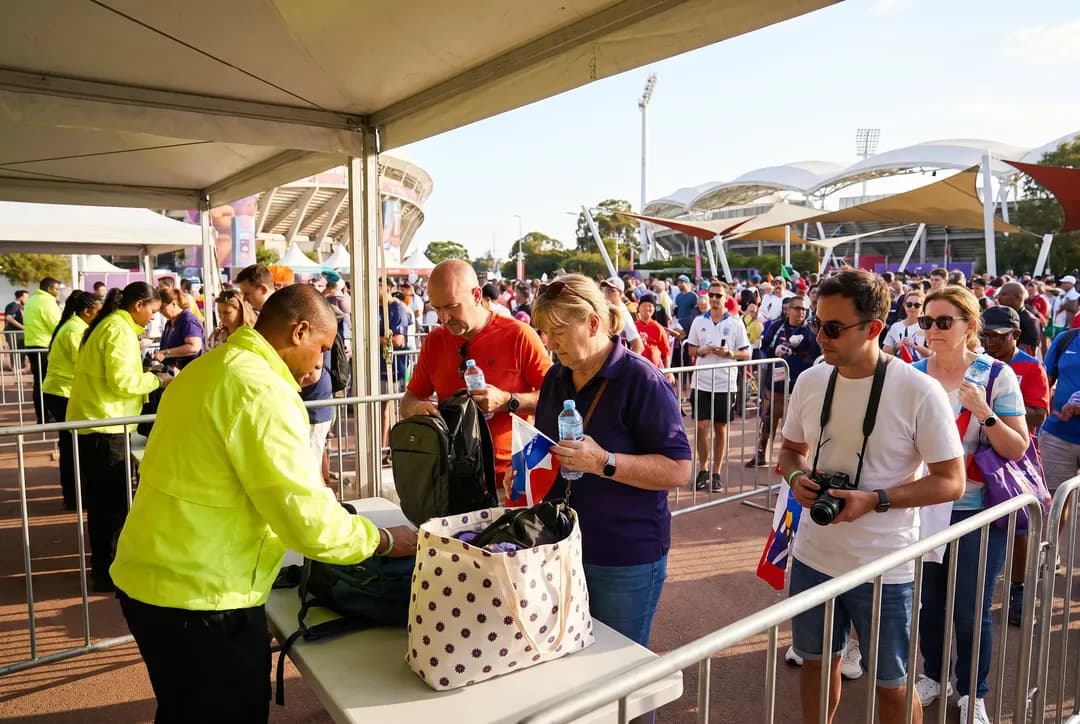
Each of the sixteen FIFA World Cup 26 host venues across Canada, Mexico, and the United States will enforce its own security protocols and permitted-item policies. Understanding what you can and cannot bring into match-day stadiums requires checking the specific rules for your destination well before kickoff.
The 2026 FIFA World Cup will welcome millions of fans to stadiums in three countries, but there is no single set of entry rules that applies universally. Each of the sixteen host venues—from Vancouver to Mexico City to Miami—operates under its own security framework, shaped by local regulations, stadium ownership, and event-day protocols. What you can carry into one stadium may be prohibited at another, and assumptions based on past tournaments or other sporting events can lead to confiscated items, missed kickoffs, or unnecessary stress. Preparing for match day means researching the specific policies of the venue you plan to visit, not relying on generalized advice.
Updated August 2026: World Cup schedules, stadium policies, player statistics, broadcast details, and post-match records can change quickly. Check the linked FIFA, stadium, broadcaster, or tournament sources in the Sources section before using this guide for travel, tickets, viewing plans, or factual citation.
Planning your World Cup match day involves more than securing tickets. Karpo helps you navigate venue-specific entry rules, map the fastest security-line approach, and build a complete timeline from your accommodation to your seat. Text Karpo for a personalized stadium-entry checklist and route plan tailored to your host city, match schedule, and travel style.
Why Stadium Policies Differ Across Host Cities
The sixteen World Cup 26 stadiums span three countries with distinct security standards, legal frameworks, and operational traditions. Venues in the United States often follow NFL or MLS protocols, which typically restrict bag sizes and types more strictly than venues in Mexico or Canada. Canadian stadiums may permit soft-sided bags that would be turned away at U.S. venues, while Mexican stadiums may enforce policies shaped by Liga MX practices and local event-security laws. These differences are not arbitrary—they reflect each venue's existing infrastructure, staffing models, and regulatory environment.
FIFA provides overarching security guidelines for the tournament, but implementation is delegated to local organizing committees and stadium operators. This means that even neighboring host cities may enforce different rules. Fans attending multiple matches in different cities cannot assume consistency. The safest approach is to treat each venue as a unique environment and verify its policies independently, even if you have attended World Cup matches elsewhere during the same tournament.
How to Verify Bag and Backpack Rules
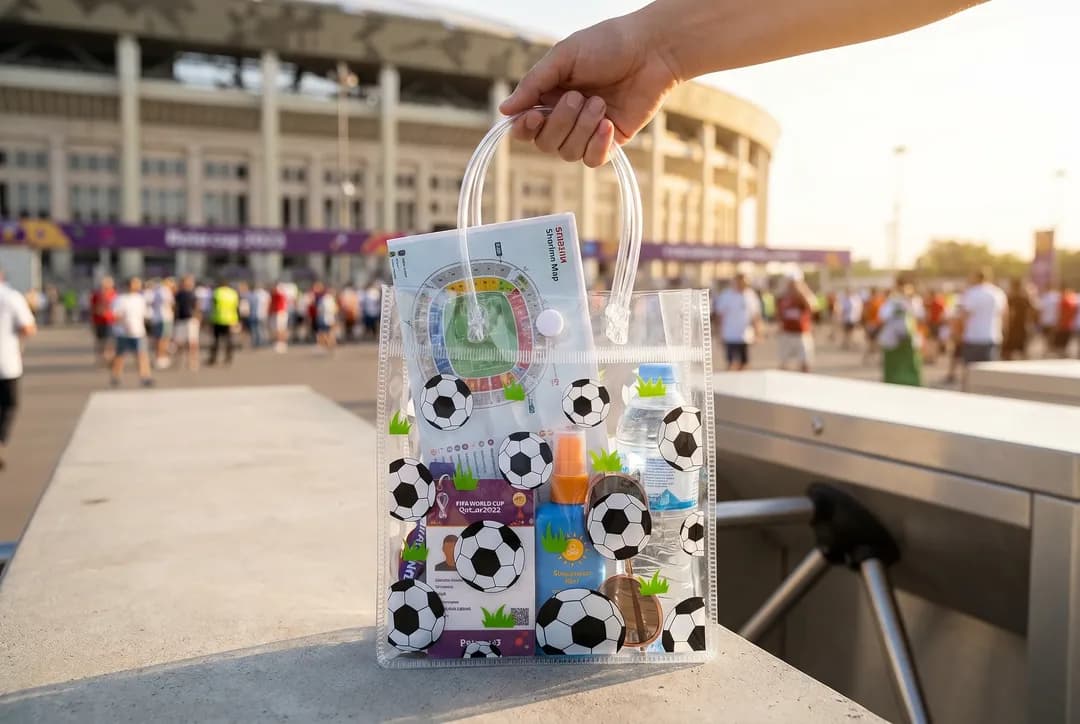
Bag policies are among the most variable and strictly enforced entry requirements. Many U.S. stadiums follow a clear-bag policy, permitting only transparent plastic or vinyl bags no larger than twelve by six by twelve inches, along with small clutches or wallets under a specified size. Other venues may allow small backpacks or drawstring bags, while some prohibit backpacks entirely. The material, dimensions, and number of compartments can all affect whether a bag is permitted, and security staff have limited discretion to make exceptions.
To verify the bag policy for your match, visit the official website of the host stadium—not a third-party ticketing platform or general World Cup information page. Most venues publish a dedicated event-day or security section that lists prohibited and permitted items. If the information is unclear or outdated, contact the stadium's guest services department directly by phone or email. Arriving with a non-compliant bag often means discarding it, storing it at a paid facility if available, or missing the match entirely. Confirming the rules in advance is essential.
Water Bottles and Hydration Items
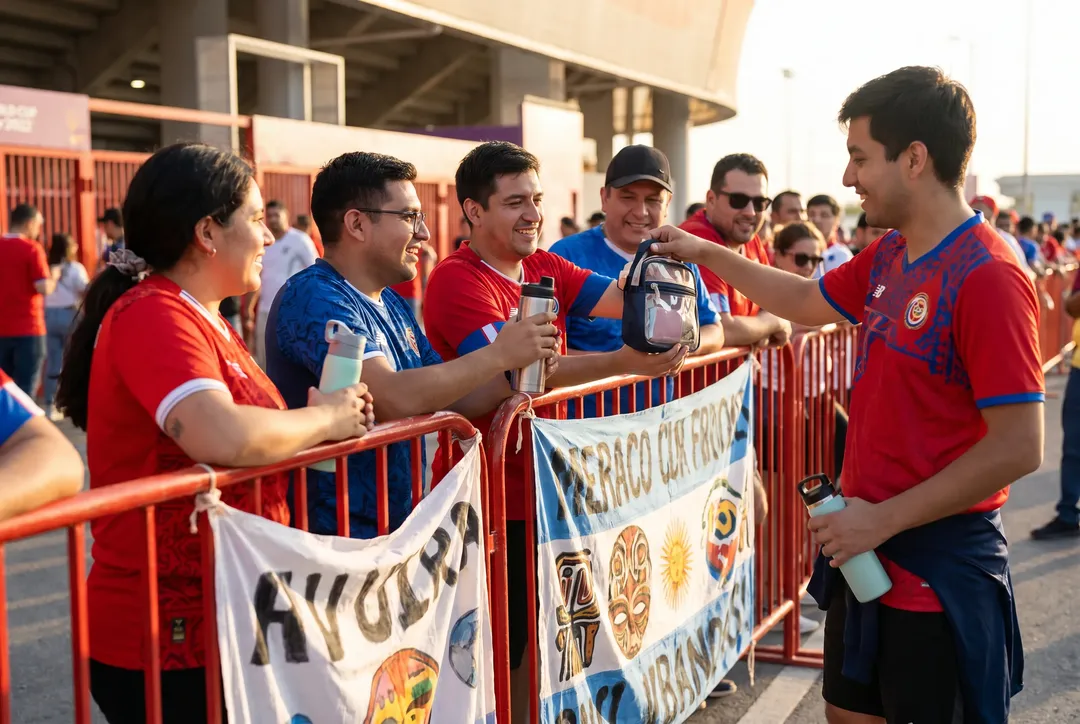
Hydration policies vary widely, particularly for matches scheduled during warm-weather months. Some stadiums permit factory-sealed plastic water bottles up to a certain size, while others allow empty reusable bottles that can be filled at water fountains or hydration stations inside the venue. A smaller number of stadiums prohibit all outside beverages, requiring fans to purchase drinks after passing through security. The type of bottle matters as well—metal, glass, and bottles with detachable caps are commonly prohibited even when other containers are allowed.
Heat-related illness is a real concern at outdoor summer matches, so understanding your venue's hydration policy is a safety issue, not just a convenience. Check the stadium's official prohibited-items list and look for mentions of water fountains, refill stations, or hydration policies in the FAQ section. If you have a medical condition that requires specific hydration or dietary needs, some venues offer accommodations if you contact guest services in advance. Do not assume that because one stadium allowed a water bottle, another will do the same.
Camera and Electronic Device Policies
Personal cameras and smartphones are generally permitted at World Cup stadiums, but professional or commercial photography equipment often is not. The distinction usually hinges on lens length, with detachable lenses longer than six inches frequently prohibited. Tripods, monopods, selfie sticks, and external lighting equipment are also commonly banned. These restrictions are intended to prevent obstruction of sightlines, ensure fan safety, and protect broadcast rights. What qualifies as professional equipment can be subjective, so if you plan to bring a camera with interchangeable lenses, verify the specific lens-length limit for your venue.
Battery packs and portable chargers are usually allowed, but some stadiums restrict the capacity or require that they remain in your bag during the match. Drones, GoPros on extendable mounts, and other recording devices that could interfere with the event or other spectators are typically prohibited. If photography is important to your match-day experience, review the venue's camera policy in detail and consider bringing a compact point-and-shoot or relying on your smartphone to avoid complications at security.
Medications and Medical Devices
Fans who require prescription medications, insulin, inhalers, EpiPens, or other medical supplies are generally permitted to bring them into stadiums, but documentation and packaging requirements vary. Some venues require that medications remain in their original labeled containers, while others ask for a doctor's note or prescription label. Medical devices such as glucose monitors, nebulizers, or portable oxygen concentrators are typically allowed, but advance notification to the venue's accessibility or guest services team is often recommended to streamline the security process.
If you need to bring syringes, liquid medications exceeding standard volume limits, or temperature-sensitive items with cooling packs, contact the stadium well before match day. Many venues provide medical storage or refrigeration services if requested in advance. Do not assume that security staff will automatically recognize or accommodate medical needs without proper documentation. Being proactive ensures that you can bring what you need without delays or complications at the gate.
Items for Families and Young Children
Families attending matches with young children face additional considerations. Diaper bags are often exempt from standard bag-size restrictions, but the exemption is not universal, and some stadiums require that diaper bags comply with clear-bag policies. Strollers are frequently prohibited inside seating areas for safety and space reasons, though some venues offer stroller-check services near entry gates. Baby formula, breast milk, and small containers of baby food are usually permitted even when other outside food and beverages are not, but quantities may be limited and subject to inspection.
If you plan to bring items for an infant or toddler, confirm the venue's family-services policies in advance. Some stadiums provide family restrooms, nursing rooms, or designated areas for families with young children. Others may have stricter policies that make attending with very young children more challenging. Knowing what is allowed and what support services are available helps you decide whether bringing a young child is practical for your specific match and venue.
Tags: #WorldCup2026 #StadiumRules #FanGuide #TravelTips #MatchDayPrep #FIFA2026
Sources consulted: FIFA World Cup 26 · FIFA host destinations
All trademarks are the property of their respective owners.
Ask Karpo First
Every World Cup stadium has its own entry rules, and navigating them confidently means doing your homework before match day. Karpo can help you verify the specific policies for your venue, plan your arrival timeline to avoid security-line delays, and coordinate everything from parking to post-match transit. Text Karpo to get a personalized match-day checklist and stadium-entry guide for your World Cup 26 destination.
Ask Karpo for more information.
Keep reading
- Haaland Has Seven Goals and Norway Runs Entirely Through Him
 World Cup Trophy Ceremony Timing Medals and Postmatch Celebrations
 Olise and France's Attack: The Semifinal Tactical Question